Summer in Polk County is rough on asphalt. Here's how to assess the damage and get ahead of it before it turns into something expensive.
Share:
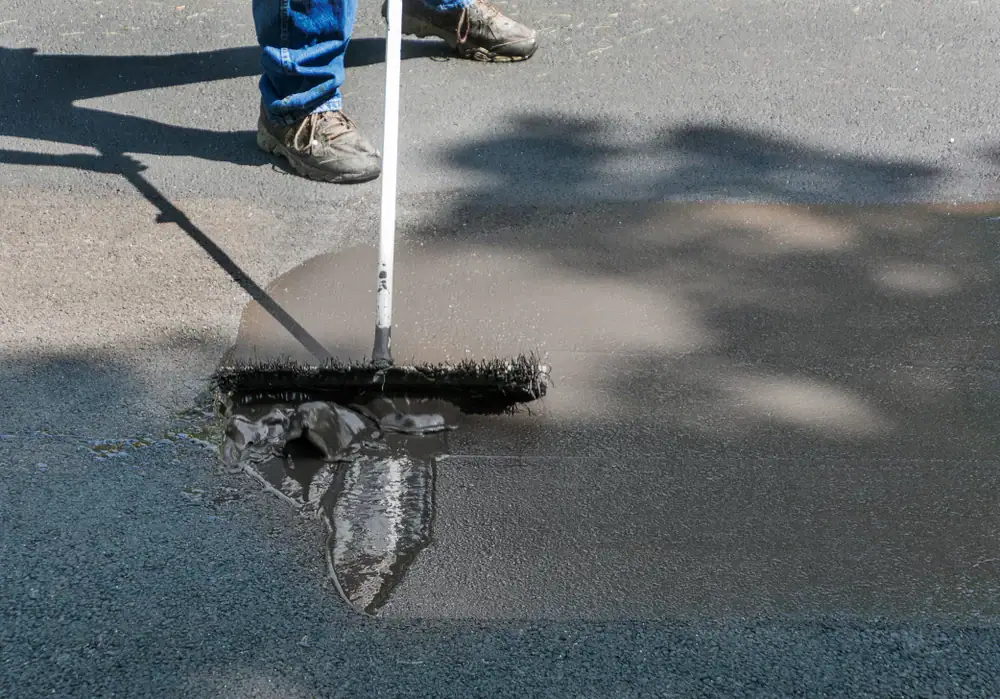
Summary:
Most asphalt maintenance guides are written for cold climates — places where freeze-thaw cycles crack the pavement and winter salt eats through the surface. That’s not your problem in Polk County. What does the damage here is five months of daily afternoon thunderstorms followed by year-round UV exposure that slowly bakes the binder out of your asphalt.
Fall here isn’t about preparing for winter. It’s about dealing with what summer left behind. The rains have tapered off, the damage is fully visible, and you’ve got a clear window to address it before another year of sun and heat sets in. Here’s how to make the most of it.
When people hear “asphalt maintenance checklist,” they picture seasonal tasks that don’t really apply here — things like clearing ice melt residue or prepping for snowplows. In Polk County, the maintenance calendar runs differently. Our version of fall maintenance is really a post-rainy-season assessment. You’re looking at what June through September did to your pavement and deciding what needs to be fixed now versus what you can monitor.
The good news is that fall is genuinely one of the best times to do this work in Polk County, FL. Temperatures drop into a more workable range, rain becomes less of a daily certainty, and everything that summer exposed — the cracks, the drainage problems, the soft spots — is right there on the surface waiting to be addressed. The window is real. The question is whether you use it.
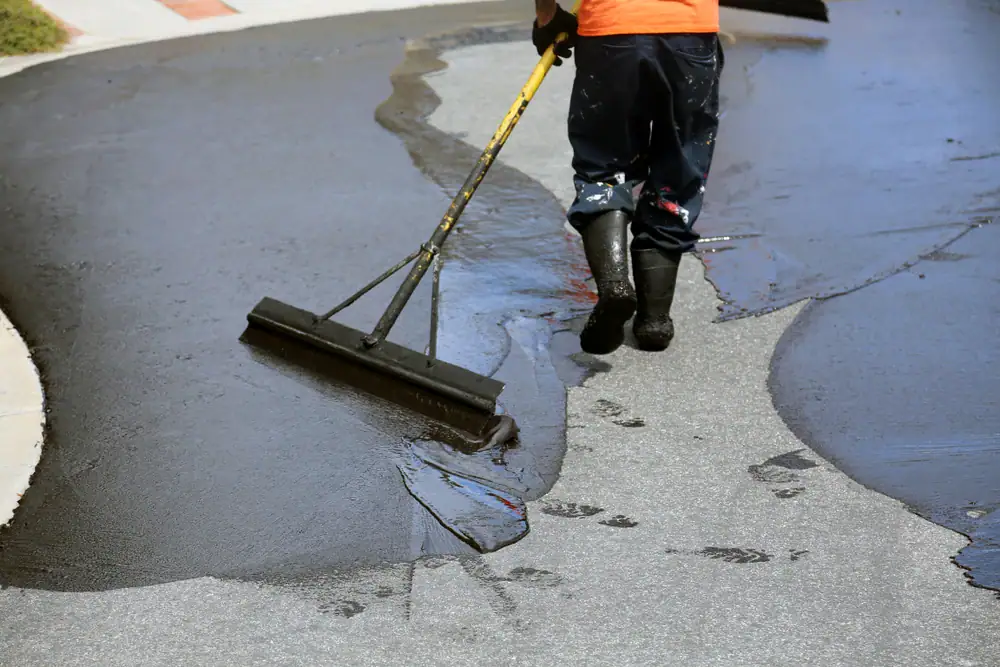
Start with a slow walk. Not a glance from the car — an actual walk along the full length of your driveway or parking lot, ideally after a dry stretch of a few days so the surface isn’t masking anything with moisture.
What you’re looking for first are cracks. Hairline cracks are normal on asphalt that’s a few years old, but they become a problem when water gets in. In Polk County, that’s not hypothetical — your driveway just spent the better part of five months getting hit with intense daily rain. Any crack that was small in May is likely wider now.
The ones that run in a connected, web-like pattern — sometimes called alligator cracking — are a sign of something deeper going on with the base layer, and those warrant a professional eye rather than a DIY patch.
Next, check your drainage. Walk the perimeter and look for areas where water pooled or eroded the edges of the surface. Polk County’s soils vary significantly. Parts of the county near Nichols and some western communities sit on clay that expands when wet and contracts when dry, which creates movement under the asphalt over time. Other areas have sandier soils that drain well but can shift if the base wasn’t compacted properly. Either way, standing water near or on your driveway is a warning sign that something about the drainage isn’t working the way it should.
Finally, look at the color and texture of the surface itself. Asphalt that’s turning gray and brittle has lost its binder to UV oxidation — a process that happens year-round in Central Florida, not just in summer. A surface like that is more vulnerable to cracking and more urgent for sealcoating than one that still looks dark and flexible.
None of this requires expertise to observe. What it does require is actually looking. Most of the homeowners and property managers who end up spending significantly more than they needed to on asphalt repairs simply didn’t catch the early signs during a window like this one.
Sealcoating gets talked about a lot in asphalt maintenance, and it deserves the attention — but it’s worth being clear about what it actually does and when it makes sense.
A sealcoat is a protective layer applied over existing asphalt. It slows UV oxidation, blocks water infiltration, and resists fuel and oil penetration. For a driveway that’s structurally sound — meaning the base is intact, there’s no widespread cracking, and the surface hasn’t completely deteriorated — sealcoating is one of the highest-return maintenance tasks you can do.
Homeowners who sealcoat on a consistent two-to-three year schedule can extend their driveway’s life by up to 20 years and cut long-term repair costs by as much as 50%. Those aren’t marketing numbers — that’s what the data from the National Asphalt Pavement Association consistently shows.
Here’s what sealcoating is not: it’s not a repair. Applying sealcoat over open cracks or structural damage doesn’t fix those problems — it hides them temporarily and often makes them worse. The right sequence is to fill cracks first, let the filler cure, clean the surface thoroughly, and then apply the sealcoat. Skipping steps here is exactly how you end up with a driveway that looks fine for six months and then fails in ways that cost significantly more to address.
In Polk County, fall is the right time to sealcoat because you’re coming out of the most damaging weather period of the year. The surface has been stressed, any existing damage is visible, and you still have months ahead before the next rainy season begins. Addressing it now means the sealcoat has time to cure properly and the surface is protected going into the following year.
If your driveway hasn’t been sealed in three or more years — or if it’s looking noticeably gray and dry — fall is the window to act. One thing to keep in mind: a new asphalt surface should receive its first sealcoat within six to twelve months of installation. If you had a driveway paved in the past year in communities like Davenport or Haines City, where new construction has been moving fast, that first sealcoat is likely due right now.
Want live answers?
Connect with a Central Florida Blacktop Paving expert for fast, friendly support.
Not everything you find during a fall inspection requires a contractor. Small cracks in otherwise sound asphalt can be monitored. A little surface discoloration isn’t an emergency. But there are specific conditions where professional asphalt services aren’t optional — they’re just a question of how soon.
Crack filling, sealcoating, and drainage corrections are the three most common fall maintenance tasks for Polk County properties. Each one addresses a different failure mode, and each one is significantly cheaper to handle now than after another year of Florida weather has had its way with it.
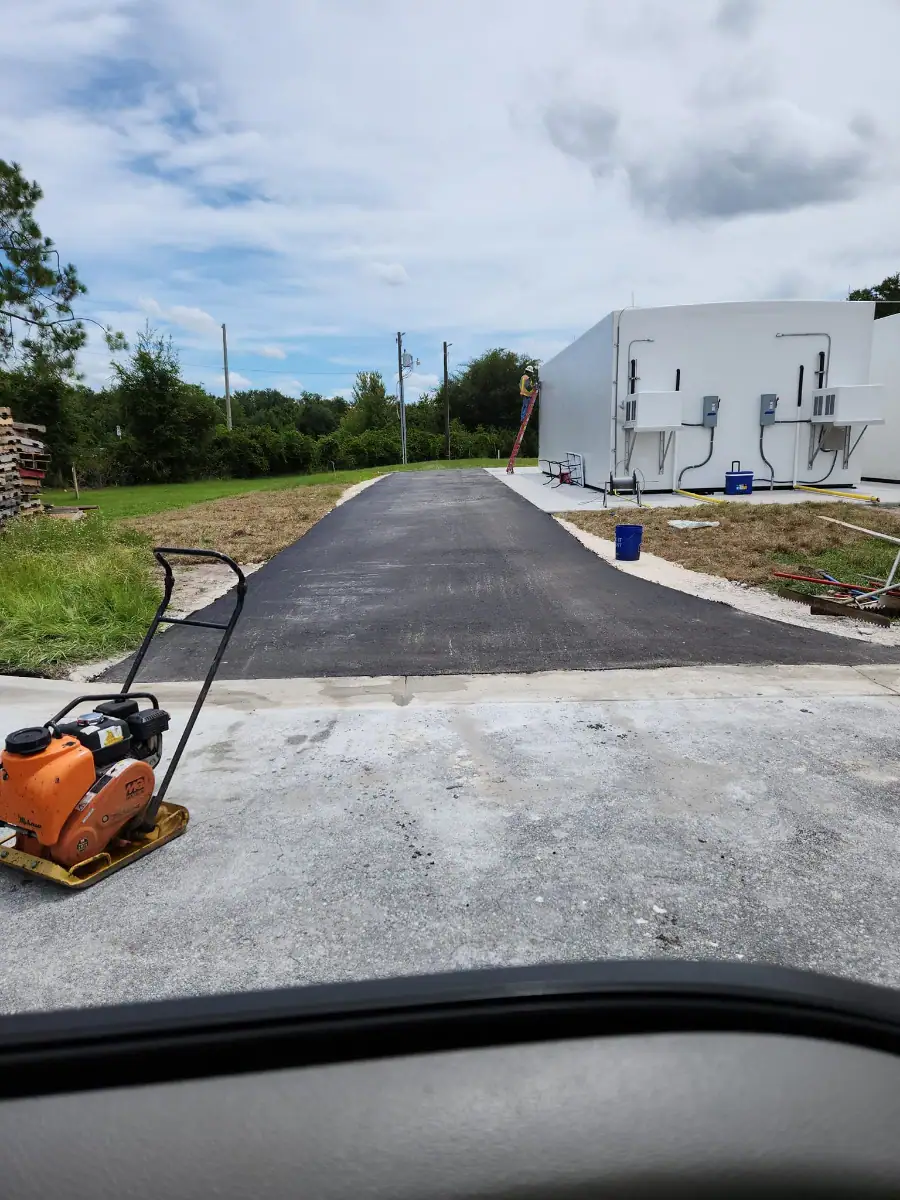
This is the question we hear most often, and it’s a fair one. The short answer is that it depends on how widespread the damage is and whether the base layer is still intact.
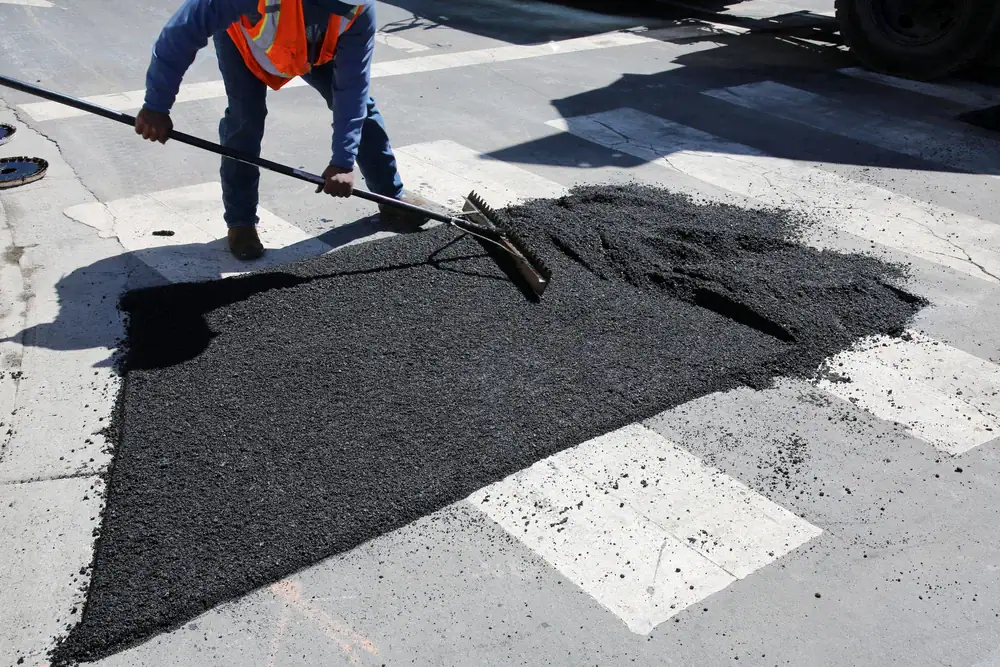
Crack filling is appropriate when you have isolated cracks — individual lines or small clusters — in a surface that’s otherwise holding up well. Cracks that are roughly a quarter inch or wider need to be filled before any sealcoat is applied. The filler stabilizes the crack, prevents water from getting into the base, and gives the sealcoat a clean surface to bond to. This is routine maintenance. It’s not a sign that your driveway is failing — it’s a sign that your driveway is aging normally and needs care.
Resurfacing is a different conversation. If you’re seeing that web-like alligator cracking pattern across a significant portion of the surface, or if sections of the driveway are sinking, soft, or separating at the edges, the issue isn’t the surface — it’s the base. Applying a new layer of asphalt over a compromised base doesn’t fix the underlying problem; it just delays the next failure. A proper resurfacing job involves assessing and addressing the base before anything goes on top.
For commercial property owners along the US-27 corridor in Davenport or in Lakeland’s industrial and retail areas, this distinction matters a lot. High-traffic parking lots take on wear differently than residential driveways, and what looks like surface cracking can sometimes be early-stage base failure caused by heavy vehicle loads. Getting a professional assessment before committing to a maintenance approach saves money and prevents the frustration of work that doesn’t hold.
The honest answer to “do I need crack filling or resurfacing” is: you need someone who knows what they’re looking at to tell you. That’s what a free consultation is for.
**How often should I sealcoat my driveway in Florida?**
Every two to three years is the standard for residential driveways in Central Florida. Because Polk County doesn’t have freeze-thaw cycles, you might assume asphalt holds up better here than in northern states — but the UV exposure is year-round and intense, and the summer rain load is significant. The oxidation that turns asphalt gray and brittle happens faster here than in most markets. Sticking to a two-to-three year sealcoating schedule is one of the simplest ways to stay ahead of that.
**Can I just use a product from the hardware store?**
For very small, isolated cracks in otherwise sound asphalt, consumer-grade crack filler can work as a temporary measure. The problem is that most homeowners apply it incorrectly — over debris-filled cracks, in the wrong temperature conditions, or in widths that the product isn’t designed to handle. Professional-grade materials and equipment produce results that last years, not months. Applying a DIY sealcoat over improperly filled cracks or a surface that hasn’t been properly cleaned creates adhesion failures that look fine for a season and then peel or crack in ways that are harder to address than the original problem.
**What’s the best time of year to do asphalt maintenance in Polk County, FL?**
Fall — specifically September through November — is the sweet spot. The rainy season has wound down, temperatures are more moderate, and the damage from summer is fully visible. Spring is also workable, but you’re heading into the rainy season rather than coming out of it, which means you have less time before the next round of weather stress. We do work year-round in Florida, which is one advantage over northern contractors, but if you’re planning ahead, fall is the window that makes the most strategic sense.
**Does my Polk County driveway need a permit for maintenance work?**
For routine maintenance — crack filling, sealcoating, resurfacing — permits are generally not required. Permits typically come into play for new driveway installations or significant expansions that connect to a public street. In those cases, Polk County permit costs typically run $50 to $200 depending on the municipality. Requirements vary between cities like Lakeland, Bartow, and Davenport, and we handle the permit research as part of our process so you don’t have to navigate that yourself.
**What if my driveway was just paved in the last year?**
New asphalt should receive its first sealcoat within six to twelve months of installation. This is especially relevant in Davenport and other fast-growing parts of Polk County where a lot of new driveways have gone in over the past few years. That first sealcoat is critical — it protects the fresh asphalt binder before UV exposure can start degrading it and sets the foundation for the maintenance cycle going forward.
Fall is the maintenance window that most Polk County property owners miss. Summer does the damage quietly — water works into cracks, UV breaks down the surface, drainage issues get worse — and by the time it’s obvious, the repair bill is bigger than it needed to be.
The checklist above isn’t complicated. Inspect the surface, identify what needs attention, and address it before another year of Central Florida weather has its way with it.
If you’re not sure what you’re looking at or you want a professional set of eyes on your driveway or parking lot before committing to anything, that’s exactly what a free consultation is for. We’ve been working with asphalt in this climate for over 40 years, and we’ve seen what Polk County’s soils, summer rains, and year-round sun do to pavement at every stage. We’ll tell you honestly what needs to happen now, what can wait, and what would be a waste of money.
Reach out to Central Florida Blacktop Paving Inc. — we’re available Monday through Friday, 9am to 5pm, and we’re happy to take a look.
Article details:
Share:
Continue learning: