Thinking about expanding your driveway in Polk County? Here's what it actually costs, when you need a permit, and how to avoid the mistakes that turn a simple project into a headache.
Share:
Summary:
Most Polk County homeowners don’t start thinking about expanding their driveway because they want to — they start because they have to. Someone’s always parked on the grass. The HOA sent a letter. A third car showed up and there’s nowhere to put it. Whatever the trigger, you’re now trying to figure out what this actually costs, whether you need a permit, and who you can trust to do it right without overcharging you. This guide answers all of that in plain terms, with specifics that actually apply to Polk County — not some generic national average that has nothing to do with your property.
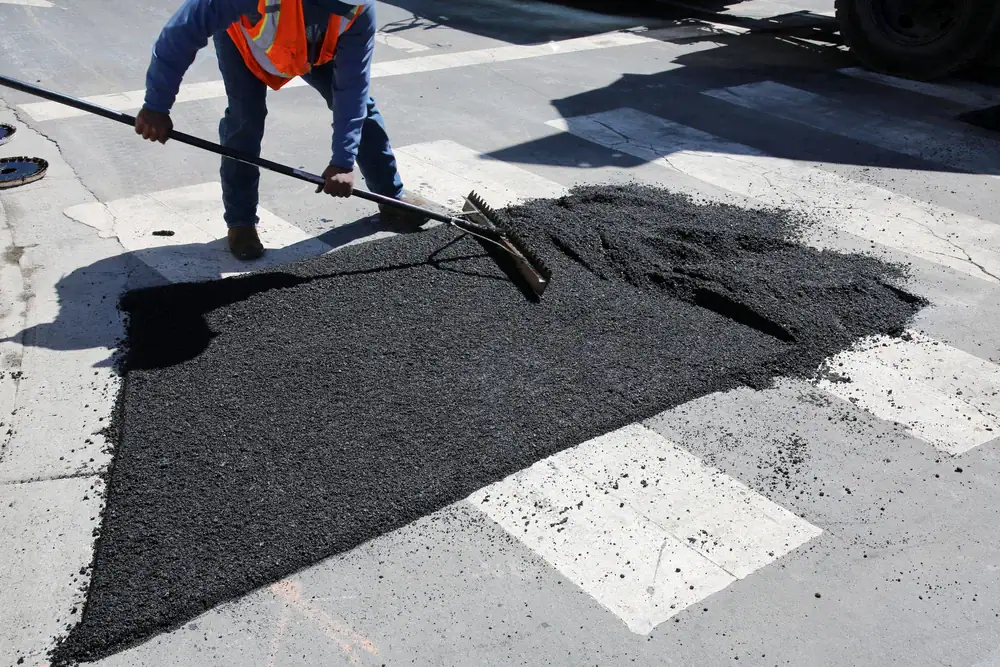
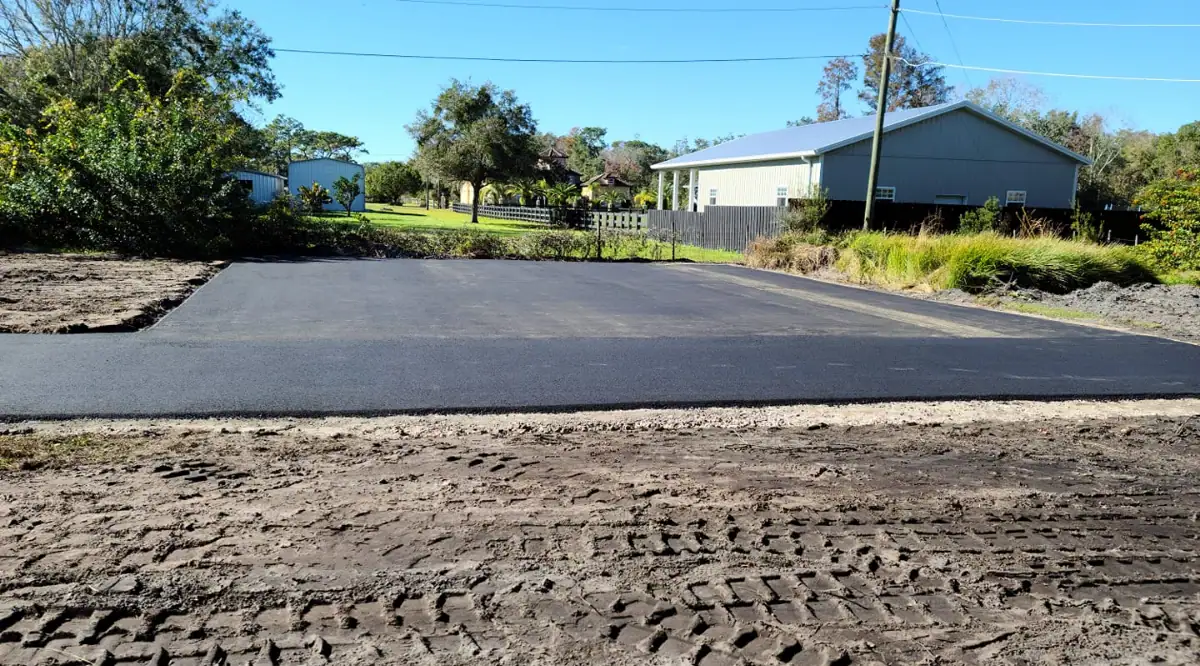
There’s more than one way to expand a driveway, and the right approach depends on your property layout, what you’re parking, and how much space you’re working with. The most common option is a simple widening — extending one or both sides of the existing driveway to accommodate a second car side by side. A standard single-car driveway runs about 9 to 12 feet wide; getting to a true two-car setup means hitting at least 20 feet.
The other common option is a parking pad — a separate paved area off the side or end of the driveway, often used for boats, RVs, or a third vehicle. In Polk County, where outdoor recreation is a way of life and a lot of households have a boat trailer or camper sitting somewhere on the property, this is one of the most frequent requests we handle. It keeps everything off the grass, off the street, and out of HOA violation territory.
The layout decisions you make before a single shovel hits the ground will affect how functional — and how long-lasting — your expanded driveway turns out to be. The first thing worth thinking through is traffic flow. How do vehicles enter, move through, and exit the space? A parking pad that looks fine on paper can create awkward three-point turns or block other vehicles in practice. Getting the geometry right upfront saves a lot of frustration.
Drainage is the other consideration that catches people off guard, especially in Polk County. This region gets over 50 inches of rain a year, and the rainy season from May through October can drop several inches in a single afternoon. Every new section of asphalt you add is impervious surface — meaning water that used to soak into the ground now has to go somewhere. If that somewhere is toward your house, your neighbor’s yard, or a low spot that turns into a pond after every storm, that’s a drainage problem that needs to be planned for before the pavement goes in, not patched around after.
Property line setbacks are also worth knowing before you start drawing up plans. In unincorporated Polk County, the standard setback from side and rear property lines is typically five feet, though this varies depending on your zoning and whether you’re inside city limits. Lakeland, Winter Haven, Davenport, and other municipalities each have their own requirements that can differ from the county’s. Getting this wrong means either tearing out pavement or dealing with a code complaint — neither of which is a good outcome when a quick check beforehand would have prevented it.
One more thing: if you’re in an HOA community — and a significant portion of Polk County is, especially along the US-27 and I-4 corridors near Champions Gate, Providence, or similar developments — you’ll likely need HOA approval before any work begins. That’s a separate process from the county permit, and it has its own timeline. We coordinate both as part of our standard process so you’re not chasing down approvals on your own.
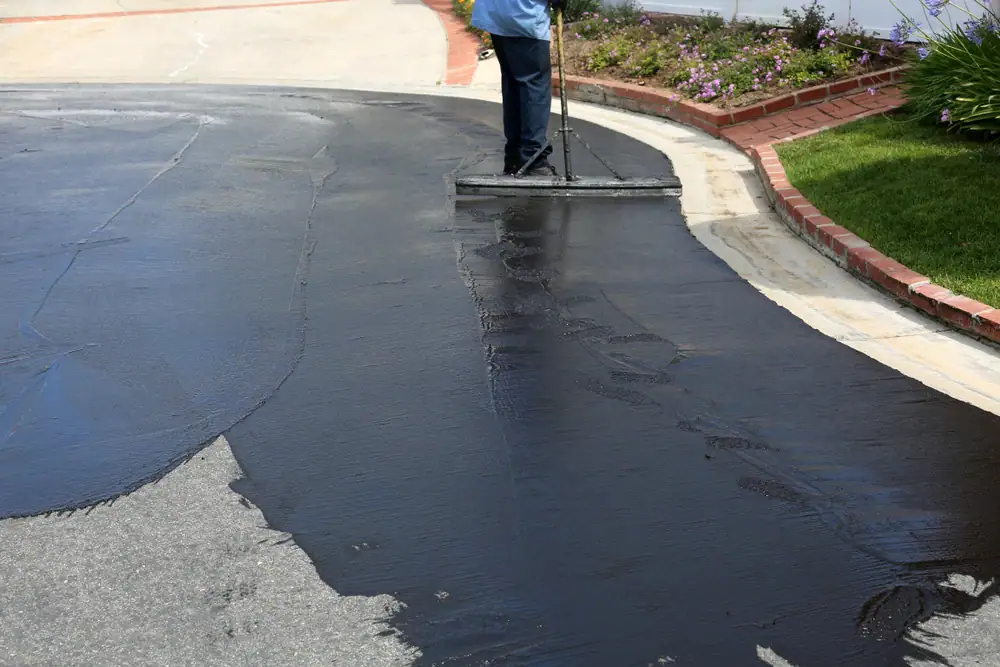
This is one of the questions we get most often, and it’s worth being upfront about: new asphalt and old asphalt don’t look the same. Fresh asphalt is deep black. Asphalt that’s been sitting in the Florida sun for a few years has oxidized to a lighter gray. When you expand an existing driveway, you’ll see that contrast at the seam — at least initially.
Over time, the new section weathers and the gap closes. Depending on sun exposure and how often you sealcoat, the color difference typically becomes less noticeable within 12 to 18 months. If you want a uniform appearance right away, the cleanest option is an overlay of the entire driveway surface after the expansion is complete — new asphalt over the old, creating a consistent color and texture across the whole thing. It costs more upfront, but it solves the matching problem entirely and adds years to the life of the original surface at the same time.
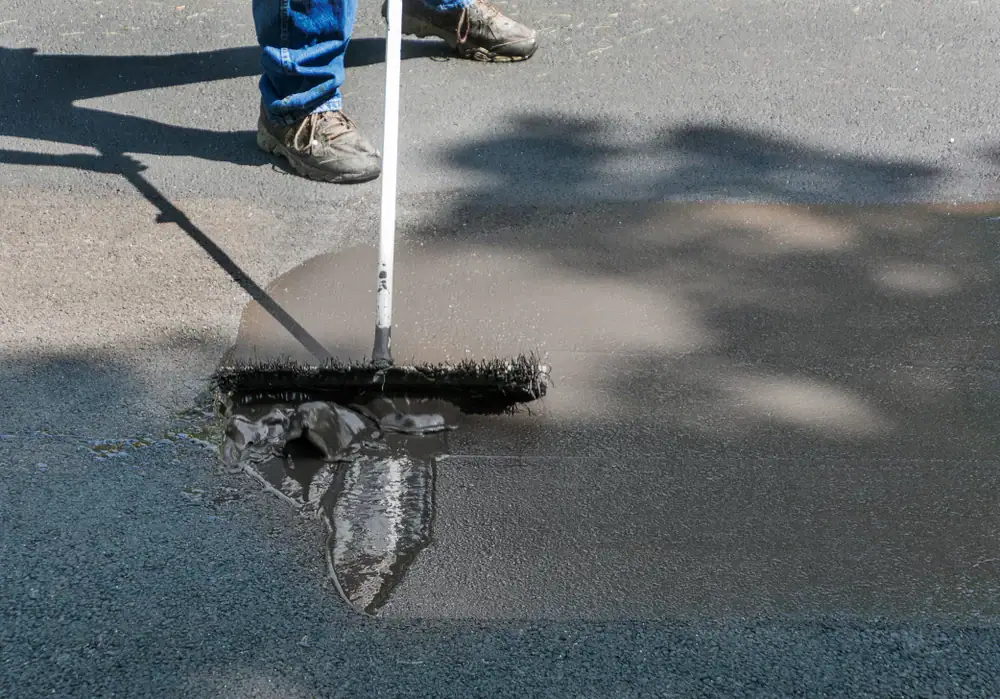
The tie-in between old and new asphalt is also a structural consideration, not just a cosmetic one. A poorly executed seam is where water infiltrates, where edge cracking starts, and where the new section eventually separates from the old. Doing it correctly means applying a tack coat at the joint, managing material temperatures carefully, and compacting the seam properly. It’s not complicated when you know what you’re doing, but it’s easy to shortcut — and those shortcuts show up within a few years. We’ve been doing this work in Polk County for over 40 years, and we’ve seen what a bad tie-in looks like five seasons later. It’s not something we cut corners on.
Want live answers?
Connect with a Central Florida Blacktop Paving expert for fast, friendly support.
Cost is usually the first question, and it deserves a real answer instead of a vague range that doesn’t help you plan. For asphalt work in Florida, you’re generally looking at $4 to $8 per square foot for the paving itself. A basic driveway extension or widening project typically runs between $800 and $3,000 depending on size and scope. A 300-square-foot parking pad addition — a common size for a single vehicle or boat trailer — usually lands somewhere between $1,500 and $5,400 once you factor in excavation, base preparation, and the paving itself.
Those numbers can shift based on a few variables: how much excavation is needed, whether the existing driveway requires any repair before the expansion ties in, how accessible the site is, and whether drainage work is part of the scope. We give transparent, written estimates before any work starts — no surprises once the crew shows up.
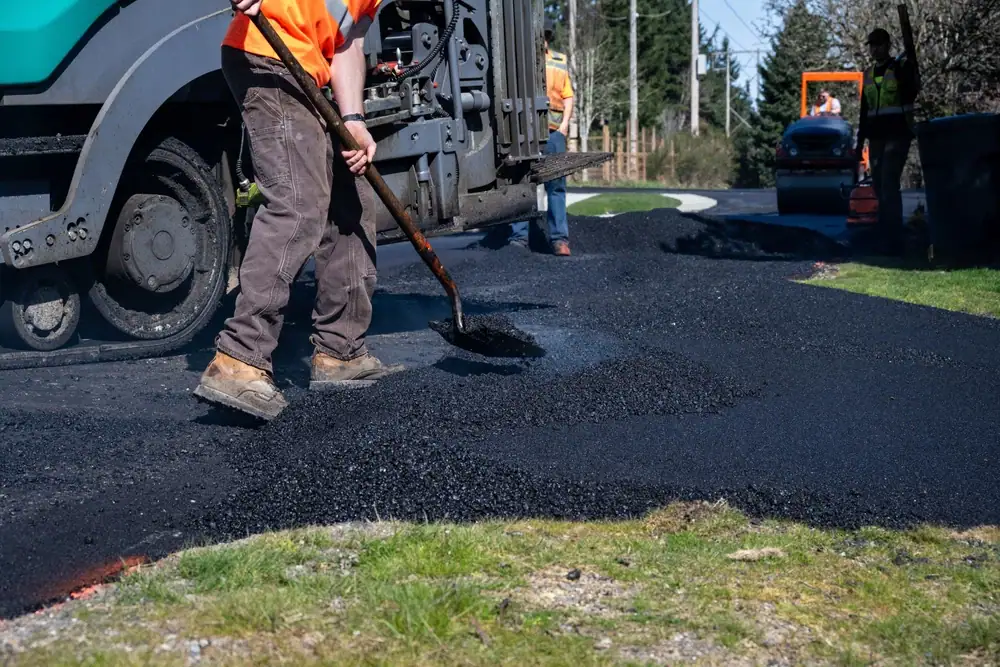
The biggest cost variable in any driveway expansion is base preparation, and it’s also the one most worth paying for. Polk County’s soils are predominantly sandy, which drains well but shifts under load without proper compaction. A base layer of four to eight inches of compacted crushed aggregate is what keeps the asphalt above it from settling, cracking, and failing within a few years. Contractors who skip or thin out the base to lower their quote are essentially handing you a future repair bill. It’s the single most common reason driveways fail prematurely, and it’s invisible until the damage is done.
The condition of your existing driveway also affects cost. If the current surface has significant cracking, soft spots, or drainage issues, those need to be addressed before the expansion ties in — otherwise you’re connecting new pavement to a failing foundation. In some cases, a full overlay of the original driveway makes more sense than a patch-and-expand approach, and that changes the budget conversation.
Permit fees are generally a smaller line item — typically $50 to $200 for projects that require them in Polk County — but they’re worth factoring in. We handle the permit application process as part of our service, so you’re not navigating the Polk County Building Division on your own or trying to figure out whether your project falls under city or county jurisdiction.
One more cost consideration: asphalt runs roughly 30 to 40 percent less than concrete for equivalent driveway work, and it actually performs better in Florida’s climate. Concrete’s rigidity makes it more vulnerable to cracking under ground movement and thermal cycling — both of which are facts of life in Central Florida. Asphalt is more flexible, easier to repair when something does go wrong, and the right material for this region.
The honest answer is: it depends on what you’re doing and where your property sits. Not every driveway expansion requires a permit, but enough of them do that it’s worth understanding the distinction before you assume you’re in the clear.
In Polk County, asphalt overlays on an existing private driveway typically don’t require a permit. But if your project involves a new expansion that connects to a public street, any work within a right-of-way, a concrete slab adjacent to a structure, or construction that falls within minimum setbacks, a permit is generally required. The Polk County Building Division handles permitting for unincorporated areas — their number is 863-534-6080, though we recommend confirming current requirements directly when your project is scoped. If your property is within Lakeland, Winter Haven, Davenport, or another incorporated city, the rules may be different, and the permit process runs through that municipality instead.
The reason permits exist isn’t just bureaucratic. They ensure the work meets code, that drainage isn’t being redirected in ways that affect neighboring properties, and that what’s built on your land is documented correctly. Unpermitted work can create complications when you sell the property, and in some cases, it can result in a requirement to remove and redo the work at your expense.
We research permit requirements for every project we take on in Polk County. If a permit is needed, we handle the application. If it isn’t, we’ll tell you that too — and explain why. You shouldn’t have to become an expert in county code just to add parking to your own driveway. That’s part of what 40 years of working in this specific market looks like in practice.
Expanding a driveway isn’t a complicated project when it’s done right — but “done right” means more than just laying asphalt. It means planning drainage before it becomes a problem, getting the base prep right the first time, handling permits correctly, and tying the new surface into the old one in a way that actually holds up over time. In Polk County’s sandy soils and heavy rain seasons, those details matter more than they would in a lot of other markets.
We’ve been doing this work across Polk County — Lakeland, Winter Haven, Davenport, Haines City, Auburndale, and everywhere in between — for over four decades. We specialize exclusively in asphalt, we handle permits and HOA coordination as part of our standard process, and every project gets direct communication with the owner, not a sales rep who disappears after the estimate.
If you’re ready to stop guessing at costs and start getting real answers for your specific property, reach out to Central Florida Blacktop Paving Inc. for a free consultation. No obligation, no pressure — just a straight conversation about what your project actually involves and what it will cost.
Article details:
Share:
Continue learning: