Your complete guide to protecting Polk County asphalt from Florida's harsh climate through professional sealcoating timing, benefits, and best practices.
Share:
Summary:
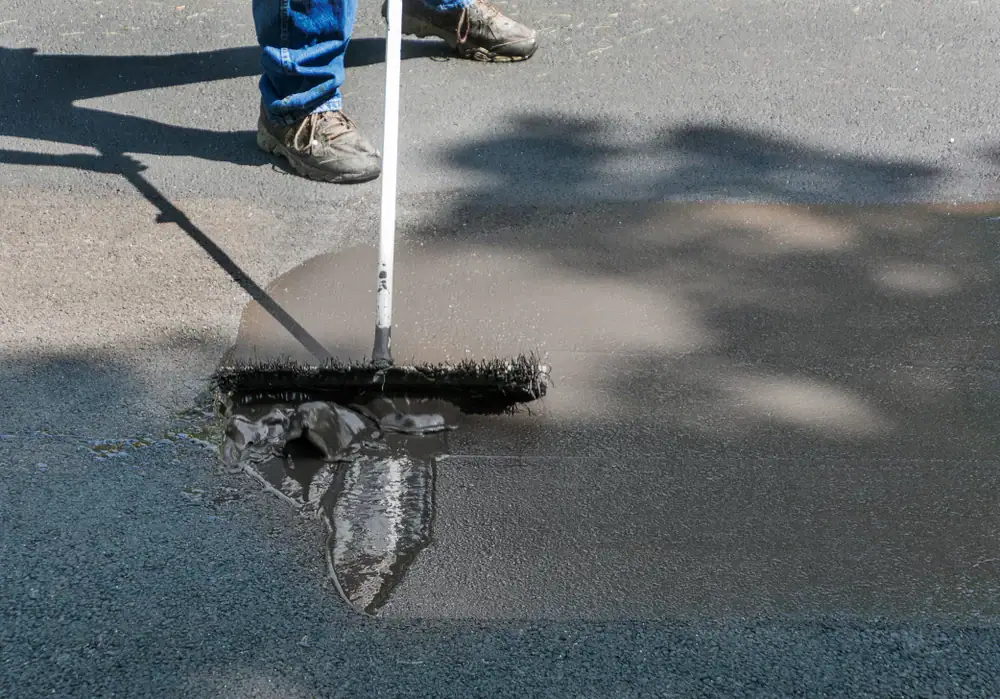
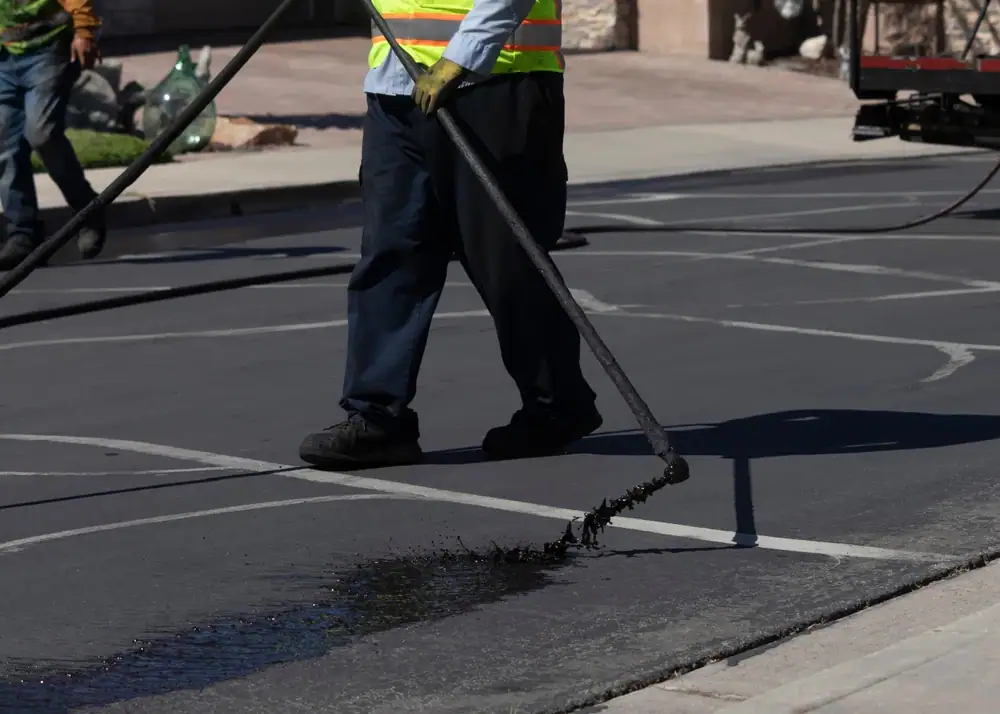
Sealcoating isn’t just black paint. It’s a specialized protective coating that shields your asphalt from water damage, UV rays, and chemical spills. Think of it as sunscreen for your parking lot.
In Florida’s intense climate, unprotected asphalt deteriorates fast. Sealcoating creates a waterproof barrier that prevents costly damage before it starts. The process involves applying a liquid coating that penetrates the surface and forms a protective layer against the elements that cause premature aging.
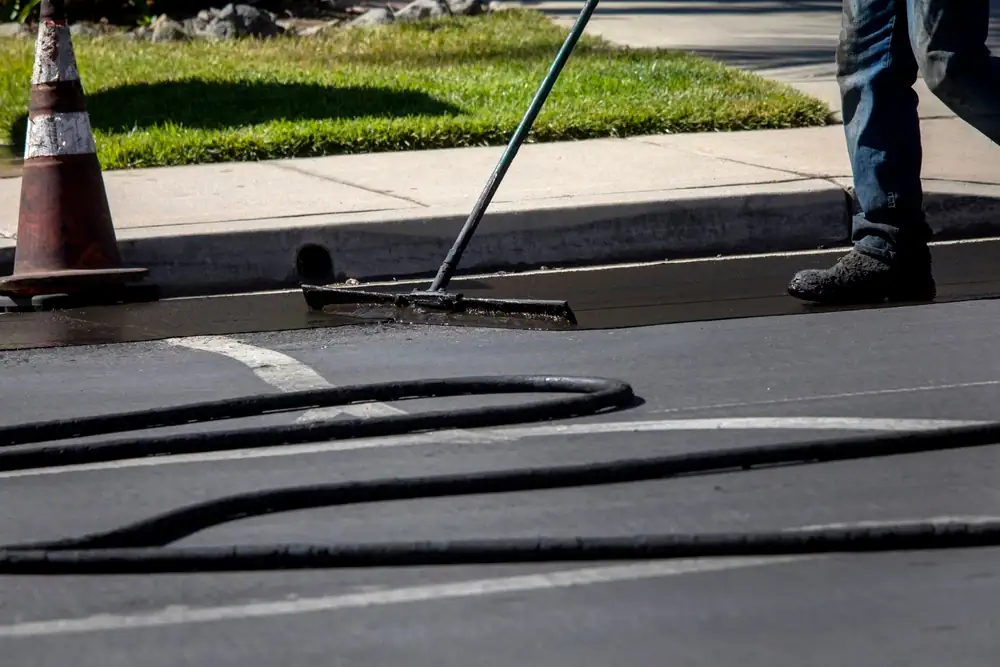
Central Florida’s combination of intense UV rays, heavy rainfall, and high temperatures creates the perfect storm for asphalt damage. What starts as minor surface oxidation quickly becomes expensive structural problems.
Ultraviolet rays from the sun break down the components of pavement, including the binders and aggregate. Just as sunscreen shields our skin from the sun’s rays, a sealcoat protects the asphalt from harmful UV rays. This UV damage makes your asphalt brittle and prone to cracking.
Florida is notorious for rain, so it’s even more critical to prevent erosion, cracking, softened pavement, or other water damage. When water penetrates through cracks, it reaches the foundation and creates soft spots that lead to potholes and structural failure.
Your asphalt is vulnerable to damage from oil, gas, and other chemical spills because these substances dissolve the bitumen that binds the aggregates together. Since asphalt is porous, the chemicals can seep deep into the underlayers, causing long-term damage in industrial areas where chemical spills are more likely.
The combination of these factors means unprotected asphalt in Polk County, FL deteriorates much faster than in northern climates, making regular maintenance absolutely critical for protecting your investment.
Without the protective barrier of sealcoating, your parking lot becomes susceptible to premature deterioration, cracks, and potholes. This vulnerability can accelerate the aging process, leading to costly repairs.
Professional sealcoating costs about 5-10% of the price of a full asphalt replacement. To pave an asphalt parking lot, it’s $3-$6 per square foot on average. Compare that to sealcoating costs of just pennies per square foot, and the math becomes crystal clear.
You avoid emergency repairs and the business disruption that comes with them. Emergency asphalt repairs often happen at the worst possible times, forcing you to close sections of your parking lot during busy periods and potentially losing customers who can’t access your business.
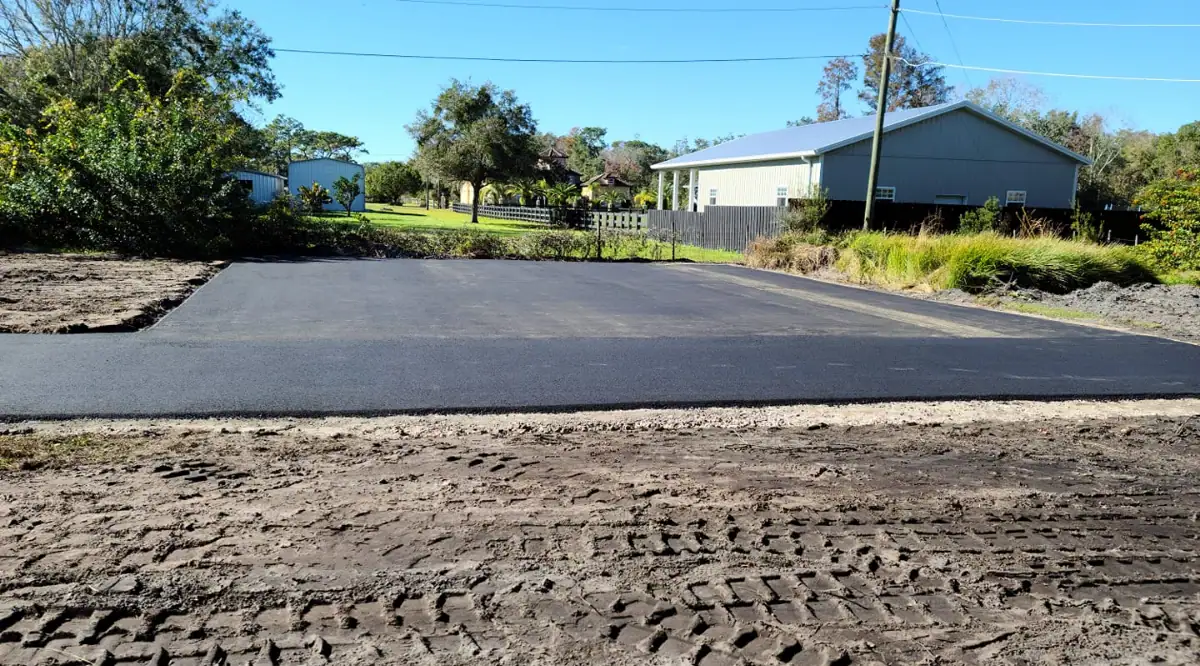
Your parking lot stays dark and uniform instead of turning gray and patchy. Water runs off instead of seeping through cracks and weakening your foundation. This maintains your professional appearance and prevents the embarrassment of customers having to navigate around potholes and deteriorated pavement.
The long-term financial impact extends beyond repair costs. Deteriorated asphalt reduces property values and creates liability issues if customers are injured by uneven surfaces or potholes.
Want live answers?
Connect with a Central Florida Blacktop Paving expert for fast, friendly support.
In Florida’s climate, we recommend sealcoating every 2-3 years for optimal protection. The intense sun, heavy rainfall, and high temperatures accelerate asphalt aging compared to northern climates.
Regular sealcoating prevents minor issues from becoming major expenses. High-traffic areas may need attention more frequently, while low-traffic surfaces can sometimes go longer between applications. Your specific schedule depends on factors like traffic volume, exposure to chemicals, and overall pavement condition.
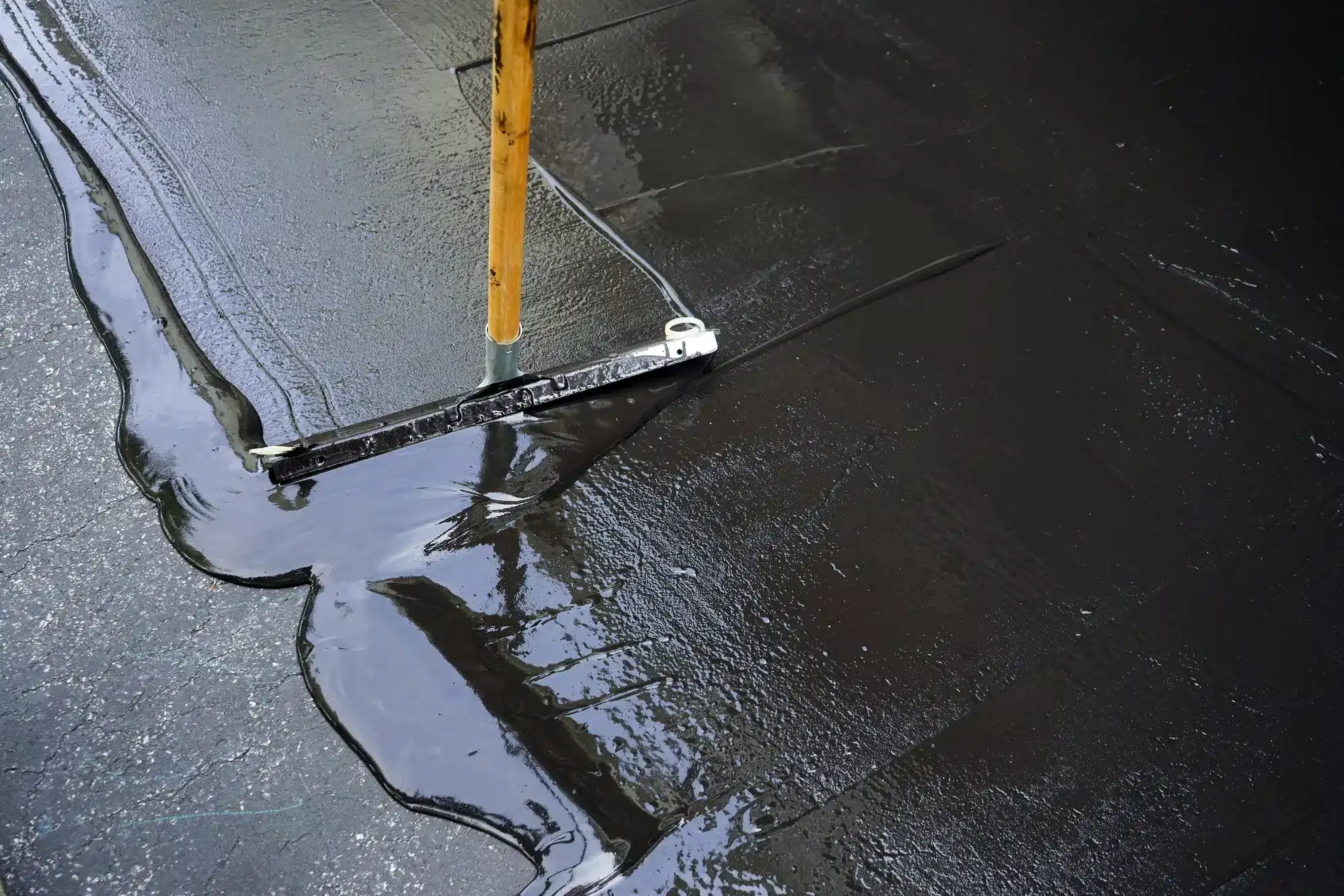
In states such as Florida, asphalt sealcoating can be performed 12 months a year. However, high humidity in the summer can cause curing issues with pavement sealer in the middle of the summer.
The ideal conditions for sealcoating include temperatures above 50°F, dry weather, and low humidity. In Florida’s warm climate, sealcoating typically dries to the touch in 3-4 hours and is ready for foot traffic. However, we recommend waiting 24-48 hours before allowing vehicles back on the surface. Full curing takes several days.
Weather conditions affect timing – high humidity or cooler temperatures can extend drying time. We provide specific guidance based on conditions and schedule the work to minimize disruption to your business operations.
Spring and fall often provide the most consistent weather conditions for sealcoating projects. These seasons typically offer moderate temperatures and lower humidity levels that allow for proper curing without the complications of summer thunderstorms or occasional winter cold snaps.
Planning ahead is crucial for commercial properties. Schedule your sealcoating during slower business periods when reduced parking availability won’t significantly impact operations.
Water that soaks into the asphalt rather than beading on the surface indicates the previous sealcoat has worn away. These signs are particularly important to monitor in Orlando’s climate, where UV exposure and moisture can accelerate asphalt deterioration.
Your asphalt is ready for sealcoating when you notice the surface has faded from deep black to gray. Small cracks beginning to appear signal that the protective layer has worn thin and water is starting to penetrate the surface.
Minor cracks and surface imperfections can be repaired as part of the sealcoating process. We fill cracks, patch small holes, and address surface issues before applying the sealcoat. This comprehensive approach ensures maximum protection and longevity.
Oil stains that penetrate deeply into the asphalt instead of sitting on the surface indicate that the protective barrier has deteriorated. Fresh sealcoating creates a non-porous surface that makes oil cleanup much easier and prevents permanent staining.
Don’t wait until major damage appears. Preventive sealcoating is far more cost-effective than waiting until minor issues become major problems that require expensive repairs or replacement.
Proper sealcoating starts with thorough surface preparation. We clean the entire area, fill cracks, repair damage, and ensure optimal adhesion. Cutting corners here means premature failure.
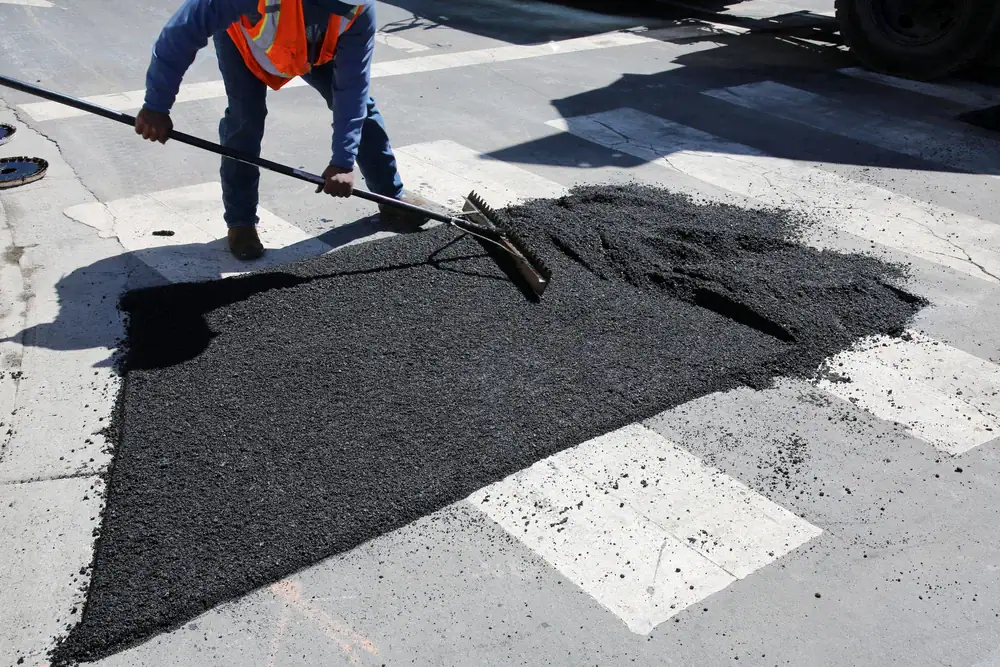
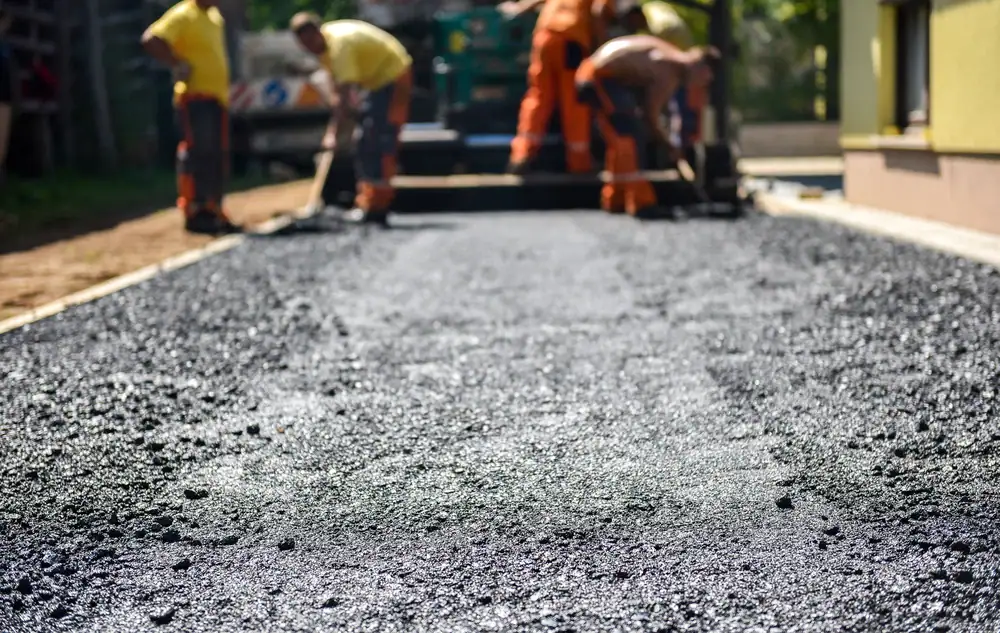
Our professional application process involves removing debris, dirt, and vegetation from the surface, cleaning the pavement thoroughly, and filling and repairing any cracks, potholes, or damaged areas. It’s essential to address these issues before sealcoating to prevent moisture from penetrating the substructure.
At Central Florida Blacktop Paving Inc., we understand that preparation makes the difference between a sealcoating job that lasts years and one that fails prematurely. When you choose us, you’re getting contractors who understand these critical details and deliver results that protect your investment for the long term.
Article details:
Share:
Continue learning: