Skipping sealcoating doesn't save money — it delays a much bigger bill. Here's what Polk County property owners need to know before the damage adds up.
Share:
Summary:
Your parking lot takes a beating every single day. In Polk County, that means intense UV exposure, 50-plus inches of rain a year, and summer temperatures that regularly push past 95°F — all working against your asphalt from the moment it’s laid. Most property owners don’t think much about their parking lot until the cracks get bad enough to notice, or a customer says something. By then, the damage is already compounding. This guide walks through why regular parking lot sealing is less of an expense and more of a cost-avoidance strategy — and what the numbers actually look like when you run them.
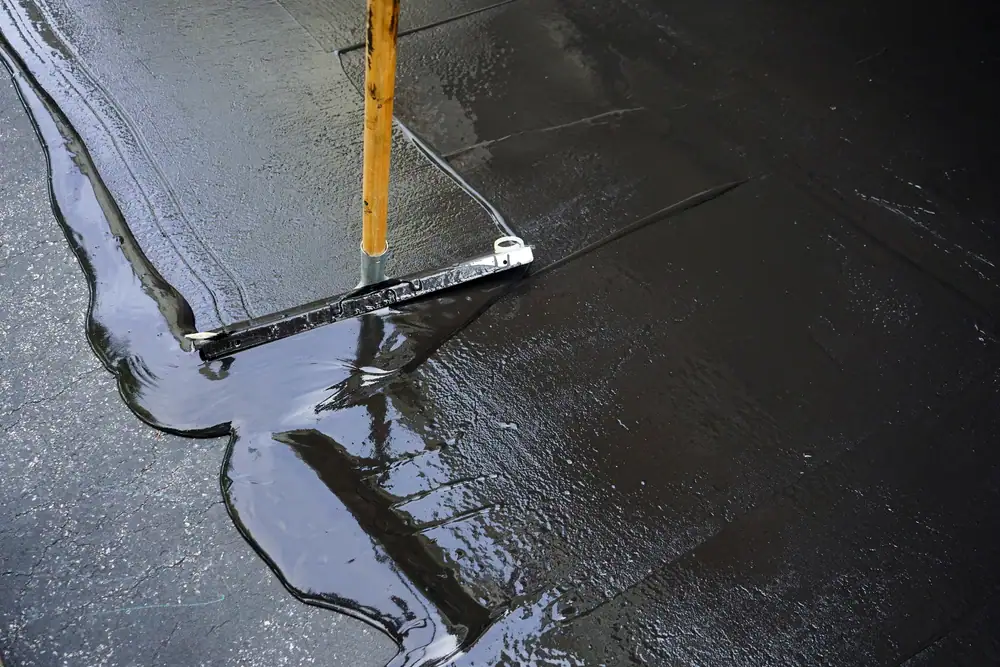
Sealcoating is often written off as a cosmetic service — something you do to make a lot look fresh before a big tenant moves in. That’s a misunderstanding that costs property owners real money. The primary job of a sealcoat is protective: it creates a barrier against UV oxidation, water infiltration, and chemical penetration from oil and fuel spills.
Without that barrier, asphalt starts breaking down from the surface inward. UV rays oxidize the binder that holds the aggregate together, turning the surface gray and brittle. Once that happens, water finds its way into surface cracks, works its way down to the base, and the structural damage begins. What started as surface wear becomes a base failure — and base failures don’t get fixed with a can of sealcoat.
The cosmetic improvement — that clean, dark surface with crisp new lines — is real, and it matters for first impressions. But it’s a side effect of the protection, not the point of it.
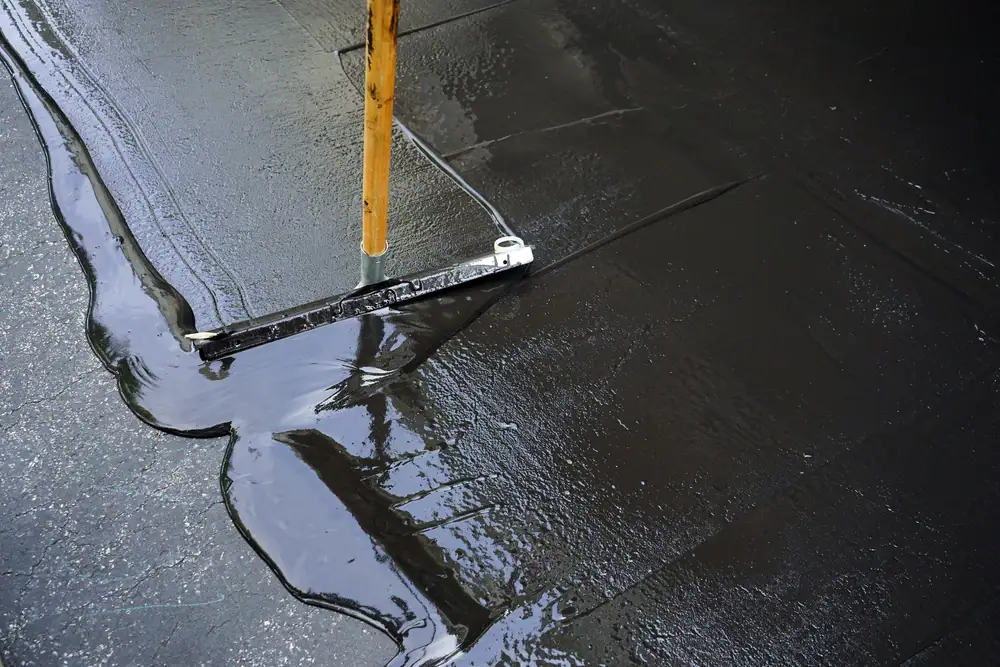
A properly executed commercial sealcoating job is more involved than most property owners realize — and that’s exactly why the quality gap between contractors is so wide.
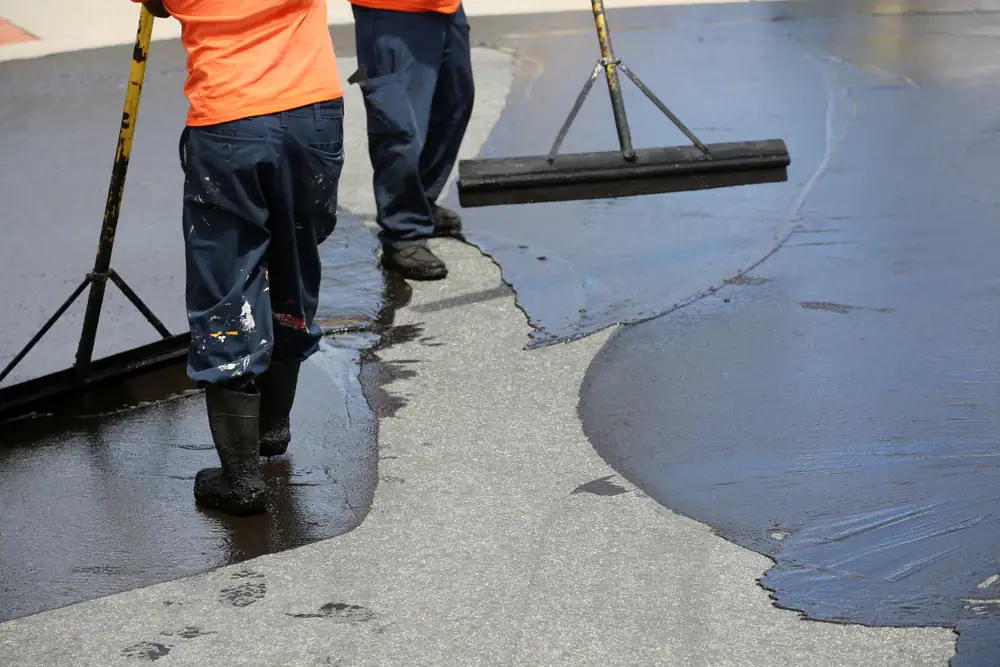
It starts with surface preparation. The lot has to be clean — blown out, swept, and pressure washed where needed. Any existing cracks need to be filled before a drop of sealer goes down. Skipping this step is the most common shortcut in the industry, and it’s why some lots look great in October and are peeling by March. Sealant poured over dirty or cracked surfaces doesn’t bond properly. It looks fine at first, then fails fast.
Once the surface is prepped, a commercial lot gets a two-coat application — not one. The first coat penetrates the asphalt pores and bonds to the surface. The second coat seals over it and provides the durable, weather-resistant finish. Single-coat jobs are cheaper to execute, which is why some contractors default to them, but they don’t hold up under the kind of traffic a commercial lot sees daily.
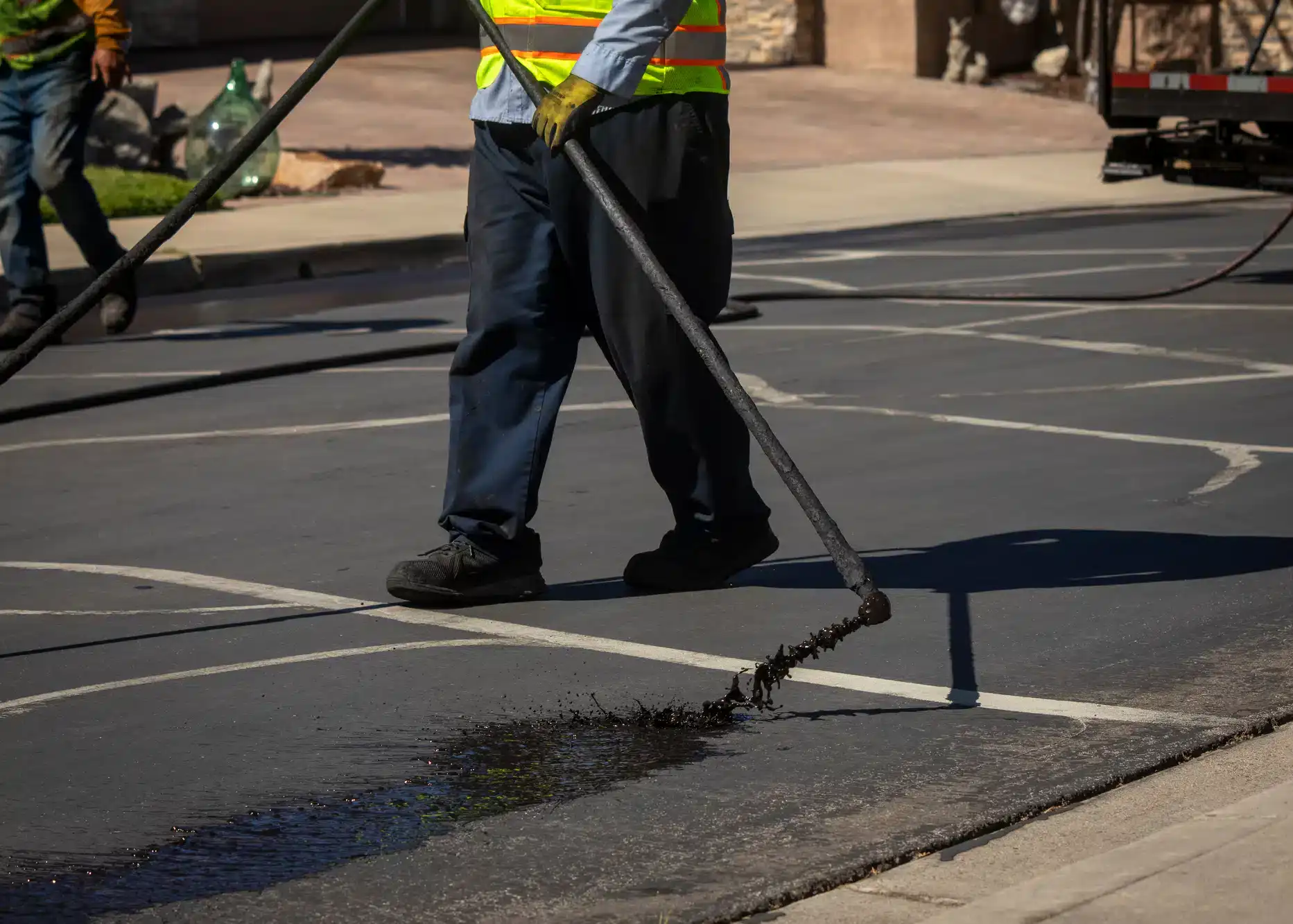
Application method matters too. We use both squeegee and spray methods depending on the surface condition and coverage needed. Equipment quality plays a direct role here — proper tank agitation keeps the sealant evenly mixed throughout the job, which affects coverage consistency and how the finished surface holds up over time. Our state-of-the-art equipment makes a difference in the finished product and how long it lasts.
In Florida’s heat, the surface dries faster than in most markets — sometimes within an hour or two. But surface dry and fully cured are not the same thing. Full cure for vehicle traffic typically takes 24 to 48 hours. A contractor who rushes that window to move on to the next job is cutting corners at your expense.
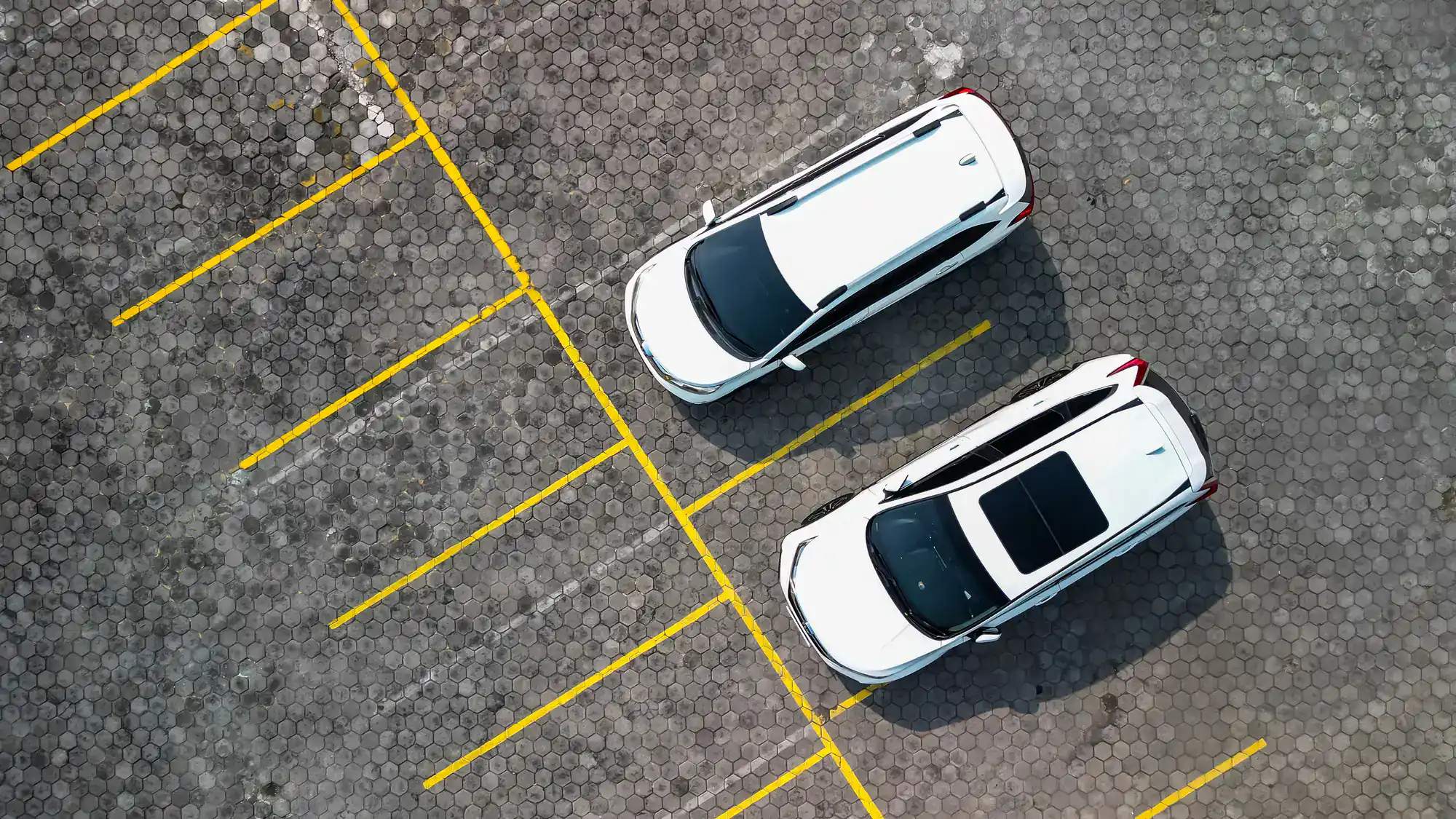
After sealing, re-striping is not optional for commercial properties. The new black surface makes any remaining old lines nearly invisible, and ADA-compliant markings — handicap spaces, access aisles, fire lanes — are legally required to be clearly visible. We handle sealing and striping together so you’re not coordinating two separate vendors or ending up with a freshly sealed lot that’s still out of compliance.
This is the question that tends to shift the conversation. Professional sealcoating for a commercial lot runs between $0.15 and $0.30 per square foot. A 10,000-square-foot parking lot — a modest strip mall or medical office lot — typically costs between $1,500 and $3,000 to seal properly.
Resurfacing that same lot runs $3 to $7 per square foot. Full replacement lands at $8 to $15 per square foot. Those aren’t hypothetical numbers — that’s what Polk County property owners are paying when deferred maintenance catches up with them.
The Pavement Coatings Technology Council ran the numbers on 12-year total maintenance costs and found that sealed commercial pavement costs approximately $0.39 per square foot over that period. Unsealed pavement costs $1.76 per square foot. For a 20,000-square-foot lot, that’s the difference between spending around $7,800 and $35,200 over the same 12 years. The math isn’t subtle.
The other side of the equation is lifespan. Without regular maintenance, commercial asphalt typically needs replacement within 10 to 15 years. With a consistent sealcoating program every two to three years, that same surface can last 20 to 25 years. You’re not just delaying a cost — you’re potentially cutting the number of replacement cycles your property ever needs.
There’s also the liability angle. Cracked, deteriorated pavement creates trip hazards, and properties with sealed surfaces see roughly 22% fewer insurance claims related to those hazards. That’s not a minor footnote when you’re managing a property with daily foot traffic.
The honest case for sealcoating isn’t that it’s cheap — it’s that skipping it is far more expensive. Every year you wait past the right maintenance window is a year the damage compounds, the repair scope grows, and the cost of getting back to a good surface goes up.
Want live answers?
Connect with a Central Florida Blacktop Paving expert for fast, friendly support.
One of the most common reasons commercial property owners put off sealcoating is simple: they don’t want to close their parking lot. It’s a legitimate concern. If your lot serves a restaurant, a medical office, or a retail center, shutting it down for two days isn’t a neutral decision — it affects customers, tenants, and revenue.
The good news is that a well-planned commercial sealing project doesn’t require closing your lot. Phased application is standard practice for commercial properties — we seal half the lot while the other half stays open, then switch. With Florida’s heat accelerating surface dry times, the logistics are more manageable here than in most markets. Early morning start times and weekend scheduling are both options we work with regularly for Polk County businesses.
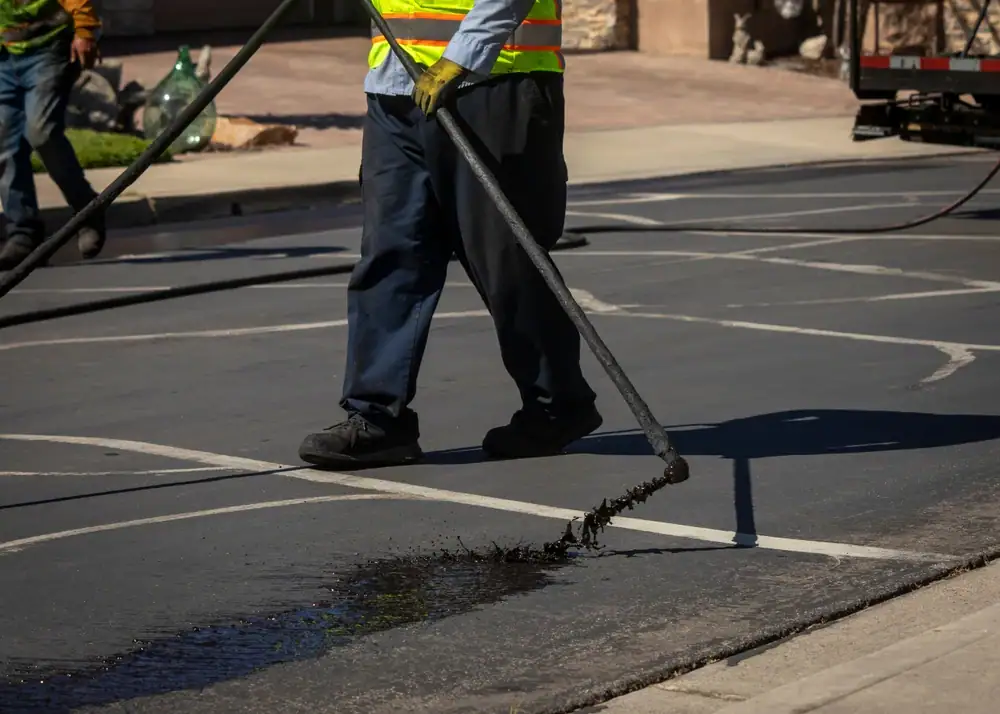
Most of the general guidance you’ll find online about sealcoating frequency is written for northern climates. The standard recommendation of every three to five years doesn’t translate directly to Polk County, where the conditions are harder on asphalt year-round.
The UV exposure here is relentless. Florida receives more annual solar radiation than almost anywhere else in the country, and Polk County’s geography — sitting in the middle of the state with minimal coastal cloud cover — means full sun on your lot for most of the year. UV oxidation is the primary driver of asphalt deterioration, and it works faster here than it does in Atlanta or Charlotte.
Then there’s the rain. Lakeland and the surrounding Polk County area average over 50 inches of rainfall annually, with the bulk of it compressed into the June-through-September rainy season. Those afternoon thunderstorms are intense and frequent, and every drop that finds a crack in an unsealed surface is working its way toward the base. The combination of heavy rain and Polk County’s sandy soils — particularly around Lakeland — means water moves quickly and drainage behavior can be unpredictable. Properties near former phosphate mining areas face additional soil stability considerations that affect how asphalt performs under load.
For most commercial lots in Polk County, a two-year sealing cycle is realistic for high-traffic surfaces. Lower-traffic lots can stretch to three years. The key is not waiting until the damage is visible — by the time you can see significant cracking or surface oxidation, you’ve already missed the optimal maintenance window. Sealcoating protects a structurally sound surface. It doesn’t reverse one that’s already failing.
We’ve been working in Polk County’s specific conditions for over 40 years. That’s four decades of working in Lakeland, Winter Haven, Davenport, Haines City, Auburndale, and the surrounding communities, learning how the soils, drainage patterns, and weather here actually behave. That local knowledge shapes how we approach every job, from product selection to scheduling to how we handle drainage around the lot perimeter.
A few questions come up consistently when we’re talking through a commercial sealing project with a property owner or manager. Here’s how we answer them honestly.
**How long before I can reopen the lot to traffic?** Surface dry in Florida’s heat typically happens within one to two hours. Full cure for vehicle traffic is 24 to 48 hours. With phased application, you’re usually able to maintain partial access throughout the project rather than shutting everything down at once.
**Does sealing include re-striping?** Not automatically — it’s a separate service, but we strongly recommend doing both together. Once the new sealcoat goes down, old stripe lines disappear into the dark surface. ADA-compliant markings have to be clearly visible by law. Doing both in a single mobilization is more cost-efficient and ensures the finished lot looks and functions the way it should.
**When is the best time of year to seal in Polk County?** The optimal window is October through May, when humidity is lower and the afternoon storm pattern is less frequent. That said, Florida’s mild winters mean we operate year-round. If your lot needs attention in July, we work around the weather — scheduling early morning applications before the heat peaks and monitoring conditions closely. This year-round availability matters for Polk County commercial clients who can’t always wait for a specific season to line up with their budget cycle or tenant schedules.
**How do I know if my lot needs sealing or something more?** If the surface is structurally sound — no significant base failures, no large sections of crumbling asphalt — sealcoating is likely the right call. If you’re seeing widespread cracking, potholes, or areas where the base has clearly shifted, you may be looking at resurfacing or targeted patching before sealing makes sense. We’ll tell you which one your lot actually needs, not just the one that’s easier to sell.
**What should I look for in a sealcoating contractor?** Verify state licensing and insurance — Florida law requires it for commercial paving work, and unlicensed contractors leave you exposed. Ask about surface prep process, sealant type and solids content, and whether they apply two coats on commercial surfaces. Get a written scope before anything starts.
If your parking lot is in reasonable shape right now, sealing it is one of the most cost-effective maintenance decisions you can make. The cost-per-square-foot comparison between preventive sealing and eventual resurfacing or replacement isn’t close — and in Polk County’s climate, the window between “needs sealing” and “needs something more expensive” closes faster than most property owners expect.
The businesses and property managers who get the most out of their asphalt aren’t the ones who react to damage — they’re the ones who stay ahead of it. A consistent maintenance schedule, the right products for Florida’s conditions, and a contractor who actually knows this county’s soils and weather make a real difference in how long your pavement lasts and what it costs you over time.
If you’re ready to take a look at where your lot stands, we offer free consultations with transparent pricing — no pressure, no vague estimates. Reach out and let’s talk through what your property actually needs.
Article details:
Share:
Continue learning: