Asphalt resurfacing restores worn surfaces at a fraction of replacement costs. Discover when resurfacing works, the process involved, and how to decide what your pavement needs.
Share:
Summary:
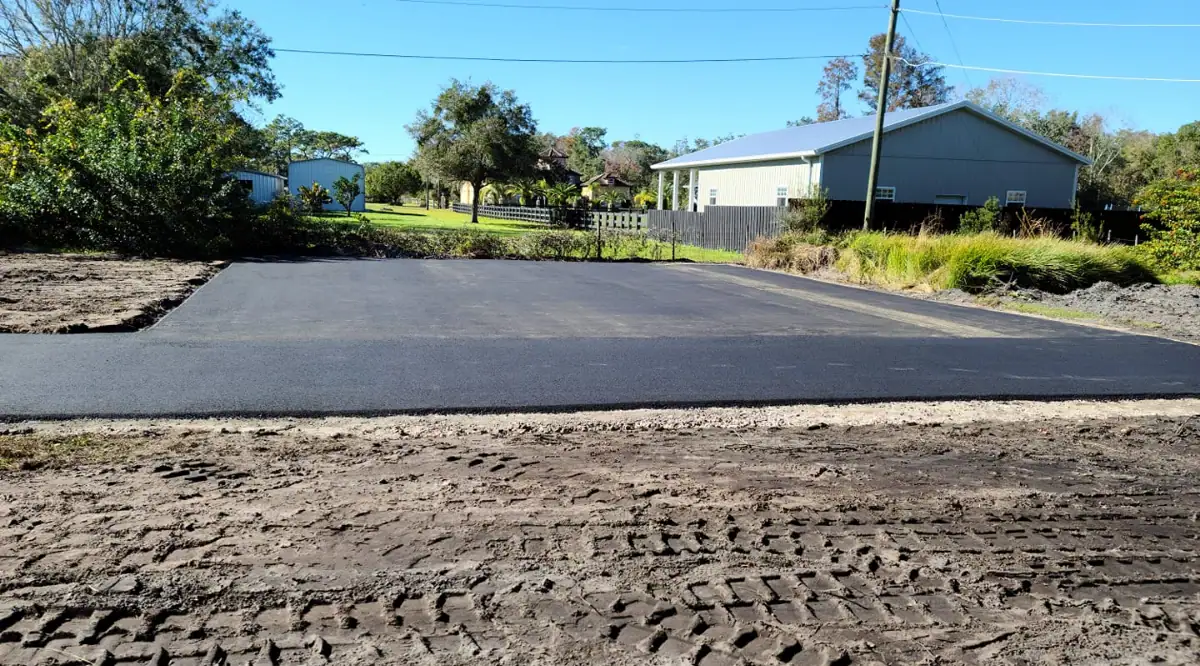
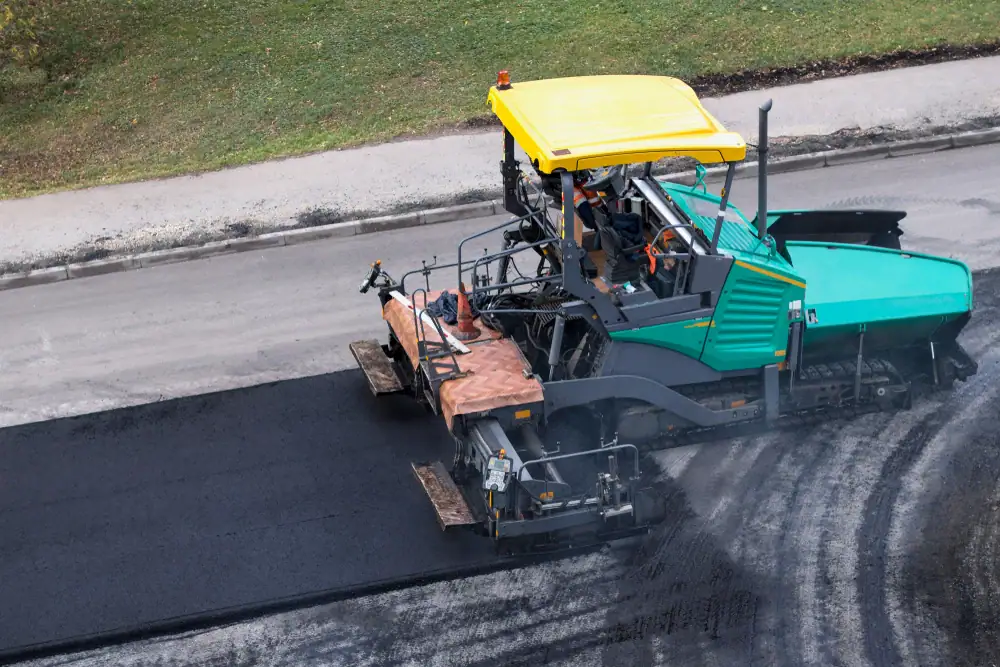
Asphalt resurfacing is the process of applying a fresh layer of asphalt over your existing pavement. Think of it as adding a new top coat instead of rebuilding from the ground up. The old surface stays in place as the base, and a new layer—usually 1.5 to 2 inches thick—goes on top to restore smoothness and durability.
This isn’t the same as patching a few cracks or slapping on sealcoat. Resurfacing replaces the entire top layer, which means you’re getting a brand-new driving surface without the expense or disruption of full replacement. It’s also called an overlay, and it works best when the foundation underneath is still in good shape but the surface itself has deteriorated from age, weather, or traffic.
The key advantage is cost. Resurfacing typically runs 30 to 50 percent less than complete reconstruction because you’re not excavating the base or hauling away tons of old material. You’re building on what’s already there, which saves time, labor, and money while still giving you a smooth, functional surface that can last another 8 to 15 years with proper care.
The resurfacing process starts with a thorough inspection. We evaluate your pavement to make sure the base layer is structurally sound and that resurfacing will actually solve the problem. If the foundation has failed or there’s widespread structural damage, resurfacing won’t help—you’d need full replacement instead.
Once the surface is cleared for resurfacing, we clean the entire area. Debris, dirt, and loose material get removed so the new asphalt can bond properly to the old layer. Any existing cracks or potholes are filled and repaired at this stage. Skipping this step leads to problems later because imperfections in the old surface will eventually show through the new layer.
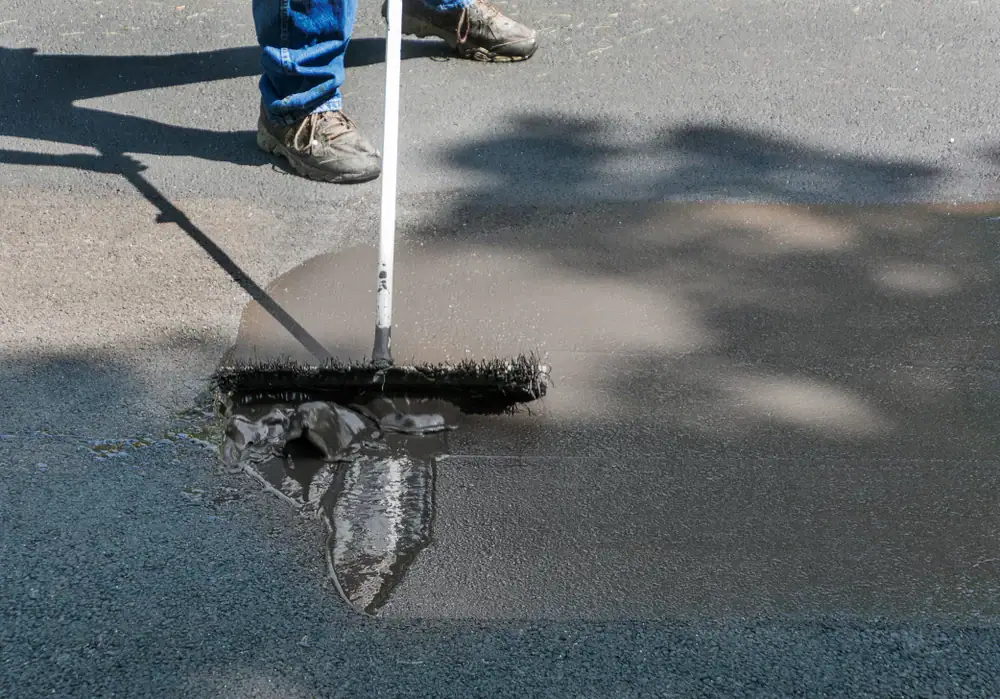
Next comes the application of a tack coat. This is a sticky liquid asphalt emulsion that acts like glue between the old surface and the new layer. It ensures a strong bond so the overlay doesn’t separate or shift over time. Without it, you’re basically laying new asphalt on top of old asphalt with nothing holding them together.
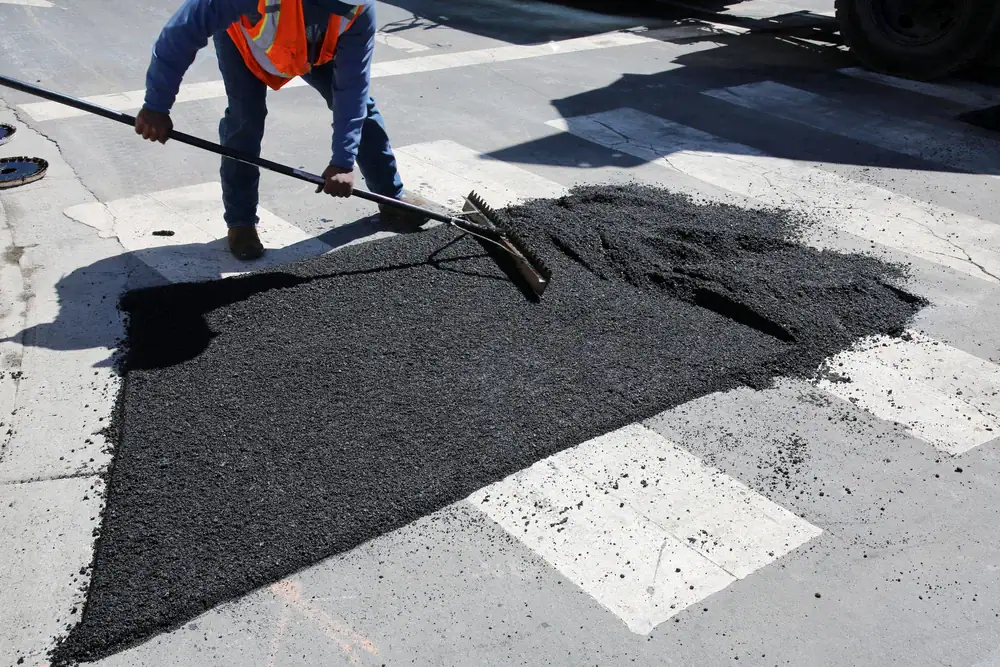
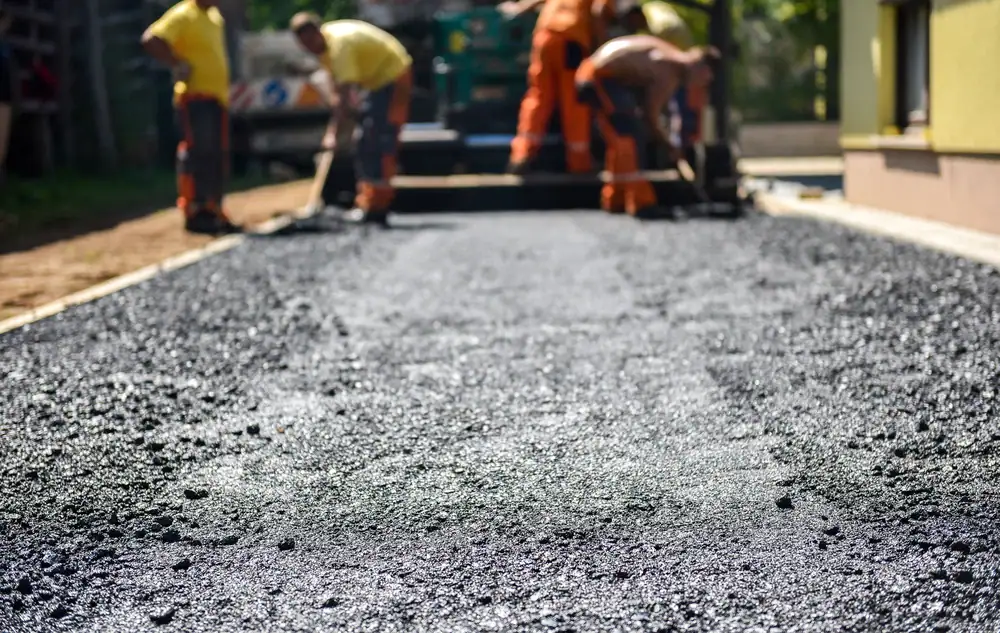
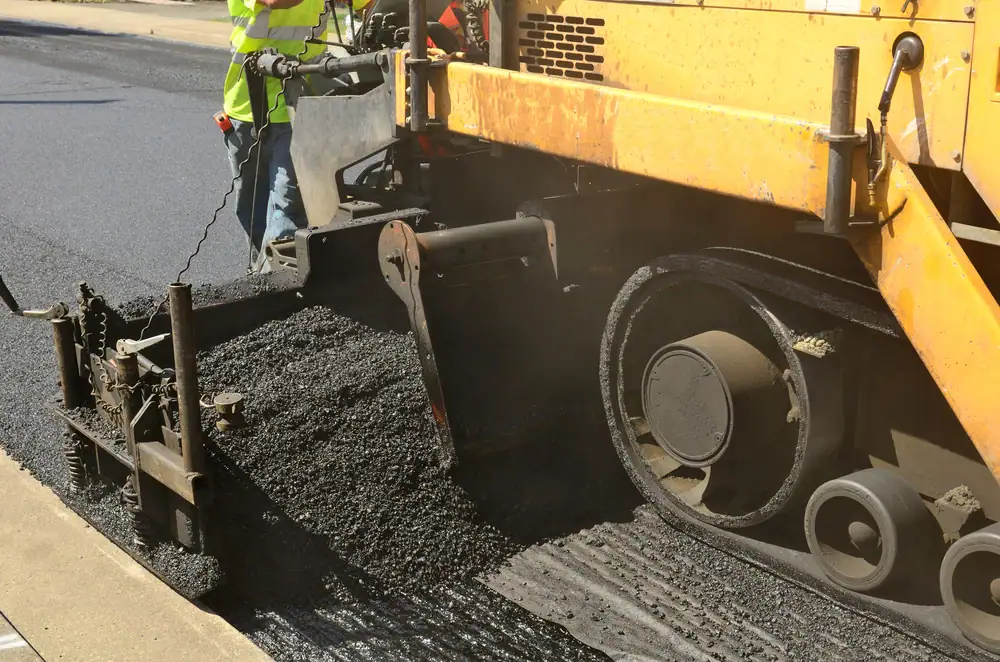
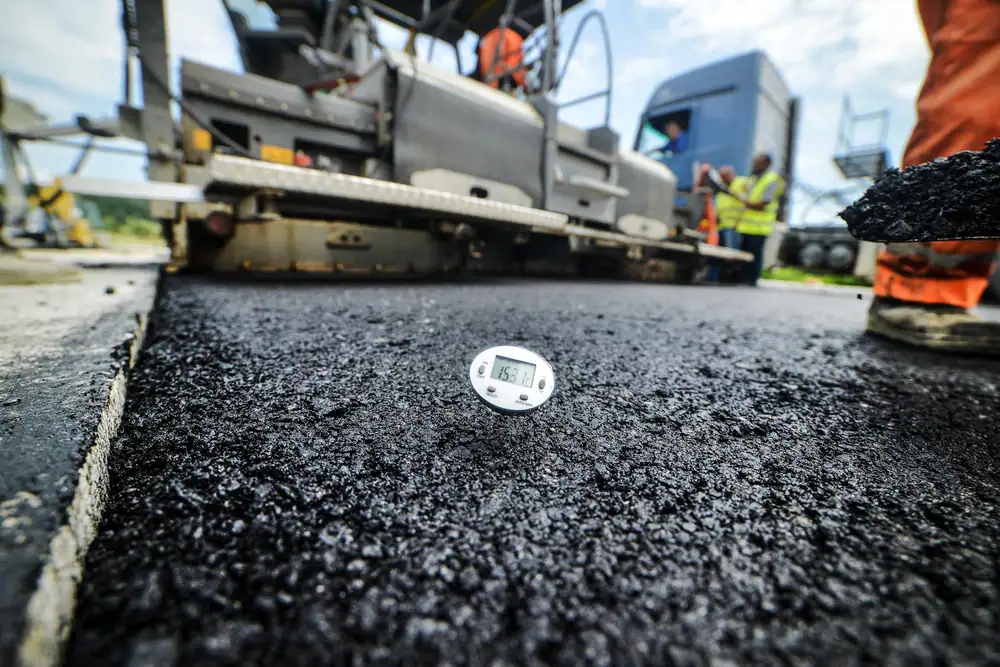
After the tack coat is applied, the new asphalt layer goes down. Paving equipment spreads hot-mix asphalt evenly across the surface, and then heavy rollers compact it to the proper density. Compaction is critical because it eliminates air pockets and creates a smooth, durable surface that can handle traffic and weather. Poor compaction leads to premature cracking and surface failure.
The final step is curing. You’ll need to stay off the new surface for at least 24 to 48 hours while it cools and hardens. In Florida’s heat, this can happen faster than in cooler climates, but rushing it means risking damage to the fresh asphalt. Once cured, you’ve got a smooth, restored surface that looks and performs like new pavement.
The biggest benefit is cost savings. Resurfacing costs significantly less than full replacement because you’re not removing the existing pavement or rebuilding the base. You’re working with what’s already there, which cuts labor, materials, and disposal fees. For most residential and commercial projects, that translates to thousands of dollars saved.
Time is another major advantage. A typical resurfacing project wraps up in two to three days, depending on the size of the area. Full replacement can take a week or more because of the extra steps involved—excavation, base repair, new material installation. Less time means less disruption to your daily routine or business operations.
Resurfacing also restores the surface’s appearance and function without the waste. The old asphalt stays in place, so you’re not hauling tons of material to a landfill. It’s a more sustainable option that still delivers a smooth, professional-looking result. Your driveway or parking lot looks brand new, and most people can’t tell the difference between a resurfaced surface and a completely new one.
From a performance standpoint, resurfacing can add 8 to 15 years to your pavement’s life when done correctly and maintained properly. That’s a significant extension, especially when you consider the alternative is paying for full reconstruction. It’s not a permanent fix—nothing lasts forever—but it’s a smart way to maximize the value of your existing pavement before you eventually need to replace it.
In Florida, resurfacing also gives you a chance to address drainage issues and apply materials better suited to the climate. We can adjust the slope slightly during resurfacing to improve water runoff, which is critical in a state that gets 50-plus inches of rain a year. Better drainage means less water infiltration, which is one of the main causes of asphalt failure in Polk County, FL.
Want live answers?
Connect with a Central Florida Blacktop Paving expert for fast, friendly support.
Knowing when to resurface comes down to recognizing the signs and understanding the condition of your pavement’s foundation. If the surface is worn but the base is solid, resurfacing makes sense. If the base has failed, you’re looking at replacement instead.
The general rule is this: resurfacing works when less than 25 percent of your pavement needs repairs and the damage is mostly surface-level. If you’re dealing with widespread structural problems, deep cracks, or a failing foundation, resurfacing is just a temporary band-aid that won’t address the real issue.
Age also plays a role. Asphalt typically lasts 15 to 25 years before needing major work. If your pavement is 10 to 15 years old and starting to show wear, resurfacing can extend its life significantly. If it’s 20-plus years old and has been neglected, replacement might be the better long-term investment.
Cracks are the most obvious sign. Small hairline cracks are normal and can be sealed, but when you start seeing cracks wider than a quarter inch or a network of interconnected cracks—called alligator cracking—it’s time to consider resurfacing. Alligator cracking looks like reptile skin and indicates the surface layer is breaking down from age, traffic, or water damage.
Rough or uneven surfaces are another red flag. If your pavement feels bumpy when you drive over it or has areas that are noticeably rougher than others, the top layer is deteriorating. This happens from oxidation, where UV rays from the sun break down the asphalt binder and make the surface brittle. In Florida’s intense heat, oxidation accelerates faster than in cooler climates.
Potholes and surface depressions signal more serious wear. Potholes form when cracks allow water to seep into the pavement, weakening the layers below. The surface then breaks apart under traffic, leaving holes that damage vehicles and create safety hazards. If you’re seeing multiple potholes or areas where the surface has crumbled away, resurfacing can address the problem as long as the base isn’t compromised.
Fading and color changes might seem cosmetic, but they indicate that the asphalt is aging and losing its protective oils. Fresh asphalt is deep black; as it ages, it turns gray. This color shift means the binder is breaking down, which makes the surface more vulnerable to cracking and water infiltration. Resurfacing restores that fresh appearance while adding a new protective layer.
Water pooling is a major concern, especially in Florida. If you notice puddles that don’t drain after rain, it means the surface has settled or the drainage design isn’t working. Standing water accelerates asphalt breakdown because it seeps into cracks and erodes the layers below. Resurfacing gives you a chance to improve the slope and drainage to prevent future problems.
Resurfacing isn’t always the answer. If the foundation has failed, resurfacing is like putting new paint on a crumbling wall—it might look better temporarily, but the underlying problem will come back quickly. Deep structural issues require full replacement to fix properly.
One clear sign you need replacement is widespread alligator cracking that covers more than 25 to 30 percent of the surface. This type of damage indicates the base layer has weakened or failed, and no amount of resurfacing will fix it. You’ll end up with the same cracks reappearing through the new layer within months.
Severe potholes or areas where the pavement has sunk significantly also point to base failure. When the foundation settles or erodes, the surface above it collapses. Resurfacing over a failed base doesn’t address the root cause, and you’ll be back to square one before long. In these cases, the pavement needs to be removed, the base repaired or replaced, and new asphalt installed from the ground up.
Drainage problems that can’t be corrected with resurfacing are another reason to replace. If water consistently pools in large areas or the entire surface has poor drainage that causes ongoing damage, you might need to rebuild with proper grading and drainage systems. Resurfacing can make minor drainage improvements, but major issues require starting over.
Age and overall condition matter too. If your asphalt is 20-plus years old, heavily damaged, and has been patched repeatedly, replacement often makes more financial sense than resurfacing. At that point, you’re dealing with a surface that’s reached the end of its useful life, and resurfacing is just delaying the inevitable. Investing in full replacement gives you another 20 to 25 years of service instead of limping along with a resurfaced surface that might only last 8 to 10 years.
Deciding between resurfacing and replacement comes down to understanding your pavement’s condition and what you’re trying to accomplish. If the foundation is solid and the damage is mostly surface-level, resurfacing is a cost-effective way to restore function and appearance while adding years of life. If the base has failed or you’re dealing with widespread structural problems, replacement is the smarter long-term investment.
The key is getting an honest assessment from someone who knows what to look for. Not every contractor will tell you when resurfacing isn’t the right answer, so it pays to work with a company that prioritizes doing the job right over doing the most expensive job.
For property owners in Polk County, FL dealing with Florida’s heat, humidity, and heavy rains, choosing the right approach matters even more. The climate here accelerates asphalt breakdown, which means drainage, material quality, and proper installation techniques make a bigger difference than they would in milder climates. Whether you’re resurfacing or replacing, we bring local expertise and commitment to quality workmanship to every project. At Central Florida Blacktop Paving Inc., we understand how to build asphalt that lasts in Central Florida’s demanding conditions.
Article details:
Share:
Continue learning: