Your private road faces unique challenges in Florida's climate. Smart maintenance prevents costly repairs and extends your road's lifespan significantly.
Share:
Summary:
A properly maintained private road in Polk County should last 15-20 years, sometimes extending to 25 years with exceptional care. However, Florida’s subtropical climate poses unique challenges that can cut this lifespan in half without proper maintenance.
The intense UV radiation breaks down asphalt binders, causing brittleness and surface cracking. Meanwhile, frequent thunderstorms and high humidity create water infiltration issues that weaken the road’s foundation. This combination means your road faces accelerated aging compared to northern climates.
The key difference between roads that exceed their expected lifespan and those requiring major repairs within a decade comes down to three critical factors: proper initial installation, climate-appropriate materials, and proactive maintenance scheduling.
Florida’s climate creates a relentless assault on your road surface that never lets up. The state’s intense UV rays work continuously to break down the binding agents in asphalt, leading to oxidation that makes the surface brittle and prone to cracking. This process happens faster here than almost anywhere else in the country.
Heavy rainfall presents the second major threat. When water penetrates even small cracks, it reaches the base layers and begins undermining the entire road structure. The frequent freeze-thaw cycles that damage northern roads aren’t an issue here, but the constant expansion and contraction from temperature swings between scorching days and cooler nights creates its own stress patterns.
High humidity slows the curing process for repairs and sealcoating applications, requiring specialized materials and timing for effective maintenance. This means you can’t simply apply generic solutions and expect them to perform in Central Florida’s demanding environment.
The combination of these factors explains why roads that receive proper climate-specific maintenance often exceed their expected lifespan, while those treated with standard approaches may need major repairs within 7-10 years. Understanding these challenges is the first step in developing an effective maintenance strategy.
Delaying maintenance on your private road isn’t just inconvenient—it’s financially devastating. A $500 crack sealing job today prevents a $5,000 repaving project tomorrow, but most property owners don’t realize how quickly small issues escalate in Florida’s climate.
Consider the progression: minor surface cracks allow water infiltration, which weakens the base layer during heavy rains. Within one or two storm seasons, those hairline cracks become potholes that damage vehicles and create liability issues. What started as a simple maintenance task now requires full-depth repairs or complete reconstruction.
The long-term cost of deferred maintenance often exceeds the periodic expense of proper care by a factor of ten or more. Sealcoating might cost $0.15 to $0.30 per square foot every few years, while complete repaving can exceed $3.00 per square foot—not including the disruption to daily access and potential emergency vehicle issues.
Beyond the direct costs, deteriorated roads impact property values, create ongoing vehicle maintenance expenses for residents, and can complicate insurance and mortgage requirements. Many property owners discover too late that banks and mortgage companies often require proper maintenance agreements for properties accessed by private roads.
The smart approach recognizes that maintenance isn’t an expense—it’s an investment that protects a much larger asset. Well-maintained asphalt can last 20-30 years even in Florida’s challenging climate, making the periodic maintenance costs insignificant compared to premature replacement.
Want live answers?
Connect with a Central Florida Blacktop Paving expert for fast, friendly support.
Asphalt maintenance in Florida requires a different approach than standard recommendations you’ll find online. The key is understanding that your road needs protection from UV damage, water intrusion, and the unique stresses of subtropical weather patterns.
Proper asphalt maintenance starts with regular inspections—not just walking the road occasionally, but systematic evaluation of surface conditions, drainage performance, and early warning signs of structural issues. You should inspect your road at least annually, preferably after the heaviest rain season when any drainage or infiltration problems become apparent.
The foundation of asphalt longevity lies in keeping water out of the road structure and protecting the surface from oxidation. This requires a coordinated approach that addresses both immediate surface needs and long-term structural integrity.
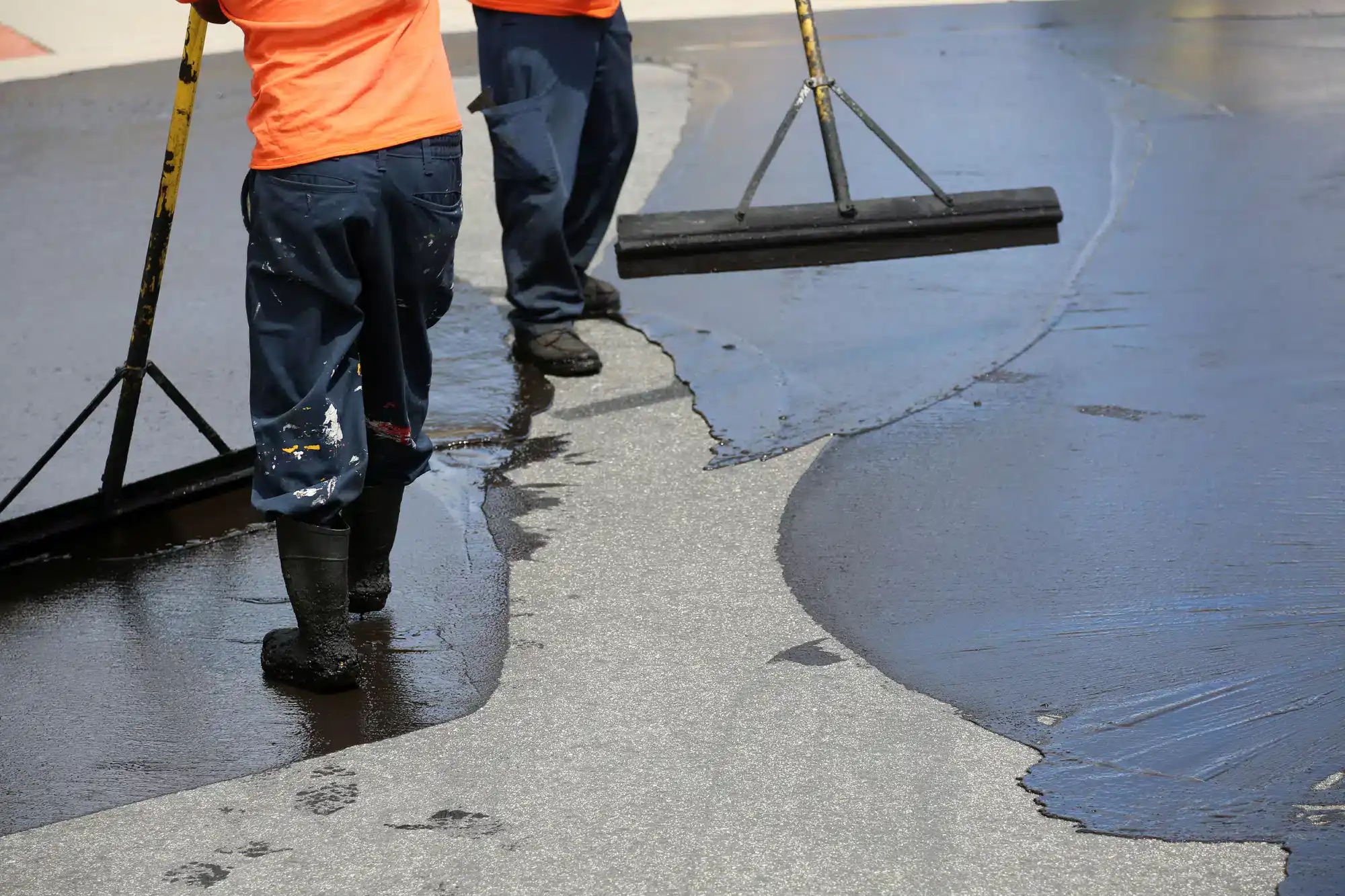
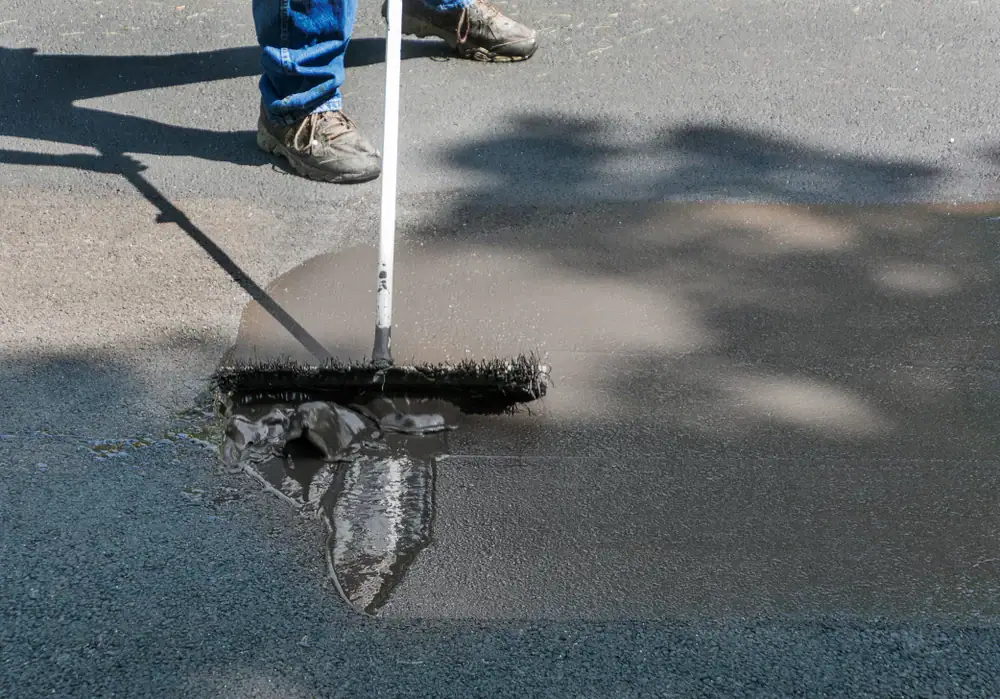
Sealcoating provides the protective barrier that shields your asphalt from Florida’s harsh environmental conditions. This isn’t just about appearance—it’s about preserving the structural integrity of your road investment through protection against UV rays, water penetration, and chemical damage.
In Florida’s climate, experts recommend resealing every 2-3 years to combat the accelerated aging caused by intense sunlight and frequent rainfall. This frequency might seem aggressive compared to northern climates, but the environmental stresses here are correspondingly more severe. The sealcoat acts as a sunscreen for your asphalt, slowing the oxidation process that leads to brittleness and cracking.
Timing matters critically for sealcoating effectiveness. The ideal window is during the dry season from late winter through spring, when weather conditions allow for proper curing. High humidity can interfere with the curing process, so professional contractors adjust their materials and techniques specifically for local conditions.
Quality sealcoating does more than protect—it fills minor surface cracks and creates a uniform appearance that enhances property value. However, sealcoating only works on structurally sound asphalt. If your road already has significant cracking or base issues, these must be addressed first through crack sealing, patching, or more extensive repairs.
The investment in regular sealcoating pays dividends in extended road life. Roads that receive this protection often exceed their expected lifespan significantly, while those that skip this maintenance typically require major repairs or replacement years ahead of schedule.
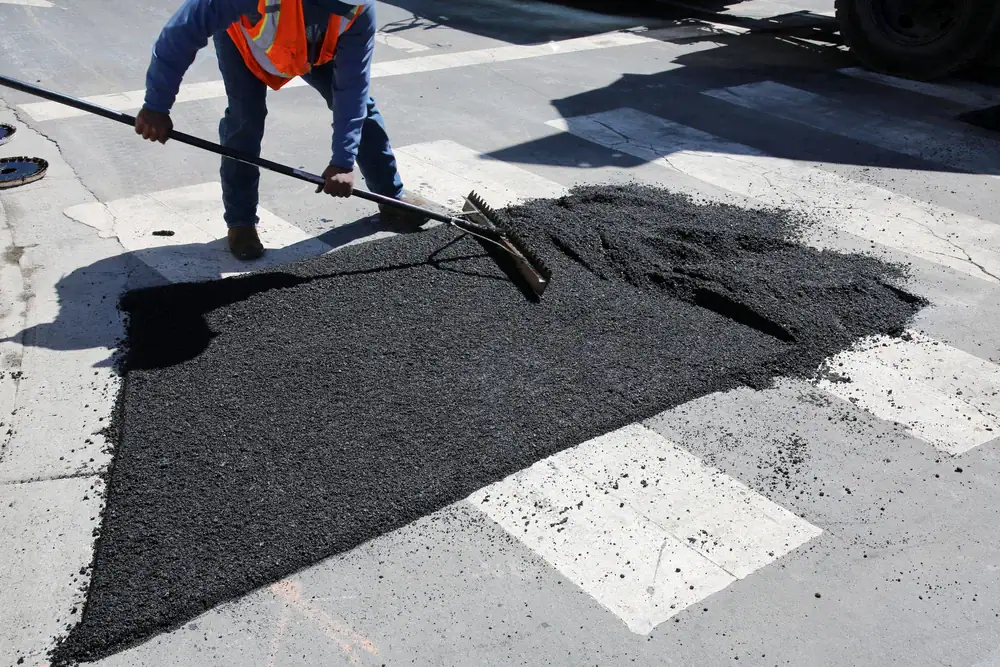
Crack sealing represents the most neglected yet most critical aspect of asphalt maintenance. Small cracks that seem insignificant today become major structural problems during the next heavy rain season, making early intervention essential for long-term road performance.
The process involves more than simply filling visible cracks. Professional crack sealing requires proper cleaning of the crack, appropriate sealant selection for Florida’s climate, and application techniques that ensure long-lasting adhesion. The goal is creating a waterproof barrier that prevents infiltration while remaining flexible enough to accommodate normal thermal movement.
Different types of cracks require different approaches. Hairline cracks from surface oxidation can often be addressed during routine sealcoating, while wider structural cracks need dedicated sealing with specialized materials. Alligator cracking patterns indicate more serious base issues that may require patching or reconstruction of affected areas.
Timing crack repairs correctly makes the difference between success and failure. Cracks should be sealed when they’re dry and the weather forecast shows several days of clear conditions. Moisture trapped in unsealed cracks can cause the repair to fail prematurely, especially during Florida’s humid conditions.
The economics of crack sealing are compelling. Addressing cracks promptly prevents water infiltration that leads to base failure, pothole formation, and eventual need for major reconstruction. A systematic crack sealing program typically costs a fraction of the emergency repairs that result from neglecting this maintenance.
Regular inspection and prompt crack sealing create a maintenance cycle that keeps small problems small, preserving the structural integrity that allows your road to reach its full lifespan potential.
The most effective maintenance approach follows a systematic schedule tailored to your specific road conditions and Florida’s climate patterns. Annual inspections should occur after the heaviest rain season, when any drainage or structural issues become apparent. Crack sealing typically needs attention every 2-3 years, while sealcoating requires reapplication every 3-4 years to maintain protection against UV damage.
Your maintenance timeline should account for traffic patterns, road age, and local environmental factors. Roads with heavier use or exposure to standing water may need more frequent attention. The key is staying ahead of problems rather than reacting to failures.
Remember that proper maintenance isn’t just about preserving your road—it’s about protecting your entire property investment. When you need professional guidance or specialized services, we at Central Florida Blacktop Paving Inc. bring decades of experience helping Polk County property owners maximize their road investments through smart maintenance strategies.
Article details:
Share:
Continue learning: