Florida's intense sun damages asphalt driveways daily. Sealcoating provides critical protection against UV rays, heat, and moisture for lasting results.
Share:
Summary:
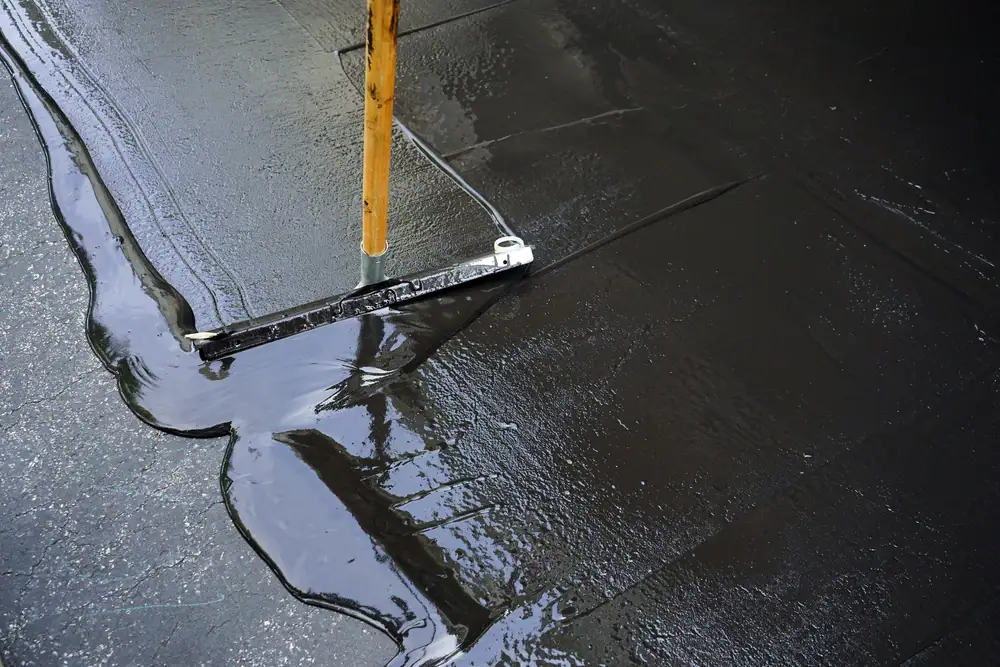
Sealcoating applies a thin protective layer over your existing asphalt surface. This coating soaks into small cracks and imperfections while forming a barrier on top that shields against UV rays, water, oil, and other damaging elements.
The process restores your driveway’s original deep black color while filling minor surface damage. More importantly, it prevents the oxidation process that makes asphalt brittle and prone to cracking. Think of it as preventive medicine for your pavement.
Florida’s intense sunshine creates unique challenges for asphalt surfaces. On a typical 95°F day, your black driveway surface can reach 140°F or higher. This extreme heat softens the asphalt, making it vulnerable to damage from vehicle tires and foot traffic.
The real damage happens at the molecular level. UV radiation breaks down the oils in asphalt that keep it flexible and strong. These light oils combine with heavier oils, reducing the binding agents that hold everything together. As this oxidation process continues, your once-flexible pavement becomes brittle and starts developing those spider web cracks you see on older driveways.
Florida’s humidity adds another layer of problems. When moisture combines with heat, it creates conditions that weaken asphalt from within. Water finds its way into tiny cracks, expanding and contracting with temperature changes until small problems become major repairs. The combination of UV rays, heat, and moisture creates a perfect storm that can age your driveway years faster than in milder climates.
Many property owners view sealcoating as an optional expense until they face a repair bill. Asphalt repaving costs between $1.50 and $4.00 per square foot, while sealcoating runs just $0.15 to $0.35 per square foot. For a standard driveway, that’s the difference between a few hundred dollars in maintenance versus several thousand in replacement costs.
The damage timeline moves faster in Florida than you might expect. Without protection, asphalt surfaces start showing oxidation within the first year. That gray, faded appearance isn’t just cosmetic – it signals that the binding agents are breaking down. Small cracks appear next, followed by larger ones that allow water penetration. Once water reaches the base material beneath your asphalt, you’re looking at structural problems that sealcoating can’t fix.
Property values take a hit too. A cracked, faded driveway creates an immediate negative impression that affects your home’s curb appeal. Real estate professionals consistently point to well-maintained driveways as a factor in property valuations. The cost of sealcoating every few years is minimal compared to the potential loss in property value from a deteriorated driveway.
Want live answers?
Connect with a Central Florida Blacktop Paving expert for fast, friendly support.
Timing matters when it comes to sealcoating effectiveness. New asphalt needs six months to a year to fully cure before the first sealcoating application. This allows excess oils to come to the surface and ensures proper adhesion.
For existing driveways in Polk County, the harsh Florida climate demands more frequent attention than northern climates. Most experts recommend sealcoating every two to three years, but Florida’s intense sun and high temperatures often require applications every two years for maximum protection.
Your driveway gives clear signals when it needs attention. The most obvious is color change – asphalt that’s faded from rich black to gray or light brown has lost its protective oils and needs immediate attention. Small surface cracks, even hairline ones, indicate that oxidation is progressing and the asphalt is becoming brittle.
Water behavior tells another story. If water soaks into your asphalt instead of beading up on the surface, the pavement has become porous and vulnerable. This is especially problematic during Florida’s rainy season when moisture can penetrate deep into the pavement structure.
Texture changes matter too. Asphalt that feels rough or shows aggregate (small stones) coming loose at the surface needs sealcoating to bind everything back together. If you can easily brush away loose material with a broom, you’re looking at advanced oxidation that requires immediate attention to prevent further deterioration.
The key is acting before major problems develop. Sealcoating works best as preventive maintenance on surfaces that are still in good condition. Once you have significant cracking, potholes, or structural damage, repairs must come first, followed by sealcoating to protect the investment.
Proper preparation makes the difference between sealcoating that lasts three years versus one that starts failing after the first Florida summer. The surface must be thoroughly cleaned of all dirt, oil stains, and vegetation. Any existing cracks need filling before sealcoat application to prevent them from telegraphing through the new coating.
Weather conditions during application are critical. Sealcoating requires at least 24-48 hours of dry weather with temperatures above 50°F. In Florida, this means avoiding the rainy season and choosing days with stable weather forecasts. High humidity can extend drying times and affect the final quality of the coating.
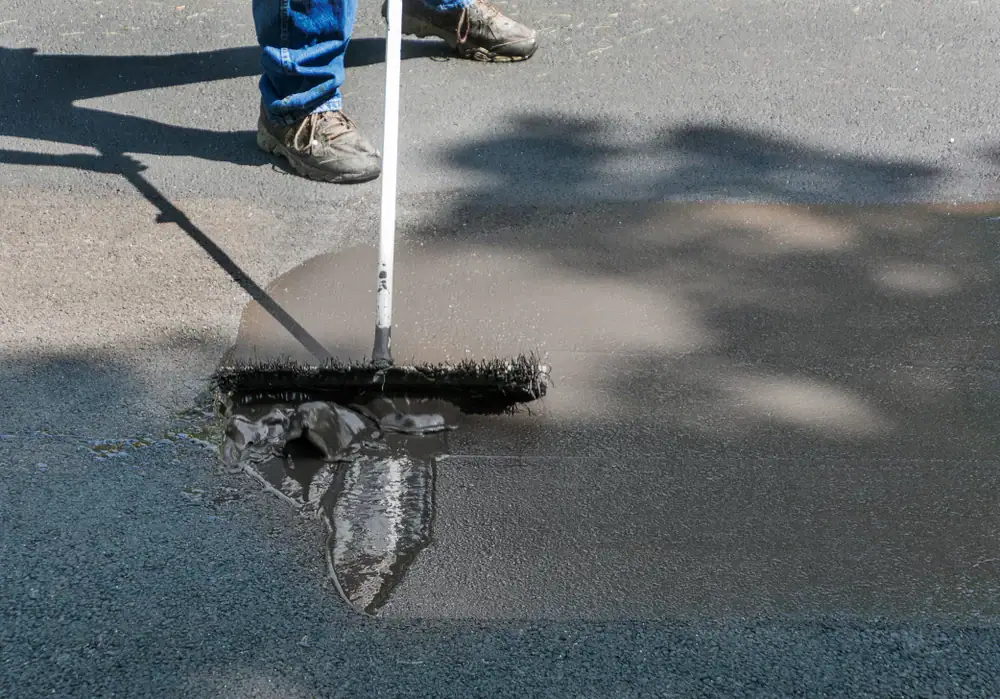
The application method impacts longevity too. We use specialized equipment to ensure even coverage and proper thickness. Too thin, and you won’t get adequate protection. Too thick, and the coating may not cure properly or could develop adhesion problems. We know how to adjust application techniques for Florida’s climate conditions.
Quality materials matter significantly in Florida’s harsh environment. Coal tar-based sealers generally provide better UV protection and durability than asphalt-based products, though both have their place depending on specific conditions and budget considerations. We recommend the right product for your situation and explain the trade-offs involved.
Sealcoating represents one of the most cost-effective ways to protect your asphalt investment in Florida’s challenging climate. The small expense every few years prevents major repairs and keeps your property looking its best. More importantly, it gives you peace of mind knowing your driveway can handle whatever Florida weather throws at it.
The difference between DIY and professional application often shows up in the first year. We understand how Florida’s climate affects curing times, material selection, and application techniques. We also have the equipment and experience to handle surface preparation properly – the foundation of any successful sealcoating job.
When you’re ready to protect your driveway with professional sealcoating services, Central Florida Blacktop Paving Inc. brings the expertise and attention to detail that ensures lasting results for Polk County property owners.
Article details:
Share:
Continue learning: