Explore proven driveway paving solutions designed specifically for Polk County's unique climate challenges and growing housing market.
Share:
Summary:
Florida’s climate isn’t just hot—it’s a perfect storm of challenges that destroy inferior paving materials. The combination of intense UV exposure, torrential rains, and rapid temperature swings demands materials specifically suited for these conditions.
Asphalt paving has proven itself in Polk County for good reason. Unlike concrete, which can crack and buckle under Florida’s freeze-thaw cycles, asphalt remains flexible. This flexibility allows it to expand and contract with temperature changes without developing the hairline cracks that turn into major problems.
The material also handles water better than most alternatives. When those afternoon thunderstorms dump inches of rain in minutes, properly installed asphalt channels water away from your foundation instead of pooling on the surface.
Most paving contractors treat Florida jobs the same as northern installations, but that’s a mistake that costs homeowners dearly. We understand that asphalt paving in Polk County requires knowing how the material behaves in our specific climate conditions.
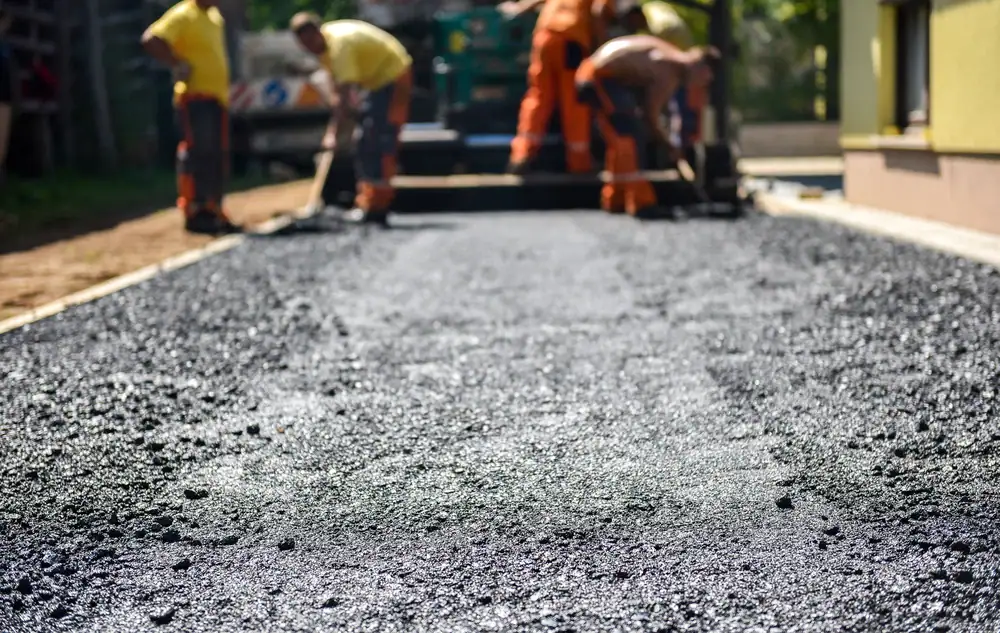
The installation process actually benefits from Florida’s heat and humidity. Asphalt cures faster here than in cooler climates, which means you can drive on your new driveway within 24 to 48 hours instead of waiting a week like you would with concrete. This quick turnaround is crucial for busy families who can’t have their driveway unusable for extended periods.
Florida’s intense heat, which destroys other materials, actually helps asphalt maintain its flexibility longer. The material absorbs and distributes heat effectively, preventing the surface cracking that plagues concrete driveways after just a few years of exposure to our UV-intense environment.
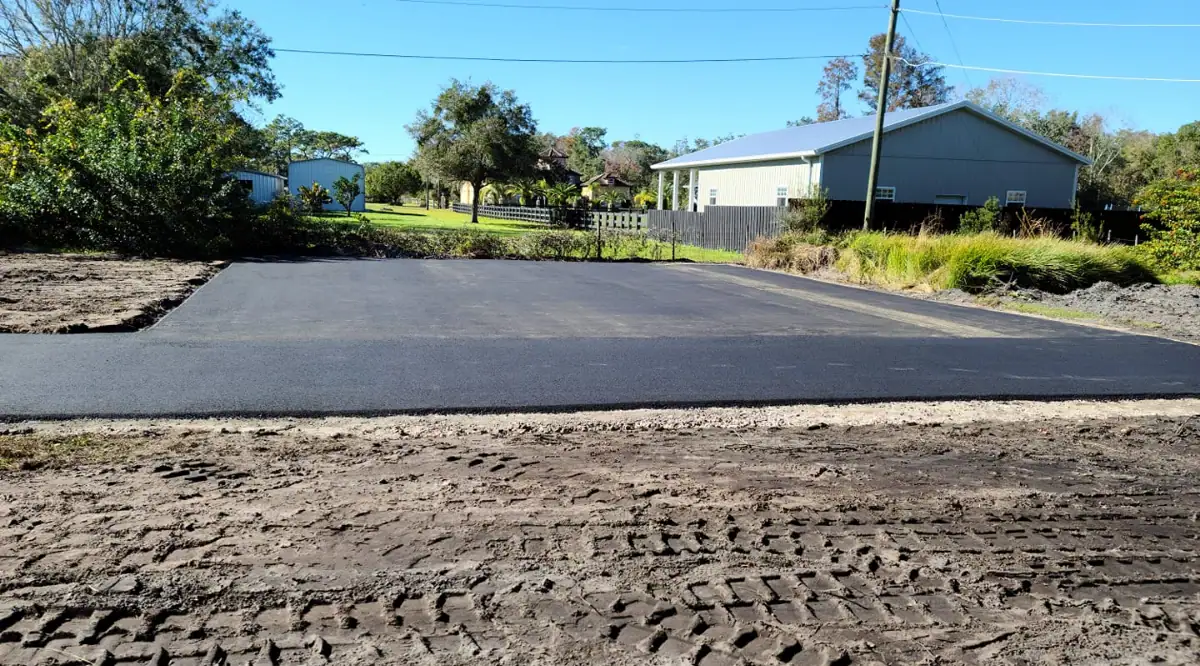
Professional installation makes the difference between a driveway that lasts decades and one that needs constant repairs. The base preparation must account for Florida’s sandy soils and drainage requirements. A proper six-inch compacted base, rather than the minimal preparation some contractors use, ensures your asphalt won’t shift or settle when the ground gets saturated during rainy season.
The key is working with local paving contractors who understand these regional requirements. We know how to adjust mix specifications for our climate, when to schedule installation for optimal curing conditions, and how to prepare the base to handle both drought and flood conditions that are part of life in Central Florida.
Budget matters, but smart homeowners look beyond the initial installation cost when choosing driveway paving materials. The real expense comes from constant repairs, premature replacement, and the headaches of dealing with failed installations.
Asphalt paving typically costs between $2 to $5 per square foot for standard installation in Florida. While concrete might seem cheaper initially, the long-term costs tell a different story. Concrete cracks in Florida’s climate are nearly inevitable, and repairs are obvious patches that never quite match the original surface.
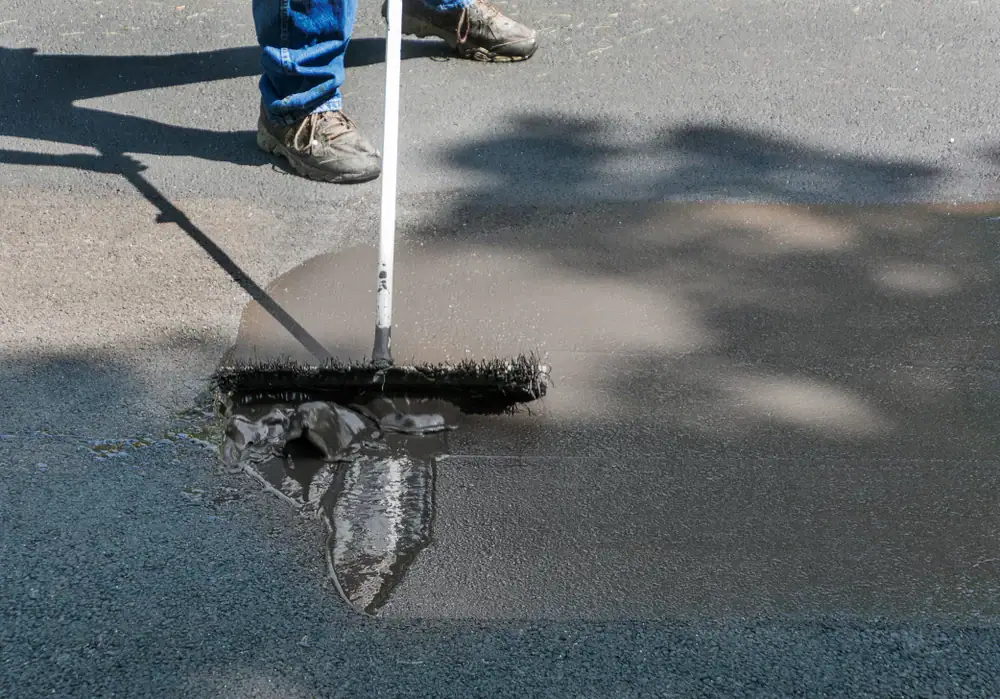
The maintenance requirements also favor asphalt in our climate. Sealcoating every three to five years keeps the surface protected from UV damage and extends the life significantly. These maintenance costs are predictable and manageable, unlike the surprise foundation repairs that can result from poorly performing concrete installations.
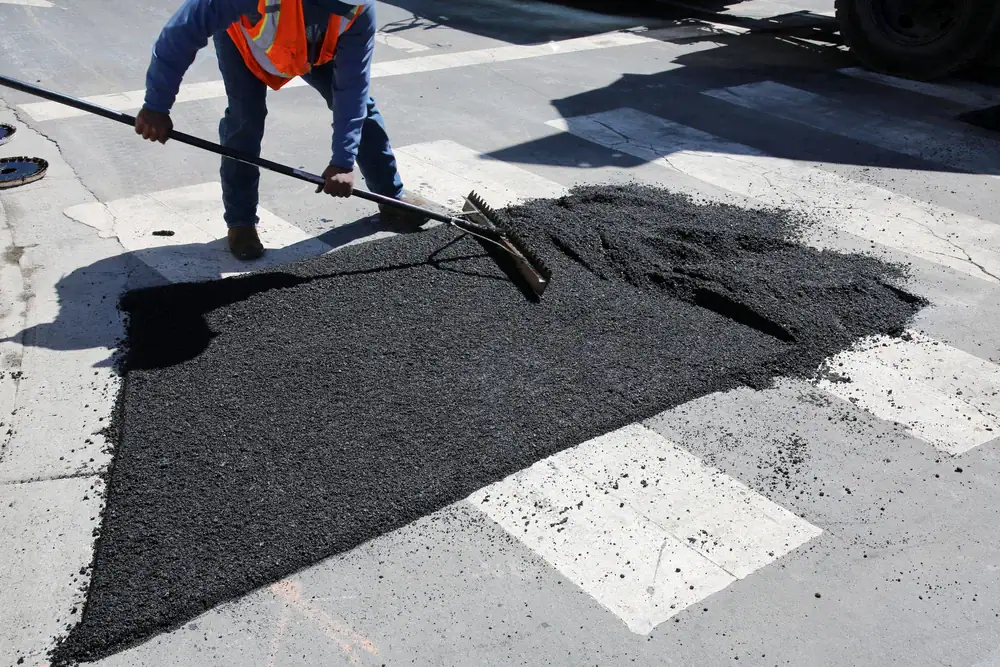
Asphalt repairs blend seamlessly with the existing surface. When you need to fix a section, the patch becomes virtually invisible once the surface weathers naturally. Try that with concrete, and you’ll have a permanent reminder of the repair that affects your home’s curb appeal.
The flexibility of asphalt also means fewer emergency repairs. While rigid materials crack suddenly and completely, asphalt develops minor issues gradually, giving you time to address them before they become major problems. This predictability helps homeowners budget for maintenance instead of scrambling to cover unexpected repair costs.
For Polk County homeowners dealing with the area’s clayey soils that expand and contract with moisture changes, asphalt’s flexibility prevents the stress fractures that destroy rigid paving materials. Your driveway moves with the ground instead of fighting it, resulting in a longer-lasting surface that maintains its integrity through Central Florida’s wet and dry cycles.
Want live answers?
Connect with a Central Florida Blacktop Paving expert for fast, friendly support.
Not all paving materials handle Florida’s unique challenges equally. Understanding how different options perform in our climate helps you make a decision based on facts rather than assumptions or sales pitches from contractors pushing their preferred materials.
Each material has specific strengths and weaknesses that become amplified in Central Florida’s demanding environment. What works in cooler, drier climates often fails spectacularly here, leaving homeowners with expensive problems and contractors pointing fingers instead of solutions.
The key is matching material properties to our specific challenges: intense heat, heavy rainfall, sandy soils, and the occasional freeze that catches unprepared surfaces off guard.
Concrete seems like the obvious choice for durability, but Florida’s climate reveals its weaknesses quickly. The material’s rigidity, which provides strength in stable conditions, becomes a liability when dealing with our soil movement and temperature extremes.
Concrete driveways in Polk County face several challenges that don’t affect northern installations. The intense UV exposure causes surface degradation and fading. Heavy rains can cause erosion around the edges, and the occasional freeze creates expansion stress that leads to cracking. Once concrete cracks, the repair is permanent and visible, affecting both function and appearance.
The installation timeline also favors asphalt for busy homeowners. Concrete requires a full week of curing before you can drive on it safely, and that’s assuming perfect weather conditions. Florida’s unpredictable afternoon storms can disrupt the curing process, potentially compromising the entire installation.
Asphalt’s flexibility allows it to handle the soil movement common in our area. When the ground shifts due to moisture changes or settling, asphalt moves with it instead of cracking. This adaptability prevents the stress fractures that plague concrete installations in areas with active soils.
The heat absorption properties of asphalt actually provide benefits in Florida. While the surface gets hot, it also dries quickly after rain, reducing the standing water that can cause foundation problems. Concrete stays wet longer and can channel water toward your home if not properly graded.
Maintenance approaches differ significantly between the materials. Asphalt sealcoating is straightforward and cost-effective, providing protection that extends the surface life considerably. Concrete sealing requires more specialized products and techniques, and the results are less predictable in our climate.
Cost considerations extend beyond installation. While concrete might cost more upfront, the real expense comes from dealing with cracks, stains, and surface degradation that occur more rapidly in Florida than in cooler climates. Asphalt’s repair and maintenance costs are more predictable and manageable for most homeowners.
Paver driveways represent the premium end of driveway paving options, offering unmatched design flexibility and long-term durability when properly installed. However, the Florida climate creates specific challenges that affect both performance and cost considerations for paver installations.
The material costs for pavers range from $10 to $25 per square foot, significantly higher than asphalt or concrete alternatives. This investment makes sense for homeowners prioritizing aesthetics and willing to pay for the design flexibility that pavers provide. The variety of colors, patterns, and materials allows customization that complements any architectural style common in Polk County’s diverse neighborhoods.
Paver installations require extensive base preparation to perform well in Florida’s challenging conditions. A proper installation includes 10 to 12 inches of compacted base material, significantly more than other paving options require. This extensive preparation prevents the settling and shifting that can create uneven surfaces and drainage problems during our intense rainy seasons.
The individual nature of pavers provides both advantages and challenges in our climate. When damage occurs, individual pavers can be replaced without affecting the surrounding surface, unlike concrete where repairs are permanent patches. However, the joints between pavers require ongoing maintenance to prevent weed growth and sand loss, particularly important in Florida’s year-round growing season.
Drainage considerations become critical with paver installations in Polk County. The permeable nature of properly installed paver systems helps manage the heavy rainfall common in our area, but only when the base is correctly prepared and maintained. Poor installation can create drainage problems that are expensive to correct after the fact.
The heat absorption characteristics of different paver materials vary significantly. Light-colored pavers stay cooler underfoot than dark asphalt, making them more comfortable for barefoot use around pools or outdoor living areas. However, some paver materials can become slippery when wet, a consideration for Florida’s frequent rain showers.
Maintenance requirements for paver driveways include periodic re-sanding of joints, occasional replacement of damaged units, and sealing to maintain color and protect against staining. While these tasks are manageable, they require more attention than asphalt maintenance and can be more costly if professional service is needed.
The material you choose matters, but the contractor who installs it determines whether your investment succeeds or becomes an expensive headache. Florida’s unique challenges require local expertise that understands our climate, soil conditions, and building requirements.
Look for paving contractors with proven experience in Polk County specifically. Local knowledge makes the difference between installations that last decades and those that fail within years. The right contractor understands proper base preparation for our sandy soils, drainage requirements for our intense rainfall, and material specifications that handle our temperature extremes.
Your driveway represents a significant investment in your property’s value and your family’s daily convenience. Choose materials and contractors based on proven performance in Central Florida’s demanding environment, not just initial cost or sales promises. We bring the local expertise and quality materials needed to ensure your driveway investment performs as expected for years to come.
Article details:
Share:
Continue learning: