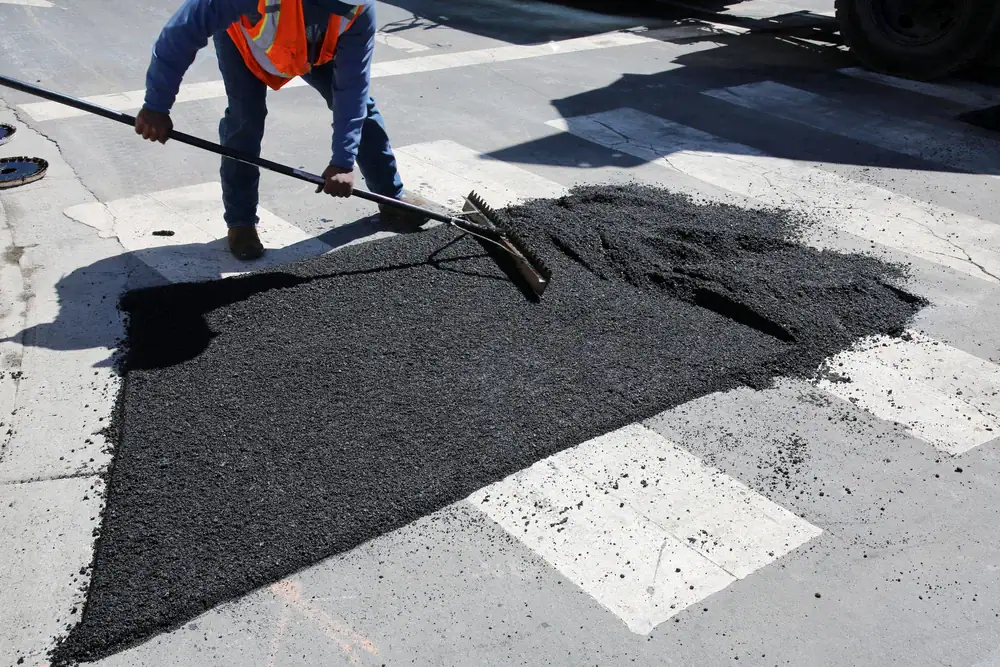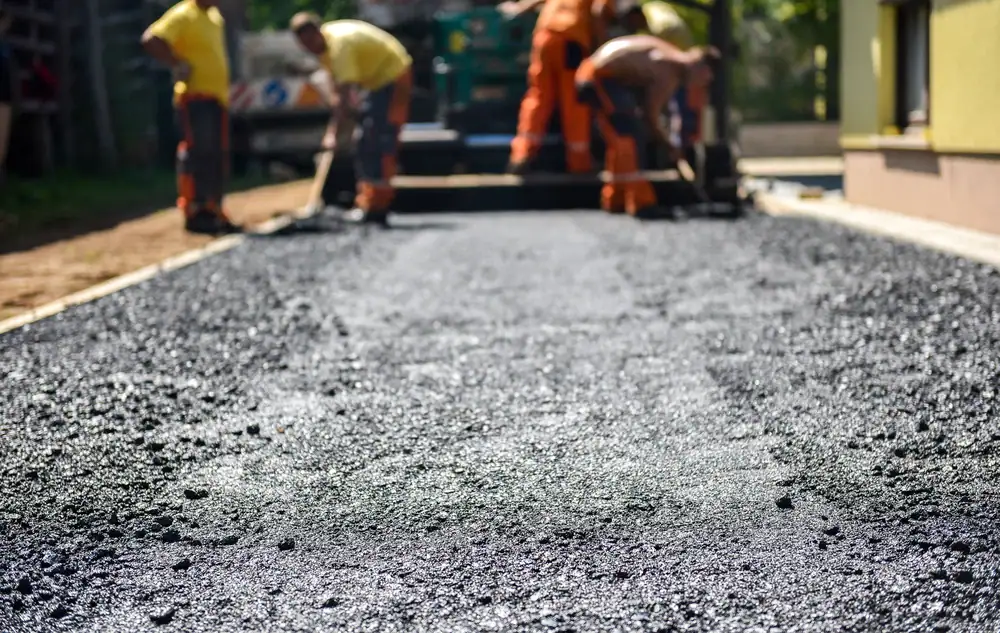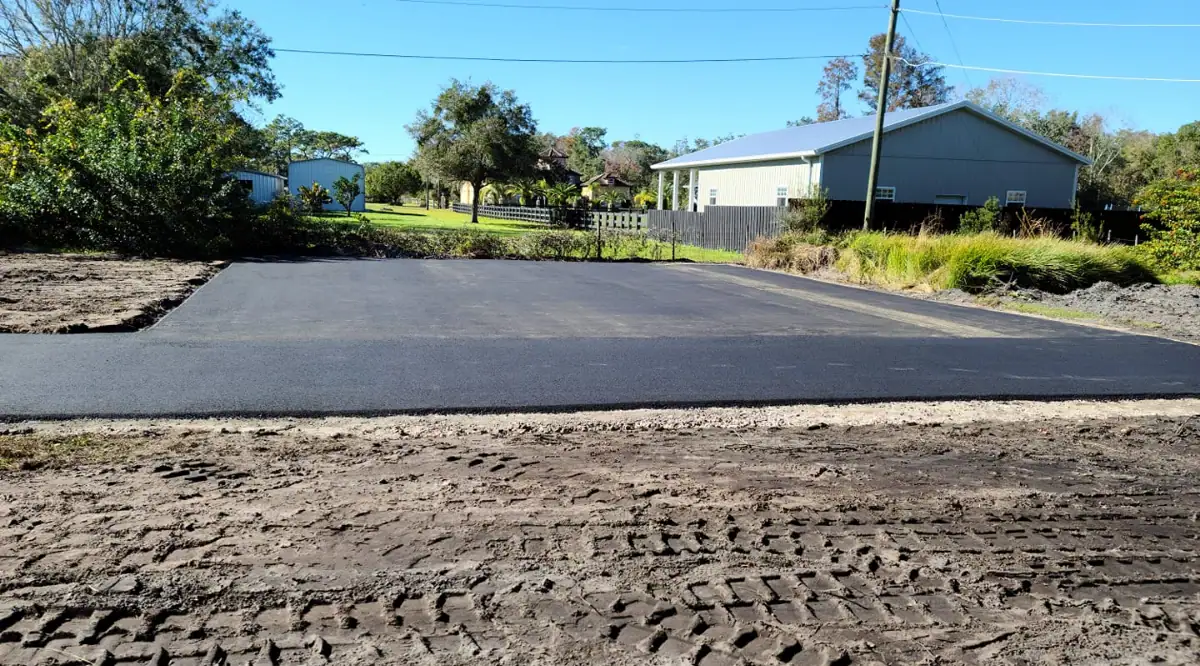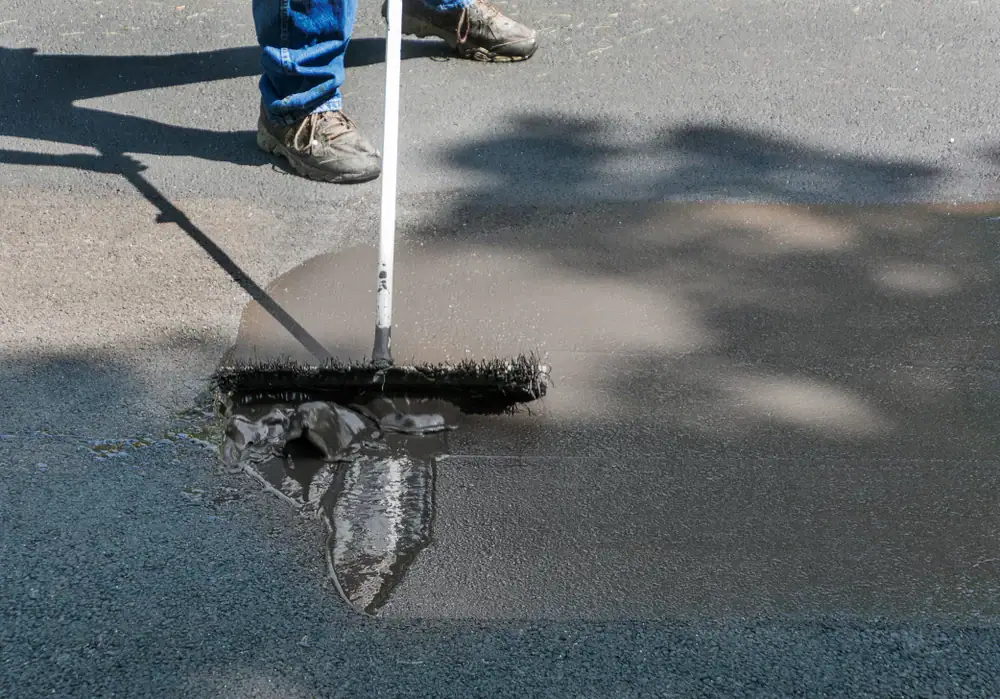
Complete guide covering private road paving essentials, maintenance planning, and contractor selection for Polk County property owners.
Share:
Summary:
Your private road shouldn’t be a constant source of stress and surprise expenses. If you’re dealing with cracking asphalt, drainage problems, or trying to figure out when it’s time for major work, you’re facing challenges that most property owners in Polk County, FL encounter eventually. The difference is knowing what to expect and having a plan that actually works. Working with experienced asphalt paving contractors helps you make informed decisions and avoid costly mistakes before your next big investment.
Private roads operate under completely different rules than public streets. While the county maintains public roads, private road upkeep falls entirely on property owners—whether that’s an HOA, individual landowners, or a community association.
In Florida, this responsibility includes everything from routine maintenance to major reconstruction. You can’t call the county when potholes appear or drainage fails. The financial burden, liability concerns, and maintenance decisions all rest with the people who use these roads.
Most property owners discover this reality the hard way, often during their first major repair bill or when insurance questions arise. Understanding your responsibilities upfront helps you plan better and avoid costly surprises down the road.
Florida isn’t just another state when it comes to asphalt maintenance. The climate creates a perfect storm of conditions that can destroy poorly maintained roads faster than anywhere else in the country. Understanding these challenges is crucial for making smart paving decisions.
UV rays from intense sunshine break down asphalt binders, causing oxidation and brittleness that leads to cracking. Heavy afternoon rains find every weakness, expanding small cracks into serious drainage problems. Temperature swings cause constant expansion and contraction, creating new damage while worsening existing issues.
Add Polk County’s sandy soils to this mix, and you have conditions that demand expertise, not just generic paving knowledge. The contractors who understand these specific challenges use different techniques, materials, and timing compared to those treating Florida like any other location.
This is why choosing a contractor with real Florida experience matters so much. We know which asphalt mixes work best in our climate, when to schedule work for optimal results, and how to design drainage systems that handle our unique rainfall patterns. Generic approaches that work in northern climates often fail here within a few years.
Effective budgeting starts with understanding your road’s current condition and realistic expectations for its lifespan. A properly installed and maintained asphalt road can last 15-30 years, but only with consistent care and attention to Florida’s specific challenges.
Most successful communities establish both annual maintenance funds and longer-term capital reserves. Annual funds handle routine work like crack sealing, minor patching, and regular inspections. Capital reserves prepare for major projects like resurfacing or reconstruction that happen every 15-20 years.
The exact amounts depend on your road’s length, width, traffic patterns, and current condition, but planning ahead always costs less than emergency repairs. Communities that wait until roads are failing often face costs three to four times higher than those who maintain proactively.
Consider factors like drainage improvements, which often prevent more expensive structural repairs later. Florida’s heavy rains make proper drainage critical, and addressing these issues during routine maintenance costs far less than dealing with water damage after the fact. Smart planning also includes setting aside funds for sealcoating every few years, which can extend your road’s life significantly while keeping maintenance costs predictable.
Want live answers?
Connect with a Central Florida Blacktop Paving expert for fast, friendly support.
Not every private road needs the same treatment, and understanding your options helps you make cost-effective decisions. The approach that works for a low-traffic residential community might not suit a busy commercial development or rural property with heavy vehicles.
Your decision should consider current road condition, expected traffic patterns, budget constraints, and long-term plans for the property. Sometimes a full reconstruction makes sense, while other situations call for resurfacing or targeted repairs combined with improved drainage.
The key is matching the solution to your specific needs rather than choosing based on cost alone. A cheaper approach that fails in two years costs more than a proper solution that lasts decades.
Deciding between resurfacing and full reconstruction depends on your road’s structural condition, not just surface appearance. Resurfacing works when the base is sound but the surface shows wear from traffic and weather. Reconstruction becomes necessary when the foundation itself has failed.
Signs that point toward reconstruction include widespread alligator cracking, significant settling or heaving, drainage problems that affect the road structure, and repeated surface failures in the same areas. These issues indicate problems that go deeper than what resurfacing can address.
Resurfacing makes sense for roads with minor surface cracking, some rutting, or general wear that hasn’t compromised the base. This approach costs significantly less than reconstruction while extending road life by 10-15 years when done properly.
A qualified contractor can assess your road’s condition and recommend the most cost-effective approach. We look at factors you might miss, like subsurface drainage, base stability, and whether spot repairs might solve specific problems without major work. Getting this assessment right saves money and prevents choosing an approach that won’t last in your specific situation.
Not all paving contractors understand private roads, and even fewer truly understand Florida’s unique challenges. The contractor you choose can make the difference between a successful long-term investment and costly problems that persist for years.
Look for contractors with specific experience in private road projects, not just commercial parking lots or residential driveways. Private roads have different requirements, from traffic patterns to drainage needs to community coordination. Experience with HOA projects and community management matters because these projects require clear communication and transparent processes.
Ask about their approach to Florida’s climate challenges. Do they adjust their techniques for our intense heat and heavy rains? Can they explain why certain materials or timing work better here? Contractors who understand these factors will deliver results that last, while those using generic approaches often create problems that surface within a few years.
Check references from similar projects, especially those completed several years ago. A road that looked good when finished but failed quickly tells you more than recent work that hasn’t been tested by time. The best contractors stand behind their work and can show you projects that have performed well over multiple years in Florida’s demanding conditions.
Private road paving requires balancing immediate needs with long-term costs, community coordination with individual property concerns, and Florida-specific challenges with standard paving practices. The decisions you make now affect your costs and road quality for decades.
The most successful private road projects start with realistic assessments, proper planning, and contractors who understand both the technical and community aspects of these projects. Whether you’re managing an HOA budget or planning improvements for rural property, the principles remain the same: understand your responsibilities, plan for Florida’s climate, and choose experienced professionals.
When you’re ready to move forward with your private road project, we bring the specialized knowledge and proven experience your project deserves.
Article details:
Share:
Continue learning: