Essential design advice for Central Florida homeowners planning asphalt driveways that withstand heat, storms, and local soil conditions.
Share:
Summary:
The size and layout of your driveway affects everything from functionality to long-term durability. Most Central Florida homes need driveways that accommodate at least two vehicles comfortably, but your specific dimensions depend on your property layout and daily needs.
A standard single-car driveway should be at least 10 feet wide. Two-car driveways work best at 20-24 feet wide. Length varies based on your home’s setback, but you’ll want at least 18-20 feet to ensure vehicles don’t overhang onto the street.
The layout matters just as much as size. Curved driveways can add visual appeal, but they require more precise grading and drainage planning. Straight driveways are often more cost-effective and easier to maintain over time in Polk County’s challenging conditions.
Water is the biggest threat to any asphalt driveway in Florida, and proper drainage design is absolutely non-negotiable. Your driveway needs a minimum slope of 1-2% to direct water away from your house and prevent the dreaded garage swimming pool scenario after heavy rains.
This might seem like a minor detail, but getting the slope wrong creates problems that compound over time. Water that pools on your driveway surface will eventually seep through small cracks and reach the base layer underneath. Once water infiltrates the foundation, it erodes the support structure and causes the surface to sag, crack, and eventually fail completely.
The slope should direct water toward appropriate drainage areas – never toward your foundation or your neighbor’s property. In many Central Florida neighborhoods, this means grading toward the street or designated drainage swales. Some properties benefit from French drains or other subsurface drainage systems, especially in areas with high water tables or the clay soils common in parts of Polk County.
Pay attention to how water flows during those typical afternoon storms we get. If you notice water collecting in certain areas of your existing driveway or yard, address these drainage issues before installing new asphalt. Proper drainage design might cost more upfront, but it prevents thousands in water damage and premature replacement costs down the road.
The edges of your driveway take the most abuse and need proper support to prevent cracking and deterioration. Without adequate edge treatment, vehicle weight concentrates along the perimeter and creates stress points that lead to crumbling and failure – something you see all too often in Central Florida’s sandy soils.
Professional edge treatments serve two purposes: structural support and visual definition. From a structural standpoint, proper edging distributes weight more evenly and prevents the asphalt from spreading or breaking away under load. This is especially important in Florida’s sandy soils, which don’t provide the same natural support as denser soil types found in other regions.
Several edge treatment options work well in Central Florida. Concrete curbing provides excellent long-term durability and can be formed to match your driveway’s contours. Belgian block or similar stone edging offers a more traditional appearance while providing solid structural support. For budget-conscious projects, properly installed aluminum or steel edging systems can provide adequate support while maintaining clean lines.
The key is ensuring whatever edge treatment you choose is properly installed with adequate foundation support. Edging that shifts or settles over time won’t provide the protection your driveway needs. Many homeowners make the mistake of treating edging as purely decorative, but in Florida’s challenging climate, it’s a crucial structural component that affects your driveway’s longevity.
Want live answers?
Connect with a Central Florida Blacktop Paving expert for fast, friendly support.
The base layer is your driveway’s foundation, and getting it right determines whether your asphalt installation lasts 10 years or 25 years. Most homeowners never see this crucial component, but it’s where many Florida driveways fail prematurely.
A proper base starts with excavating to the correct depth and preparing the subgrade – the natural soil underneath everything else. In Central Florida, this often means dealing with sandy soils that drain quickly but can become unstable under load. The subgrade must be properly compacted and graded before any base material goes down.
The base layer itself typically consists of 4-6 inches of crushed aggregate or dense-graded stone, installed in lifts and compacted to achieve maximum density. This creates a stable platform that distributes vehicle loads and provides drainage for water that penetrates the asphalt surface.
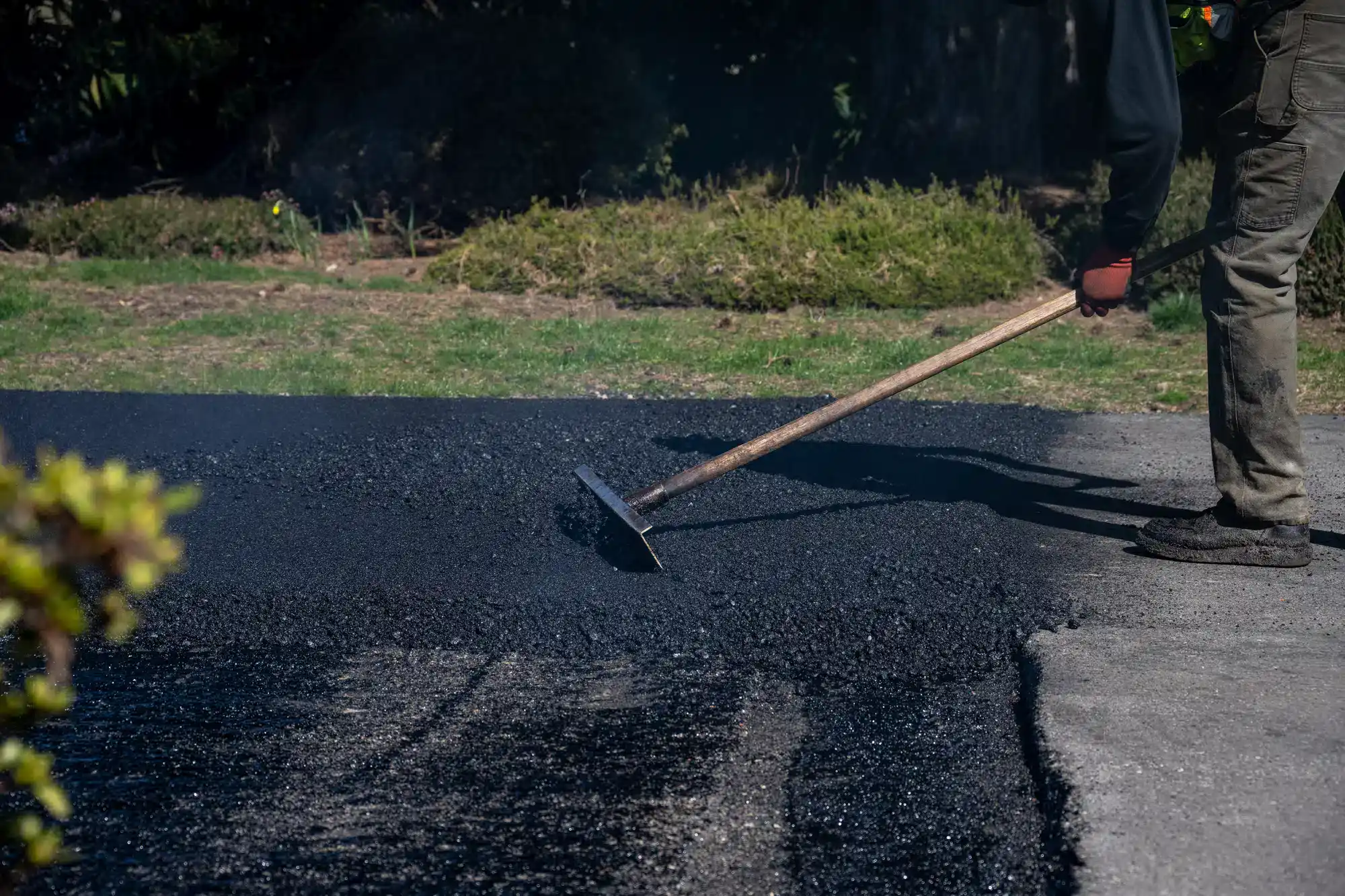
Not all asphalt is created equal, and Florida’s climate demands specific mix designs that can handle extreme temperature swings and intense UV exposure. Standard asphalt mixes used in northern climates often fail within a few years when exposed to our conditions.
Florida-appropriate asphalt mixes use polymer-modified binders that resist softening in high heat and remain flexible during temperature changes. The aggregate size and gradation also matter – a ½-inch nominal maximum aggregate size provides the smooth, tight surface that performs best in tropical and subtropical conditions.
Thickness is equally critical for residential driveway repair and new installations. Driveways in Central Florida typically need 2.5-3 inches of compacted asphalt for adequate durability. This might consist of a 1.5-inch surface course over a 2-inch binder course, or a single 3-inch lift for lighter traffic areas. Skimping on thickness to save money almost always leads to premature failure and higher long-term costs.
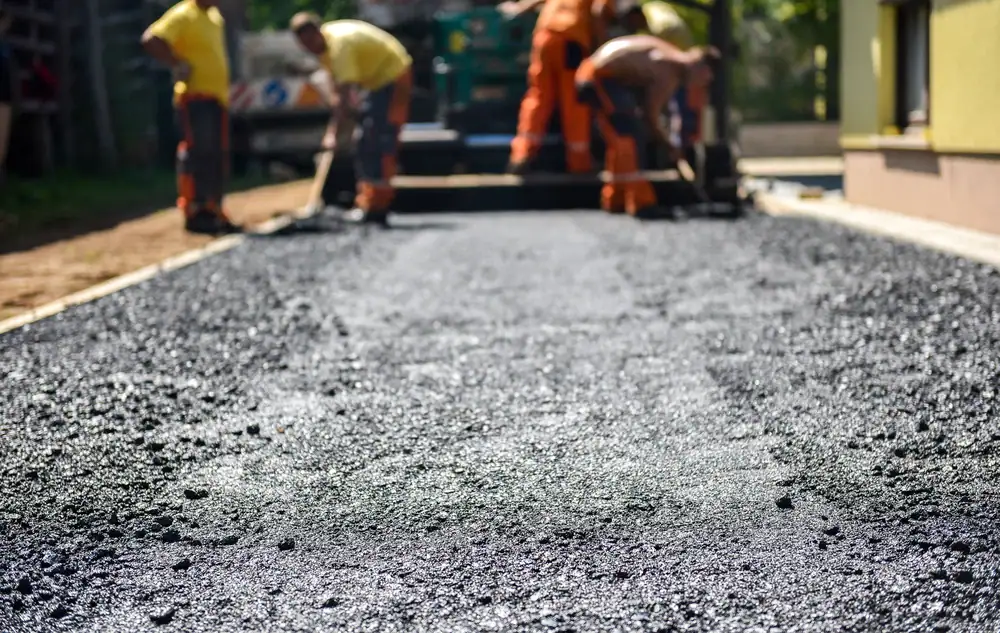
Temperature control during installation is paramount in Florida’s heat. The asphalt must be laid at a minimum of 300°F and compacted properly before it cools. This requires experienced crews with proper equipment who understand how to work efficiently in high temperatures. Timing installation around weather patterns is also crucial – sudden afternoon storms can ruin a pour, so we always plan accordingly.
Florida’s unique climate creates specific challenges that catch many homeowners and inexperienced contractors off guard. Understanding these pitfalls helps you make better decisions and avoid costly mistakes whether you’re planning residential driveway repair or private road paving.
Heat expansion is a major concern that many people underestimate. Asphalt expands and contracts with temperature changes, and Florida’s daily temperature swings can be dramatic. Proper joint placement and expansion considerations prevent the cracking that occurs when asphalt has nowhere to expand. This is especially important where your driveway meets concrete surfaces like sidewalks or garage floors.
Water infiltration destroys more asphalt in Florida than anything else. Once water reaches the base layer, it erodes the foundation and causes surface sagging and cracking. This happens faster in Florida because of our intense storm patterns and high humidity levels. Prevention involves multiple layers of protection: proper slope design, quality base preparation, immediate crack sealing when hairline cracks appear, and regular sealcoating that creates a waterproof barrier.
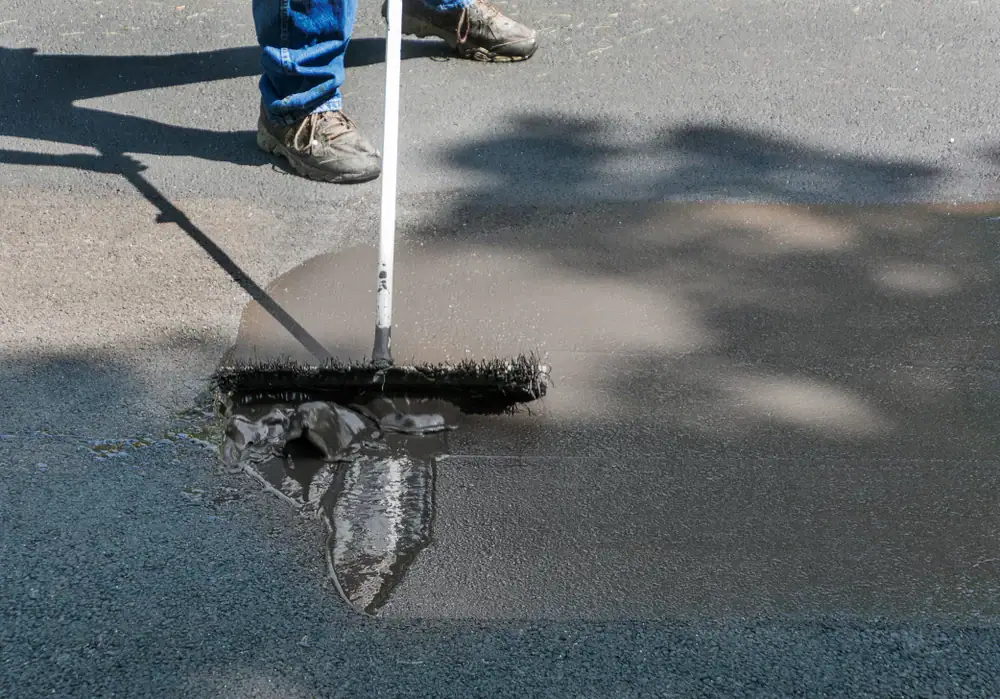
UV damage is another Florida-specific concern that affects both driveway asphalt and private road paving projects. Our intense sunlight breaks down asphalt binders faster than in most other climates, leading to surface oxidation and premature aging. Regular sealcoating every 2-3 years provides UV protection and extends surface life significantly. We often recommend specific additives during installation that provide additional UV resistance.
The driveway paving contractor you choose makes the difference between a driveway that performs for decades and one that fails within a few years. With Florida’s challenging conditions, experience with local climate and soil conditions isn’t just helpful – it’s essential.
Look for contractors who specialize in Florida paving and can demonstrate experience with projects similar to yours. They should understand local drainage requirements, soil conditions, and the specific asphalt mixes that perform best in Central Florida. Ask for references from recent projects in your area and take time to drive by and see their work firsthand.
Proper licensing and insurance aren’t negotiable. Florida contractors should carry appropriate state and local licenses, plus comprehensive liability coverage that protects you if accidents occur. Don’t just take their word for it – ask to see current certificates and verify coverage with their insurance company.
When you’re ready to move forward with your driveway project, we at Central Florida Blacktop Paving Inc. bring the specialized knowledge and experience needed to handle Central Florida’s unique challenges and deliver results that last.
Article details:
Share:
Continue learning: