Not sure if chip seal or asphalt is the right call for your driveway? Here's an honest breakdown of both — built for Polk County's climate and conditions.
Share:
Summary:
You’ve probably seen chip seal on rural roads around Polk County and wondered if it’s a real option for a driveway — or just something counties use to patch back roads on a budget. The truth is more interesting than that. Chip seal has been a legitimate paving method for over a century, and for the right property in Polk County, it can outperform standard asphalt on cost, traction, and longevity. But it’s not the right fit for every situation. This page walks you through what chip seal actually is, how it compares to traditional asphalt, and what Polk County’s specific climate and soil conditions mean for your decision.
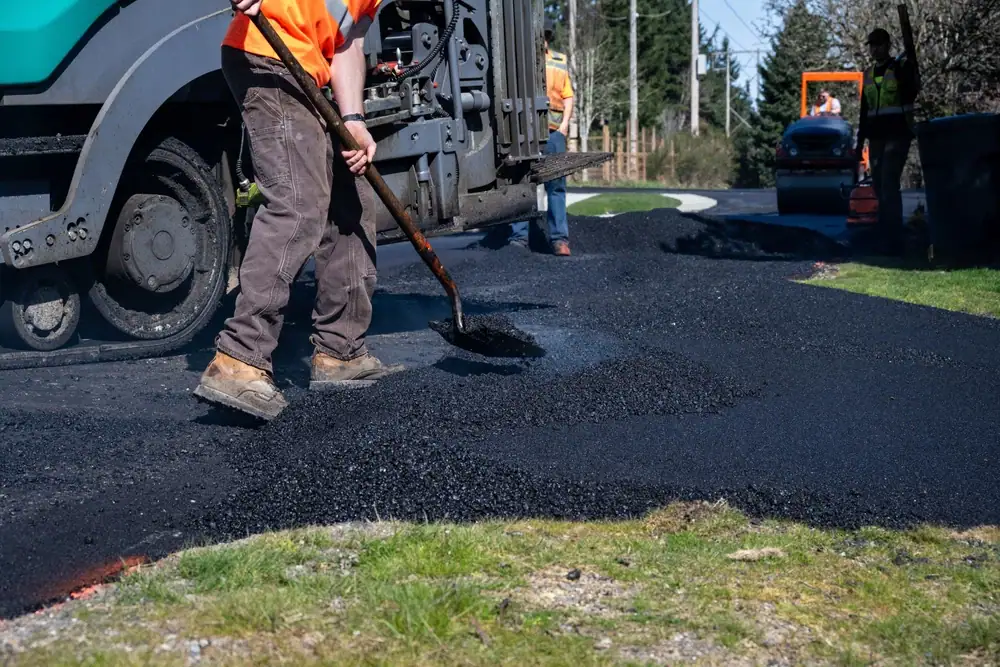
Chip seal — sometimes called tar and chip — is a two-part surface treatment. First, we spray a layer of hot liquid asphalt binder directly onto the prepared base. Then crushed stone aggregate is spread over the binder while it’s still hot, and a roller presses the stones into the surface. What you’re left with is a textured, durable layer that bonds tightly to the base beneath it.
It’s not the same as sealcoating, which is a thin protective coating applied over existing asphalt. Chip seal creates an entirely new surface layer. The aggregate does real work — it adds traction, protects the binder from UV exposure, and seals the surface against water intrusion.
The process moves quickly. A standard residential driveway can typically be completed in a single day, and the surface is often ready for light traffic within hours of application.
Most of the chip seal content you’ll find online was written by contractors in New England or the Midwest. Their climate concerns — freezing temps, frost heave, short application windows — don’t apply here. Polk County’s conditions are actually well-suited to chip seal in ways that don’t get talked about enough.
For chip seal to cure properly, the pavement surface needs to be at least 70°F at the time of application, and that temperature needs to hold for several days afterward. In most of the country, that limits chip seal work to a narrow seasonal window. In Polk County, those conditions exist virtually every month of the year. That means more scheduling flexibility for you, and it means the binder cures the way it’s supposed to — fully and consistently.
Florida’s intense UV exposure is another factor that rarely comes up in generic chip seal guides. Asphalt oxidizes under prolonged sun exposure, becoming brittle and prone to cracking over time. The aggregate layer in chip seal acts as a physical barrier between the sun and the binder beneath it, which slows that oxidation process significantly. For a surface that sits in direct Florida sun every single day, that protection matters.
Then there’s rainfall. Polk County averages more than 50 inches of rain per year, with the bulk of it arriving between June and September in heavy, fast-moving storms. Water is the primary driver of asphalt deterioration — it finds its way into surface cracks, weakens the base, and accelerates failure from the inside out. Chip seal’s dense aggregate surface seals those entry points, which is one of the reasons it can add five to seven years of life to a structurally sound but aging driveway.
The soil conditions in Polk County add another layer of complexity. Clay-heavy soils in parts of the county, combined with the high water tables near the area’s 550-plus named lakes, mean drainage planning isn’t optional — it’s the foundation of any paving job that’s going to last. A chip seal surface applied over a poorly graded or improperly prepared base won’t perform the way it should, regardless of how good the materials are.
This is one of the most common points of confusion we hear from homeowners, so it’s worth clearing up directly. Driveway seal coating and chip seal are not the same thing, and they serve different purposes at different points in a driveway’s life.
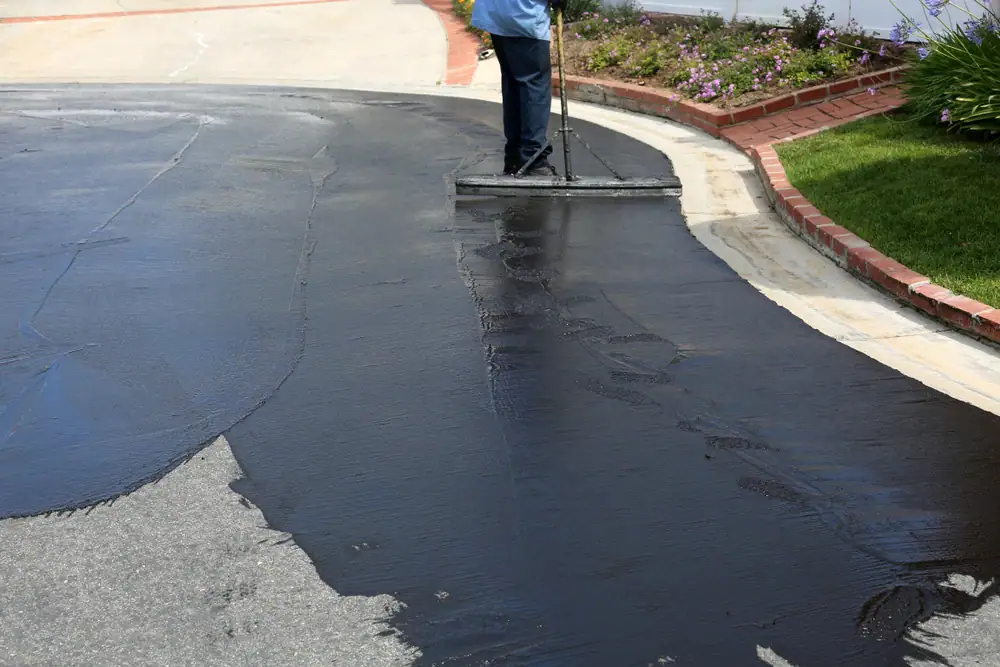
Sealcoating is a thin, protective layer — typically coal tar or asphalt emulsion — applied over an existing asphalt surface. It’s a maintenance treatment. It protects the asphalt from UV damage, water infiltration, and surface oxidation, and it restores the dark appearance of an aging driveway. Sealcoating doesn’t add structural value or create a new surface layer. It’s more like sunscreen for asphalt — applied regularly to extend the life of what’s already there.
Chip seal, on the other hand, is a surface treatment that creates a new functional layer. It’s appropriate when an existing surface has aged past what sealcoating can address, or when you’re paving a new area that doesn’t need the full cost of traditional hot-mix asphalt. The aggregate embedded in the binder gives chip seal a rougher, more textured feel than smooth asphalt — which is actually an advantage in wet conditions, since the texture provides significantly better traction.
In practice, the two treatments often work together across a driveway’s lifecycle. Chip seal might be the right choice now — protecting the base, extending the surface life, and doing it at a fraction of asphalt replacement cost. Then, years down the road, sealcoating becomes part of a regular maintenance routine once the surface has been resurfaced or a new asphalt layer has been applied. Understanding where you are in that cycle is part of what we assess during a site visit, because the right recommendation depends on what’s actually happening with your driveway’s base and surface today.
One other thing worth noting: chip seal can be applied in multiple layers over time, with each new application refreshing the surface and extending its useful life. That’s a meaningful advantage for rural properties in Polk County — places along the back roads where driveways are long, traffic is low, and the economics of full asphalt replacement are hard to justify.
Want live answers?
Connect with a Central Florida Blacktop Paving expert for fast, friendly support.
The cost difference between chip seal and traditional asphalt is real and significant. Chip seal typically runs $2 to $5 per square foot installed, while traditional hot-mix asphalt comes in at $4 to $7 per square foot. On a standard residential driveway, that gap can mean thousands of dollars — and for longer rural driveways common in Polk County’s unincorporated areas, the savings are even more pronounced.
Lifespan is where the comparison gets more nuanced. Traditional asphalt, properly installed and maintained, can last 15 to 25 years. Chip seal typically needs resurfacing every 7 to 10 years. But resurfacing chip seal costs far less than asphalt replacement, so the total cost of ownership over 20 years can be surprisingly comparable — sometimes favorable for chip seal, depending on the property.
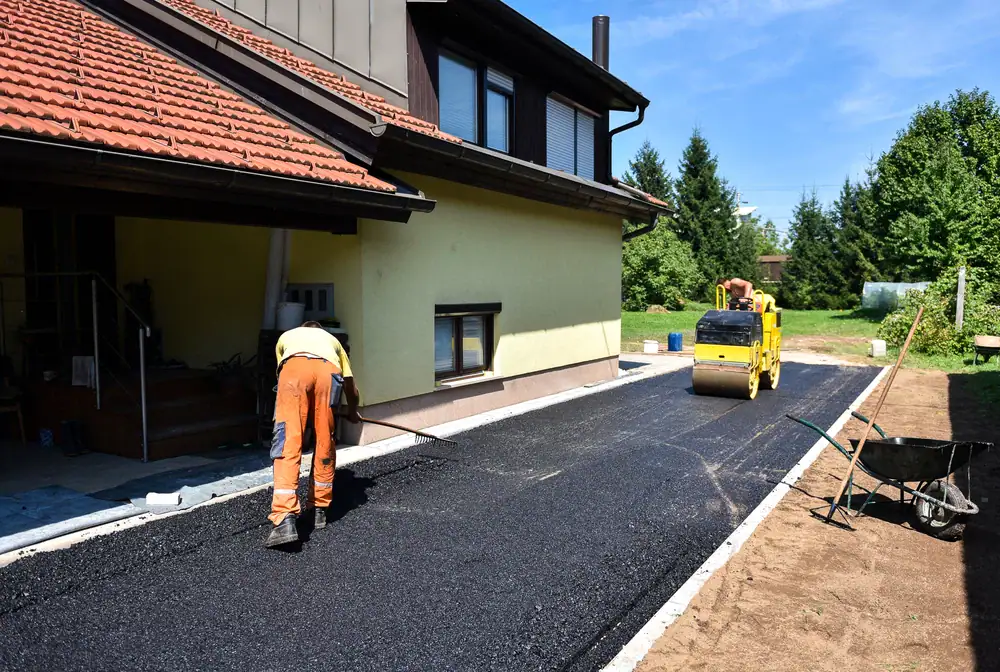
Chip seal is the stronger choice in a few specific situations that come up regularly in Polk County. The first is long driveways. If you’ve got a 500- or 1,000-foot private driveway on a rural property — the kind you’d find on larger lots throughout the county — the per-foot cost savings of chip seal add up fast. Full asphalt on a driveway that long is a significant capital expense. Chip seal gives you a durable, sealed surface at a fraction of that cost, and it can be refreshed economically when the time comes.
The second situation is an aging but structurally sound driveway. If your existing asphalt surface is showing surface cracking and oxidation but the base beneath it is still solid, chip seal applied as a surface treatment can add years of life without the disruption and cost of full replacement. This is one of the most cost-effective moves a homeowner can make — addressing surface deterioration before it reaches the base, where repair costs climb sharply.
The third situation is properties where the natural, textured aesthetic of chip seal fits the character of the land. The aggregate surface has a look that works well with rural and agricultural properties, and with the right stone selection, it can complement a home’s exterior in ways that standard black asphalt doesn’t. Homeowners in newer subdivisions with strict HOA guidelines may have less flexibility here, which is worth checking before you commit — and something we can help you navigate if needed.
What chip seal is not appropriate for is a driveway with serious structural failure — rutting, deep potholes, or a compromised base. Applying a surface treatment over a failed base is a short-term fix that won’t hold. In those cases, the right answer is addressing the base first, and then deciding what surface makes sense. That’s an honest assessment we give every homeowner we meet with, even when it’s not the answer they were hoping for.
The loose stone question comes up almost every time. When chip seal is first applied, there’s a period — typically a few weeks — where some aggregate hasn’t fully bonded and can be displaced by tires. It’s real, and it’s worth knowing about. The honest answer is that with proper compaction during installation and the right equipment, this initial period is minimal. Driving slowly during the first few weeks helps. Most homeowners find it’s a non-issue once the surface has had time to set, especially in Polk County’s warm temperatures, which accelerate the bonding process.
People also ask whether chip seal holds up in the heat. This one’s actually backwards from what most people expect. Florida’s heat is an advantage for chip seal, not a problem. The binder needs warmth to flow and bond correctly during installation, and the ongoing heat keeps the surface slightly flexible rather than brittle — which is part of why chip seal holds up well through Polk County’s thermal cycling, where mornings can be 20 degrees cooler than peak afternoon temperatures.
Another common question is about timing. How long before you can use the driveway? With chip seal, you’re typically back on it within hours of application, which is a meaningful advantage over traditional asphalt’s longer cure time. For homeowners who can’t afford to block their driveway for days, that matters.
Finally, people ask how to know if their current driveway is a good candidate for chip seal. The honest answer is that it depends on the base condition, the drainage situation, and what you’re actually trying to accomplish. That’s exactly what a site inspection is for. We look at the surface, assess the base, check the grading and drainage, and give you a straight answer about what makes sense — chip seal, resurfacing, full replacement, or something else. There’s no pressure to go with the most expensive option. The right option is the one that fits your property and your budget, and that’s the conversation we have on every job.
Chip seal isn’t the right answer for every driveway in Polk County — but for the right property and the right situation, it delivers real value that standard asphalt can’t match on cost, traction, or surface protection. The key is making the decision based on what’s actually happening with your specific driveway, not on general advice that wasn’t written with Florida conditions in mind.
What we’ve found over 40 years of paving work in this area is that most homeowners just want a straight answer from someone who’s looked at their property and knows what they’re talking about. That’s what we try to give every person we meet with — no upsell, no guesswork, just an honest assessment of what your driveway needs and what it’ll cost.
If you’re weighing chip seal against traditional asphalt for a property in Polk County, we’re happy to take a look and give you a clear picture. A free consultation is the easiest place to start.
Article details:
Share:
Continue learning: