Discover which paving material works best for private roads in Polk County - comparing costs, durability, and long-term value.
Share:
Summary:
The upfront numbers tell only part of the story. Gravel roads cost between $4.80 and $14.40 per linear foot to install, while asphalt runs $40 to $90 per linear foot for private roads. That means a 1,000-foot gravel road might cost $4,800 to $14,400, compared to $40,000 to $90,000 for asphalt.
But here’s where it gets interesting. Those initial savings on gravel disappear fast when you factor in ongoing maintenance. The real cost comparison happens over 10 to 20 years, not just the first year.

Gravel roads need attention every few years. You’re looking at regrading, adding fresh material, and dealing with washouts after heavy rains. In some areas, gravel road maintenance runs $2,600 per mile annually. That sounds reasonable until you realize asphalt maintenance averages much less over its lifespan.
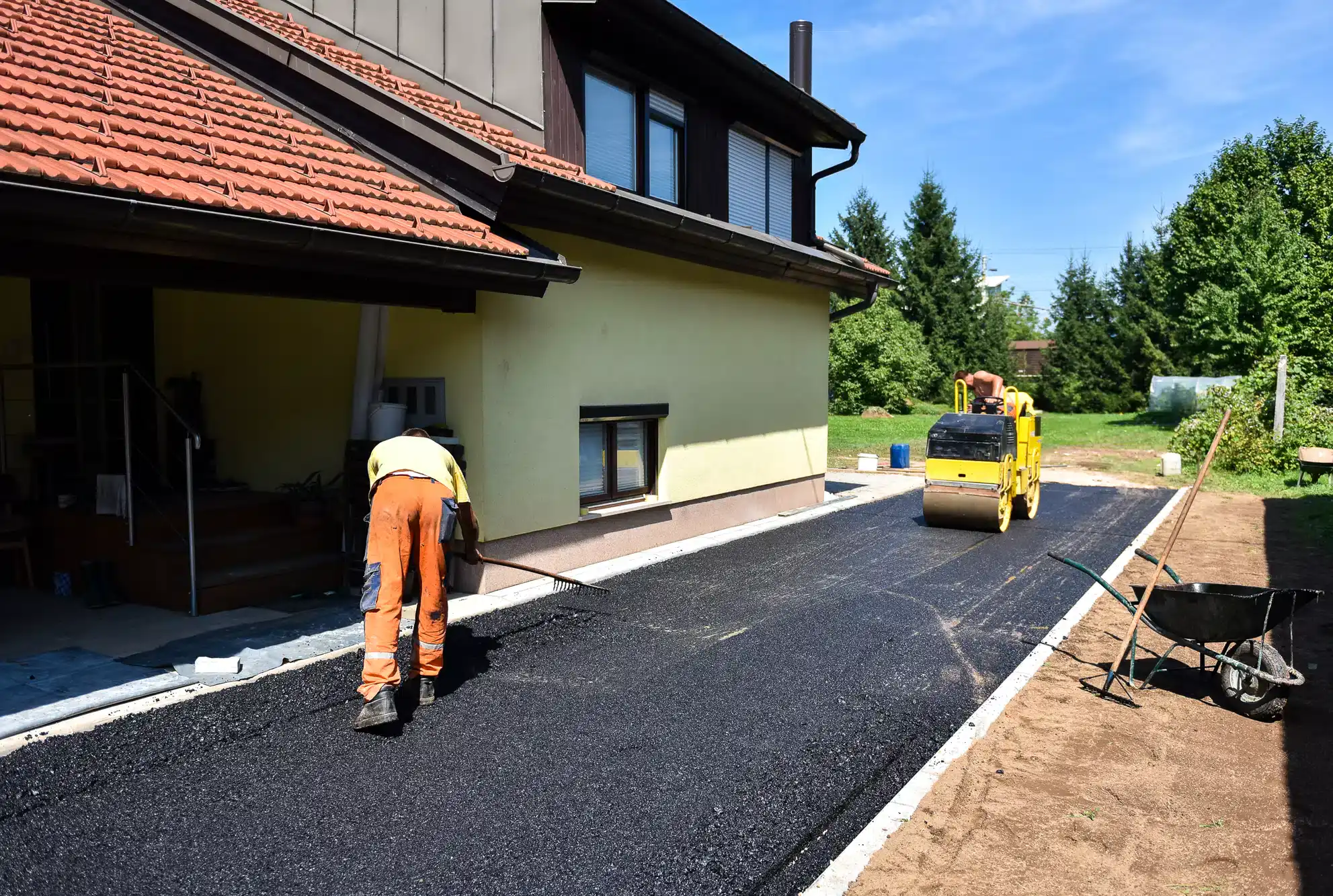
Asphalt roads in Florida typically need sealcoating every 3-5 years and minor crack repairs as needed. The material itself lasts 15-25 years with proper installation and maintenance. When you spread that cost over two decades, asphalt often comes out ahead financially.
Your vehicles take less punishment too. Rough gravel roads can easily cause $300 or more per year in suspension damage, tire wear, and alignment issues. Multiply that across multiple vehicles and family members, and smooth asphalt starts looking like the smarter investment.
Florida’s climate makes this equation even more complex. Our intense UV rays, humidity, and sudden temperature changes affect both materials differently. Gravel gets displaced by heavy rains and needs frequent reshaping. Asphalt, when properly installed for Florida conditions, handles our weather patterns much better long-term.
Beyond the obvious maintenance expenses, several hidden costs can tip the scales. Gravel roads create dust problems that affect air conditioning systems, require more frequent car washes, and can cause respiratory issues for sensitive individuals. The dust also settles on outdoor furniture, pool areas, and landscaping.
Emergency vehicle access becomes a real concern with poorly maintained gravel roads. Fire trucks and ambulances may have difficulty reaching your property during critical situations, especially after storms when gravel gets washed out or becomes impassable.
Property values tell another story. Well-maintained asphalt roads significantly boost curb appeal and property values. When potential buyers see a smooth, professional-looking access road, they’re more likely to consider the property seriously. Rough, dusty gravel roads can actually hurt property values and make homes harder to sell.
Insurance considerations matter too. Some insurance companies factor road conditions into their coverage decisions, particularly for properties in rural areas. A properly paved road demonstrates that the property is well-maintained and accessible for emergency services.
The permitting process also varies between materials. While both may require permits, asphalt installations often need more detailed engineering and drainage plans. However, this upfront planning prevents many future problems and ensures the road meets local standards for emergency access.</pa
Want live answers?
Connect with a Central Florida Blacktop Paving expert for fast, friendly support.
Florida’s climate tests every paving material. Summer temperatures that regularly hit 90+ degrees, humidity levels that stay high for months, and sudden afternoon thunderstorms create a challenging environment. The material that handles these conditions best depends on proper installation and realistic expectations.
Asphalt performs well in Florida’s heat when installed correctly. Modern asphalt mixes designed for high-temperature performance resist rutting and softening. The key is working with contractors who understand Florida-specific installation techniques and use appropriate materials for our climate.
Gravel roads face unique challenges in Florida. Heavy summer rains wash away material and create ruts that become muddy messes. During dry periods, vehicles kick up clouds of dust that reduce visibility and create health concerns. The sandy soil common in Polk County doesn’t provide the stable base that gravel roads need to perform well long-term.
Asphalt handles Florida’s weather patterns more predictably. Properly installed asphalt with adequate drainage sheds water effectively and doesn’t create the mud and dust problems associated with gravel. The smooth surface also makes snow removal easier during Florida’s rare cold snaps, though this isn’t typically a major concern in our area.
Hurricane and storm considerations matter too. Gravel roads often suffer significant damage during major weather events, requiring complete rebuilding of washed-out sections. Asphalt roads may crack or develop minor damage, but they typically remain passable and require less extensive repairs after storms.
The thermal expansion and contraction that happens with temperature changes affects asphalt more than gravel. However, modern installation techniques account for this movement, using proper joint spacing and flexible sealants that accommodate natural expansion without causing structural problems.
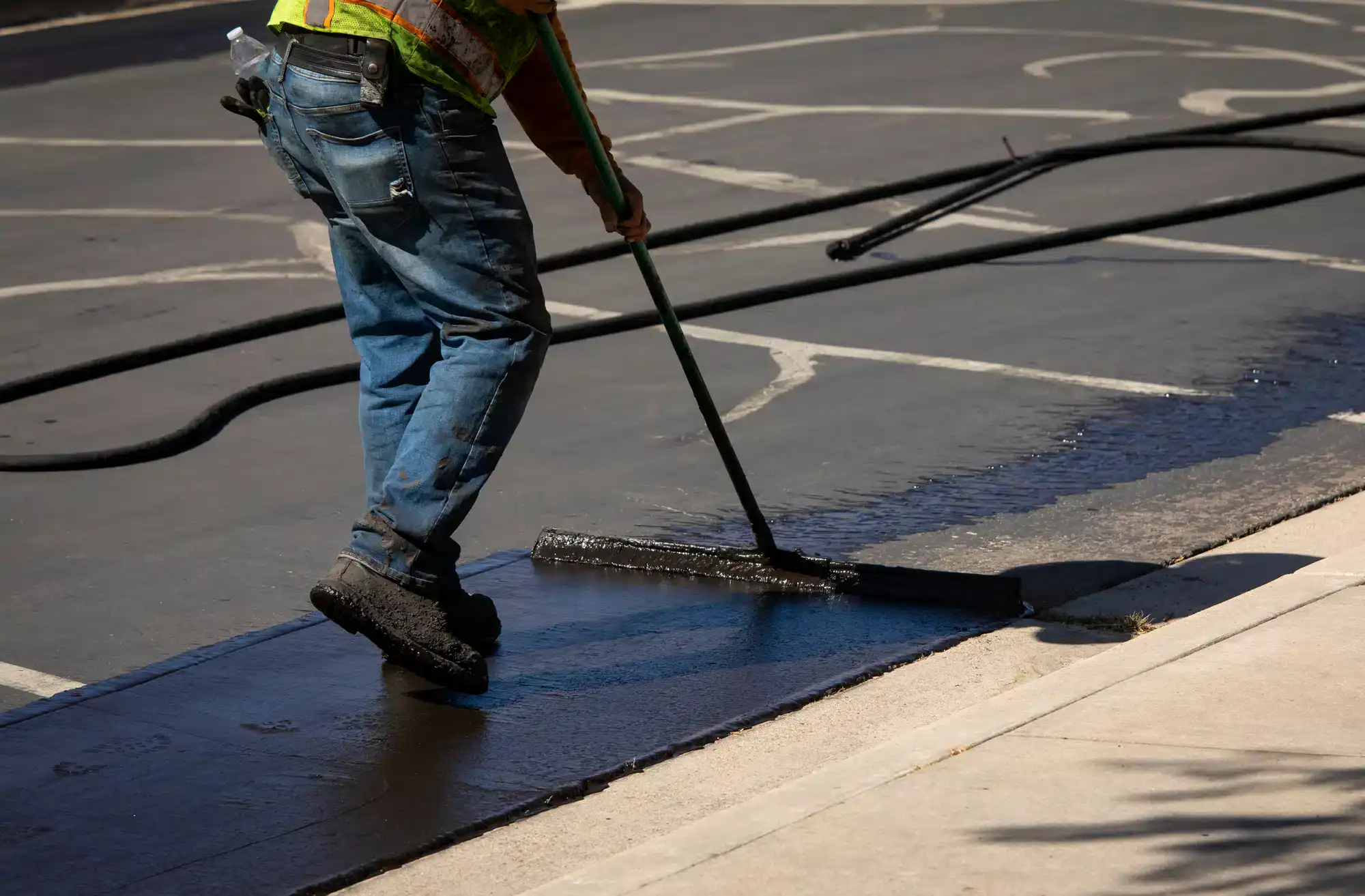
UV exposure from Florida’s intense sun breaks down asphalt binders over time, which is why regular sealcoating is essential. Gravel doesn’t have this specific vulnerability, but it faces other degradation issues from water erosion and material displacement that can be equally problematic.
The amount and type of traffic your private road handles significantly affects which material makes sense. Light residential traffic with occasional delivery trucks has different requirements than roads serving multiple homes or small businesses.
Gravel roads work reasonably well for very light traffic situations. If your road serves just one or two homes and sees minimal daily use, gravel might provide adequate service at lower upfront cost. However, even light traffic eventually creates ruts and requires maintenance, especially in areas with poor drainage.
Asphalt becomes the clear winner as traffic increases. Roads serving multiple families, frequent deliveries, or any commercial traffic need the durability that properly installed asphalt provides. The smooth surface also reduces noise, which neighbors appreciate in residential settings.
Consider future needs too. If you’re building in an area that might see development, or if family situations might change (elderly parents moving in, adult children returning home), planning for increased traffic makes sense. It’s much more expensive to upgrade from gravel to asphalt later than to install asphalt initially.
Emergency vehicle requirements also factor into this decision. Fire departments and ambulance services have specific requirements for road width, surface quality, and load-bearing capacity. Asphalt roads typically meet these requirements more easily and consistently than gravel roads, which can develop soft spots or washouts that prevent emergency access.
The best paving solution depends on your specific situation, budget, and long-term plans. Gravel roads offer lower upfront costs but require ongoing maintenance and may not provide the durability you need in Florida’s challenging climate. Asphalt costs more initially but typically offers better long-term value through reduced maintenance, improved property values, and better performance in our weather conditions.
Consider your total cost of ownership over 15-20 years, not just the initial installation cost. Factor in vehicle maintenance, property values, and the convenience of having a road that performs well year-round. For most Polk County properties, asphalt provides the best combination of durability, performance, and long-term value.
When you’re ready to move forward, work with contractors who understand Florida’s specific challenges and use installation techniques designed for our climate. We have the experience and local knowledge to help you make the right choice for your property and ensure proper installation that lasts for decades.
Article details:
Share:
Continue learning: