Discover the complete asphalt paving process and what makes professional driveway installation worth the investment in Polk County's challenging climate.
Share:
Summary:
Professional asphalt paving is more complex than most homeowners realize. It’s not just laying hot asphalt over existing ground. The process requires specialized equipment, climate-specific materials, and techniques proven to work in Florida’s demanding environment.
Each step builds on the previous one. Skip proper site preparation, and your beautiful new driveway will crack within two years. Rush the base work, and you’ll have settling issues that create expensive problems. Use generic materials instead of Florida-rated mixes, and summer heat will soften your investment into ruts and depressions.
That’s why we follow proven processes designed specifically for Central Florida’s climate challenges.
Everything starts with proper site preparation. We first remove existing surfaces, whether that’s old asphalt, concrete, or pavers. This demolition work requires heavy machinery like bobcats and dump trucks to clear the area completely.
Next comes grading, which is absolutely critical in Polk County, FL. Your property needs proper slope to direct water away from structures and toward appropriate drainage areas. Heavy afternoon storms can dump inches of rain in minutes, and water that pools on or under your asphalt will destroy the base and create expensive problems.
We use laser-guided equipment to ensure precise grading. We analyze your property’s natural drainage patterns and create the right crown in driveways to prevent water pooling. This isn’t glamorous work, but it’s what separates installations that last from ones that fail.
The grading process also accounts for Central Florida’s sandy soils, which actually work in asphalt’s favor by providing better drainage than clay soils. However, sandy soil requires specific compaction techniques to prevent settling issues down the road. We understand these local soil conditions and adjust our approach accordingly.
The base layer is your driveway’s foundation, and it needs to be rock-solid to support decades of use in Florida’s challenging climate. We excavate to the correct depth based on your soil conditions and intended use. Clay-based soils typically require about 8 inches of crushed rock, while sandy soils need at least 4 inches.
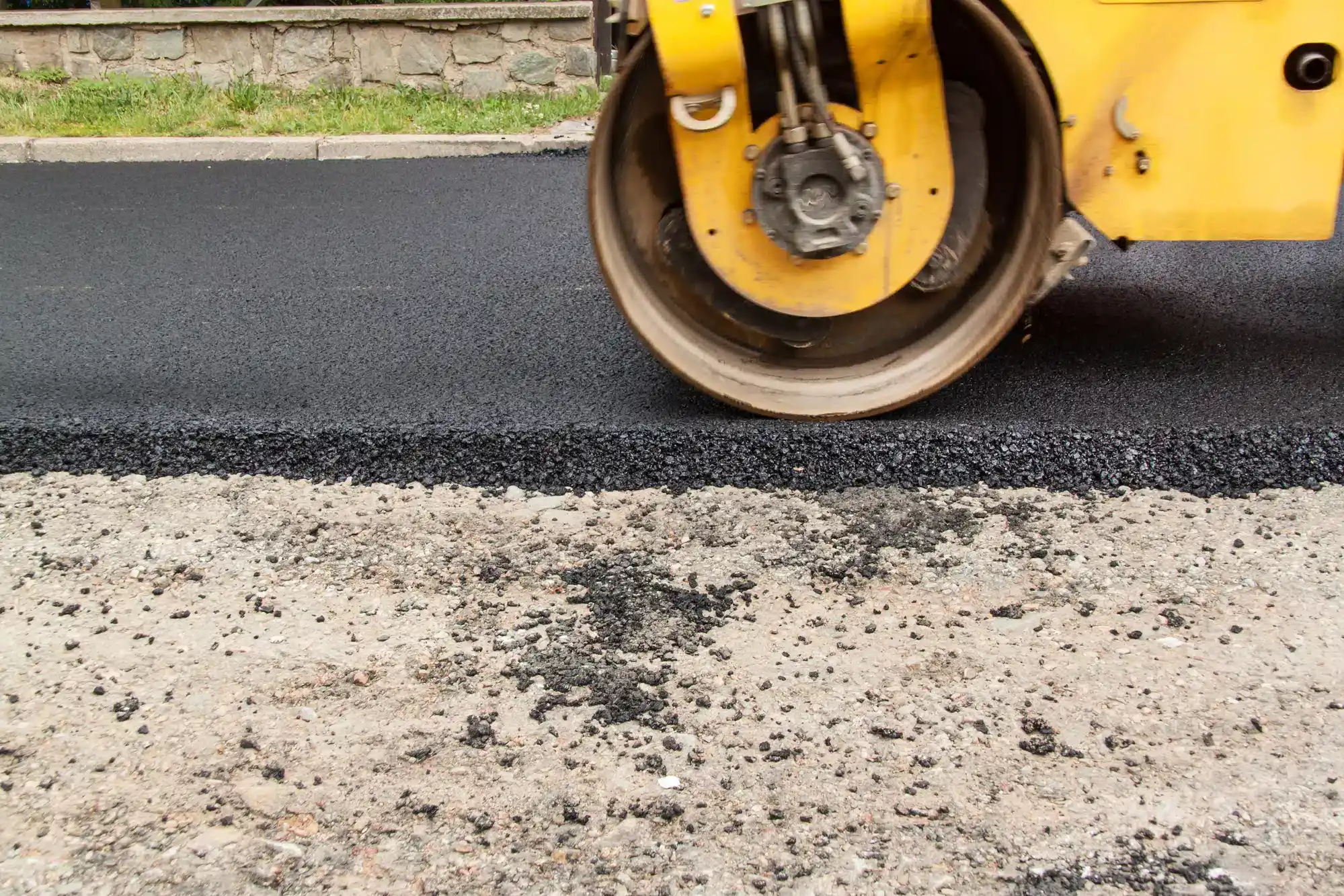
This aggregate base provides stability and acts as a drainage layer that helps water flow away from your asphalt surface. The base material is carefully graded and compacted using heavy rollers to eliminate air pockets and create a stable foundation that won’t shift during Polk County’s temperature swings and heavy rainfall.
A poorly compacted base will shift and settle, causing cracks and depressions in your asphalt surface. We perform proof rolling after compaction, using heavy equipment to identify any soft spots that need additional work before proceeding.
The base also includes proper transitions to existing surfaces like sidewalks, garage floors, or street connections. These transition areas require special attention to ensure smooth grades and proper water runoff at every connection point. Getting these details right prevents the pooling and drainage issues that destroy asphalt in Florida’s climate.
Want live answers?
Connect with a Central Florida Blacktop Paving expert for fast, friendly support.
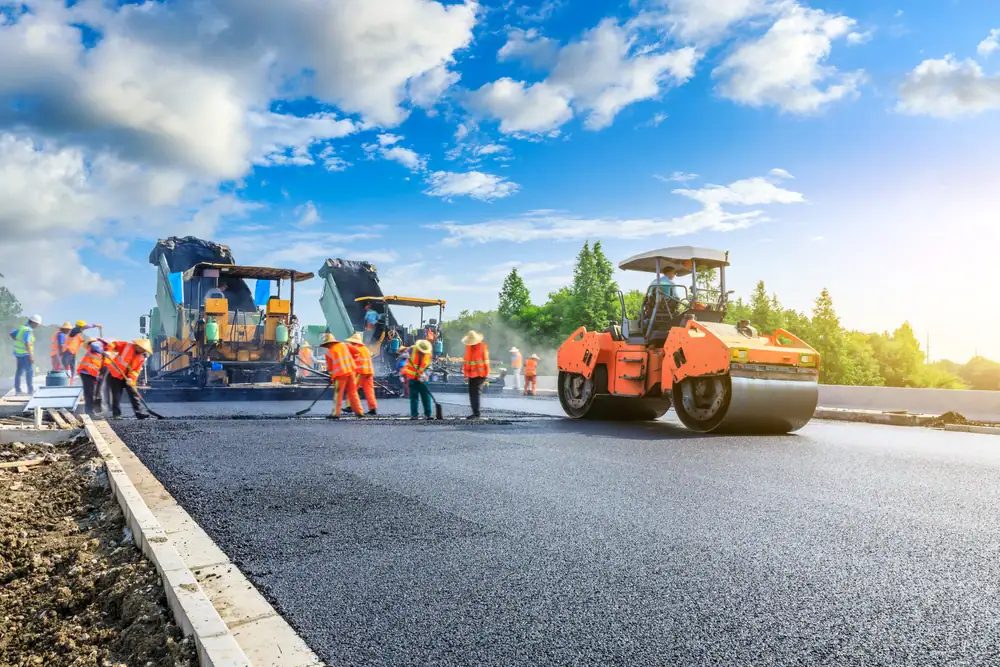
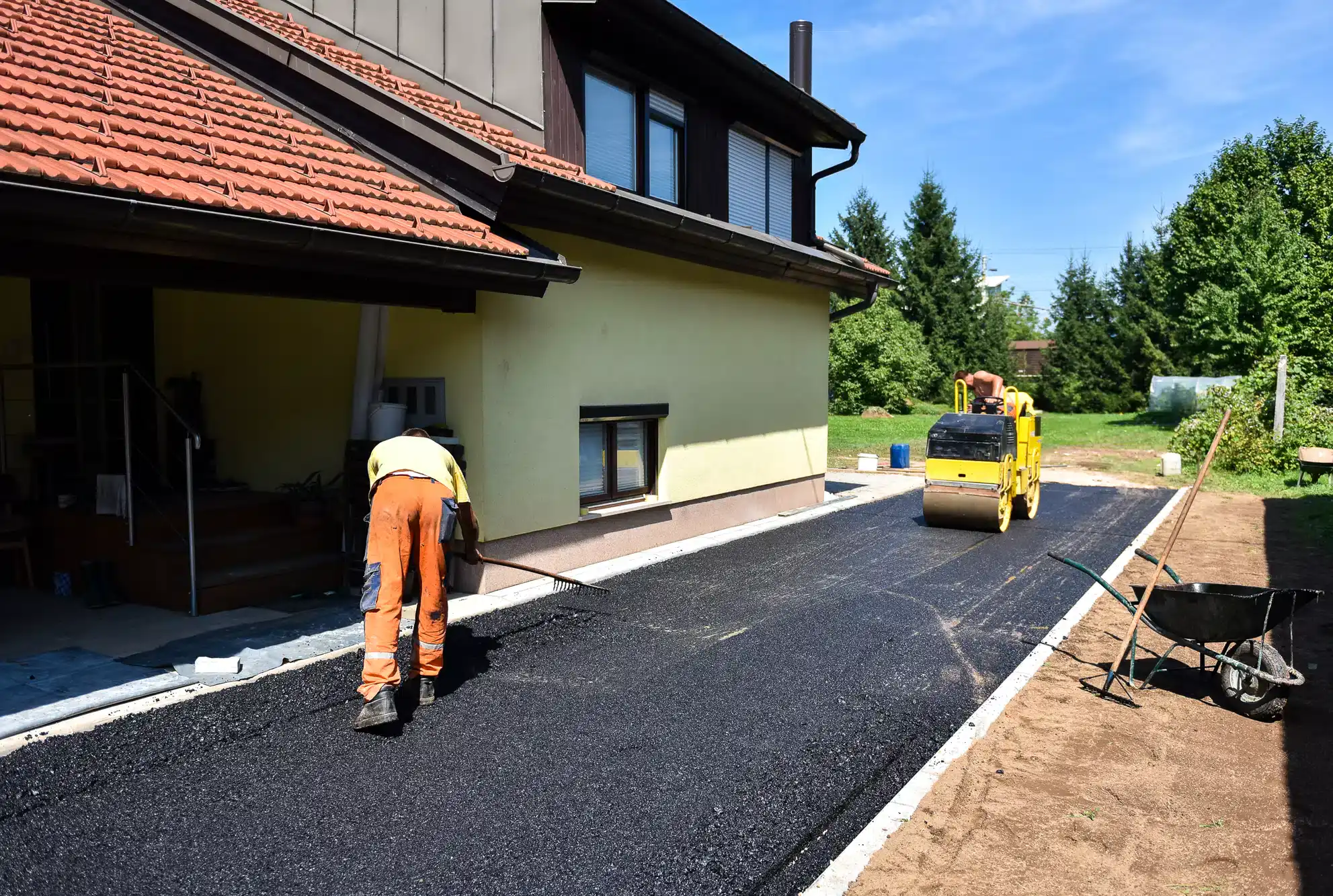
Once the base is properly prepared, it’s time for the actual asphalt installation. We use hot-mix asphalt specifically formulated for Florida’s temperature ranges and humidity levels. These specialized mixes handle our intense heat without softening or rutting under vehicle weight.
The asphalt arrives at optimal temperature and must be installed quickly before it cools. Our crews coordinate material delivery, paving, and compaction to maintain proper working temperatures throughout the process. Florida’s warm climate actually helps here, giving us more working time than contractors would get in colder regions.
Installation involves laying the asphalt at proper thickness, typically 2-3 inches for residential driveways, then compacting it with heavy rollers to achieve the correct density and smooth finish.
Florida’s climate creates unique opportunities and challenges for residential asphalt paving. Unlike northern states where paving seasons are limited, we can install asphalt year-round in Polk County thanks to our mild winter temperatures. Even our coldest months see temperatures around 60-65 degrees, which is workable for paving projects.
However, we must carefully time installations around our weather patterns. We avoid paving during heavy rain periods since moisture can compromise the installation. Summer months offer the longest working windows, but we must schedule around afternoon thunderstorms that are common in Central Florida.
The ideal conditions are dry weather with temperatures above 70 degrees, giving the asphalt time to properly compact and cure. We monitor weather forecasts closely and communicate any necessary schedule adjustments to ensure quality results for your driveway project.
Temperature also affects the asphalt mix itself. We use materials rated for Florida’s surface temperatures, which can reach 130-140 degrees in direct sunlight. Generic mixes that work fine in cooler climates often fail here due to softening and rutting in our intense heat. That’s why choosing contractors who understand local conditions makes such a difference in long-term performance.
Proper compaction is crucial for creating asphalt driveways that perform well in Florida’s climate. We use heavy rollers to compress the asphalt to the correct density, eliminating air pockets that could allow water infiltration or create weak spots that fail under Central Florida’s temperature extremes.
The compaction process must happen while the asphalt is still at optimal temperature. Wait too long, and the material becomes too rigid for proper compaction. Rush the process, and you won’t achieve the density needed for long-term durability in Polk County’s challenging environment.
Our crews pay special attention to edges and transitions during compaction. These areas are often the first to fail if not properly finished, so we use specialized hand tools and smaller equipment to ensure consistent compaction throughout the entire driveway surface.
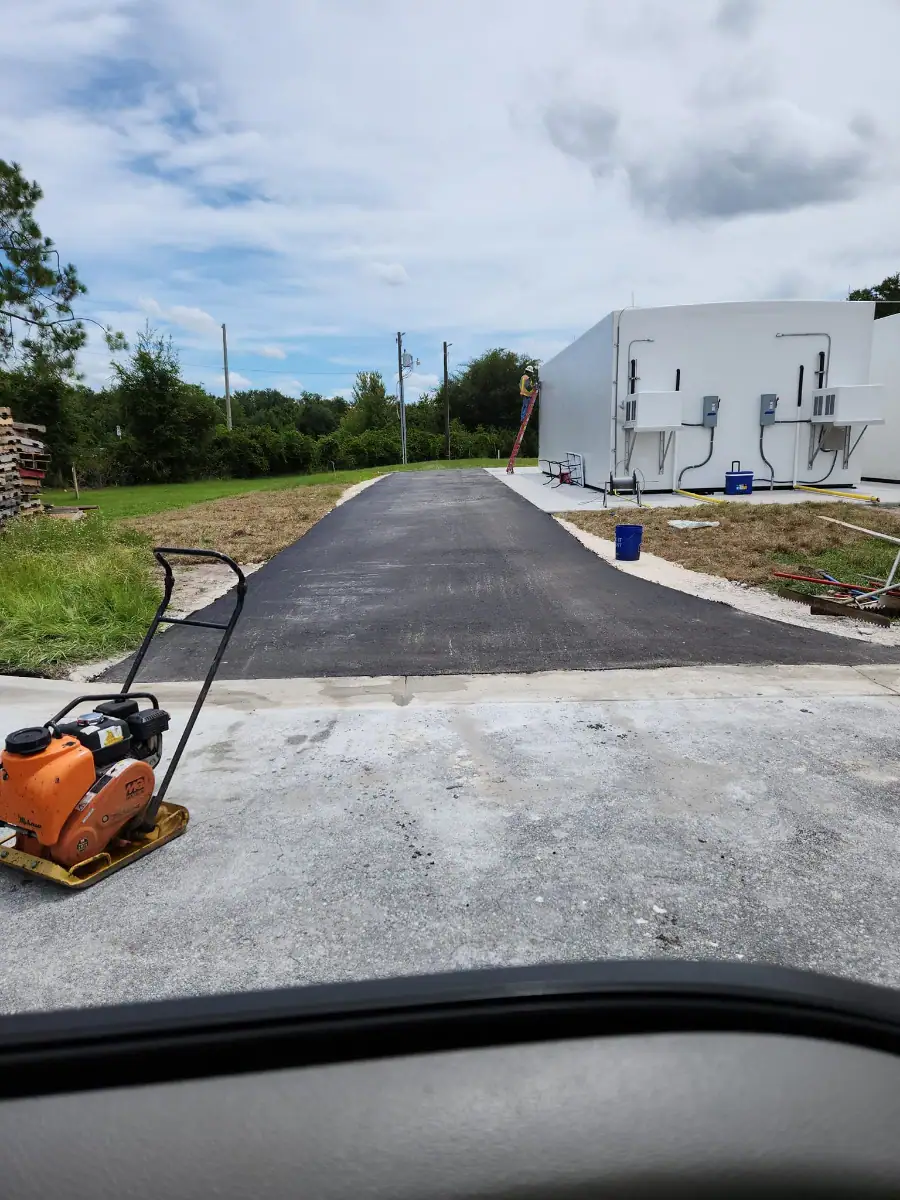
The final step involves creating smooth transitions to existing surfaces and ensuring proper drainage at all connection points. Butt joints where new asphalt meets old surfaces require careful grading to prevent water pooling and ensure you don’t notice any difference between old and new areas when driving.
Professional asphalt paving involves far more than most homeowners realize. From climate-specific materials to precise grading and compaction techniques, each step requires specialized knowledge and equipment to deliver results that last in Florida’s challenging environment.
When you understand what goes into quality installation, you can make informed decisions about contractors and set realistic expectations for your driveway project. The difference between professional installation and shortcuts shows up in year three, when properly installed driveways are still performing while others need expensive repairs.
At Central Florida Blacktop Paving Inc., we bring the specialized expertise and proven techniques needed to create driveways that handle whatever Florida’s climate demands.
Article details:
Share:
Continue learning: