Not every paving bid is quoting the same job. Here's how to tell the difference between a standard overlay and a mill & overlay — and what it means for your budget.
Share:
Summary:
You’ve noticed the lot is getting rough. Maybe there are cracks spreading across the surface, or the color has gone from black to a faded gray. You call a few contractors, and suddenly you’re looking at three bids that all say “resurfacing” — but the prices are nowhere near each other.
That’s not a coincidence. “Resurfacing” means different things to different contractors, and if you don’t know what you’re actually comparing, it’s easy to choose the wrong option — or overpay for one you didn’t need.
This post explains the real cost difference between a standard asphalt overlay and a mill-and-overlay, what drives those numbers in Polk County’s climate, and how to know which method your surface actually calls for.
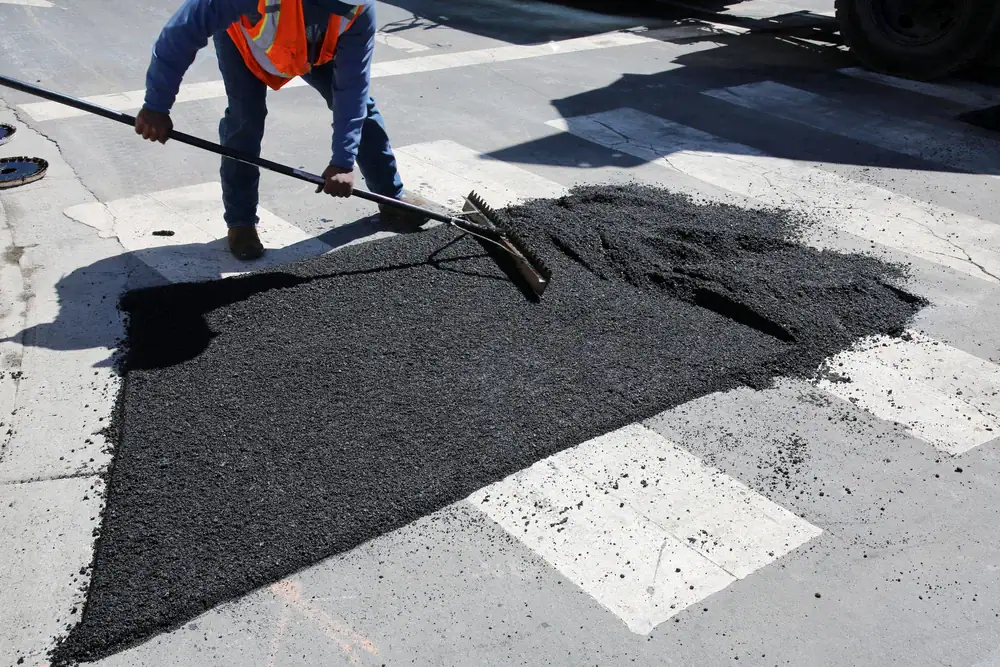
The national range for asphalt overlay runs from about $2 to $7 per square foot, but that spread exists because “overlay” can mean very different things. A standard overlay — where new asphalt is applied directly over the existing surface without removing anything — sits at the lower end. A mill-and-overlay, where the top layer of old pavement is ground down and removed before the new asphalt goes in, costs more upfront.
For commercial parking lots in Polk County, FL, we typically price standard overlays in the $1 to $3 per square foot range. Mill-and-overlay projects run higher because milling itself adds roughly $1.00 to $2.50 per square foot to the job. That might not sound like much per square foot, but on a 10,000-square-foot lot, you’re talking about a $10,000 to $25,000 difference in prep costs alone.
Full replacement, by comparison, runs $5 to $12 per square foot or more. When conditions are right for an overlay, you’re typically saving 30 to 50 percent over what a full replacement would cost — which is exactly why it’s worth understanding when an overlay is actually appropriate.
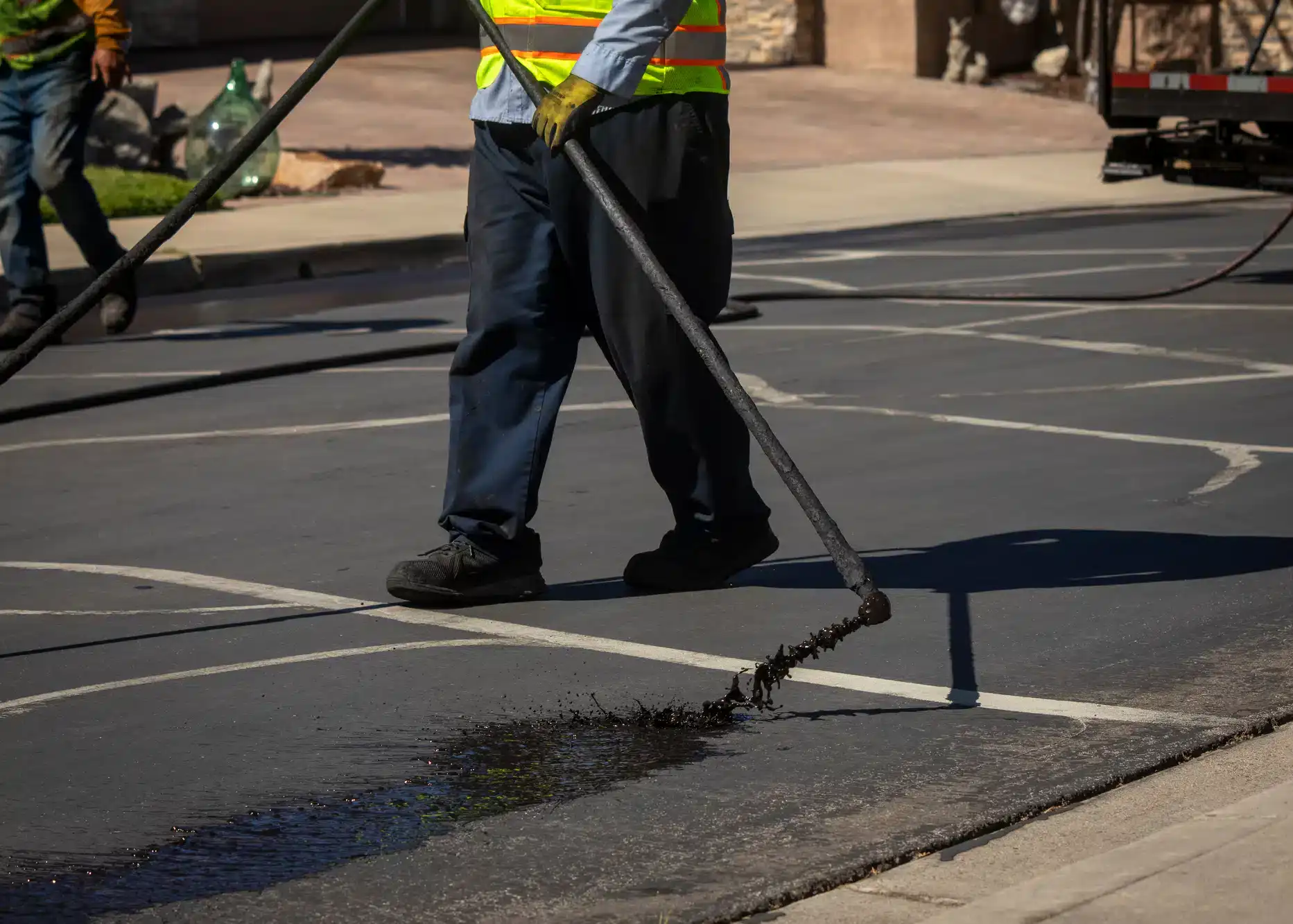
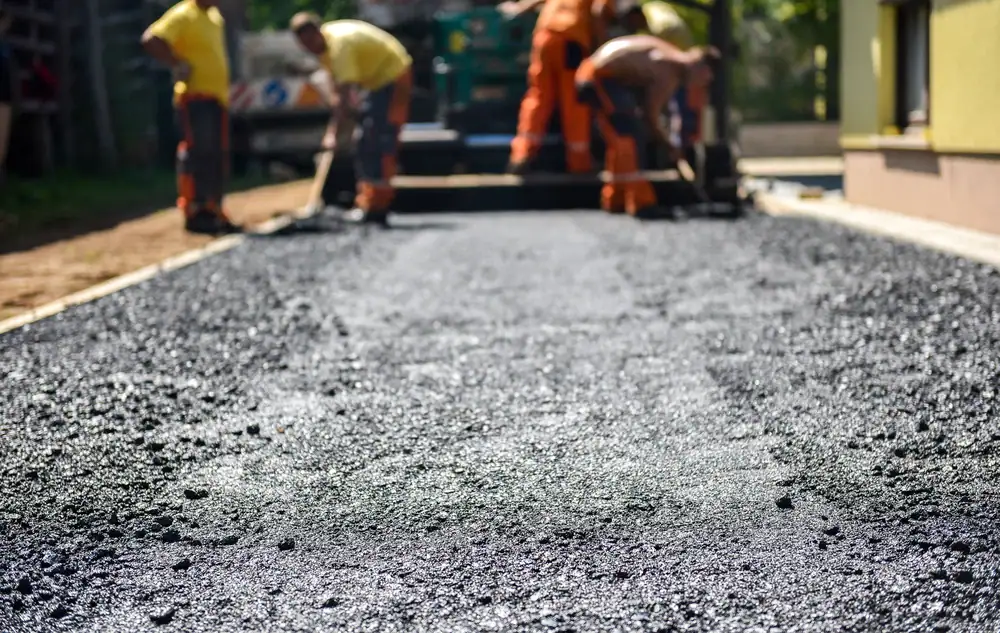
A standard overlay is exactly what it sounds like — a fresh layer of hot mix asphalt, typically 1.5 to 2 inches thick, applied directly over the existing surface. The old pavement stays in place. The new layer bonds to it with a tack coat, a thin adhesive application that helps the layers grip each other. When the base underneath is structurally sound and the surface damage is limited, this is a clean, cost-effective solution that can add 8 to 15 years of service life.
Milling changes the equation. Before the new asphalt goes down, a milling machine grinds off the top 1.5 to 3 inches of the existing surface. That ground-up material — called reclaimed asphalt pavement — is typically recycled back into new asphalt mixes, which is one reason mill-and-overlay is considered the more sustainable option. But the real reason to mill isn’t environmental. It’s practical.
Every time you overlay without milling, you raise the surface elevation. On a commercial property, that matters a lot. Curb heights change. Storm drain inlets that once handled runoff correctly may end up sitting too high or too low relative to the new surface. ADA-compliant ramps at building entrances have specific slope requirements — add an inch and a half of new asphalt at the wrong location and you can fall out of compliance without realizing it.
There’s also the issue of reflective cracking. If the surface underneath has significant cracking — cracks that have widened and spread — those same patterns tend to telegraph back up through a standard overlay within a year or two. Milling removes the damaged material before the new layer goes down, which is why mill-and-overlay holds up better on lots with moderate to heavy existing damage. The upfront cost is higher, but the outcome is more durable and the timeline before your next intervention is longer.
For most commercial properties in Polk County, FL that have been in service for 15 to 20 years, the mill-and-overlay is usually the better long-term investment — not because it’s always necessary, but because the lots that have been through one or two standard overlays already are often at the point where milling is the only way to preserve drainage and avoid ADA issues at curbs and building entries.
This is the question most property managers actually want answered, and it’s the one most paving bids don’t address directly. The short version: if less than 25 to 30 percent of your pavement surface shows significant damage, resurfacing is almost always the right call. Once you cross that threshold — especially if the damage includes large areas of alligator cracking, which looks like a pattern of interconnected cracks resembling a reptile’s skin — the base underneath may have already failed, and overlaying it won’t solve the underlying problem.
Alligator cracking is the visual cue that matters most. Surface cracks that are narrow and relatively isolated can be addressed with crack sealing or resurfacing. But alligator cracking indicates that the structural layers below the surface have been compromised, usually by water infiltration or subgrade movement. Paving over a failed base is the most common reason overlays fail prematurely — and it’s also the most common reason a property manager ends up paying for the same lot twice in five years.
In Polk County, FL specifically, the soil conditions underneath your pavement play a significant role in how quickly that base can deteriorate. Clay soils, which are common in areas like Nichols, expand and contract with moisture changes — and Central Florida’s rainy season from June through September delivers the kind of concentrated, heavy rainfall that accelerates that cycle. Sandy soils in areas like Davenport drain better but can shift under load. Neither is inherently problematic if the base was properly prepared when the lot was first built, but both can become a factor as pavement ages.
Florida’s sun adds another layer of urgency that most national cost guides don’t account for. Polk County, FL averages more than 230 sunny days per year. UV radiation breaks down the asphalt binder — the material that holds the aggregate together — faster here than in northern markets. A lot that looks structurally sound but has gone gray and brittle may be closer to the replacement threshold than it appears. The window for a cost-effective overlay is shorter in this climate, which is why getting a proper assessment before the surface deteriorates further is worth doing sooner rather than later.
Want live answers?
Connect with a Central Florida Blacktop Paving expert for fast, friendly support.
The reason three bids for the same parking lot can look so different comes down to scope. One contractor might be quoting a standard overlay with minimal prep. Another might be quoting a mill-and-overlay. A third might be recommending full replacement. All three might use the word “resurfacing” in their proposal.
The only way to compare bids accurately is to ask each contractor to specify the method, the depth of new asphalt, whether milling is included, and what prep work is being done before the new material goes down. A detailed written estimate that breaks down material costs, labor, and prep separately is the baseline for any legitimate commercial paving proposal. If a bid gives you a single total number without explaining what’s included, that’s a reason to ask more questions before signing anything.
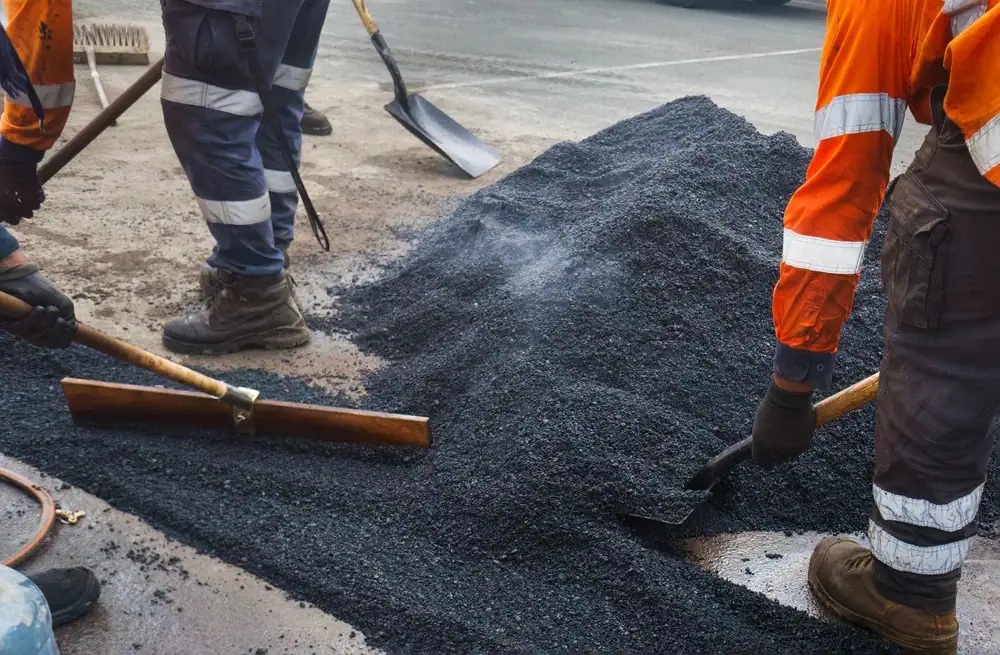
Standard overlays are 25 to 35 percent less expensive upfront than mill-and-overlay projects. On a large commercial lot, that’s a meaningful dollar difference, and it’s easy to see why a lower bid looks attractive. But the math changes if the cheaper option was the wrong choice for your specific surface.
If a contractor overlays a lot that needed milling first — because the existing surface had significant cracking or the elevation increase would cause drainage problems — reflective cracking typically returns within one to two years. At that point, you’re looking at another intervention, and the cost of the second project often exceeds what milling would have added to the first one. You’ve paid more in total, and your lot is still not in good shape.
This isn’t a rare scenario. It’s one of the more predictable failure patterns in commercial paving, and it happens most often when a property manager chooses a bid based on price alone without understanding what method is actually being proposed. The question to ask isn’t “how much does an overlay cost?” — it’s whether an overlay, a mill-and-overlay, or something else entirely is the right answer for the condition your surface is actually in.
There’s also a practical ceiling on how many overlays a parking lot can handle before reconstruction becomes unavoidable. After two standard overlays, most lots have accumulated enough elevation that tie-ins at curbs, building entries, and storm drains no longer function correctly. At that point, the only real option is to mill everything down and start fresh — which is essentially a full reconstruction. Knowing where your lot sits in that cycle is important context for any resurfacing decision.
An overlay isn’t a permanent fix, but it doesn’t have to feel like a temporary one either. A properly installed overlay on a structurally sound base — with the right asphalt mix for Polk County, FL’s climate conditions — can realistically deliver 8 to 15 years of service life before the next major intervention is needed. The variable is maintenance.
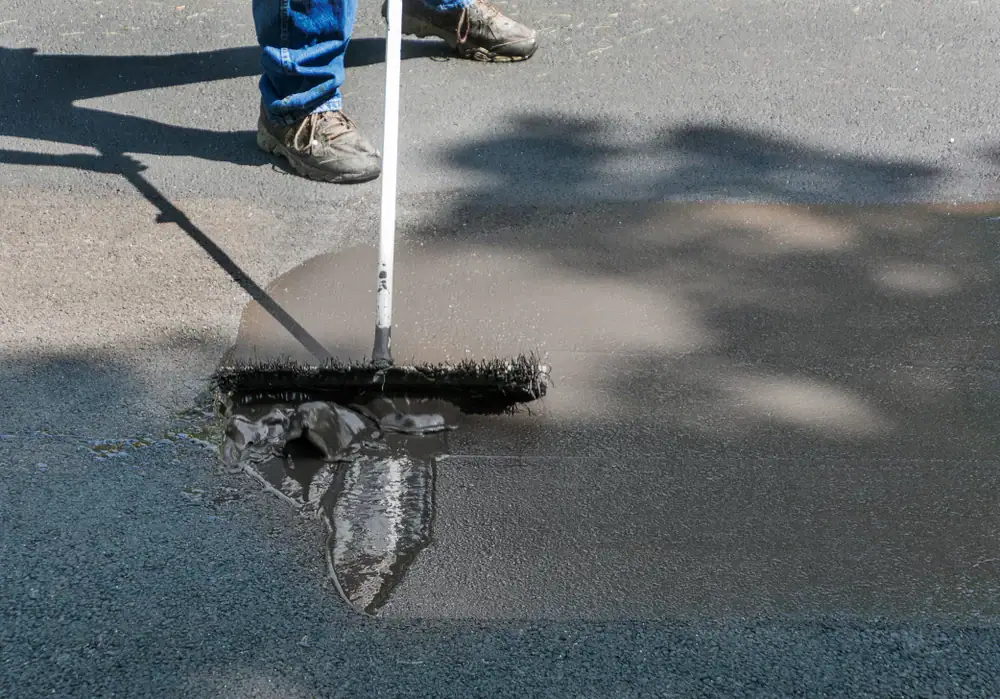
Sealcoating is the most important thing you can do to protect a resurfaced lot. Applying a sealcoat every two to three years after an overlay slows UV oxidation, keeps water from penetrating surface cracks, and extends the life of the new layer significantly. Without it, Florida’s sun starts breaking down the binder almost immediately after the new surface is laid. With consistent sealcoating, a resurfaced lot can perform well for well over a decade.
Crack sealing matters too. Small cracks that develop in the years after an overlay should be addressed before they widen and allow water infiltration. In Polk County, FL’s wet season, water that gets into even a minor crack can work its way down to the base. The volume and intensity of summer rainfall creates its own form of hydraulic pressure on aging pavement. Catching cracks early is significantly cheaper than dealing with the base damage that follows if they’re left alone.
The practical upshot is that an overlay isn’t a one-time spend — it’s the beginning of a maintenance cycle. Property managers who treat it that way consistently get more years out of their pavement than those who resurface, walk away, and don’t think about it again until the surface is visibly failing. Pavement that’s properly maintained from the point of resurfacing forward doesn’t just last longer — it looks better for longer, which matters if your property’s appearance reflects on your business or your tenants.
For Polk County, FL commercial properties that have seen significant growth in traffic over the past decade — whether from the logistics activity along the I-4 corridor, increased retail density in Lakeland and Winter Haven, or the short-term rental boom around Davenport — that maintenance cycle is worth building into your property management budget as a line item, not an emergency expense.
The cost difference between a standard overlay, a mill-and-overlay, and full replacement is real — and so is the cost of choosing the wrong one. The right answer depends on your surface condition, your lot’s history, and the specific soil and drainage factors underneath it.
What we’ve seen over four decades of working in Central Florida is that most property managers don’t need the most expensive option — they need an honest assessment of where their pavement actually stands and a clear explanation of what each method will and won’t accomplish. That’s the conversation worth having before any work begins.
If your Polk County, FL lot is showing wear and you’re not sure whether you’re looking at an overlay, a mill-and-overlay, or something else entirely, Central Florida Blacktop Paving Inc. offers free consultations with a detailed written estimate — no pressure, no vague totals, just a straight answer about what your surface needs and what it will cost.
Article details:
Share:
Continue learning: