Essential maintenance strategies to protect your Polk County driveway from Florida's intense heat, heavy rains, and UV damage year-round.
Share:
Summary:
Your asphalt faces challenges that homeowners in other states rarely encounter. The combination of intense UV radiation, high humidity, and extreme temperature fluctuations creates a perfect storm for pavement deterioration.
Unlike northern climates where freeze-thaw cycles are the main concern, your Polk County driveway deals with constant expansion and contraction from daily temperature swings. Add in Florida’s notorious afternoon thunderstorms, and you’ve got conditions that can turn minor surface issues into major structural problems within months.
The Florida sun isn’t just uncomfortable for you—it’s actively destroying your driveway. UV radiation breaks down the binding agents that hold your asphalt together, causing the surface to become brittle and prone to cracking. This process, called oxidation, turns your once-black driveway into a dull, gray surface that looks aged and worn.
You’ll notice this happening gradually. Fresh asphalt has a rich, dark appearance that gradually fades to gray as the binders deteriorate. The surface becomes rougher, making it harder to clean and more likely to collect debris. Oil stains become more prominent because the deteriorated surface absorbs spills instead of repelling them.
The good news is that this process is predictable and preventable. Understanding how UV damage progresses helps you time your maintenance correctly. Most Polk County homeowners need to address UV damage every 3-5 years, depending on their driveway’s exposure and traffic patterns. Catching it early means simple preventive measures instead of expensive repairs.
You might think rain is less damaging than snow and ice, but Florida’s rainfall patterns create unique problems for asphalt maintenance. Our intense downpours dump massive amounts of water in short periods, overwhelming drainage systems and pooling on improperly graded surfaces.
Water infiltration is your driveway’s biggest enemy. When water seeps through cracks and reaches the foundation layer, it weakens the entire structure. Florida’s high humidity means this moisture doesn’t evaporate quickly, creating perfect conditions for foundation damage. The constant wet-dry cycles cause the foundation to expand and contract, leading to settling and more cracking.
Standing water accelerates every other form of damage. It speeds up UV deterioration, provides breeding grounds for organic growth, and creates safety hazards. Even small puddles indicate drainage problems that will get worse over time. The key is addressing water issues before they compromise your driveway’s structural integrity.
Proper drainage isn’t just about slope—it’s about ensuring water moves away from your asphalt quickly and completely. This might mean adjusting grades, installing drainage solutions, or addressing landscape issues that direct water toward your driveway.
Want live answers?
Connect with a Central Florida Blacktop Paving expert for fast, friendly support.
Timing is everything with asphalt maintenance in Florida. The wrong timing can waste money or leave you vulnerable to damage during our most challenging weather periods. Your maintenance schedule needs to work around Florida’s unique climate patterns, not against them.
Spring offers the ideal window for major maintenance projects. After winter’s mild temperatures and before summer’s intense heat, you can assess damage that developed during the previous year and complete projects under optimal conditions.
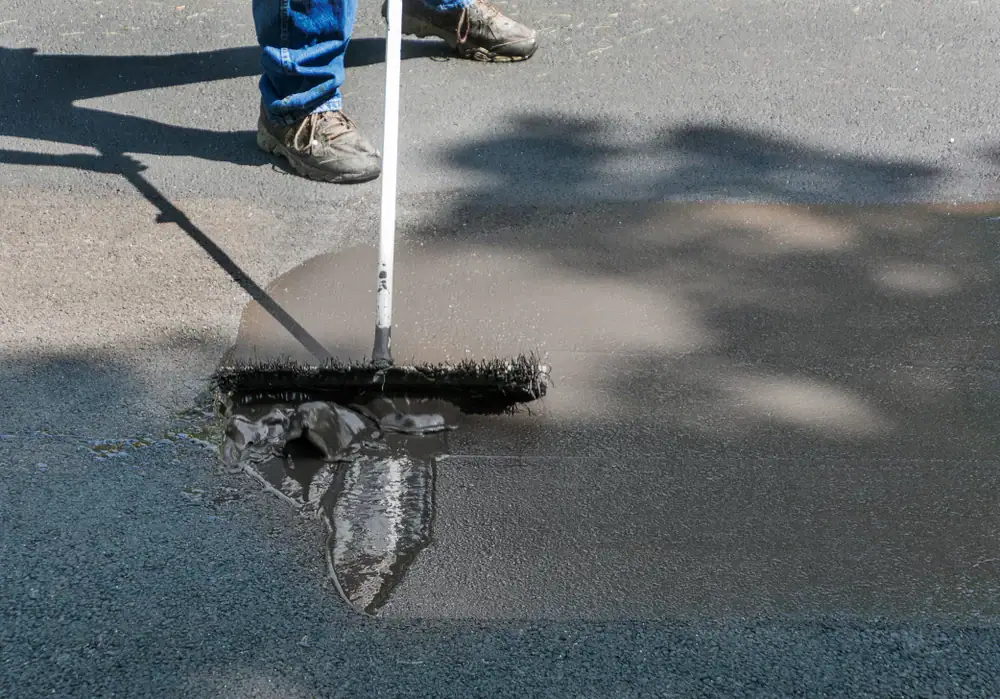
Seal coating provides the most cost-effective protection against Florida’s harsh conditions, but timing the application correctly makes the difference between years of protection and wasted money. Most Polk County homeowners need seal coating every 3-5 years, but your specific timeline depends on exposure, traffic, and the quality of previous applications.
The best time for seal coating in Central Florida is during our brief dry season, typically late fall through early spring. You need several consecutive dry days for proper curing, which can be challenging during summer storm season. Temperature matters too—applications work best when temperatures stay between 50-85 degrees with low humidity.
Watch for signs that indicate it’s time to seal coat. If your driveway has faded from black to gray, if water soaks in instead of beading up, or if small cracks are starting to appear, you’re in the ideal window for seal coating. Wait too long, and you’ll need repairs before the seal coating can be effective.
Don’t seal coat over damaged asphalt. Cracks, potholes, and drainage issues need to be addressed first. Seal coating over existing problems just hides them temporarily while allowing water infiltration to continue causing structural damage underneath.
Small cracks in your Polk County driveway aren’t just cosmetic issues—they’re early warning signs of bigger problems. Florida’s climate turns minor cracks into major repairs faster than almost anywhere else. The combination of water infiltration and constant temperature changes means a hairline crack can become a pothole within a single storm season.
You’ll see different types of cracks that indicate different problems. Hairline cracks usually result from normal aging and UV exposure. Wider cracks that run across the driveway often indicate foundation issues or improper installation. Alligator cracking—interconnected cracks that look like reptile skin—signals serious structural problems that need professional attention immediately.
The key is addressing cracks while they’re still small and manageable. Clean out debris, apply appropriate crack filler, and monitor the repair. In Florida’s climate, you want to complete crack repairs during dry weather when materials can cure properly. Summer afternoon thunderstorms can wash out fresh repairs, so timing matters.
Don’t ignore edge cracks where your driveway meets grass or landscaping. These areas are particularly vulnerable to water damage and can undermine the entire driveway structure. Proper edge sealing and drainage management prevent these problems from spreading to the main surface.
Your driveway represents a significant investment in your property’s value and functionality. With proper maintenance tailored to Florida’s unique conditions, you can extend its life by decades while avoiding costly emergency repairs. The key is understanding that generic maintenance advice doesn’t work in our climate—you need strategies designed specifically for Central Florida’s challenges.
Regular inspections, timely seal coating, and prompt crack repair form the foundation of effective asphalt maintenance. By staying ahead of problems instead of reacting to them, you protect both your investment and your peace of mind. When you need professional expertise for major maintenance or repairs, we understand exactly what your Polk County property faces and provide the specialized solutions your asphalt needs to thrive in our challenging environment.
Article details:
Share:
Continue learning: