Contractor said you need milling. Another said a simple overlay is fine. Here's how to figure out who's actually right — before you spend a dollar.
Share:
Summary:
You’ve gotten two quotes. One contractor says you need full milling before any new asphalt goes down. The other says a straight overlay will do the job. The prices are different, the explanations were vague, and now you’re trying to figure out who to believe.
This happens constantly in Polk County. And the honest answer is: both contractors could be right — or wrong — depending on what’s actually going on with your pavement. The difference between milling and a simple overlay isn’t just a price gap. It’s a structural decision that affects how long your lot holds up, how well it drains, and whether you’re back to square one in two years or ten.
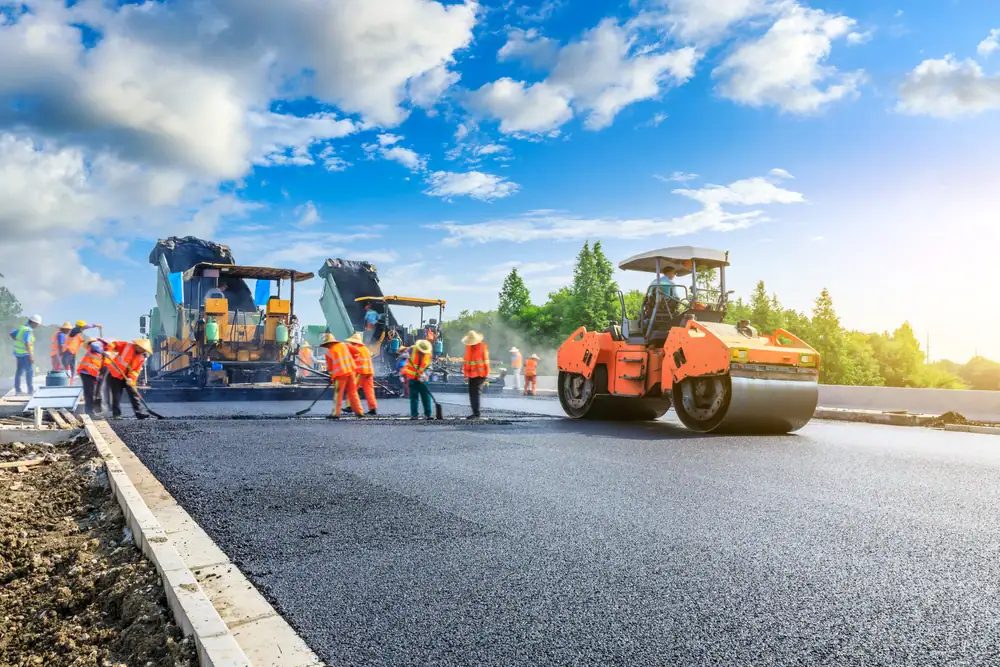
Asphalt milling — sometimes called cold planing or pavement milling — is the process of mechanically grinding off the top layer of an existing asphalt surface, typically one to three inches deep. The milling machine uses a rotating drum studded with carbide teeth to shave off the damaged surface layer without disturbing the base material underneath. What’s left is a clean, textured surface ready to accept new asphalt.
The process originated in the mid-1970s as an alternative to tearing out and rebuilding entire pavements. The key insight was that most parking lot failures happen at the surface — not in the base. If the sub-base is still structurally sound, there’s no reason to dig it all up. You remove what’s failing, and you replace only that.
One thing worth knowing: the material that gets milled off doesn’t go to waste. Reclaimed asphalt pavement is recycled back into new asphalt mixes at a rate of over 96% nationally, making it one of the most recycled materials in the country.
Milling isn’t always necessary — and a contractor who recommends it for every job isn’t doing you any favors. But there are specific situations where skipping it creates real problems down the road.
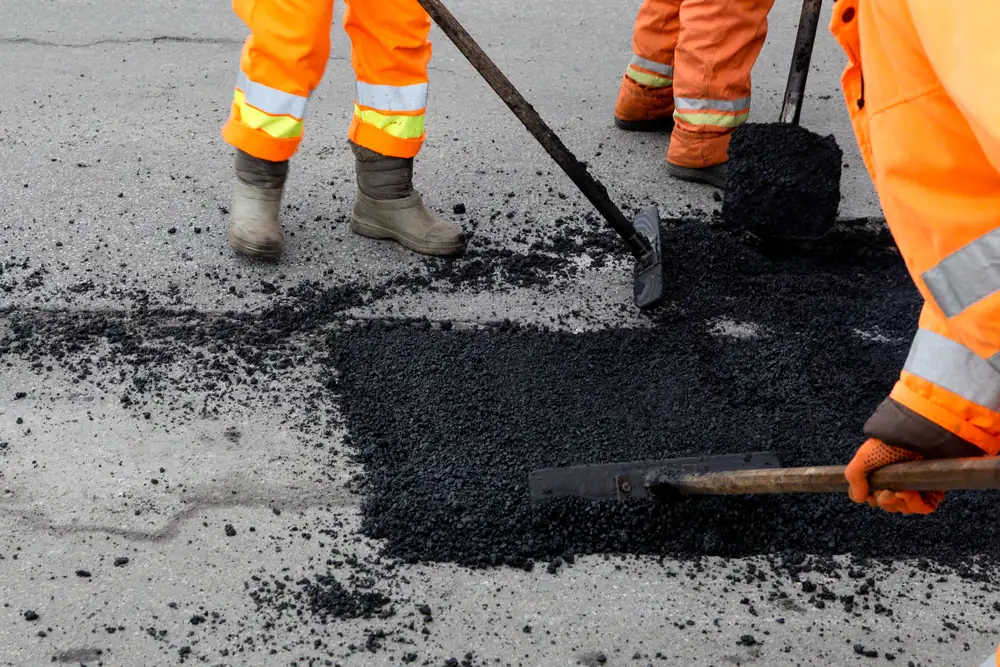
The clearest case is reflective cracking. When you lay new asphalt over a surface that’s already cracked, those cracks don’t disappear — they work their way back up through the new layer, usually within one to three years. Milling removes the cracked surface entirely, so the new asphalt bonds to clean, sound material. That’s why mill-and-overlay jobs tend to last five to seven years longer than a simple cap applied over existing damage.
The second situation is elevation creep. Every overlay adds roughly one and a half to two inches of height. If your lot has been resurfaced once or twice already, the pavement surface may now sit too high relative to the curbs, catch basins, and drainage inlets. In Polk County, where summer rainfall regularly overwhelms poorly draining lots, this is more than a cosmetic issue — it’s a structural one. Water that can’t drain properly accelerates pavement failure faster than almost anything else. Milling resets the elevation and restores the drainage slopes that were engineered into the lot originally.
A third indicator is the extent of surface failure. When more than roughly 25% of a lot’s surface area is failing — alligator cracking, widespread potholes, large sections of deteriorated asphalt — isolated repairs and a simple overlay won’t cut it. The damage is too distributed for spot fixes, and overlaying over that much distress just buries the problem temporarily.
What milling won’t fix is a failed base. If the sub-base has deteriorated — if there’s significant settling, heaving, or structural instability beneath the surface — milling the top layer and adding new asphalt is the wrong call. That’s when full removal and reconstruction becomes the honest recommendation, even though it’s the most expensive option. A contractor who recommends milling on a lot with a compromised base is either cutting corners or hasn’t done a proper evaluation.
Here’s something most milling-focused content won’t tell you: sometimes, a straight overlay is genuinely the better choice. Not every parking lot needs the more involved — and more expensive — mill-and-overlay process.
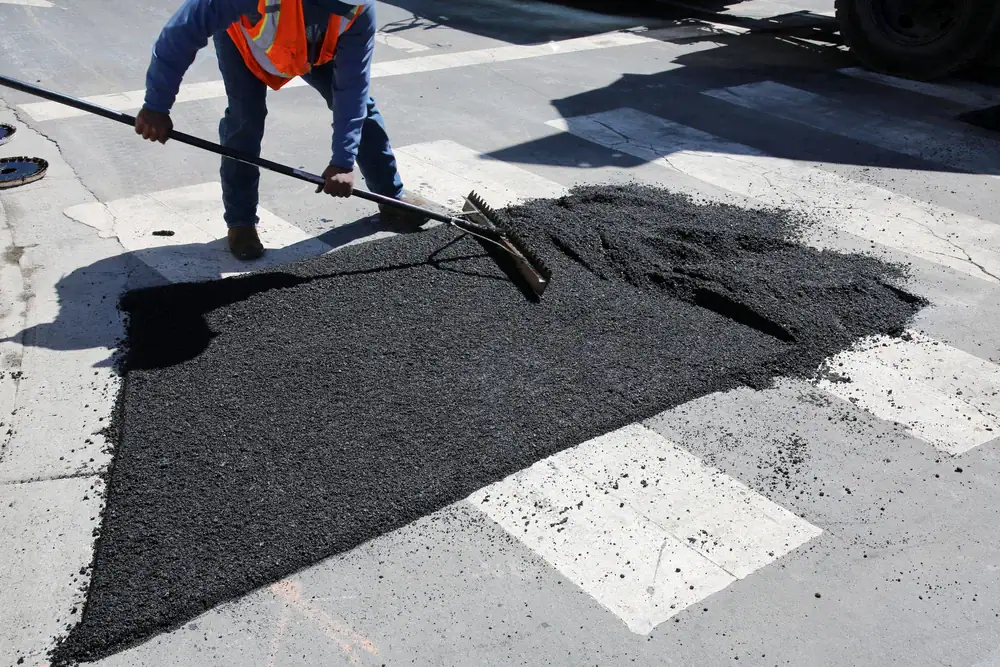
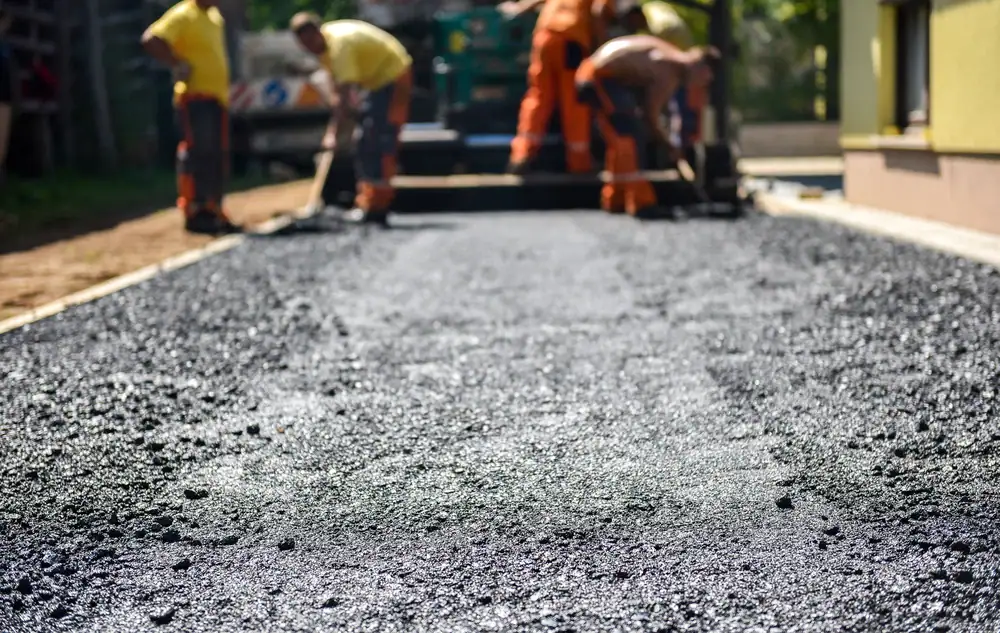
If your lot’s surface is showing early signs of wear — surface oxidation, minor cracking, fading — but the base is solid and the pavement elevation is still within normal range, an overlay can add years of service life without the added cost of milling. The new asphalt bonds to a sound surface, drainage isn’t compromised, and the job gets done faster with less disruption to your tenants or customers.
The key word there is “sound.” An overlay on a well-maintained surface with minimal cracking performs completely differently from an overlay on a lot that’s been neglected for years. The former is a smart, cost-effective maintenance decision. The latter is a short-term fix that delays the inevitable.
This is also why the evaluation matters as much as the work itself. Before any recommendation gets made, a qualified contractor should be looking at your base condition, reviewing the history of previous overlays, checking the curb reveal and drainage slopes, and assessing what percentage of the surface is actually failing. If a contractor gives you a quote over the phone or after a five-minute walk-through without doing any of that, the quote isn’t worth much — regardless of what it says.
For Polk County properties along the US 27 corridor in Haines City and Lake Wales, or the commercial strips in Lakeland and Winter Haven, many parking lots built in the 2000s and early 2010s are now in that middle zone — past the point where sealcoating helps, but not necessarily requiring full reconstruction. That’s exactly the window where an honest evaluation makes the biggest difference.
Want live answers?
Connect with a Central Florida Blacktop Paving expert for fast, friendly support.
Cost is usually the first question, and it’s a fair one. The gap between overlay-only and mill-and-overlay is real, and understanding what drives it helps you evaluate whether a quote is reasonable or off-base.
A straight overlay typically runs 25 to 35% less upfront than a mill-and-overlay. You’re paying for new asphalt material and labor, but not for the milling pass that precedes it. For a lot in genuinely good structural condition, that cost difference is legitimate savings. For a lot that needed milling and didn’t get it, that “savings” tends to evaporate within a few years when the surface fails early.
Resurfacing as a category — whether overlay or mill-and-overlay — is still substantially less expensive than full removal and reconstruction. You’re preserving the existing base, which is the most costly part of a pavement structure to rebuild. That cost advantage is real and meaningful for large commercial lots.
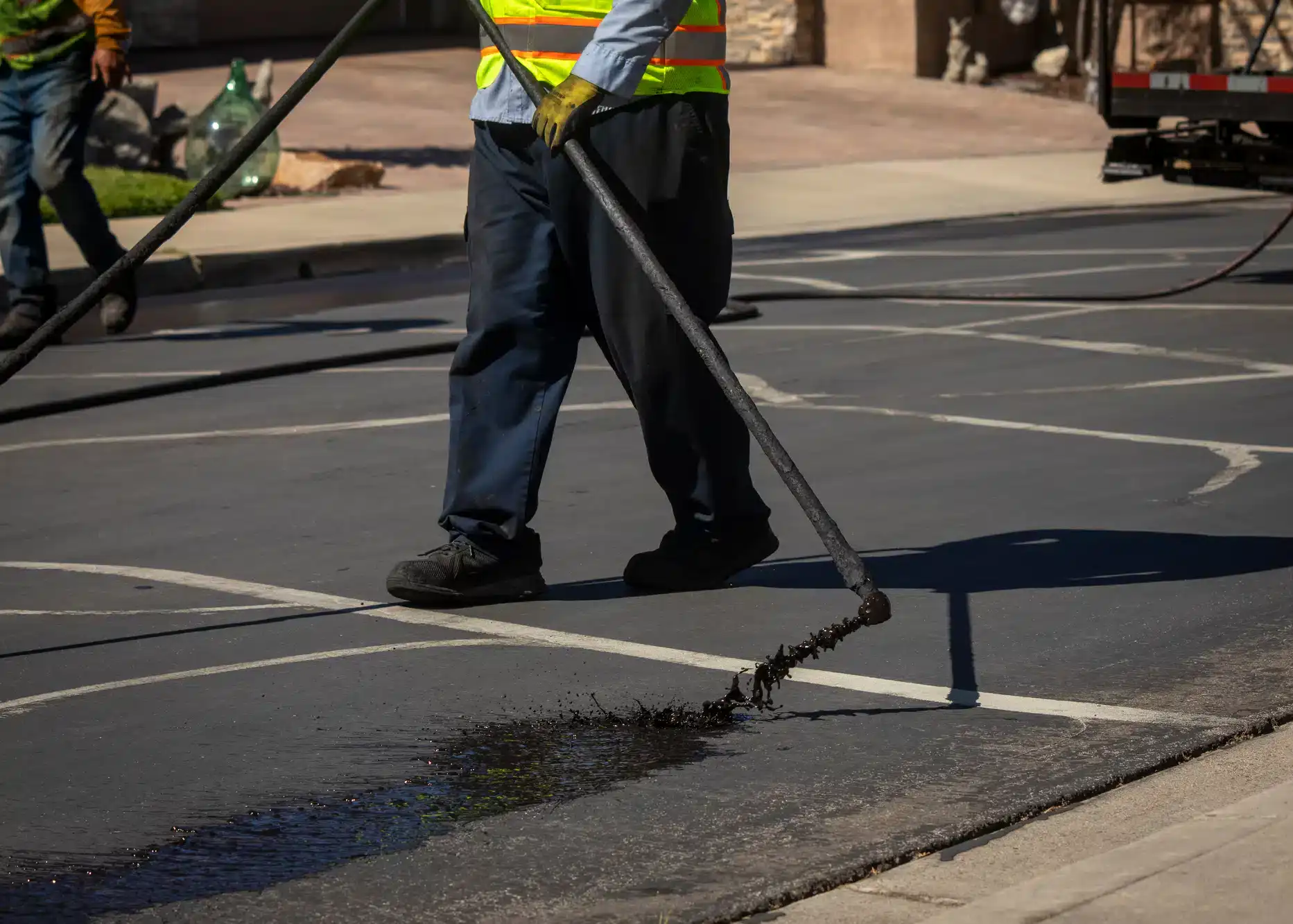
Several factors move the price on any resurfacing project, and knowing them helps you have a more informed conversation with any contractor you talk to.
Lot size is the most obvious factor — larger projects cost more in total but often less per square foot, since mobilization and equipment costs get spread across more area. The depth of the overlay matters too; a two-inch overlay requires more material than a one-and-a-half-inch application, and those fractions add up quickly on a commercial lot. If milling is part of the scope, the depth of milling — whether you’re removing one inch or three — affects both labor time and equipment costs.
Base repair is where quotes can diverge significantly between contractors. If a thorough evaluation reveals soft spots, localized base failure, or areas that need to be dug out and rebuilt before resurfacing, that work has to be priced into the job. A contractor who doesn’t account for it in the quote isn’t saving you money — they’re either planning to skip it or planning to present it as a surprise add-on once the job starts. Neither is acceptable.
In Polk County specifically, soil conditions play a role that doesn’t apply everywhere. Parts of the county have sandy soils that drain well but require careful compaction; other areas have clay soils that shift and settle over time. A contractor who’s worked in this market knows to account for those conditions in both the scope of work and the material specifications. Florida’s climate also means that standard asphalt mixes aren’t always the right choice — polymer-modified mixes formulated for high heat and UV exposure hold up significantly better here than materials designed for northern climates.
Transparent, itemized estimates are the baseline expectation for any reputable contractor. You should be able to see what you’re paying for material, what you’re paying for labor, and what any additional scope items cost. If a quote is a single number with no breakdown, that’s worth asking about before you sign anything.
One of the more frustrating situations for a property manager is getting a quote for resurfacing and then finding out mid-project that the base was worse than expected. It’s not always avoidable — some base failures only become visible once the surface is removed — but a thorough pre-job evaluation significantly reduces the chance of that surprise.
The general threshold most experienced contractors use: when more than 25 to 30% of a lot’s surface is showing fatigue cracking or structural failure, resurfacing becomes a harder sell. At that point, you’re patching over too much distress for the overlay to perform well, and the honest conversation shifts toward whether the base is still viable or whether reconstruction is the more cost-effective long-term answer.
Resurfacing — even mill-and-overlay — extends pavement life by roughly eight to fifteen years when the base is sound. Full replacement, done correctly, can deliver twenty to thirty years of service life. The math on which one makes sense depends on the current condition of the base, the age of the lot, the traffic load it carries, and your timeline for the property.
For commercial properties in Polk County — retail centers, apartment complexes, distribution facilities along the I-4 corridor — the decision carries real operational weight. A lot that’s closed for resurfacing for one to two days is a manageable disruption. A lot that needs full reconstruction and is out of commission for three to five days is a different conversation with tenants, customers, and ownership. Getting the scope right from the start isn’t just a cost question — it’s a business continuity question.
What makes this decision harder is that most property managers aren’t paving experts, and they’re relying on contractors to give them straight answers. The right contractor evaluates the lot honestly, explains what they found, and recommends the scope that actually fits the condition — not the scope that’s easiest to sell. That’s the standard worth holding any contractor to, including us.
The milling vs. overlay question doesn’t have a universal answer — it has a right answer for your specific lot, based on what’s actually going on beneath the surface. The condition of the base, the history of previous overlays, the drainage situation, and the extent of surface failure all factor in. Getting that evaluation right is what separates a fix that lasts from one that has you back to square one in a couple of years.
Polk County’s climate makes this decision more consequential than it would be in a drier, milder market. Between the summer rainy season, the year-round UV exposure, and soil conditions that vary significantly across the county, asphalt here takes a harder beating and needs to be maintained accordingly. The right resurfacing approach — done at the right time — can extend pavement life by fifteen to twenty years. The wrong one can cut that in half.
If you’re trying to figure out where your lot actually stands, we at Central Florida Blacktop Paving Inc. offer free consultations with no-pressure, itemized estimates. We’re asphalt-only — no concrete, no pavers — which means this is what we do, every day, for properties across Polk County. Reach out and we’ll take a look.
Article details:
Share:
Continue learning: