Skipping routine parking lot maintenance doesn't save money — it just moves the cost further down the road, where it's much bigger.
Share:
Summary:
Your parking lot is probably the last thing on your to-do list — until it isn’t. A pothole appears. A tenant complains. Someone trips. Suddenly it’s urgent, and urgent usually means expensive. The good news is that most major parking lot repairs are preventable. Not with complicated programs or big upfront investments, but with consistent, well-timed maintenance that keeps small problems from becoming structural ones. If you manage a commercial property in Polk County, we’ve written this guide for you — covering what maintenance actually involves, what it costs, and how to build a plan that works around your business, not against it.
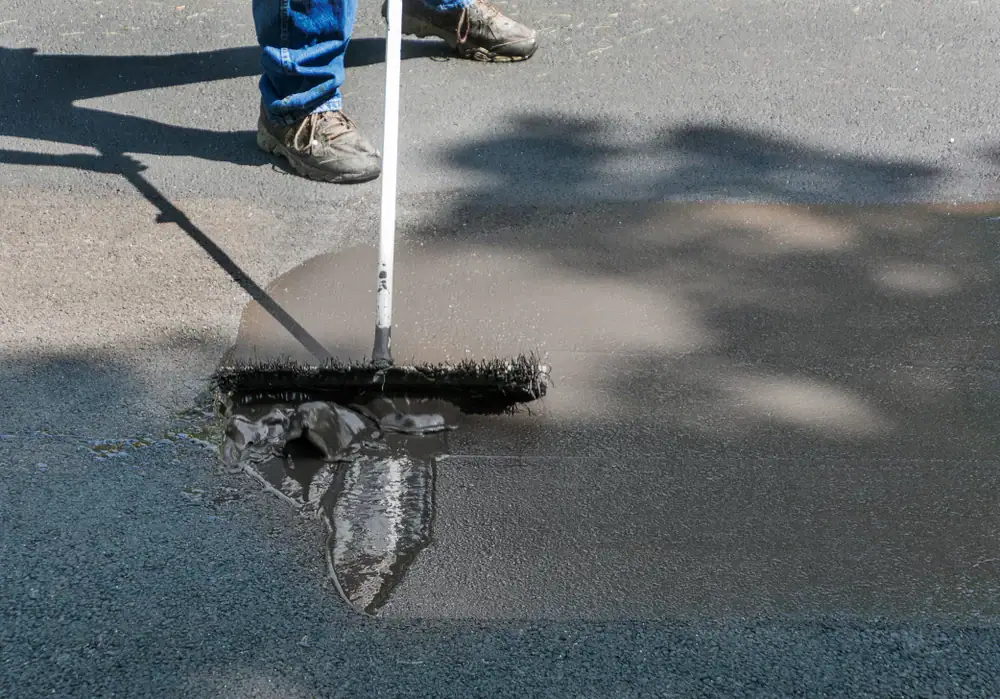
Maintenance isn’t one thing — it’s a sequence of treatments applied at the right time in the right order. At the surface level, it includes sealcoating to protect against UV oxidation and water infiltration, crack filling to stop damage from spreading, and line striping to keep your lot safe and compliant. Beneath that, it involves periodic patching for localized failures and, eventually, resurfacing when the surface has aged past what sealcoating can address.
The order matters. Sealcoating over unfilled cracks doesn’t fix anything — it just hides the problem while it worsens underneath. A proper maintenance sequence always addresses structural issues before applying any protective coating. That’s not a minor technical detail; it’s the difference between maintenance that extends your pavement’s life and maintenance that gives you a false sense of security.
Not all damage looks the same, and not all damage calls for the same fix. Surface cracks — the thin, hairline kind — are typically a sealcoating and crack filling issue. They’re cheap to address early and expensive to ignore. Alligator cracking, which looks exactly like its name suggests, signals base failure beneath the surface. That’s a different conversation entirely, and no amount of sealcoating will solve it.
Potholes are usually the result of water getting into a crack, weakening the base, and then traffic finishing the job. In Polk County, that process accelerates fast. The county receives more than 50 inches of rain annually, and those intense afternoon storms that roll through from May through October don’t give damaged pavement much recovery time. A small crack in April can be a pothole by July if it’s left alone.
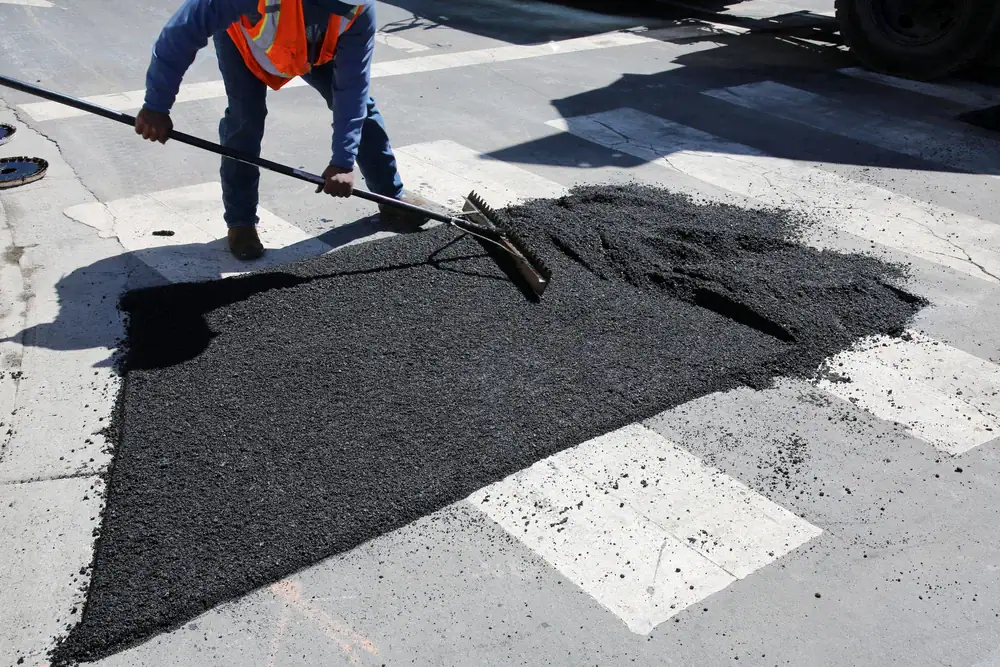
Patching is the right response for isolated failures — a section of the lot that’s deteriorated faster than the rest, often due to heavy truck traffic or a drainage problem that’s been sending water to the same spot repeatedly. Done correctly, a patch restores the structural integrity of that section. Done poorly — meaning the base isn’t properly prepared — it’ll fail again within a season or two.
The honest answer to “do I need repair or replacement?” depends on how much of the surface is affected and how deep the damage goes. If it’s less than 25 to 30 percent of the lot and the base is still sound in most areas, targeted repairs followed by resurfacing is usually the smarter financial move. If the base has failed across large sections, you’re looking at a full reconstruction — and the sooner you know that, the better you can plan for it.
Property managers who handle maintenance reactively — waiting until something breaks — consistently spend more than those who schedule it proactively. That’s not a sales pitch; it’s just how the math works. Routine crack filling can run as little as $0.50 per lineal foot. Let that crack go untreated long enough and you’re looking at structural repair at $6 per square foot or more. The same square footage costs twelve times as much to fix as it would have to prevent.
A realistic commercial maintenance schedule for a Polk County parking lot looks something like this: sealcoat every two to three years — more frequently than you’d need in a northern climate, because Florida’s year-round UV exposure oxidizes asphalt faster than most property managers expect. Fill cracks annually, ideally before the rainy season hits in late spring. Inspect the lot twice a year — once after summer storms, once after the dry season — to catch anything that needs attention before it escalates.
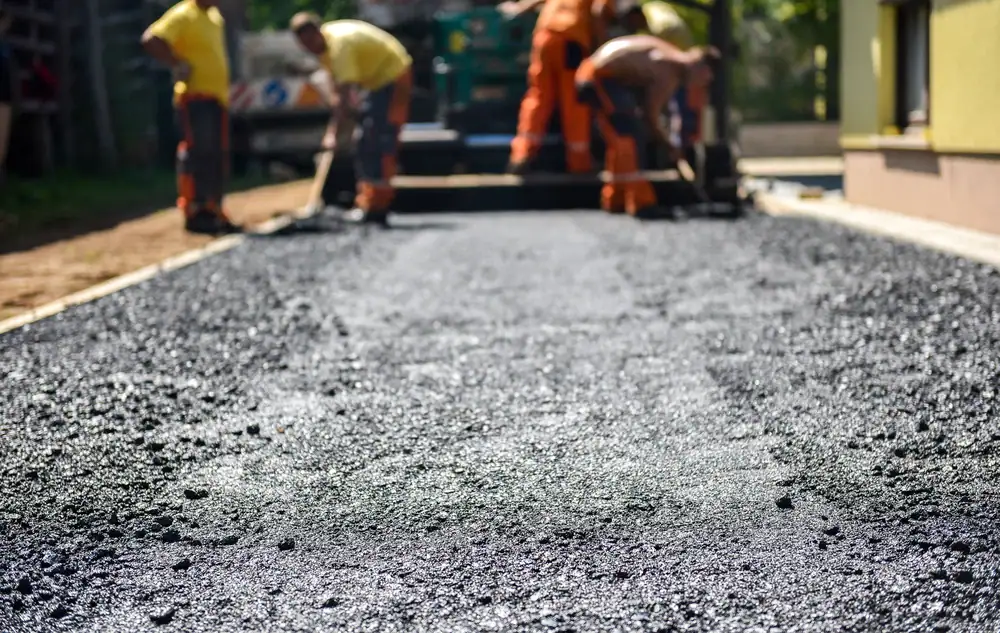
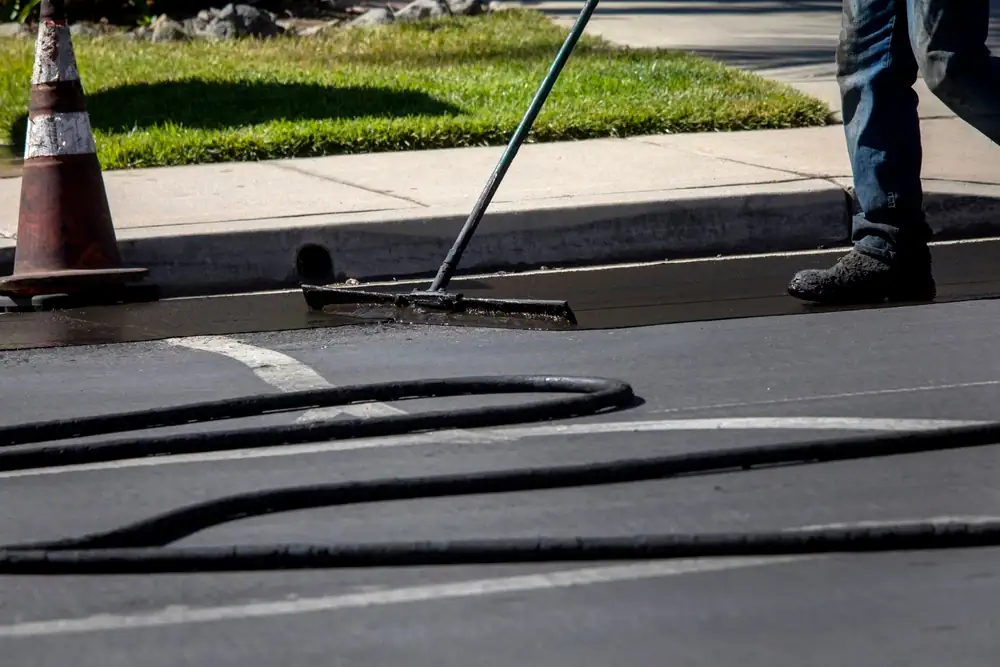
The disruption concern is real, and it’s one of the most common reasons property managers put maintenance off. But sealcoating a parking lot doesn’t require shutting everything down indefinitely. Most commercial lots can be done in sections, with one area cured and reopened before the next one starts. Curing typically takes 24 hours before vehicles can return. Early morning or weekend scheduling can reduce the impact on tenants and customers significantly.
One thing worth building into your budget planning: Polk County’s commercial property market is growing fast. The county is on track to reach a million residents by 2030, and that growth means more traffic on existing lots, more wear, and more pressure on surfaces that were built for a different volume. If your lot was paved five or more years ago and hasn’t had consistent maintenance, it’s worth getting a professional assessment before the next rainy season starts.
Want live answers?
Connect with a Central Florida Blacktop Paving expert for fast, friendly support.
Pricing in this industry varies more than it should, which makes it hard to plan around. But there are reasonable benchmarks you can use. Sealcoating for a commercial lot typically runs $0.20 to $0.50 per square foot on its own. Add crack sealing and line striping and you’re looking at $0.65 to $0.90 per square foot for the full scope. Patching runs $2 to $5 per square foot for standard repairs, and more if the subbase needs work.
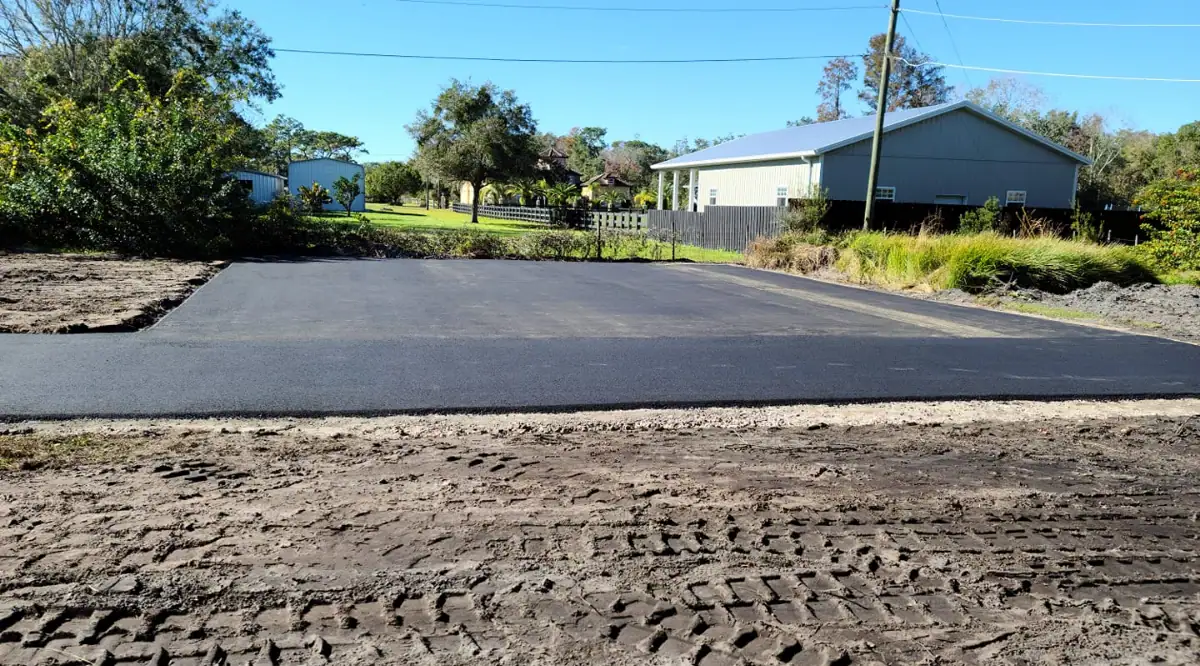
The number that tends to get people’s attention is the repaving figure. A full parking lot replacement averages around $75,000 — and that’s a conservative estimate for many commercial properties. Annual maintenance, by comparison, typically runs $300 to $1,000 per year depending on lot size and condition. The gap between those two numbers is the clearest argument for not putting maintenance off.
Square footage is the obvious factor, but it’s not the only one. The current condition of the surface matters a lot — a lot that hasn’t been maintained in several years will need more prep work before sealcoating can be applied, which adds cost. Drainage issues can complicate repairs if water is actively undermining the base. And the scope of work — whether you’re doing sealcoating only, or sealcoating plus crack sealing plus patching plus line striping — changes the number significantly.
In Polk County specifically, soil conditions add a layer of complexity that out-of-area contractors sometimes underestimate. Sandy soils shift. Clay soils expand and contract with moisture changes. Both can cause base instability over time, which means that what looks like a surface problem is sometimes a base problem in disguise. Getting an accurate cost estimate requires someone who understands what’s happening beneath the surface, not just on top of it.
Another factor is how long you’ve been deferring maintenance. This is worth saying plainly: the longer a parking lot goes without attention, the more expensive each service becomes. A lot that gets sealcoated on schedule is a straightforward job. A lot that hasn’t been touched in eight years needs crack repair, possibly patching, a thorough cleaning, and then sealcoating — and the total cost reflects all of that. Consistent maintenance doesn’t just extend the life of your pavement; it keeps each individual service call cheaper.
For commercial property managers juggling multiple properties or annual capital budgets, the most useful thing you can do is get a professional assessment that tells you exactly where each lot stands in its lifecycle. That gives you a real number to plan around, rather than guessing until something fails.
If you’ve managed properties in other parts of the country and then moved to Central Florida, the pace of asphalt deterioration here can catch you off guard. The combination of factors is genuinely different: intense UV exposure every month of the year, not just in summer; heavy rainfall concentrated in a five-month window that puts real pressure on drainage and surface integrity; temperatures that regularly hit 90 to 95 degrees Fahrenheit; and soil conditions that shift with the wet and dry cycles in ways that affect base stability over time.
Sealcoating, for example, is typically recommended every three to five years in northern climates. In Polk County, two to three years is the right interval — because the UV exposure that breaks down the asphalt binder doesn’t take winters off here. That’s just the reality of maintaining pavement in a subtropical climate.
Drainage is the other factor that separates Florida paving work from most other markets. Poor drainage is the leading cause of parking lot failure in Central Florida. When water has nowhere to go, it finds its way into cracks, erodes the base material, and creates failures that look sudden but were building for months. Properties near Lakeland’s lake corridors, along busy commercial stretches in Davenport, or in newer developments around Haines City and Auburndale all face this challenge in different ways depending on how the lot was graded and whether the drainage was designed with Polk County’s rainfall patterns in mind.
We understand these conditions — we’ve watched what happens to pavement in this specific climate over years and decades. Our approach to maintenance differs from contractors applying a generic playbook. Material choices, timing, drainage design, and base preparation all look different here than they do in most other markets, and that local knowledge is what determines whether a maintenance program actually holds up.
The most important thing you can do for a commercial parking lot is treat maintenance as a scheduled commitment rather than an emergency response. The cost difference is significant. The disruption difference is even bigger — a planned sealcoating job is a minor inconvenience; an emergency repaving project is a real problem for tenants and customers.
When you’re evaluating contractors, look for someone licensed and insured in Florida, with verifiable local experience and a clear process for assessing what your lot actually needs before recommending anything. A written estimate with a defined scope of work isn’t optional — it’s the baseline for any professional relationship.
We’ve been doing this work in Polk County for over 40 years, and asphalt is all we do — no concrete, no pavers, just focused expertise in the one material your parking lot is made of. If your lot is due for an assessment or you’re not sure where to start, we offer free on-site consultations with no obligation. Reach out and we’ll take a look.
Article details:
Share:
Continue learning: