Modern commercial paving has evolved beyond basic asphalt installation. Today's property owners benefit from sustainable materials, advanced drainage systems, and maintenance strategies that extend pavement life decades longer.
Share:
Summary:
Recycled asphalt isn’t new, but how it’s being used has evolved considerably. The industry now incorporates recycled asphalt pavement—called RAP—at levels that would have been impossible a decade ago. Some commercial projects use mixes with 40% or more recycled content without sacrificing performance.
This matters for your budget and your pavement’s longevity. Recycled materials cost less than virgin asphalt while delivering comparable durability. They also reduce the environmental impact of your project, which increasingly matters for corporate sustainability goals and local regulations.
The shift toward sustainable solutions extends beyond just recycling old asphalt. Bio-based binders, warm-mix technologies, and permeable systems all contribute to a more circular approach to pavement management.
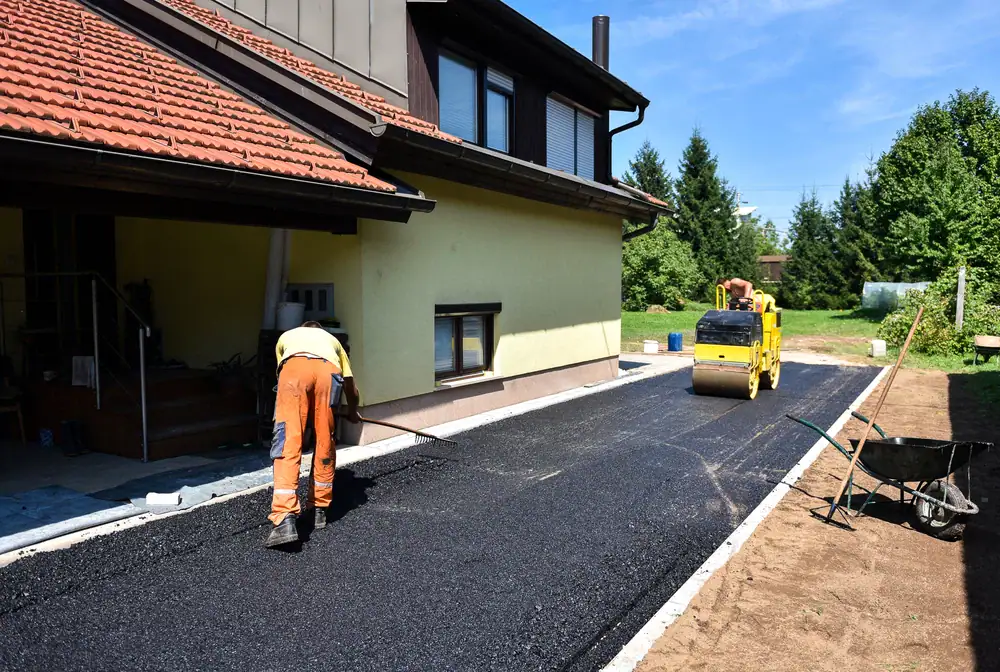
You might wonder if recycled materials hold up as well as traditional asphalt. The short answer: yes, when properly engineered. Modern RAP undergoes rigorous processing—milling, screening, and blending with fresh binder—to create mixes that meet or exceed performance standards.
The key is working with contractors who understand mix design. Not all recycled asphalt is created equal. The percentage of RAP, the quality of the reclaimed material, and how it’s combined with new components all affect the final product. Properly designed mixes with recycled content can last just as long as conventional asphalt, sometimes longer due to improved aggregate interlock.
Florida’s climate presents specific challenges. Heat, humidity, and intense UV exposure break down asphalt faster than in cooler climates. That’s why the binder quality matters so much. Modern rejuvenators restore the viscoelastic properties of aged asphalt, essentially bringing old material back to life. This technology allows higher RAP percentages without compromising flexibility or crack resistance.
Cost savings add up quickly on larger projects. A 10,000-square-foot parking lot using recycled materials might save thousands in material costs alone. But the real value shows up over time. Recycled asphalt requires less energy to produce, which translates to lower emissions and reduced demand on virgin resources. For property owners tracking sustainability metrics, that’s increasingly important.
The recycled asphalt market is growing fast for good reason. It works. It saves money. And it aligns with where the industry is heading. If you’re evaluating bids for a commercial paving project, ask about RAP content and how the contractor ensures quality with recycled materials.
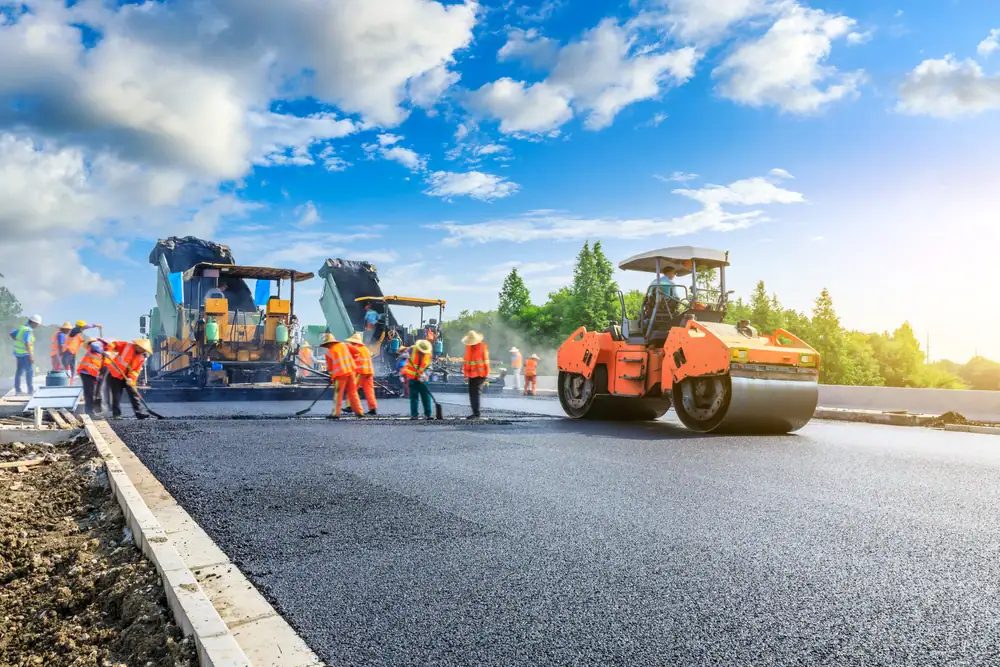
Temperature matters when installing asphalt. Traditional hot-mix asphalt requires high temperatures during production and placement, which limits when and where you can pave. Warm-mix asphalt changes that equation by allowing installation at temperatures 50 to 100 degrees lower than conventional methods.
This isn’t just about contractor convenience. Lower temperatures mean several advantages for your project. The asphalt remains workable longer, allowing for better compaction and fewer defects. Workers face less exposure to fumes and heat. And the extended paving season means more flexibility in scheduling projects without weather delays.
In Polk County, FL, where summer heat can be extreme, warm-mix technology offers specific benefits. The material doesn’t cool as quickly during placement, giving crews more time to achieve proper density. That’s critical for long-term performance. Inadequate compaction is one of the leading causes of premature pavement failure.
Warm-mix asphalt also integrates well with recycled materials. The lower production temperatures make it easier to incorporate high percentages of RAP without damaging the aged binder. This combination—warm-mix technology with recycled content—represents the current best practice for sustainable commercial paving.
Energy consumption drops significantly with warm-mix production. Less fuel is needed to heat materials, which reduces both costs and emissions. For large commercial projects, that difference becomes substantial. You’re not just getting a better pavement; you’re reducing the environmental footprint of the entire installation process.
The technology has matured to the point where it’s no longer experimental. Major commercial projects across Florida now specify warm-mix asphalt as standard. Performance data shows these pavements hold up as well or better than traditional hot-mix installations, with the added benefits of improved workability and reduced environmental impact.
Want live answers?
Connect with a Central Florida Blacktop Paving expert for fast, friendly support.
Water is asphalt’s worst enemy. It seeps into cracks, weakens the base, and accelerates deterioration. That’s why drainage planning has become central to modern commercial paving strategy. It’s not enough to just lay asphalt anymore. You need a comprehensive approach that manages water from the moment it hits the surface.
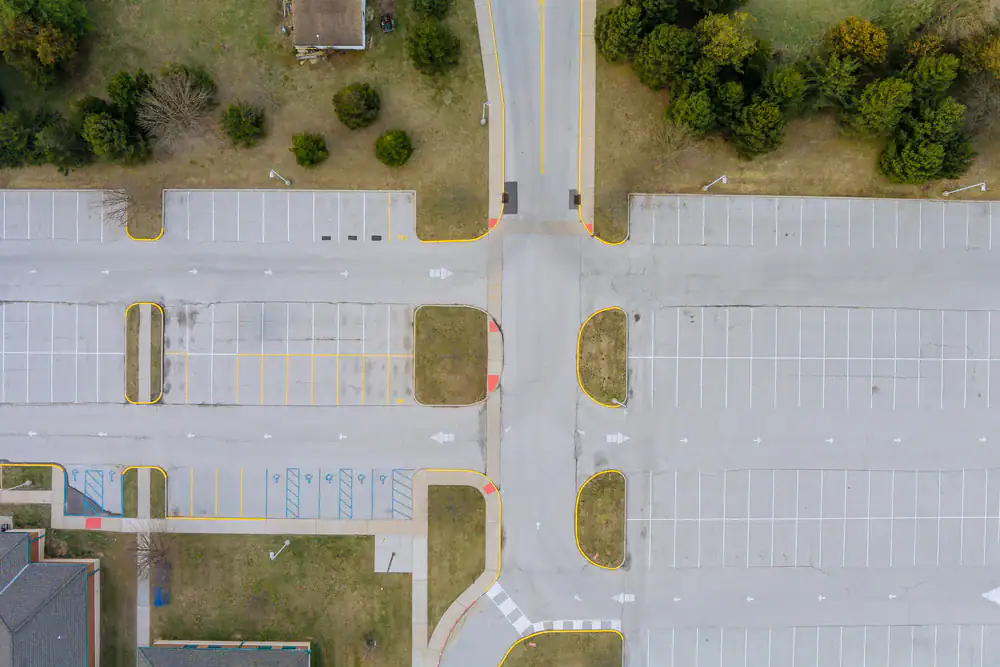
Proper drainage design starts with slope. Parking lots need a minimum 2% grade to prevent ponding, though 2-5% is ideal for consistent water movement. Flat spots create problems fast. Water pools, saturates the base, and creates weak points that fail under traffic loads.
The subsurface matters just as much as the surface. Modern commercial paving incorporates stone reservoirs, underdrains, and permeable layers that move water away from the pavement structure. This integrated approach prevents the moisture-related damage that shortens pavement life.
Permeable asphalt represents a significant shift in how commercial properties handle stormwater. Instead of channeling water to drains and storm sewers, permeable systems allow water to infiltrate through the pavement into a stone reservoir below. This reduces runoff, recharges groundwater, and helps meet increasingly strict stormwater regulations.
The technology works through modified asphalt mixes that contain less fine aggregate, creating void spaces that allow water to pass through. A typical permeable pavement system includes a porous surface layer, a filter course, and a stone storage bed. Water percolates down through these layers and either infiltrates into the soil or drains through an underdrain system.
Florida’s frequent heavy rains make permeable pavement particularly valuable. Traditional impervious surfaces contribute to flooding and overwhelmed drainage systems. Permeable systems capture water where it falls, reducing the burden on municipal infrastructure. For commercial properties, this can mean lower stormwater fees and simplified site drainage design.
Performance in parking lot applications has proven reliable. Permeable asphalt handles normal vehicle traffic without issues, though it’s best suited for parking stalls rather than high-traffic drive aisles. The surface provides good traction and meets ADA requirements for accessibility. Maintenance involves periodic vacuum sweeping to prevent the pores from clogging with sediment.
Cost considerations are important. Permeable pavement typically costs more upfront than conventional asphalt due to the specialized materials and deeper installation. However, you may save money by reducing or eliminating other stormwater management infrastructure. The total project cost often ends up comparable to traditional approaches when you account for the entire drainage system.
Not every site works for permeable pavement. Soil infiltration rates need to be adequate, and the water table can’t be too high. Sites with contaminated soils aren’t suitable for infiltration systems. But where conditions allow, permeable asphalt offers a practical solution that manages stormwater while providing a functional pavement surface.
Most pavement failures trace back to water problems. It finds its way through cracks, saturates the base, and creates voids that collapse under traffic. The pavement above then cracks, potholes form, and you’re looking at expensive repairs or replacement. Proper drainage design prevents this cycle before it starts.
Surface drainage requires careful grading and strategically placed inlets. Water needs a clear path off the pavement. Drive aisles should slope toward collection points, and those collection points need adequate capacity for the heaviest expected rainfall. In Florida, that means designing for intense storms that can drop several inches in a short time.
Subsurface drainage is less visible but equally important. Even with good surface drainage, some water will penetrate the pavement. That’s normal. The question is whether it can escape. Underdrains, edge drains, and permeable base layers provide escape routes that keep water from accumulating under the pavement.
The base layer itself plays a critical role. A well-compacted aggregate base sheds water better than a poorly compacted one. Proper compaction also provides the structural support that prevents rutting and deformation. Shortcuts during base preparation almost always lead to problems later. You can’t see the base once the asphalt goes down, but its quality determines how long your pavement lasts.
Maintenance of drainage systems matters too. Catch basins fill with debris. Inlets get clogged. Regular cleaning keeps water flowing where it should. A clogged drain might seem minor, but the standing water it creates can cut years off your pavement’s lifespan. Including drainage inspection and cleaning in your maintenance plan prevents small issues from becoming major problems.
Modern commercial paving treats drainage as an integral part of the pavement system, not an afterthought. The contractors who understand this deliver pavements that last decades. The ones who don’t leave you with problems that show up within a few years. When evaluating proposals, pay attention to how thoroughly the contractor addresses drainage. It tells you a lot about whether they’re building for the long term.
The commercial paving industry has made real progress in recent years. Better materials, smarter design approaches, and proven maintenance strategies all contribute to pavements that last longer and perform better. For property owners, this means more options and better value from your paving investments.
Understanding current trends helps you ask the right questions and evaluate contractors effectively. Recycled asphalt, warm-mix technology, and comprehensive drainage planning aren’t experimental anymore. They’re proven approaches that deliver results. The key is working with contractors who actually implement these practices rather than just talking about them.
Your pavement represents a significant investment. Choosing the right approach now—whether that’s new construction, resurfacing, or a strategic maintenance plan—affects your costs and results for decades. If you’re considering a commercial paving project in Polk County, FL, we bring the expertise and commitment to quality that ensures your pavement performs as it should for years to come.
Article details:
Share:
Continue learning: