Discover everything about asphalt paving installation in Polk County, from the step-by-step process to Florida-specific challenges and solutions.
Share:
Summary:
Asphalt paving installation isn’t just about laying hot mix and rolling it smooth. In Polk County, your pavement must survive conditions that would destroy surfaces built with generic techniques.
Florida’s intense UV rays, torrential rains, and extreme humidity create challenges most contractors don’t fully understand. The temperature swings from scorching afternoons to cooler evenings cause asphalt to expand and contract repeatedly. Add in the frequent storms that can dump inches of rain in minutes, and you need installation methods specifically designed for our environment.
The key difference lies in understanding how Florida’s climate affects every step of the process, from the materials you choose to the timing of installation and the drainage solutions you implement.
Florida’s extreme heat creates unique challenges that generic installation methods simply can’t handle. When temperatures soar above 90 degrees with humidity levels that make it feel even hotter, your asphalt faces conditions that can cause premature failure if not properly addressed.
The intense heat causes asphalt to soften, making it vulnerable to deformation under traffic loads. This is why timing becomes critical in Florida installations. We understand that asphalt must be installed when ambient and ground temperatures allow for proper compaction without overheating the material.
UV radiation from Florida’s intense sunshine accelerates the oxidation process, causing asphalt to become brittle and prone to cracking. This is where proper material selection becomes essential. Florida-specific asphalt mixtures include additives and binders designed to resist UV damage and maintain flexibility under extreme heat.
The solution isn’t just using any asphalt mix – it’s selecting materials specifically formulated for Florida’s climate. These specialized mixtures include polymer modifiers and UV-resistant additives that help your pavement maintain its integrity despite constant exposure to harsh conditions.
Proper installation techniques also account for Florida’s heat by ensuring adequate curing time and using equipment calibrated for high-temperature conditions. This attention to climate-specific details is what separates installations that last decades from those that fail within a few years.
High humidity and sudden downpours create moisture-related challenges that can destroy even well-installed asphalt if not properly addressed. Polk County’s climate combines intense humidity with storm systems that can dump several inches of rain in a short period, creating conditions that test every aspect of your pavement installation.
Humidity causes moisture to infiltrate the pavement structure, weakening the bond between asphalt particles and potentially causing the base layer to become unstable. This is why proper drainage design becomes absolutely critical in Florida installations. Without adequate water management, even the best asphalt mix will fail prematurely.
The installation process must include strategic grading to ensure water flows away from the surface rather than pooling or infiltrating the base layers. This involves creating proper slopes, installing drainage systems where necessary, and ensuring the sub-base materials can handle moisture exposure without losing structural integrity.
We understand that Florida installations require more extensive base preparation than projects in drier climates. The sub-base must be designed to remain stable even when exposed to moisture, and the surface must be graded to shed water quickly and effectively.
Storm water management isn’t just about preventing puddles – it’s about protecting the structural integrity of your entire pavement system. Proper drainage prevents the water infiltration that leads to base failure, cracking, and the expensive repairs that come with moisture-damaged pavement.
Want live answers?
Connect with a Central Florida Blacktop Paving expert for fast, friendly support.
Professional asphalt installation follows a systematic process designed to create a durable, long-lasting surface. Each step builds upon the previous one, and skipping or rushing any phase can compromise the entire project.
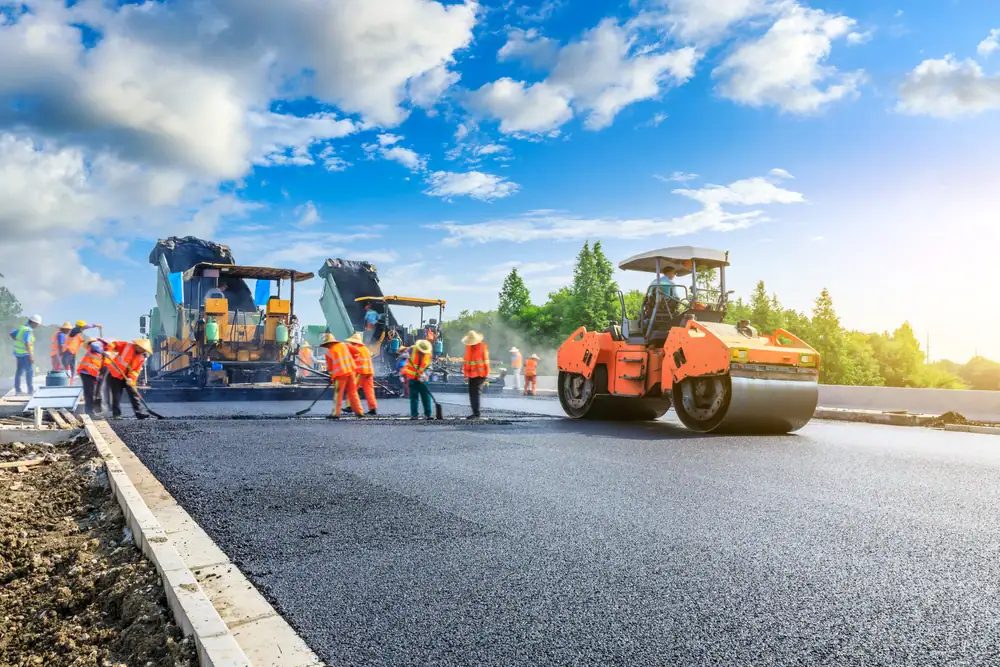
The process typically involves seven to eight critical steps, starting with demolition and site preparation, moving through base construction and material application, and ending with final compaction and quality checks. Understanding this process helps you recognize quality work and ensures your contractor follows proper procedures for lasting results.
The foundation of any successful asphalt installation lies in proper site preparation and base construction. This phase determines whether your pavement will last decades or require expensive repairs within a few years.
Site preparation begins with removing existing surfaces and debris, followed by careful grading to establish proper drainage patterns. In Polk County’s climate, this grading becomes especially critical because water must be directed away from the pavement to prevent infiltration and base failure.
The sub-base layer provides the structural foundation for your asphalt surface. This layer must be carefully constructed using appropriate materials, proper thickness, and thorough compaction. The sub-base acts as a stable platform that distributes loads evenly and provides a frost barrier in areas where temperature fluctuations occur.
We perform proof rolling to identify any soft spots or areas where the base requires additional reinforcement. This involves driving a heavily loaded truck across the entire sub-base surface to ensure it can support the intended loads without excessive deflection.
Base preparation also includes installing proper drainage systems where needed and ensuring all utilities are properly located and protected. Any shortcuts in this phase will show up as problems later, making thorough base construction essential for long-term performance.
The quality of base construction directly impacts the longevity of your asphalt surface. A properly constructed base provides the stability needed to prevent cracking, rutting, and other forms of premature failure that plague poorly prepared installations.
The asphalt application phase involves applying the binder layer followed by the surface course, with proper timing and temperature control being critical for success. Each layer serves a specific purpose and must be installed according to precise specifications.
The binder layer provides structural strength and serves as the foundation for the surface course. This layer typically consists of larger aggregate mixed with asphalt cement and must be properly compacted to achieve the required density and stability.
Surface course installation requires careful attention to temperature, timing, and compaction techniques. The asphalt must be hot enough to achieve proper compaction but not so hot that it becomes unstable under the weight of compaction equipment.
Professional installation includes creating smooth transitions where new pavement meets existing surfaces. These butt joints must be carefully constructed to prevent water infiltration and ensure a seamless surface that won’t create maintenance problems later.
Final compaction using proper rolling techniques ensures the asphalt achieves the required density and smoothness. This process must be completed while the asphalt is still within the proper temperature range for effective compaction.
Quality control throughout the application process includes monitoring temperatures, checking thickness, and ensuring proper joint construction. These details might seem minor, but they make the difference between a professional installation that lasts and one that requires premature repairs.
Your asphalt installation represents a significant investment in your property, and getting it right the first time saves money and frustration in the long run. Understanding the process and working with contractors who truly understand Florida’s challenges ensures your pavement delivers the performance and longevity you expect.
The key is choosing contractors with proven experience in Polk County’s climate who use proper materials, follow correct installation procedures, and understand the importance of details like drainage design and material selection. When you’re ready to move forward with your asphalt paving project, we bring the local expertise and attention to detail needed for installations that stand the test of time in our demanding climate.
Article details:
Share:
Continue learning: