Learn about professional asphalt paving installation in Polk County, from climate-specific techniques to the complete installation process.
Share:
Summary:
Asphalt paving installation in Polk County isn’t the same as paving in cooler, drier climates. Florida’s unique environmental conditions create specific challenges that require specialized approaches.
Your pavement faces daily exposure to intense UV radiation that can reach surface temperatures of 140°F or higher during summer months. This extreme heat causes standard asphalt to soften and become susceptible to rutting and deformation under vehicle loads.
Add frequent thunderstorms and high humidity levels, and you have conditions that can accelerate oxidation and water infiltration. These factors make proper installation techniques and material selection critical for long-term performance in Central Florida.
Most paving contractors use generic approaches that work fine in moderate climates but fall short in Florida’s demanding environment. Standard asphalt mixes and installation techniques simply aren’t designed to handle the combination of extreme heat, high humidity, and intense rainfall that define Central Florida weather patterns.
When contractors don’t account for these local conditions, you end up with premature cracking, surface deterioration, and costly repairs within just a few years. The asphalt may look good initially, but it lacks the durability needed to withstand Florida’s climate challenges over time.
We use specialized asphalt mixtures with enhanced binding agents and polymers that maintain flexibility in extreme temperatures. We also implement specific installation techniques that account for thermal expansion and proper drainage to prevent water infiltration.
The installation timing matters too. As experienced Florida contractors, we know when conditions are optimal for paving and when to avoid installation to ensure proper curing and bonding. This expertise makes the difference between a surface that lasts 10-15 years versus one that needs major repairs within 5 years.
Temperature control during installation is crucial. Hot mix asphalt must be installed at specific temperatures to achieve proper compaction and density. In Florida’s heat, this requires careful coordination and timing to prevent the material from cooling too quickly or becoming too hot to work with effectively.
The right materials make all the difference in Florida’s challenging climate. We use polymer-modified asphalt that provides enhanced elasticity and resistance to temperature fluctuations. These specialized mixtures contain additives that help the pavement expand and contract without cracking.
High-quality aggregates are equally important. The stone and sand components must be carefully selected for their ability to bind properly with asphalt cement and provide long-term stability. In Florida, this often means using aggregates that resist moisture absorption and maintain structural integrity in high-humidity conditions.
Proper asphalt thickness is crucial for durability. Residential driveways typically require 2-3 inches of asphalt over a properly prepared base, while commercial applications may need 4 inches or more depending on expected traffic loads. Skimping on thickness to save money upfront leads to premature failure and higher long-term costs.
The base layer preparation is just as critical as the asphalt itself. A properly constructed base provides stability, prevents shifting, and acts as a moisture barrier. In Florida’s climate, this foundation must be designed to handle both the expansion and contraction cycles caused by temperature changes and the drainage challenges created by heavy rainfall.
Quality control during material delivery and installation ensures consistency. We monitor asphalt temperature, check mix consistency, and verify proper installation techniques throughout the project. This attention to detail prevents problems that might not become apparent until months or years later.
Want live answers?
Connect with a Central Florida Blacktop Paving expert for fast, friendly support.
Professional asphalt paving installation follows a systematic process designed to ensure long-term durability and performance. Each step builds on the previous one, creating a foundation that can withstand Florida’s demanding climate conditions.
The process typically takes several days to complete, depending on project size and weather conditions. Understanding each phase helps you know what to expect and ensures your contractor follows proper procedures for lasting results.
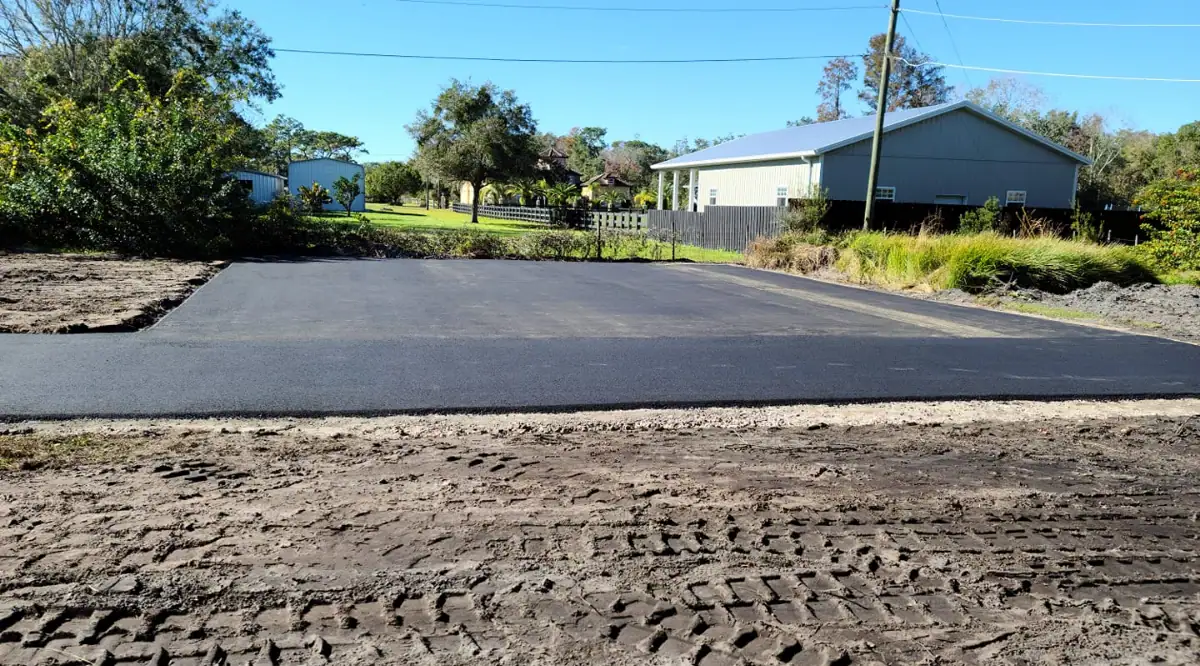
Every successful paving project starts with proper site preparation. This critical first step involves removing existing pavement, clearing debris, and preparing the ground for the new installation. The quality of this preparation work directly impacts the longevity of your finished pavement.
Demolition and removal require specialized equipment including bobcats, front loaders, and dump trucks to break up and haul away old materials. We recycle old asphalt and concrete, turning waste materials into usable aggregate for future projects. This environmentally responsible approach also helps control project costs.
Site grading comes next, creating the proper slope and drainage patterns essential for water management. In Florida’s high-rainfall environment, proper drainage prevents water from pooling on the surface or seeping into the base layers where it can cause structural damage over time.
The grading process uses laser-guided equipment to achieve precise slopes that direct water away from buildings and toward appropriate drainage areas. Even small errors in grading can create low spots where water collects, leading to premature pavement failure and costly repairs.
Soil compaction and stabilization ensure the subgrade can support the weight of the pavement and traffic loads. Soft or unstable soil areas must be identified and corrected before proceeding. This might involve removing unsuitable material and replacing it with properly compacted aggregate base.
We perform proof rolling to test the prepared subgrade strength. This involves driving a loaded truck across the entire area to identify any soft spots that need additional work. Areas that flex more than one inch under this load require remedial work to prevent future pavement problems.
The base layer installation creates the foundation that supports your asphalt pavement. This aggregate base, typically 6-8 inches thick for residential applications, provides stability and helps distribute traffic loads evenly across the subgrade. Proper base construction is essential for preventing cracking and settling.
Base materials must be carefully selected and properly graded to achieve maximum density and stability. The aggregate is placed in lifts, with each layer compacted to specified density levels using vibratory rollers. Moisture content is carefully controlled during compaction to achieve optimal results.
Once the base is properly prepared and tested, the binder course installation begins. This intermediate layer, composed of larger aggregate mixed with asphalt cement, provides additional structural support and creates a strong bond with the final surface course.
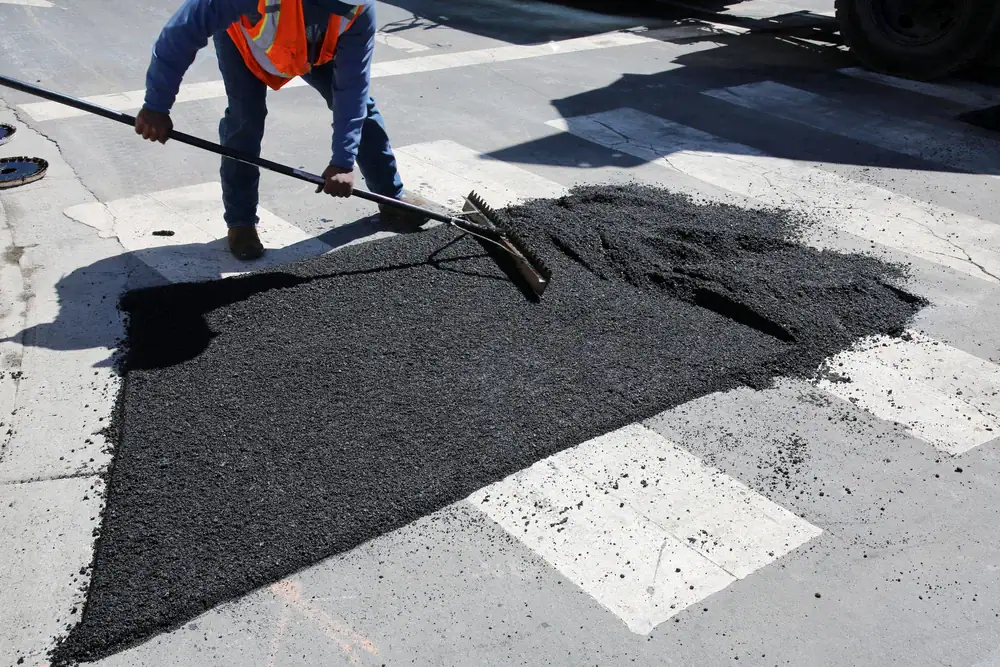
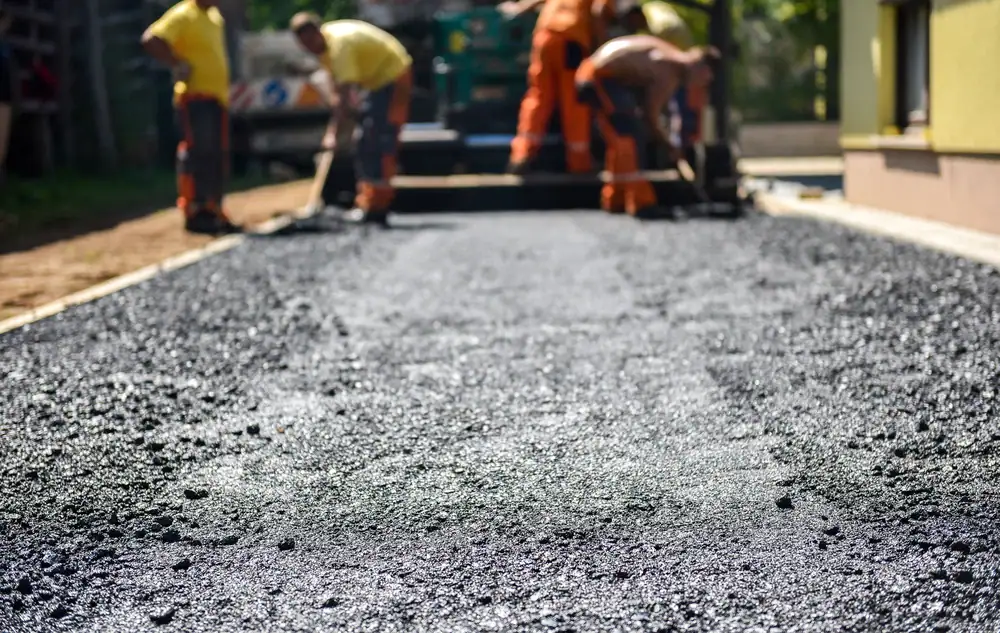
Surface course installation is the final paving step, creating the smooth, durable surface you’ll drive on. The hot mix asphalt must be delivered at temperatures between 275-300°F and installed while maintaining proper temperature for compaction. Timing is critical in Florida’s heat to prevent the material from cooling too quickly.
Compaction of the surface course requires multiple passes with steel wheel rollers to achieve proper density. The asphalt must be compacted while still hot enough to achieve maximum density, typically losing about 25% of its thickness during this process. Proper compaction eliminates air voids that can allow water infiltration and premature aging.
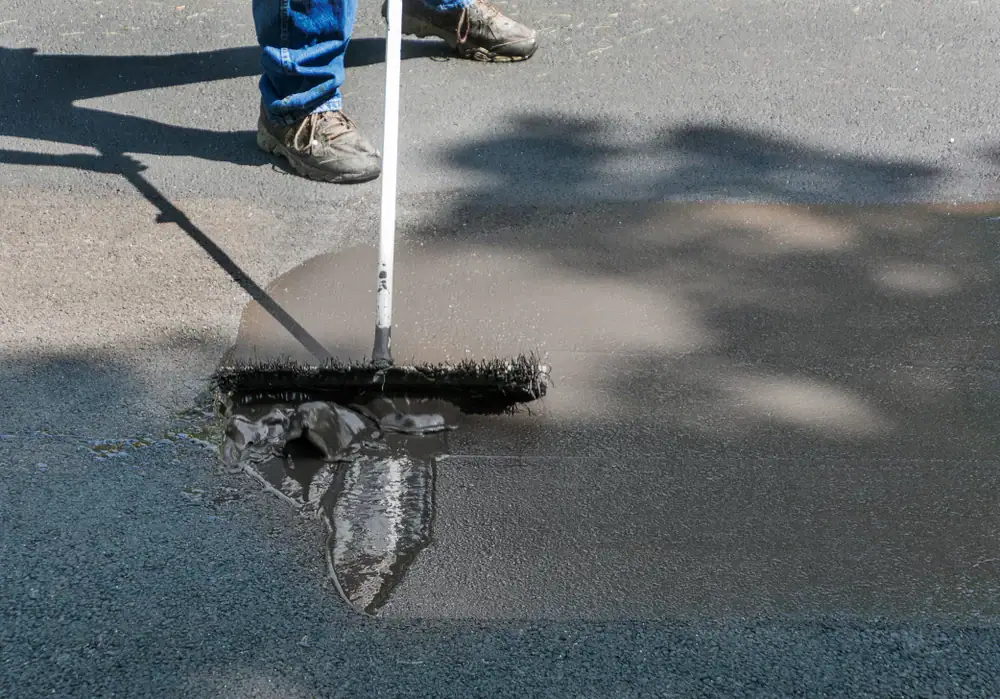
Joint construction and transitions require special attention where new pavement meets existing surfaces. These butt joints must be properly sealed and graded to prevent water infiltration and ensure smooth transitions for vehicles. Poor joint construction is a common source of premature pavement failure.
Selecting an experienced contractor who understands Florida’s unique paving challenges is crucial for project success. Look for contractors with extensive local experience, proper licensing and insurance, and a track record of quality work in similar climate conditions.
The right contractor will provide detailed estimates that include proper material specifications, installation procedures, and realistic timelines. They should be able to explain how their approach addresses Florida’s specific climate challenges and provide references from recent local projects.
Don’t base your decision solely on price. Quality installation using proper materials and techniques costs more upfront but saves money over the pavement’s lifetime through reduced maintenance and longer service life. When you’re ready to move forward with your asphalt paving installation project, we bring the local expertise and proven techniques needed for lasting results in Polk County’s demanding climate.
Article details:
Share:
Continue learning: