Essential guide to selecting a reliable paving contractor in Polk County, avoiding costly mistakes and ensuring quality results.
Share:
Summary:
Before any paving contractor touches your property, they should provide proof of three non-negotiable credentials. These aren’t just paperwork—they’re your protection against liability and poor workmanship.
First, verify their Florida contractor license through the state database. Licensed contractors have met experience requirements, passed examinations, and maintain continuing education. They’re also subject to state oversight and consumer protection laws.
Second, confirm current insurance coverage including general liability and workers’ compensation. You want to see certificates directly from their insurance company, not photocopies that could be outdated or fabricated.
Florida takes contractor licensing seriously, and for good reason. Contractors may be required to have a license to do business with residential or commercial customers, and licensing requirements include obtaining a Florida contractor license bond which provides protection to customers against fraudulent and illegal practices.
The state requires contractors to demonstrate four years of experience, pass comprehensive examinations, and maintain financial responsibility. This includes $300,000 public liability and $50,000 property damage insurance, plus workers’ compensation coverage. Contractors with credit scores below 660 must also post surety bonds ranging from $5,000 to $20,000.
But here’s what many homeowners don’t realize: unlicensed companies running scams often don’t have company names on their trucks, use generic signs like “Asphalt Paving” or “Blacktop,” and favor magnetic signs that allow them to change names frequently or fraudulently use legitimate company names.
Always verify licensing through Florida’s official database. A legitimate paving contractor will provide their license number without hesitation and encourage you to verify it independently. If they’re reluctant or evasive about licensing, that’s your cue to move on to the next candidate.
Insurance isn’t just about protecting the contractor—it’s about protecting you from financial disaster. Paving is heavy construction, and if a crew member gets hurt or a neighbor’s property is damaged, you want the contractor’s insurance—not yours—to cover it.
Proper insurance coverage should include general liability, workers’ compensation, and property damage protection. But here’s the critical part: you need to see current certificates directly from the insurance company, not copies that could be expired or fabricated.
A paving contractor without insurance or proper licensing means you could be left footing the bill if something goes wrong, and unlicensed contractors may not have the proper training and experience to do a good job. Some contractors will show you certificates that look official but are actually expired or from companies that no longer cover them.
Request that the insurance company add you as an additional insured for the project duration. Legitimate contractors do this routinely, while fly-by-night operators will make excuses or refuse. This simple step can save you thousands if problems arise during or after the project.
Want live answers?
Connect with a Central Florida Blacktop Paving expert for fast, friendly support.
Florida paving scams are common, especially from out-of-state contractors targeting homeowners. Recognizing warning signs can save you from costly mistakes and substandard work.
The most obvious red flags include door-to-door solicitation, pressure tactics demanding immediate decisions, and requests for full payment upfront. But there are subtler warning signs that many homeowners miss.
Poor workmanship often shows up as deteriorating asphalt that crumbles into gravel, with no site preparation work, no tack coat or binder course, and asphalt that wasn’t kept hot enough for proper application.
We rely on referrals, bids, and repeat business—not scare tactics or aggressive sales behaviors that often coincide with subpar materials, rushed preparation, and vanishing crews.
Watch for contractors who knock on your door claiming they have “leftover materials from another job” or offering special deals that expire today. Professional asphalt contractors know with great accuracy how much paving material is needed to complete each project—they don’t have mysterious surplus materials to unload.
If a paving contractor requires full payment upfront or pressures you into making immediate commitments with high-pressure sales techniques, it’s time to walk away. We are never in a hurry to take your money and always provide detailed estimates.
Payment should follow a reasonable schedule tied to project milestones, not demanded in full before work begins. Reputable contractors typically request a small deposit to secure materials, with the majority of payment due upon satisfactory completion.
If a paving contractor’s quote seems too good to be true, it probably is—they may be cutting corners or using subpar materials, and you’ll end up spending more money fixing the damage they caused.
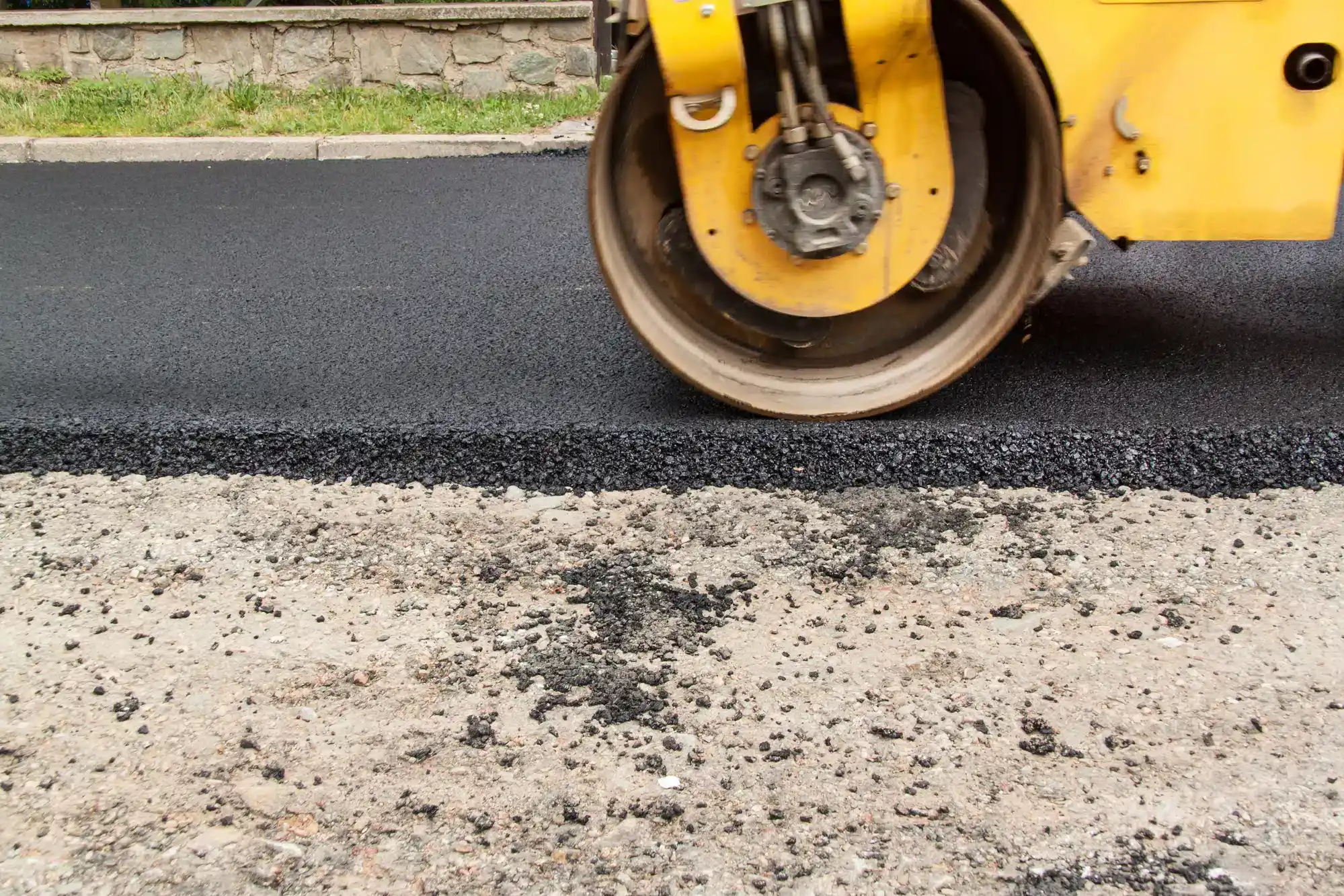
Quality asphalt paving requires proper site preparation, appropriate base materials, correct asphalt temperatures, and proper compaction. Contractors who skip these steps might deliver work that looks acceptable initially but fails quickly under Florida’s demanding conditions.
The lifespan of asphalt hinges on what you can’t see: subgrade, base, compaction, and water management. Contractors who skip site assessments are guessing, and you’ll pay for it later through no site walk or measurements before quoting, no mention of base repair or drainage planning, and vague warranty language.
Ask potential contractors to explain their process in detail. They should discuss soil conditions, drainage requirements, base preparation, asphalt thickness, and compaction procedures. If they can’t explain these fundamentals or seem impatient with technical questions, they’re probably not the right choice for your project.
The difference between a successful paving project and a costly nightmare often comes down to the paving contractor you choose. Florida demands different approaches than other regions, and you need contractors who understand exactly what your pavement goes through in Polk County’s challenging environment.
Take time to verify credentials, check references, and get detailed written estimates from multiple contractors. Get at least three detailed estimates that include excavation, base preparation, asphalt installation, and cleanup, and verify contractors are licensed, insured, and have positive reviews while being wary of significantly lower bids.
Remember that the cheapest option rarely delivers the best value. Quality paving contractors invest in proper equipment, experienced crews, and quality materials—investments that show up in the longevity and performance of your finished project. When you’re ready to move forward with your asphalt paving project, we bring the local expertise and professional standards your Polk County property deserves.
Article details:
Share:
Continue learning: