Hear from Our Customers
You get a parking lot that doesn’t crack apart after the first rainy season. One that drains properly instead of turning into a lake every time a storm rolls through. One that looks professional and stays that way for years.
When asphalt is installed correctly in Florida, it handles the heat without softening and the rain without breaking down. The surface stays smooth. Customers don’t dodge potholes. You’re not calling for repairs every six months.
That’s what happens when the base is prepared right, the drainage is designed to move water off the surface, and the asphalt itself is thick enough to handle real use. It’s not complicated, but it has to be done properly from the start.
We’re based in Winter Garden and have been working with asphalt in Central Florida long enough to know exactly what this climate does to pavement. The UV rays break down the binder. The rain finds every weak spot. The heat makes everything worse.
That’s why we focus on proper installation from day one. Modern equipment, attention to drainage, and base work that actually supports the asphalt for the long haul. We serve Rolling Hills and the surrounding Central Florida area with the same approach on every job: clear communication, transparent pricing, and work that gets completed on time.
Whether it’s a new parking lot installation or resurfacing an existing one, we handle residential and commercial projects with the same level of care. Free consultations mean you know what you’re getting into before anything starts.
First, the site gets assessed. Soil conditions, drainage needs, and any existing pavement issues get identified. If there’s old asphalt, it’s either milled down or removed depending on its condition.
Next comes base preparation. This is where most cheap jobs fall apart. A proper gravel base gets laid down, compacted, and graded with a slight slope so water moves off the surface instead of pooling. Skip this step or rush through it, and you’ll see cracks within a year.
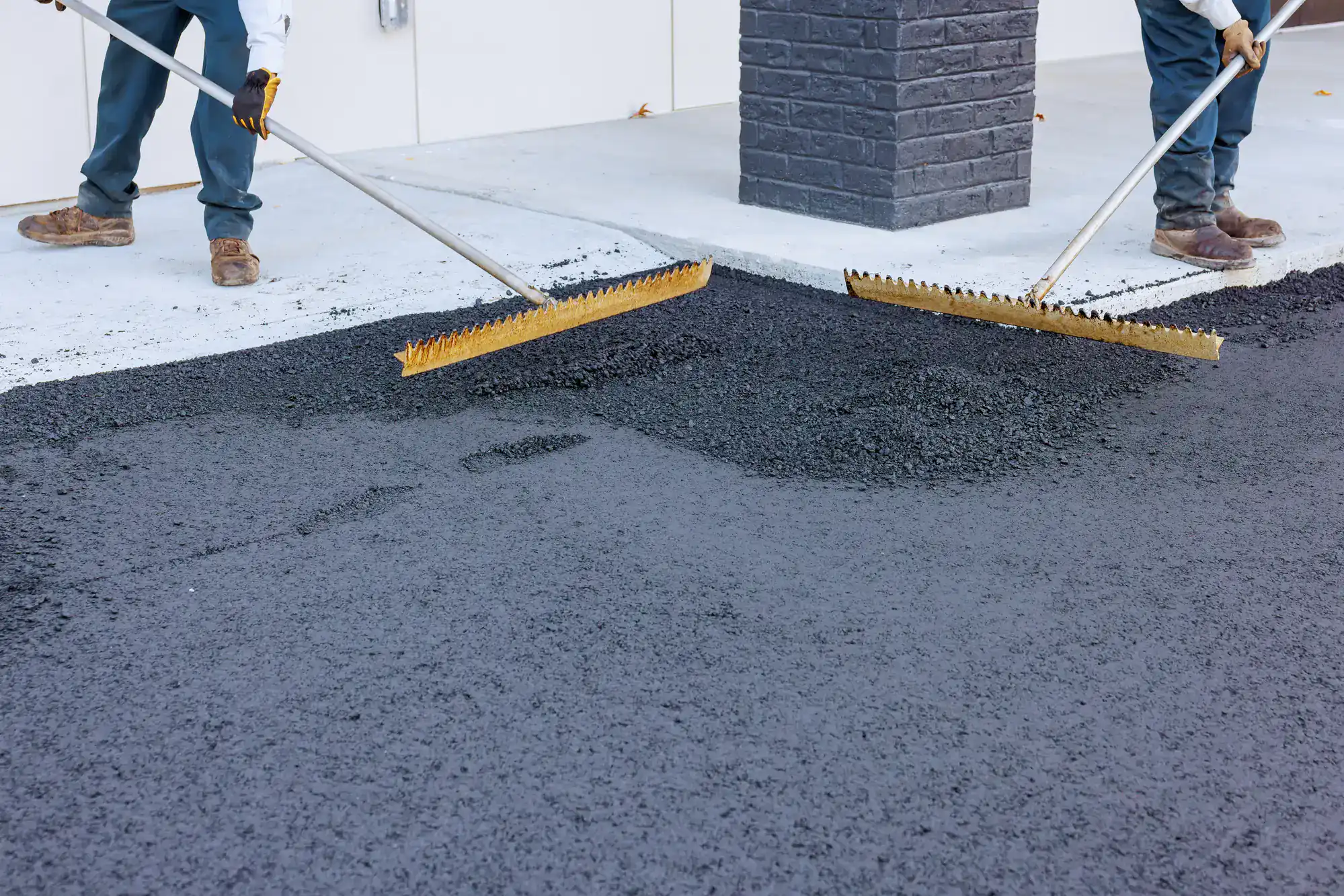
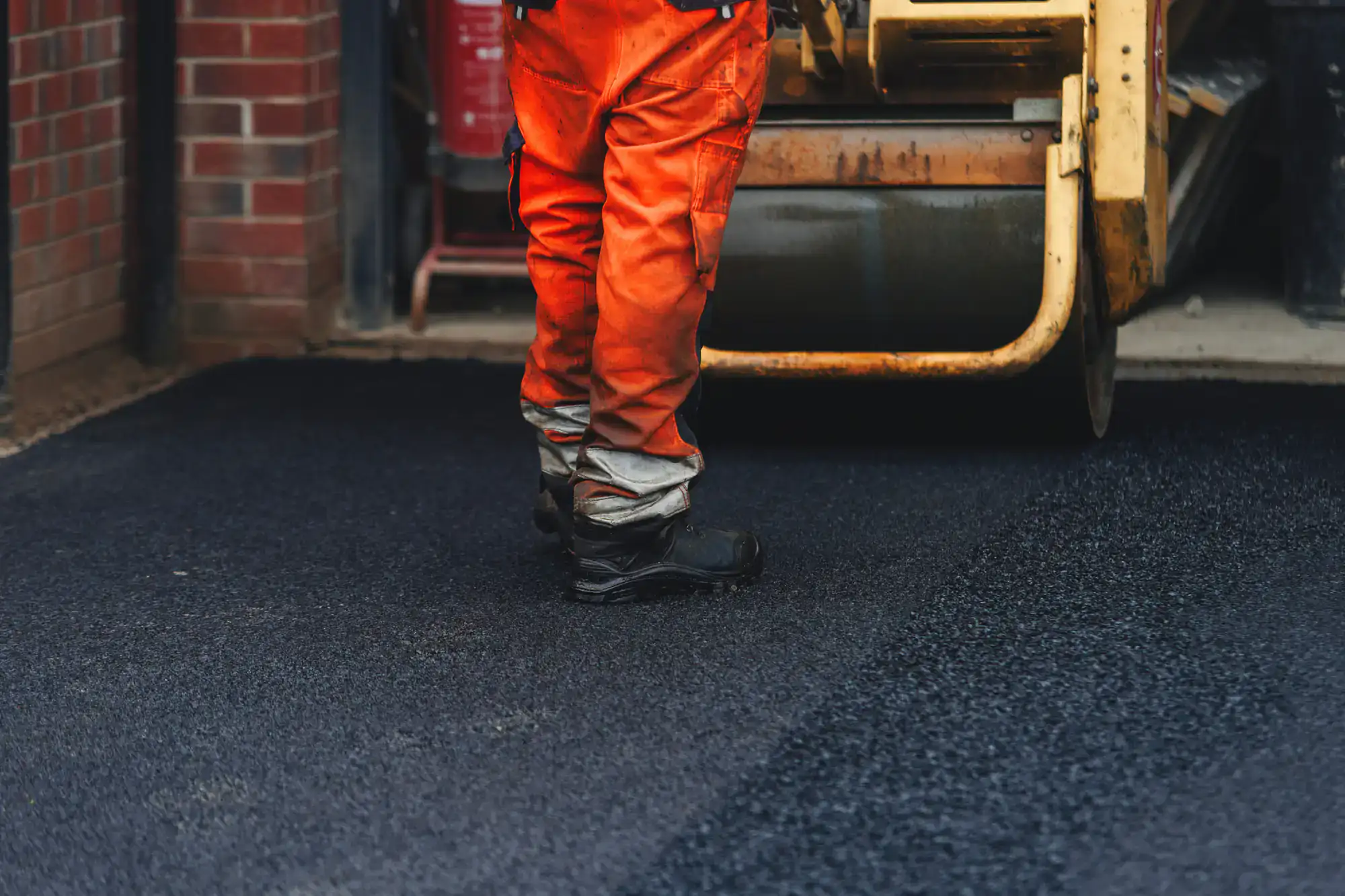
Then the asphalt goes down. A tack coat bonds the new surface to the base. The asphalt is spread, compacted with heavy rollers to the right density, and finished smooth. Thickness matters here—commercial lots handling regular traffic need at least three inches, sometimes more.
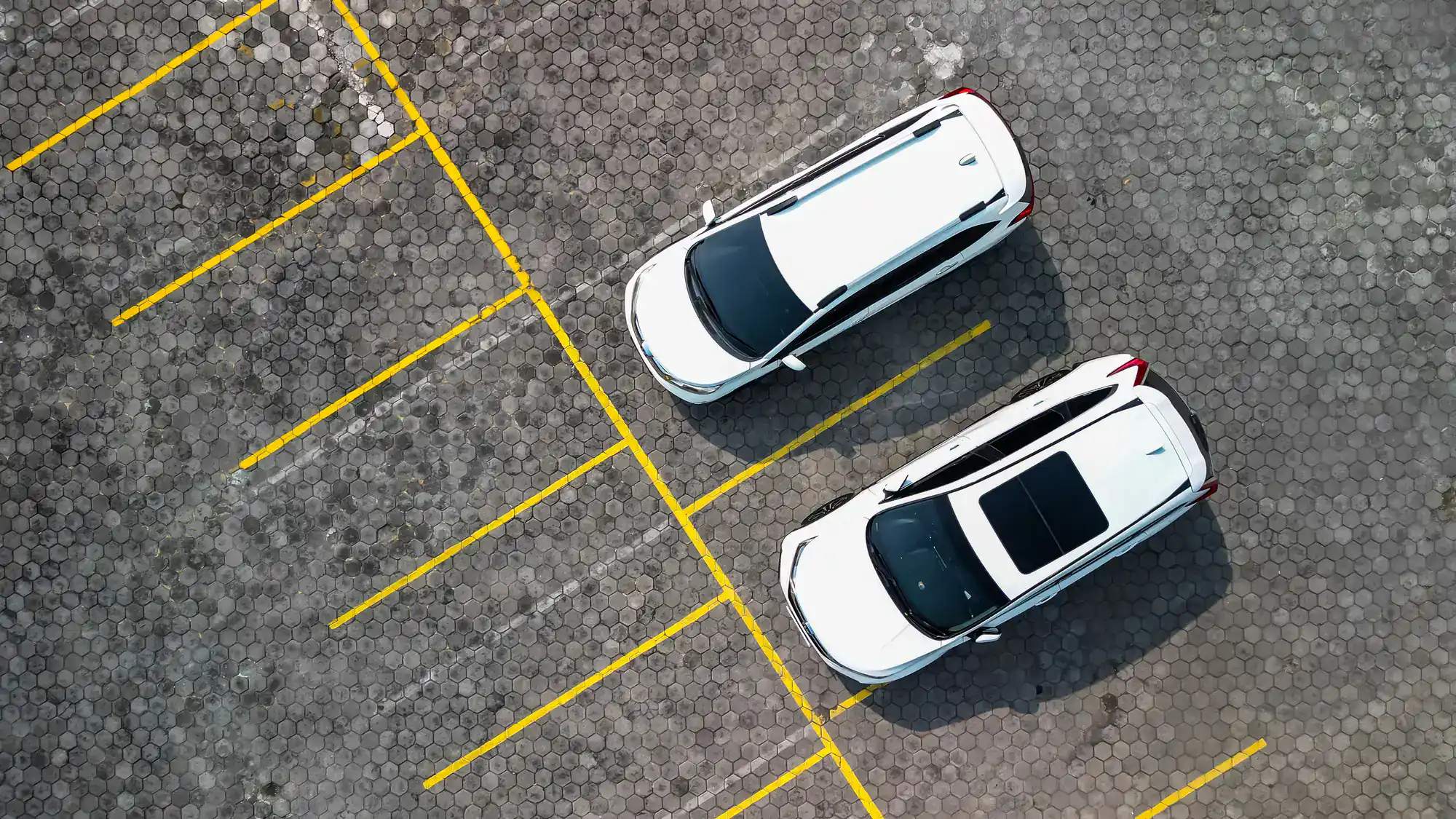
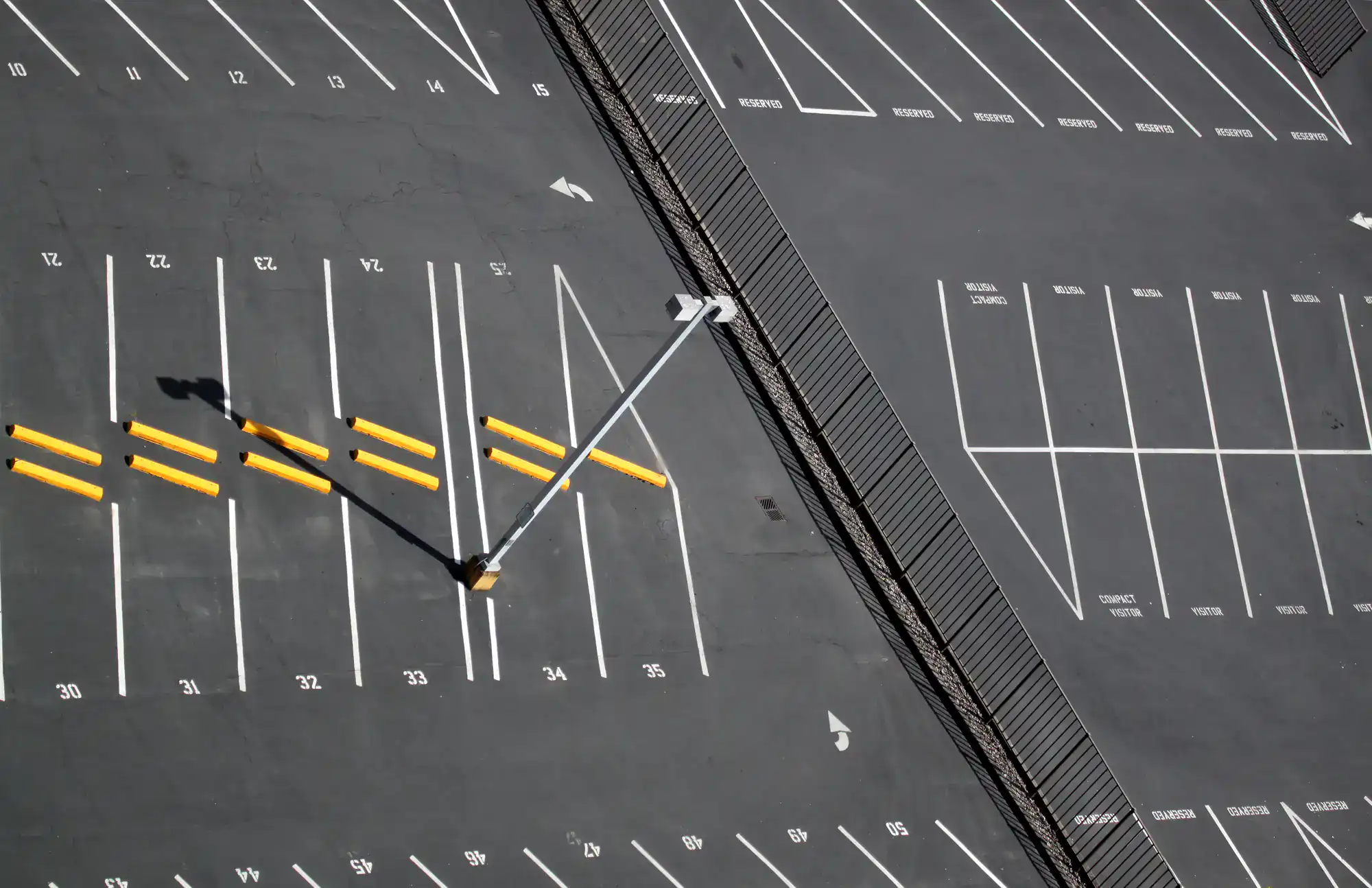
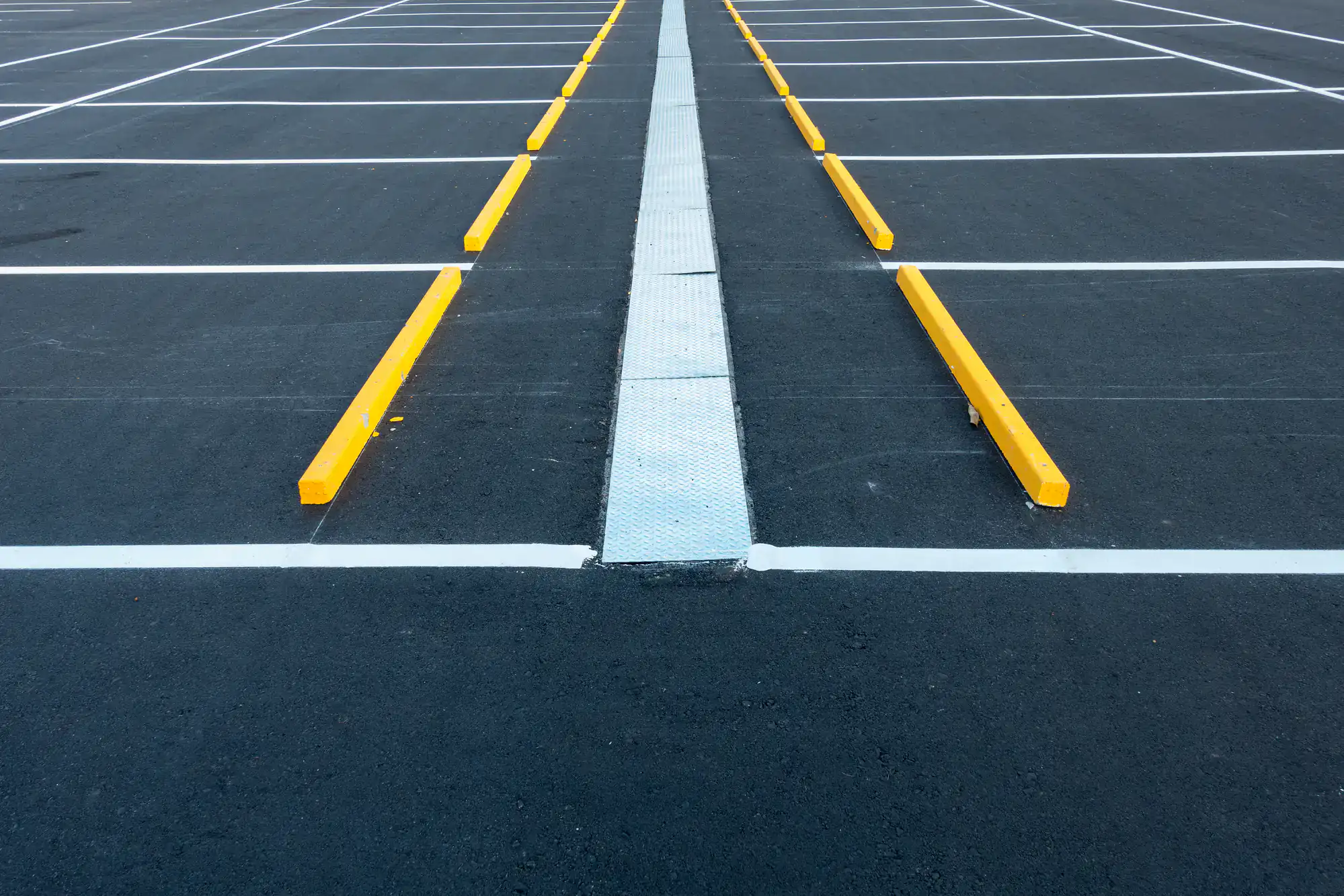
After the asphalt cures, striping goes in. Parking spaces, directional arrows, handicap spots that meet ADA requirements. The whole process typically takes three to seven days depending on size and weather. You’ll know the timeline upfront so you can plan around it.
Ready to get started?
Parking lot paving in Rolling Hills covers everything from initial site evaluation to final striping. That includes grading and excavation if needed, proper base installation with compacted gravel, asphalt installation at the right thickness for your traffic levels, and drainage systems designed to handle Florida’s heavy rainfall.
Rolling Hills sits in an area that gets hit with intense afternoon thunderstorms, especially during summer months. That means drainage isn’t optional—it’s critical. Water that pools on asphalt seeps into cracks, erodes the base underneath, and leads to premature failure. Proper slope and drainage design prevent that from happening.
The service also includes options for concrete curbing, ADA-compliant striping and signage, and scheduling that works around your business hours if you need minimal disruption. For commercial properties, that might mean phased work or after-hours installation so customers aren’t inconvenienced.
Maintenance services like sealcoating and crack sealing extend the life of your asphalt once it’s in. Sealcoating every few years protects against UV damage and oxidation. Crack sealing stops small issues before they turn into expensive repairs. These aren’t upsells—they’re how you get 20-plus years out of asphalt in Florida’s climate.
Most parking lot paving projects in Rolling Hills take between three and seven days from start to finish. The timeline depends on the size of the lot, weather conditions, and whether you’re doing new installation or resurfacing existing asphalt.
Smaller lots for businesses with 10-20 parking spaces might be done in three to four days. Larger commercial properties with 100-plus spaces can take a full week or more. Weather plays a role too—asphalt needs dry conditions and temperatures above 50 degrees for proper installation, so summer storms can cause delays.
If you need the work done in phases to keep your business operational, that extends the timeline but keeps disruption minimal. You’ll get a clear schedule before work starts so you can plan accordingly. The asphalt needs 24-48 hours to cure before light traffic, and up to a week before heavy vehicles should use it.
Resurfacing means adding a new layer of asphalt over the existing surface. It works when the current pavement has minor cracks or surface wear but the base underneath is still solid. The old asphalt gets cleaned, a tack coat is applied for bonding, and then new asphalt is laid on top. This is less expensive and faster than full replacement.
Complete replacement means tearing out the old asphalt, addressing any base issues, and installing everything from scratch. You need this when the existing pavement has major structural problems—deep cracks, significant settling, or base failure. If you’re seeing alligator cracking (that spiderweb pattern), potholes that keep coming back, or areas where the pavement is sinking, resurfacing won’t fix it.
The choice comes down to the condition of what’s already there. A site evaluation identifies whether the base is stable enough to support new asphalt or if it needs to be rebuilt. Resurfacing on a failing base just means the new surface will crack in the same spots within months.
Asphalt parking lot paving in Rolling Hills typically runs between $2 and $4.50 per square foot for materials and installation. That means a 10,000 square foot lot—enough for about 30-35 cars—costs somewhere in the $20,000 to $45,000 range depending on site conditions and project specifics.
Several factors affect the final price. If the site needs extensive grading or the soil is unstable, base preparation costs go up. Thicker asphalt for heavy traffic costs more than standard thickness. Adding features like concrete curbing, drainage systems, or extensive striping increases the total. Removal of old pavement adds to the cost compared to resurfacing over existing asphalt.
The lowest bid isn’t always the best value. Contractors who skip proper base work or use thinner asphalt save money upfront but deliver a parking lot that fails prematurely. You end up paying more in repairs and early replacement. A free consultation with detailed pricing lets you see exactly what you’re getting and compare apples to apples between contractors.
Florida’s climate is brutal on asphalt. The state gets nearly 55 inches of rain annually, and that moisture is asphalt’s worst enemy. Water seeps into small cracks, erodes the base material underneath, and creates soft spots that turn into bigger cracks and potholes.
The intense UV exposure accelerates oxidation, which makes the asphalt brittle over time. As the binder breaks down, the surface becomes more prone to cracking. Add in the heat—asphalt can soften in extreme temperatures—and you’ve got conditions that age pavement faster than in cooler, drier climates.
That’s why proper installation matters so much here. A well-compacted gravel base provides stability. Adequate asphalt thickness gives you a buffer against wear. Proper drainage keeps water moving off the surface instead of pooling. And regular maintenance like sealcoating protects against UV damage and seals small cracks before they spread. Without these elements, asphalt in Florida can start failing within a few years instead of lasting 20-plus.
Yes, but not immediately. New asphalt needs time to cure fully before sealcoating—typically six months to a year after installation. Once that initial curing period is done, sealcoating every two to four years protects your investment and extends the pavement’s life significantly.
Sealcoating creates a protective barrier against UV rays, water intrusion, oil spills, and chemical damage. In Florida’s climate, UV exposure is constant and breaks down the asphalt binder over time. Sealcoating slows that oxidation process and keeps the surface flexible instead of brittle. It also fills minor surface cracks and gives the parking lot that fresh black appearance.
The cost is minimal compared to the protection you get—usually $0.15 to $0.30 per square foot. Skipping sealcoating means you’ll see fading, surface deterioration, and more frequent crack repairs. Over time, that adds up to shortened pavement life and earlier replacement. Regular sealcoating is one of the most cost-effective maintenance steps you can take.
Yes, with proper planning. Many commercial parking lot paving projects in Rolling Hills get scheduled in phases or during off-hours to minimize customer impact. If you operate a retail business, the work can be done in sections so part of your lot remains accessible while the other part is being paved.
For businesses with predictable slow periods, scheduling the project during those times reduces disruption. We can work evenings or weekends if that’s when your lot sees the least traffic. The key is communicating your needs upfront so the project can be planned around your operating schedule.
You’ll need to close off the work area completely during paving and for 24-48 hours afterward while the asphalt cures. But with phased work, that might mean blocking off 30% of your lot at a time instead of the entire thing. Clear signage and communication with customers help manage expectations. Most businesses find that a well-planned paving project causes less disruption than they anticipated.
Other Services we provide in Rolling Hills