Hear from Our Customers
You’re not looking for the cheapest option that cracks after one summer. You’re looking for a commercial paving contractor who understands that Florida destroys inferior work fast.
When your commercial parking lot paving is installed correctly, you get a surface that handles our extremes. Proper drainage means water doesn’t pool and seep into cracks. A properly compacted base won’t shift under heavy traffic. Materials and techniques designed specifically for Central Florida’s climate perform differently than generic solutions that fail in six months.
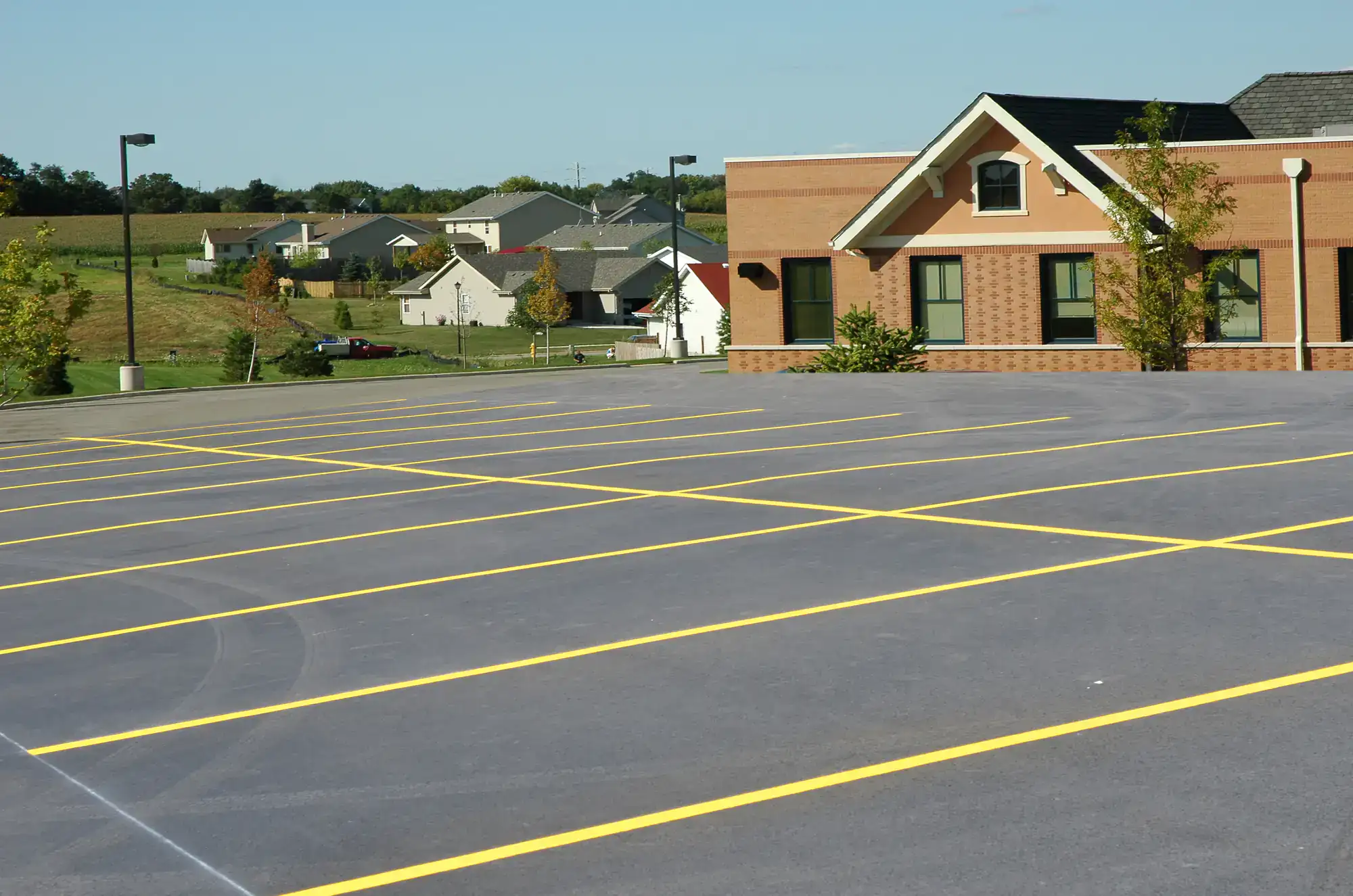
Your customers notice smooth pavement when they pull in. They also notice cracked, uneven surfaces that make your business look neglected or create liability risks. The difference between the two comes down to whether your commercial asphalt paving was done by someone who knows what they’re doing or just showed up with a truck and some hot mix.
Rolling Hills businesses can’t afford to repave every few years because a contractor skipped critical steps. You need commercial paving that lasts 20 years, not five.
We operate out of Winter Garden and have been handling commercial asphalt projects across the Rolling Hills area and broader Central Florida region for years. We know what Florida weather does to pavement because we’ve seen it, fixed it, and learned how to prevent it from happening in the first place.
Rolling Hills and the surrounding Central Florida communities need commercial paving contractors who understand local conditions. Not every company does. Some use methods that work fine up north but fail here because they don’t account for our intense UV exposure, humidity levels, sandy soil conditions, and the way our heavy rains undermine poor drainage.
We focus on delivering projects on time and within budget, which shouldn’t be revolutionary but apparently is in this industry. We provide free consultations and transparent pricing upfront because surprises halfway through a commercial paving project help nobody and damage trust.
First, the site gets assessed properly. That means checking drainage patterns, testing soil conditions, and understanding what kind of traffic loads the lot will handle daily. Skipping this evaluation step is exactly how you end up with commercial parking lot paving that fails in two years instead of twenty.
Next comes site preparation. Old pavement gets removed if needed. The ground gets graded to a 2% slope so water drains properly instead of pooling in low spots. This matters more in Rolling Hills and Central Florida than almost anywhere else because our heavy rain doesn’t let up, and standing water is asphalt’s worst enemy.
Then the base goes in properly. Eight to twelve inches of gravel, compacted in layers. This is the foundation everything else sits on. If a commercial paving contractor does this wrong, nothing above it will hold up no matter how good the asphalt mix is. Sandy Florida soil requires extra attention here.
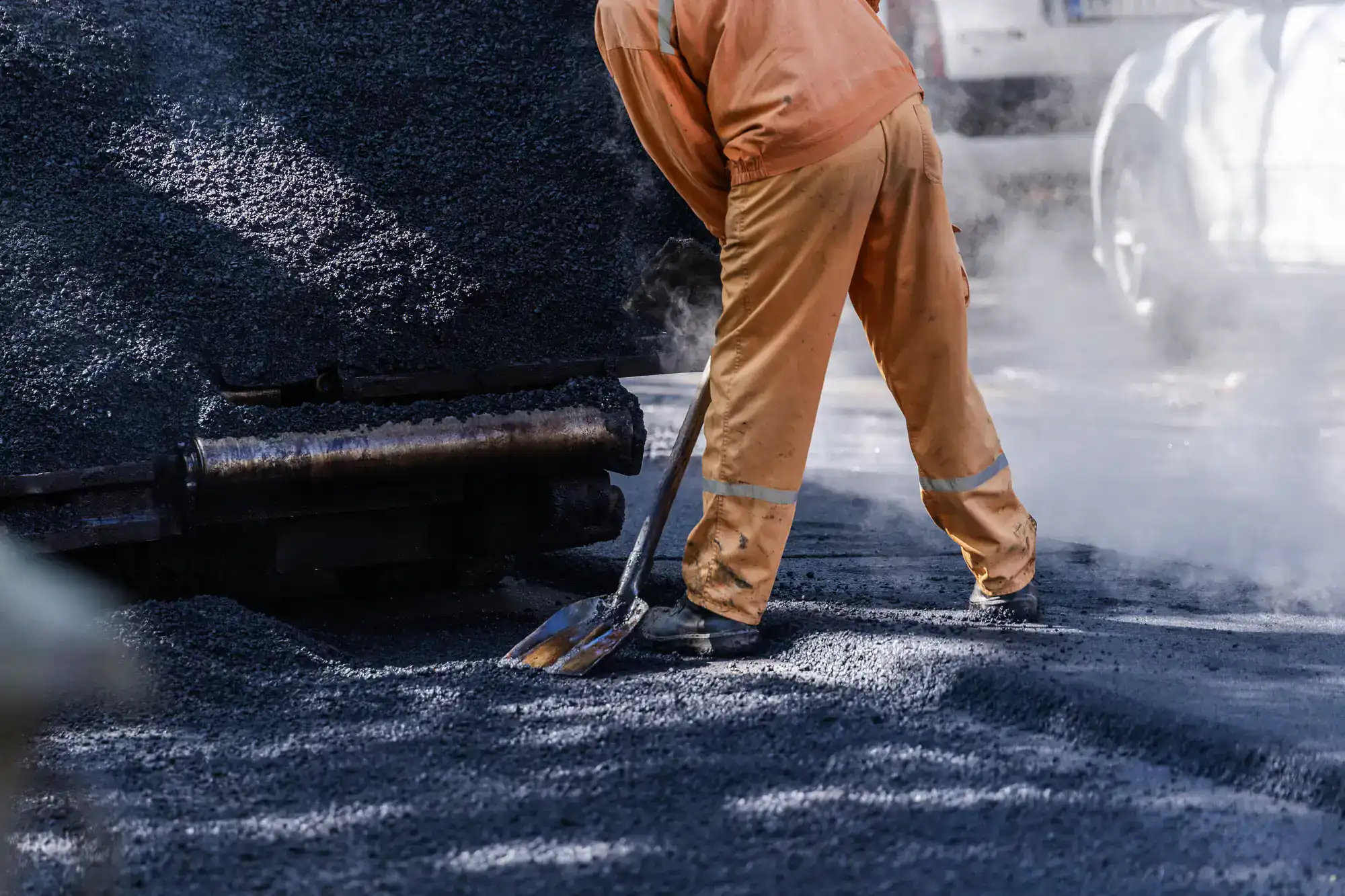
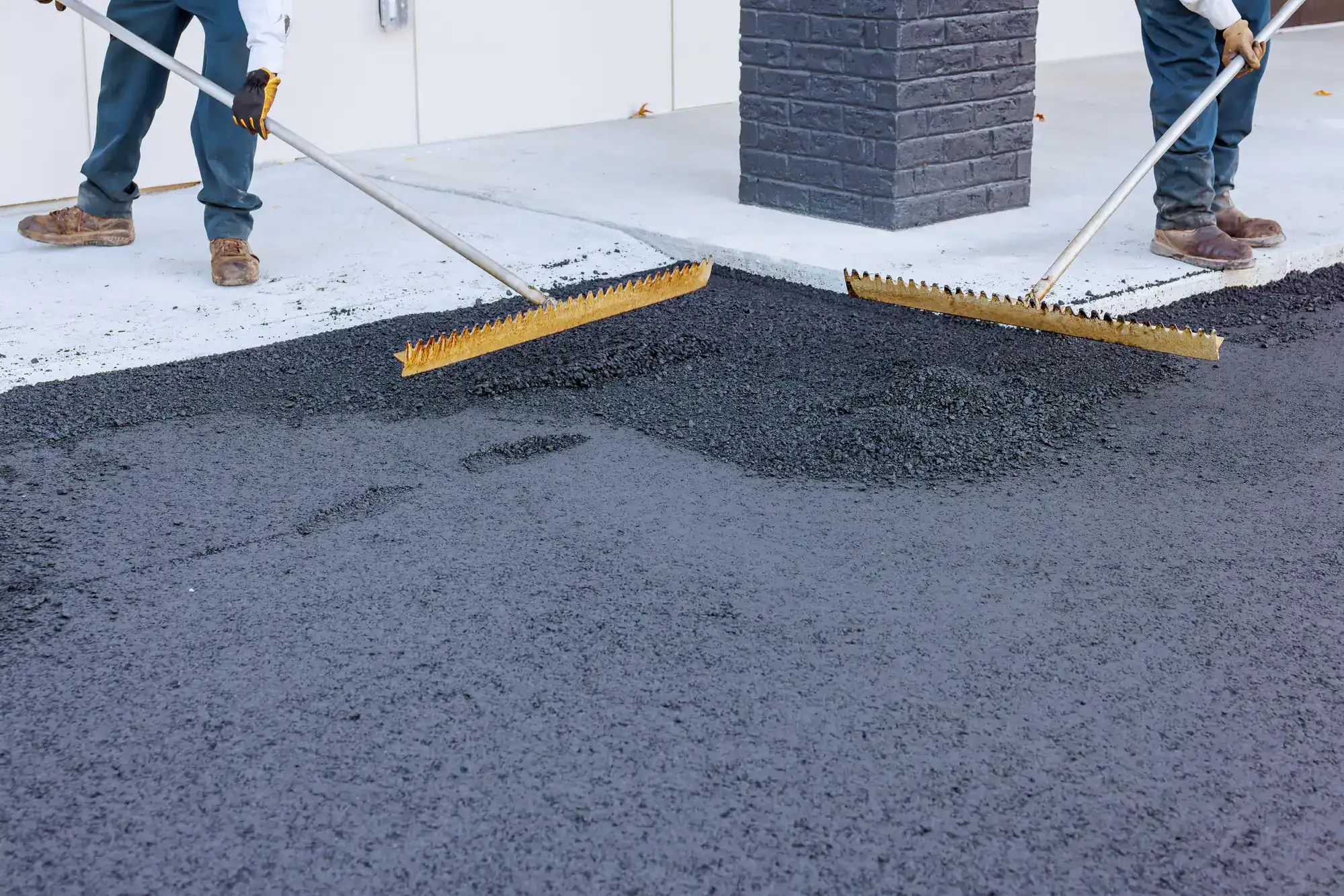
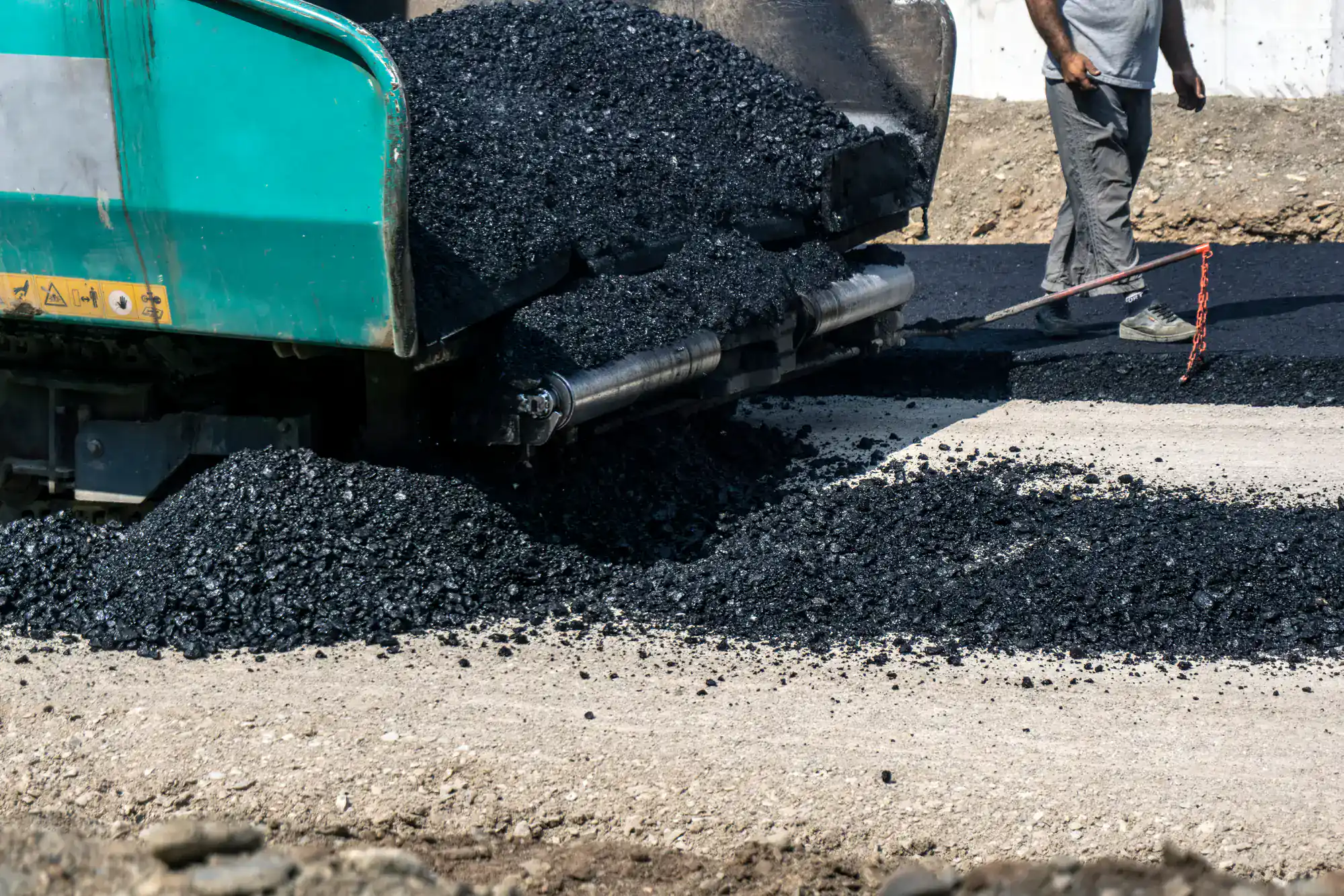
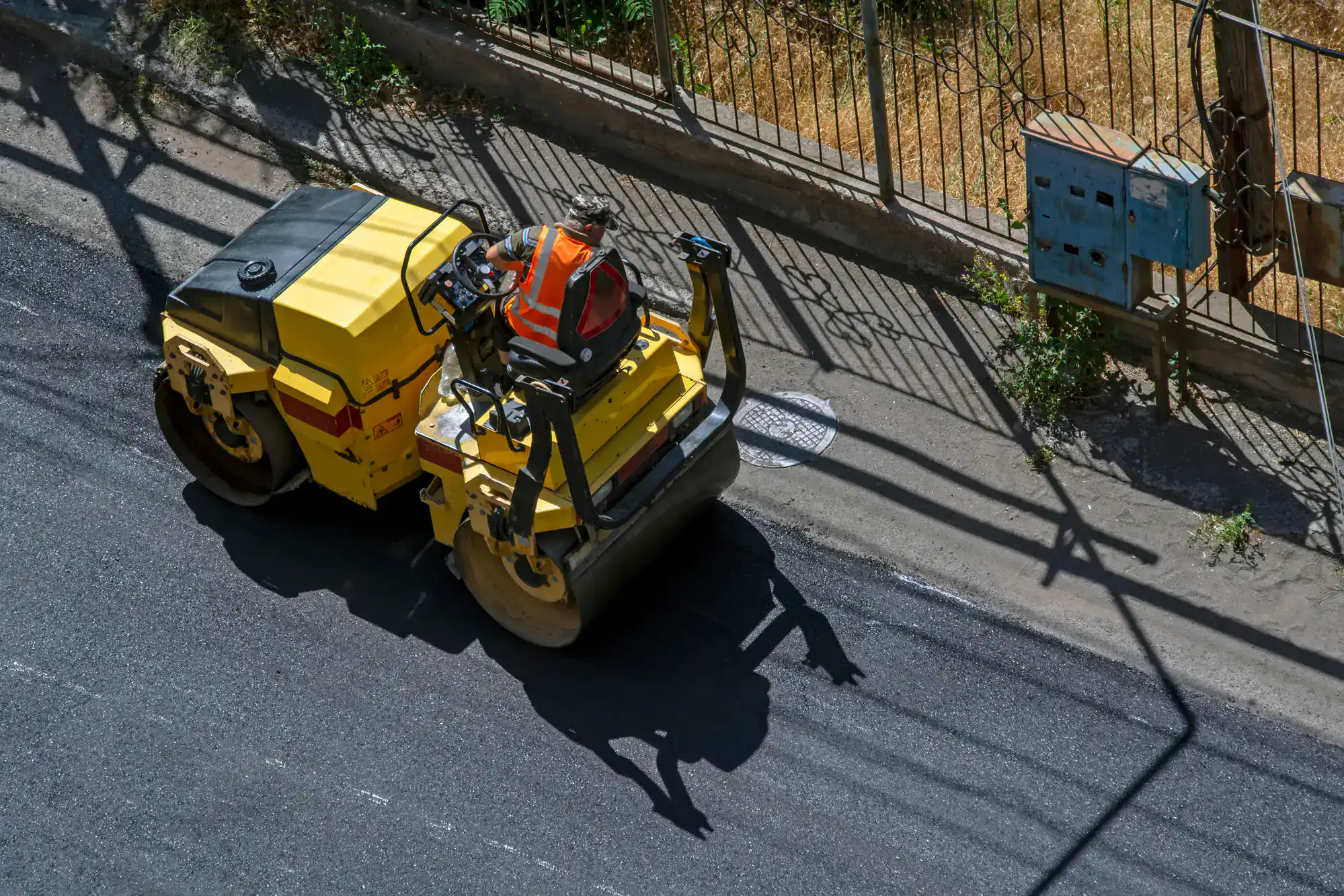
The commercial asphalt gets laid in layers. A binder layer goes down first, then the top coat. Thickness depends on what’s using the lot. Standard passenger cars need three inches. Heavy delivery trucks or equipment need four to six. We roll it flat with proper compaction equipment, let it cure, then add striping and any required ADA-compliant markings.
Most commercial paving projects in Rolling Hills take three to seven days for a medium-sized lot. Weather delays happen, especially during summer thunderstorm season, but experienced contractors plan for that and keep you updated instead of disappearing.
Ready to get started?
Commercial paving isn’t just dumping asphalt and calling it done. It includes proper base preparation, precise grading for drainage, and installation techniques that account for your specific traffic patterns and load requirements.
In Rolling Hills and the broader Central Florida area, commercial asphalt paving also means dealing with our unique soil conditions. Sandy soil doesn’t provide the same stability as clay. Water tables sit higher here than in other regions. These factors directly affect how deep the base needs to go and what materials work best for long-term performance.
You also get drainage solutions designed for Florida’s rainfall patterns. Central Florida receives more annual rainfall than most states, and it comes down hard and fast. Without correct grading and drainage infrastructure, water undermines your pavement from below. That’s exactly how you end up with potholes and spreading cracks that turn into expensive failures.
ADA compliance is part of every commercial parking lot paving project. Accessible parking stalls with proper slopes, curb ramps where needed, compliant signage and striping. These aren’t optional add-ons for commercial paving contractors who know what they’re doing. They’re requirements, and getting them wrong creates serious liability issues for your business.
The work includes complete cleanup and professional striping. Your lot should be ready to use when we leave, not left half-finished with debris scattered everywhere. Professional commercial asphalt services handle the complete job from site prep to final striping.
Properly installed commercial asphalt in Florida typically lasts 15 to 25 years with regular maintenance. That lifespan depends heavily on three things: quality of installation, Florida’s harsh conditions, and whether you keep up with maintenance schedules.
Florida’s intense UV exposure breaks down asphalt faster than in northern states. Our humidity and heavy rainfall accelerate deterioration if drainage isn’t designed correctly. These factors mean cutting corners during installation costs you years of pavement life and thousands in premature replacement.
Maintenance matters significantly too. Sealcoating every two to four years protects the surface from oxidation and water penetration. Filling cracks promptly stops them from spreading into bigger problems. Ignoring small issues turns them into expensive failures. With proper care from a reliable commercial paving contractor, your parking lot can reach or exceed that 25-year mark. Without it, you might be looking at repaving in ten years.
Commercial parking lot paving in the Rolling Hills area typically runs between $2.50 and $7 per square foot. That range exists because every project is different, and several factors affect the final cost.
Size matters significantly. Larger lots cost more total but less per square foot due to economies of scale. A 10,000 square foot lot might run $25,000 to $70,000 depending on specifications. Site preparation adds to the cost if you need significant grading, drainage work, or removal of deteriorated pavement.
Asphalt thickness affects price too. Standard passenger car traffic needs three inches of asphalt. Heavy delivery trucks or equipment require four to six inches. Thicker pavement costs more upfront but prevents premature failure under heavy loads, saving money long-term.
Additional features like ADA-compliant striping, concrete curbing, or specialized drainage systems increase costs but are often necessary for code compliance. The cheapest quote from a commercial paving company isn’t always the best value. A contractor who skips proper base preparation or uses inferior materials will cost you significantly more in repairs within a few years. Getting multiple detailed estimates helps you understand what you’re actually paying for and what corners might be getting cut.
If more than 30% of your parking lot surface shows significant damage, you’re probably looking at repaving rather than spot repairs. But the type of damage matters as much as the amount.
Surface cracks that haven’t spread extensively can usually be filled and sealed by a commercial paving contractor. Small potholes can be patched effectively. Faded striping just needs repainting. These are maintenance issues, not replacement situations.
Repaving becomes necessary when you see widespread alligator cracking, which looks like interconnected cracks forming a pattern similar to reptile skin. This indicates base failure underneath, not just surface issues. You’ll also need commercial asphalt paving replacement if the surface has multiple large depressions where water pools after rain, or if the pavement has become so uneven it creates drainage problems or safety hazards.
Another clear sign is if you’re constantly patching the same areas repeatedly. That means the underlying structure has failed, and patches are just temporary fixes. Age factors in too. If your lot is 15 to 20 years old and showing multiple issues simultaneously, repaving is more cost-effective than ongoing repairs that never solve the root problems. A thorough site inspection can assess the damage and recommend the most practical solution.
Florida’s combination of intense UV exposure, high humidity, heavy rainfall, and heat creates conditions that accelerate asphalt deterioration significantly. Each factor attacks pavement differently, and together they cause damage faster than in most other states.
UV rays from our intense sunshine cause oxidation. This chemical process makes asphalt brittle and prone to cracking. The process happens faster in Rolling Hills and Central Florida than in states with less sun exposure or seasonal cloud cover. Once cracks form, water gets in, and that’s where humidity and rain take over the damage.
Florida’s humidity and frequent heavy downpours mean water constantly works its way into any crack or weak spot. Water penetration undermines the base layer, causes erosion underneath, and leads to potholes. When water sits on the surface due to poor drainage design, it accelerates surface deterioration through a continuous cycle.
Heat plays a significant role too. High temperatures make asphalt more pliable, which sounds beneficial but actually allows it to deform under heavy traffic. This creates ruts and depressions where water pools, creating a destructive cycle of damage. Commercial paving contractors who don’t account for these Florida-specific challenges deliver work that fails prematurely, costing you more in the long run.
Regular maintenance extends your commercial asphalt’s life significantly and costs far less than premature replacement. The main maintenance tasks are sealcoating, crack filling, and routine inspections.
Sealcoating should happen every two to four years. This protective layer shields asphalt from UV damage, prevents water penetration, and restores the dark black appearance that looks professional. It costs between $0.15 and $0.30 per square foot, which is minimal compared to repaving costs. In Florida’s harsh climate, staying on schedule with sealcoating can add 10 to 15 years to your pavement’s life.
Crack filling should be done annually or whenever you notice cracks forming. Small cracks spread quickly, especially with Florida’s rain patterns. Filling them promptly costs $0.50 to $3 per linear foot and prevents water from undermining the base and causing expensive structural damage.
Routine inspections help catch problems early. Check for standing water after rain, which indicates drainage issues that need addressing. Look for cracks, potholes, or areas where the surface is deteriorating. Addressing these quickly with help from a commercial paving contractor prevents bigger problems that cost exponentially more.
Keep the surface clean too. Sweep away debris regularly and clean up oil spills promptly because oil breaks down asphalt. Power washing occasionally helps remove buildup. These simple steps, combined with sealcoating and crack filling, keep your commercial parking lot functional and attractive for decades instead of years.
Most commercial parking lot paving projects in Rolling Hills take between three and seven days for a medium-sized lot, though larger or more complex projects take longer. The timeline depends on lot size, site conditions, scope of work, and weather cooperation.
Site preparation typically takes one to two days. This includes removing old pavement if needed, grading the surface properly, and installing the gravel base. Proper base preparation can’t be rushed by any reputable commercial paving contractor. Compaction needs to be done in layers and checked for stability at each stage.
Commercial asphalt installation usually takes one to two days for a standard commercial lot. We lay the binder layer first, compact it properly, then apply the top coat. Each layer needs proper compaction to prevent future problems. Larger lots or those requiring thicker asphalt for heavy traffic loads take longer to complete correctly.
Curing time matters for longevity. While you can typically allow light traffic on new asphalt within 24 to 48 hours, it takes longer to fully cure and reach maximum strength. Avoid heavy traffic, sharp turns, or parking in the same spots for the first few days. Striping and final touches happen after the surface has set properly.
Weather affects timelines significantly in Central Florida. Rain delays paving because asphalt can’t be laid on wet surfaces. High heat can actually help asphalt cure faster, but extreme heat makes it harder to work with during installation. We build weather contingencies into the schedule and keep you updated on any delays instead of leaving you wondering.
Other Services we provide in Rolling Hills