Hear from Our Customers
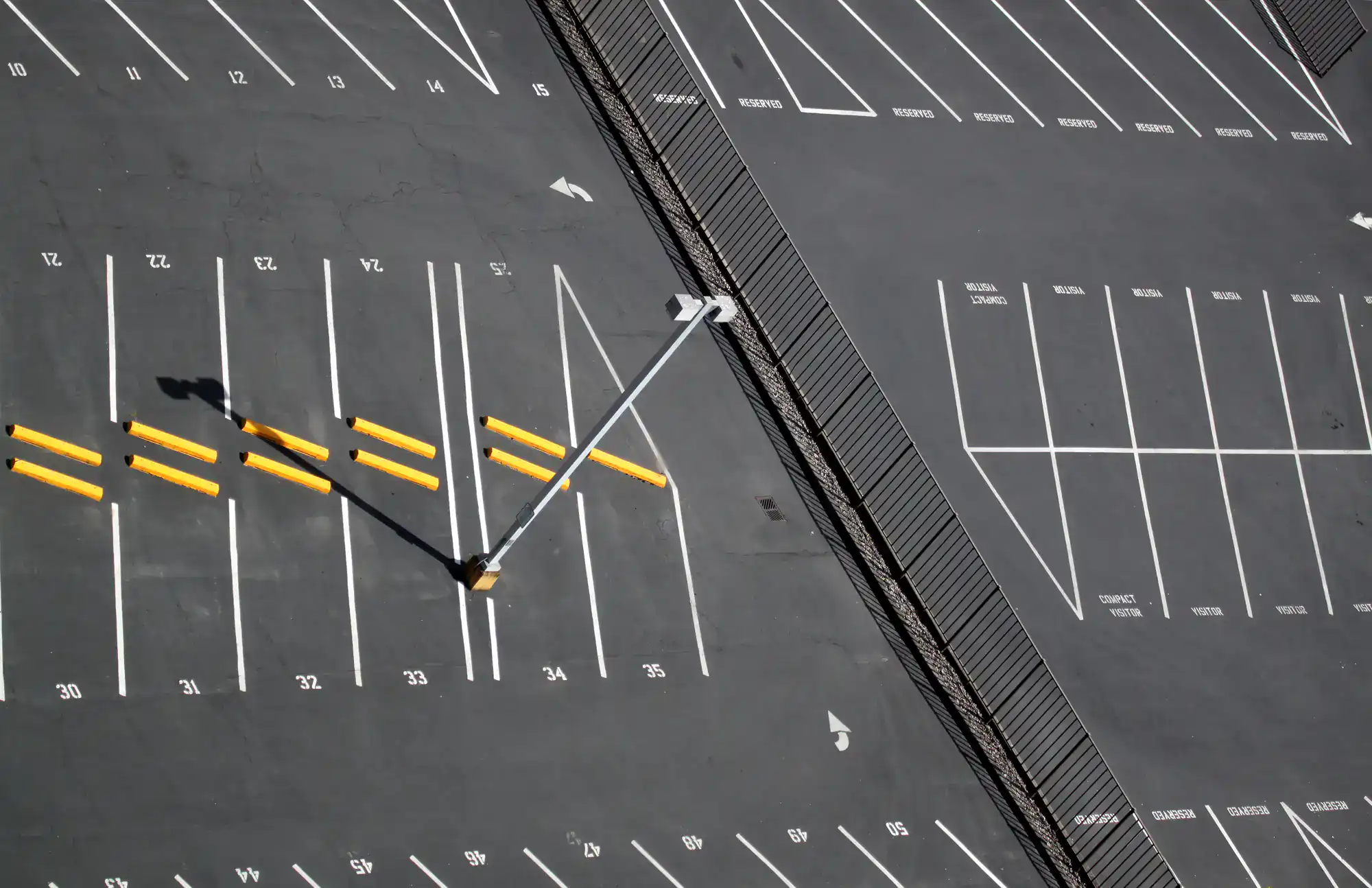
You know what a cracked, uneven parking lot does to your property. It makes everything look run-down. It creates puddles after every rain. It costs you money in liability concerns and constant patching.
A properly installed parking lot changes that. The surface stays smooth. Water drains where it should. Your property looks like you actually care about it.
That’s what happens when the base is done right—when drainage is planned correctly, when the asphalt is thick enough for your traffic, and when someone actually understands how Florida’s sandy soil behaves. You get 20 to 30 years of performance instead of problems showing up in year two.
Central Florida Blacktop Paving Inc. works throughout Jan Phyl Village and the surrounding Central Florida area. We handle both commercial parking lots and residential driveways, focusing on installations that actually last in this climate.
We use modern equipment and stay current on proper techniques—the kind that prevent the drainage issues and premature cracking that plague parking lots around here. We offer free consultations and transparent pricing upfront, so you know what you’re paying before work starts.
Based in Winter Garden, we’ve built our reputation on completing projects on time, within budget, and without the runaround that makes property owners dread construction work.
The process starts with a site assessment. We check your soil conditions, drainage patterns, and traffic requirements. This determines how thick your asphalt needs to be and what kind of base preparation is required.
Next comes clearing and grading. Any old pavement or debris gets removed. The ground is shaped with a proper slope—usually around 2%—so water drains away from buildings and doesn’t pool on the surface.
Then the base goes in. This is 8 to 12 inches of gravel, compacted in layers. Skip this step or do it poorly, and your parking lot will sink and crack within a few years. Do it right, and you’ve got a foundation that supports heavy traffic for decades.
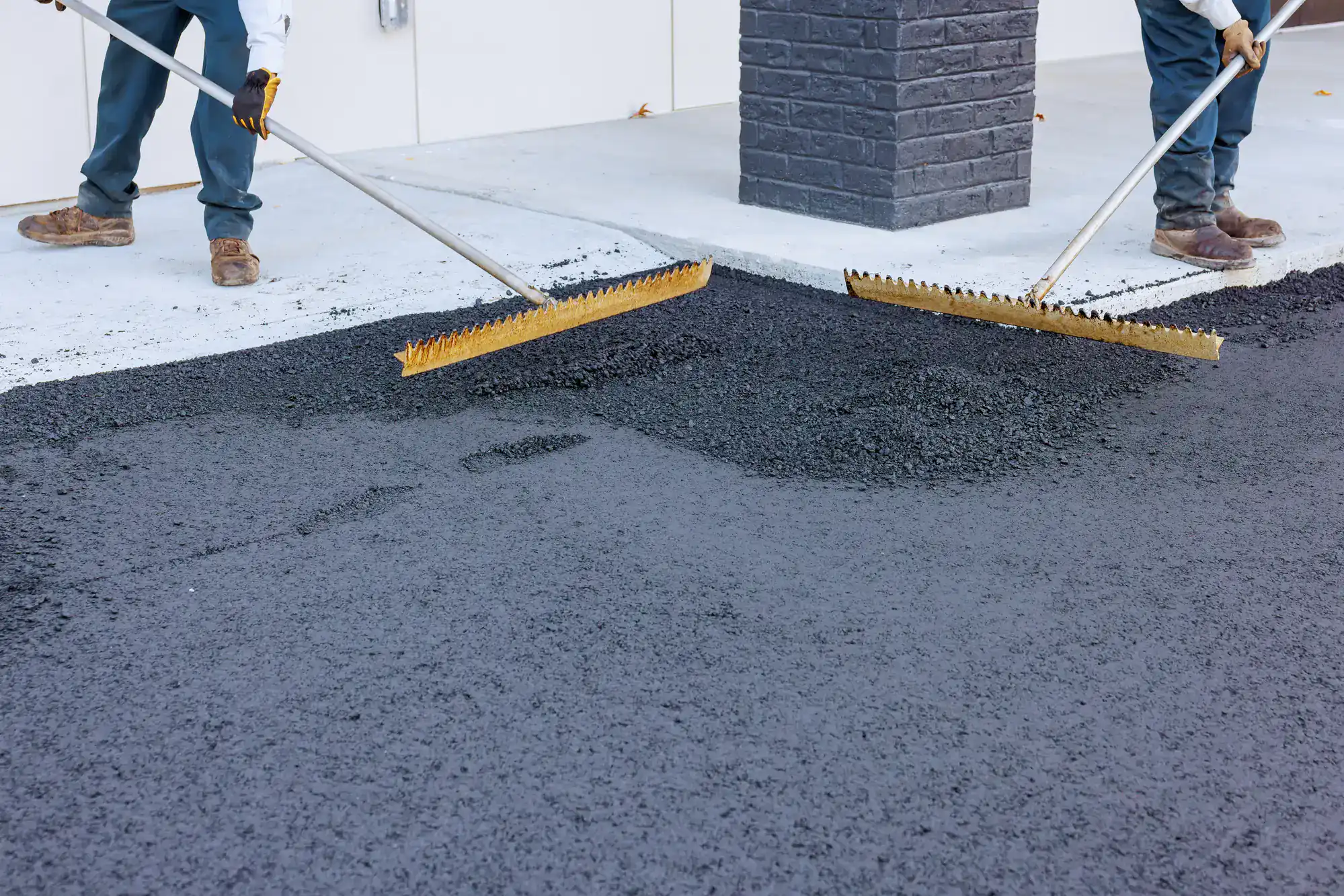
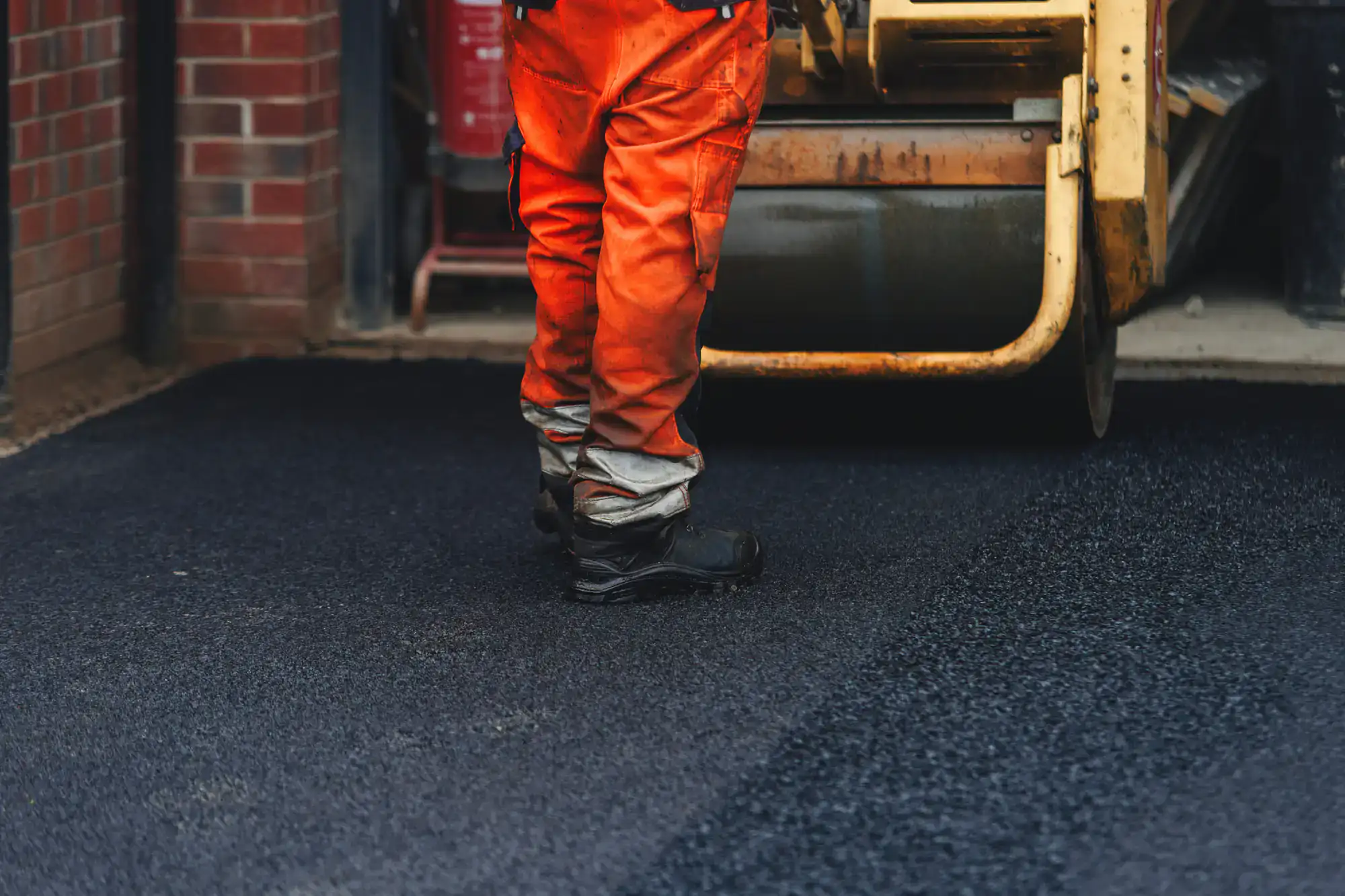
After the base cures, asphalt installation happens in two layers. A strong binder layer goes down first, followed by a smooth top coat. Both layers are rolled flat and left to cure properly—no shortcuts that lead to soft spots or premature wear.
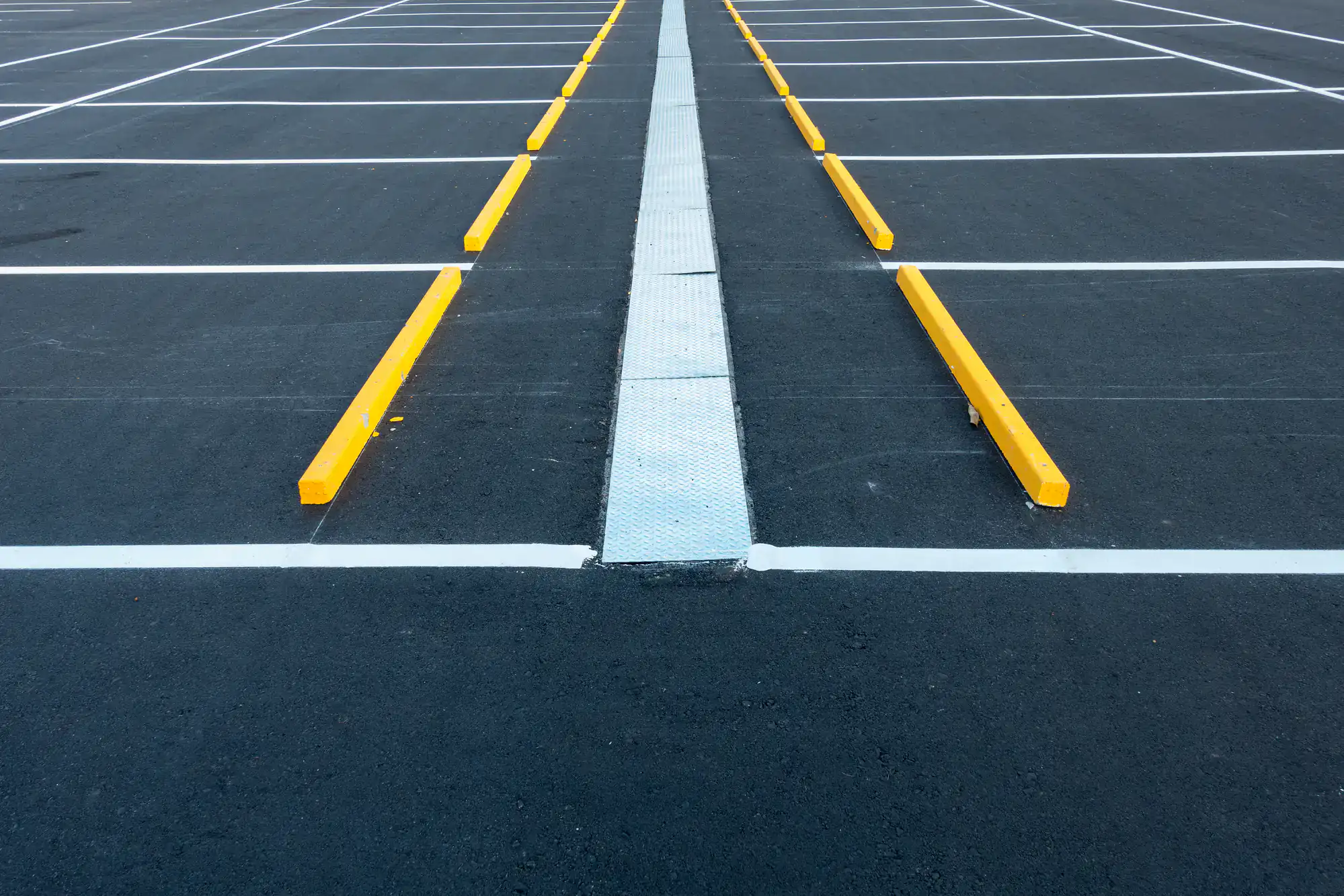
Finally, the surface gets striped with parking lines, accessible spaces, and directional arrows once it’s fully cured. Most parking lots take 3 to 7 days from start to finish, though Florida’s weather can shift that timeline.
Ready to get started?
Professional parking lot paving includes more than just laying asphalt. You get proper drainage planning so water doesn’t destroy your investment. You get soil testing to identify issues before they become expensive problems. You get the right thickness for your specific traffic—3 inches minimum for cars, more if you’re dealing with delivery trucks or heavy vehicles.
In Jan Phyl Village and throughout Central Florida, the sandy soil and frequent storms mean drainage isn’t optional. Properties here need systems that handle sudden downpours without creating lakes in the parking lot. That means proper grading, sometimes catch basins, and always a slope that moves water away from the pavement.
You also get materials chosen for Florida’s climate. The asphalt mix needs to hold up under intense UV exposure and temperature swings. The base needs to stay stable in soil that can shift with moisture changes. These aren’t universal solutions—they’re specific to what works here.
Quality installation also means attention to transitions—where your parking lot meets the street, the building, or landscaped areas. These edges need to be sealed properly to prevent water infiltration and edge cracking. Small details that separate parking lots that last from ones that start falling apart within five years.
Asphalt parking lot paving typically runs $2 to $4.50 per square foot in Central Florida, which includes both materials and labor. For a 10,000 square foot lot—enough for about 30 cars—you’re looking at roughly $20,000 to $45,000 for a complete installation.
That range exists because every parking lot is different. If your site needs extensive grading or has drainage problems, costs go up. If the soil is unstable and requires extra base preparation, that adds expense. Thicker asphalt for heavy traffic costs more than standard thickness for passenger vehicles.
The cheapest quote isn’t always the best value. Contractors who skip proper base preparation or use thinner asphalt will give you a lower number upfront, but you’ll pay for it in repairs within a few years. Quality installation costs more initially but saves money over the pavement’s 20 to 30 year lifespan.
Asphalt makes more sense for most commercial parking lots in Florida. It costs less upfront—typically $2 to $4.50 per square foot compared to $4 to $7 for concrete. It handles temperature changes better, which matters in Florida’s climate. And when maintenance is needed, asphalt is easier and cheaper to repair.
Concrete lasts longer—potentially 30 to 40 years compared to asphalt’s 20 to 30 years. But that longer lifespan comes with a significantly higher initial investment and more expensive repairs when cracks or damage do occur. For most businesses, asphalt delivers better value.
The decision also depends on your specific use. Heavy trucks and constant traffic favor thicker asphalt or concrete. Light traffic from passenger vehicles does fine with standard asphalt. Climate matters too—asphalt performs well in Florida’s heat and handles our frequent rain better than many people expect, especially with proper drainage.
Most parking lot installations take 3 to 7 days from start to finish, depending on size and complexity. A small lot might be done in three days. A large commercial parking area with extensive drainage work could take a week or more.
Weather impacts the timeline significantly. Rain delays asphalt installation because the surface needs to be dry. High heat can also affect the schedule since asphalt needs to be worked at specific temperatures. In Florida, afternoon thunderstorms during summer months can push timelines back, so some flexibility helps.
After installation, you’ll need to stay off the new asphalt for 24 to 48 hours minimum. During hot weather, wait 3 to 5 days before allowing regular traffic. Heavy vehicles should stay off for at least a week to prevent depressions in the surface. Your contractor should give you a specific timeline based on weather conditions and your parking lot’s requirements.
Asphalt parking lots need sealcoating every 2 to 4 years. This costs about $0.15 to $0.30 per square foot and protects the surface from UV damage, water infiltration, and chemical spills. Sealcoating fills small cracks and restores that dark black appearance that makes parking lots look maintained.
You’ll also want to fill cracks as they appear—usually an annual inspection catches them early. Small crack filling costs $0.50 to $3 per linear foot and prevents water from getting under the pavement where it causes bigger problems. Catch cracks early and they’re cheap to fix. Ignore them and you’re looking at pothole repairs or resurfacing.
Every 10 to 15 years, most parking lots need resurfacing. This means adding a new 2-inch layer of asphalt over the existing surface, which costs $1 to $3 per square foot. It’s significantly cheaper than full replacement and extends your parking lot’s life. With consistent maintenance, you can get 20 to 30 years from a properly installed asphalt parking lot.
Florida gets sudden, heavy rain that can dump inches of water in a short time. Without proper drainage, that water sits on your parking lot, seeps into cracks, and destroys the pavement from underneath. Water is asphalt’s biggest enemy—it weakens the base, creates potholes, and dramatically shortens your parking lot’s lifespan.
Proper drainage starts with grading the lot with at least a 2% slope so water flows toward designated drainage areas instead of pooling. Some parking lots need catch basins or drainage systems to handle high water volume. The edges need to be sealed so water doesn’t infiltrate from the sides.
Central Florida’s sandy soil adds another challenge. When water saturates the soil under your parking lot, it can shift and settle, causing the pavement above to crack or sink. That’s why the base preparation matters so much here—a properly compacted gravel base stays stable even when the soil underneath gets wet. Drainage isn’t just about surface water; it’s about protecting everything under your parking lot too.
Late fall through early spring offers the best conditions for parking lot installation in Central Florida. You get fewer afternoon thunderstorms, more predictable weather, and temperatures that are ideal for asphalt work. Asphalt needs to be installed when air and ground temperatures are above 50°F, which isn’t a problem in Florida, but extreme heat can make installation more challenging.
Summer installation is possible but comes with complications. Afternoon storms are almost daily, which can delay work. High temperatures mean the asphalt stays soft longer, requiring extended cure times before you can use the parking lot. You’ll also likely pay more for summer work since it’s peak season for paving contractors.
That said, parking lot problems don’t wait for ideal weather. If you’ve got safety concerns or severe damage, get it fixed when you need to. We know how to work around Florida’s weather patterns and can still deliver quality results during less-than-perfect seasons. The key is working with someone who understands the timing and won’t rush the job just to meet a deadline.
Other Services we provide in Jan Phyl Village