Asphalt Resurfacing in Jan Phyl Village

Fresh Asphalt That Actually Lasts

Your pavement gets a second life without the full replacement cost—stronger, smoother, and built for Florida weather.
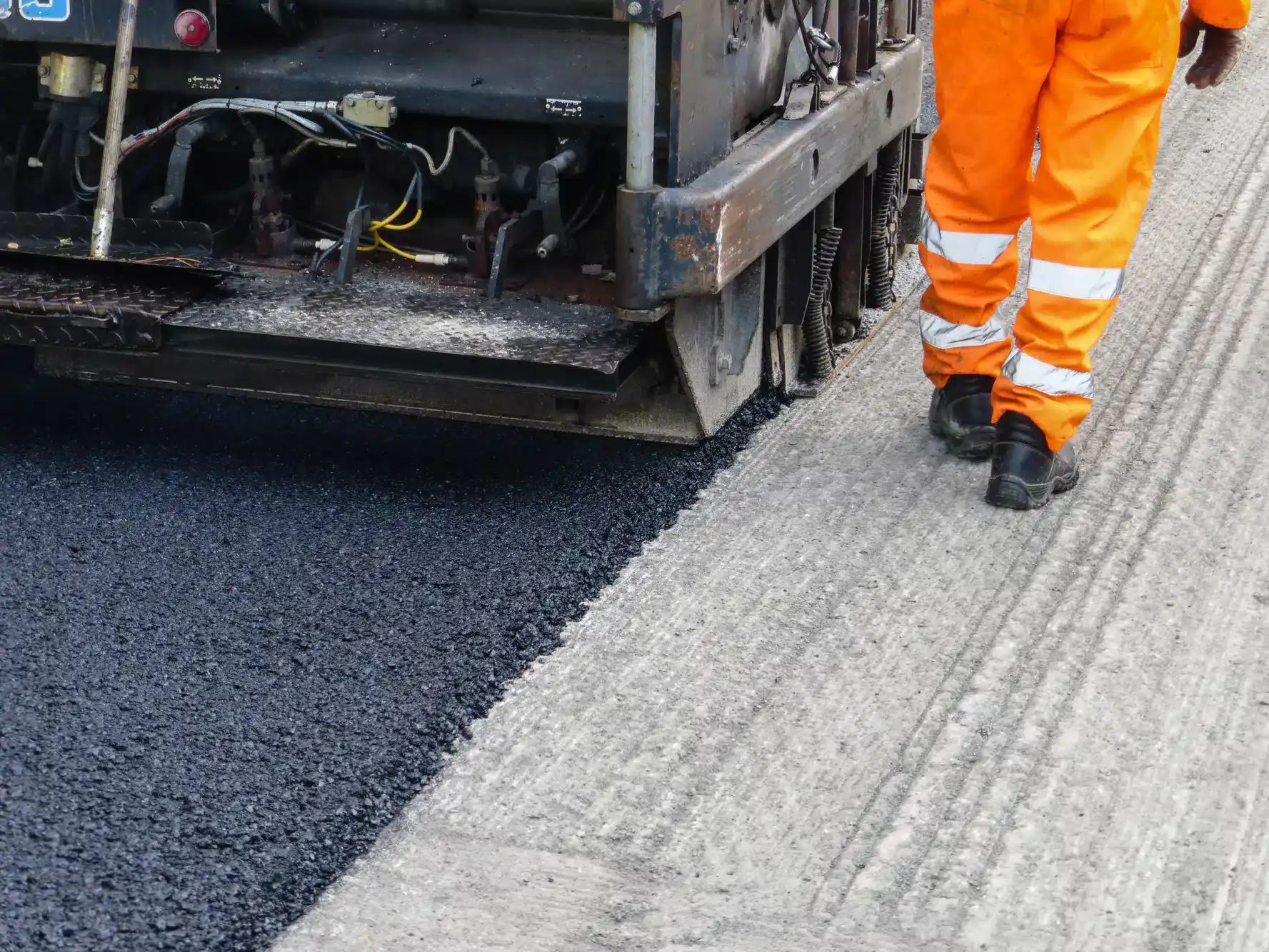
Hot asphalt being laid during a commercial paving project in Central Florida.

Hear from Our Customers

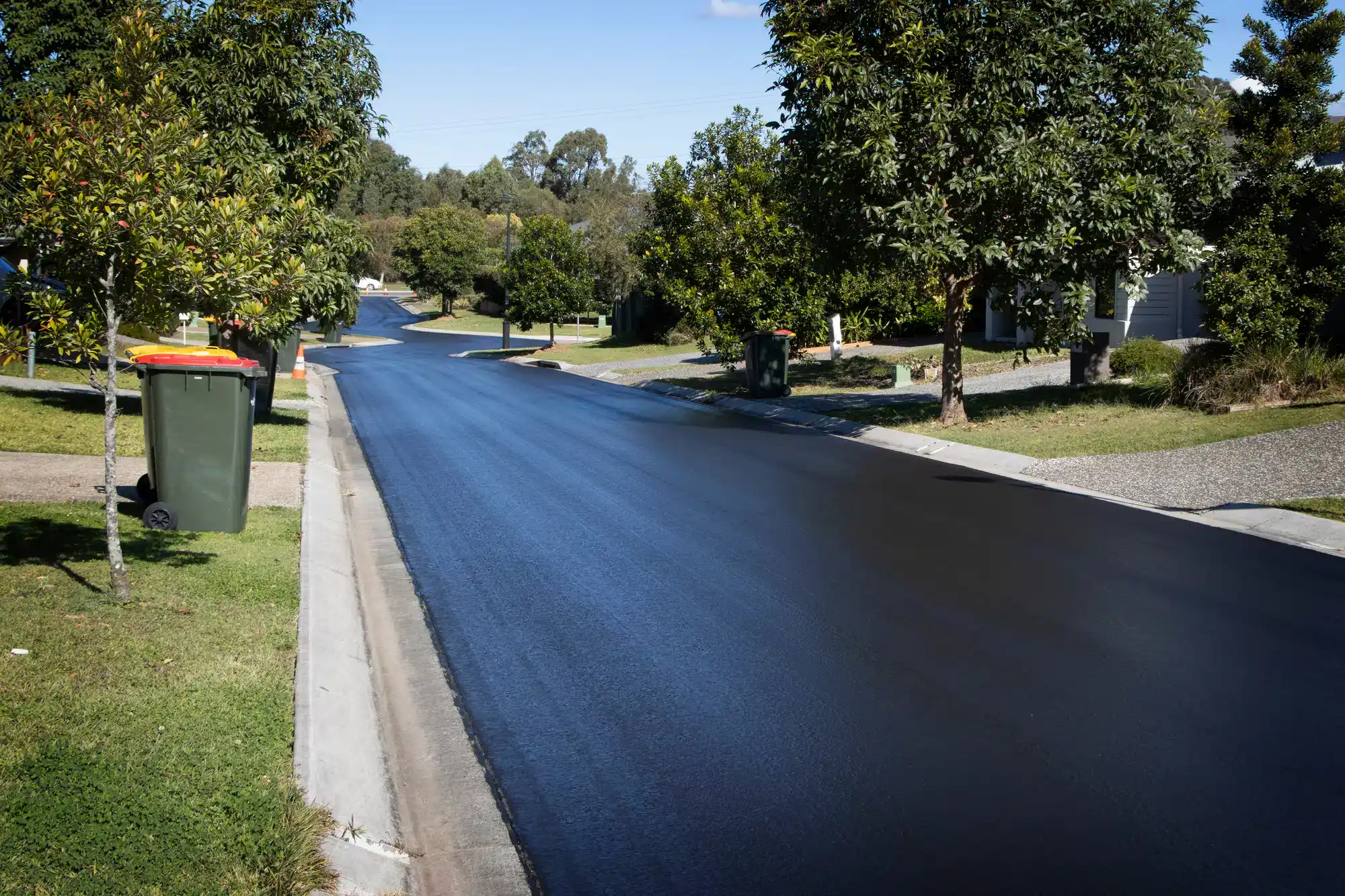
Newly paved asphalt driveway in a suburban neighborhood by Central Florida Blacktop Paving.

Jan Phyl Village Asphalt Maintenance

Years More Life From Your Pavement

Your driveway or parking lot doesn’t need to be torn out and replaced every time it shows wear. Asphalt resurfacing gives you a fresh, durable surface that handles Florida’s heat, rain, and daily traffic without breaking your budget.

You get the look and performance of new asphalt at a fraction of the cost. No more patching potholes every few months or watching cracks spread across your pavement. Just smooth, reliable surfaces that protect your property value and keep everyone safe.

The process works by adding a new layer of hot-mix asphalt over your existing base—if it’s structurally sound. This approach extends your pavement’s life by 15-20 years while addressing surface issues that make your property look run-down.

Central Florida Asphalt Contractors

Local Knowledge, Professional Results

We’ve been serving Jan Phyl Village and the broader Polk County area with dependable asphalt services. We understand how Florida’s climate affects pavement—from the intense summer heat that causes expansion and cracking to the heavy rains that can wash out poorly maintained surfaces.

Our approach is straightforward: clear agreements and honest communication from estimate to completion. We don’t oversell or push services you don’t need. Instead, we evaluate your specific situation and recommend the most cost-effective solution, whether that’s resurfacing, patching, or full replacement.

Jan Phyl Village residents trust us because we’re part of this community. We see the results of our work every day, which means we have every reason to do it right the first time.
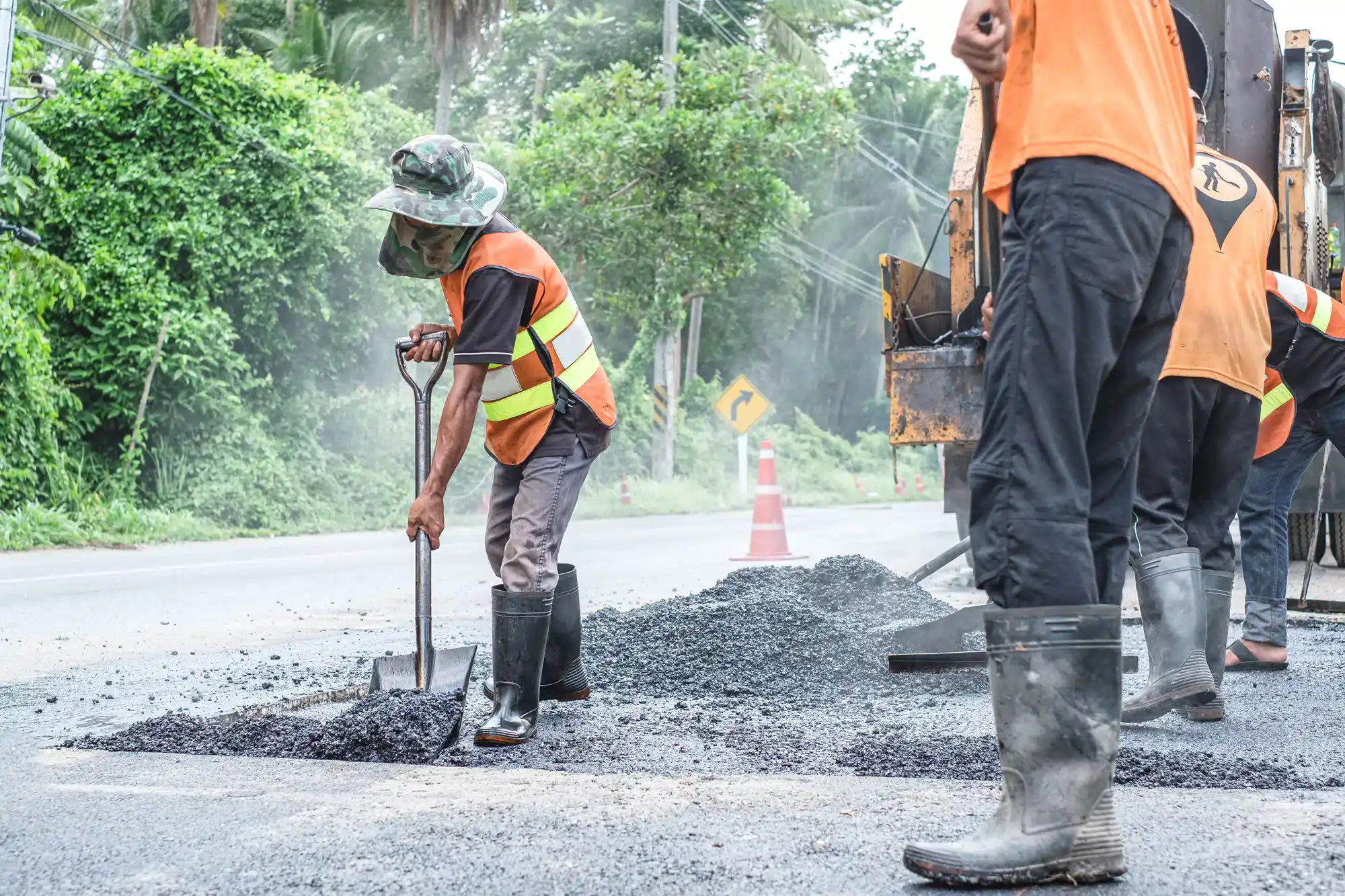
Asphalt paving workers repairing an urban street with hot asphalt.

Asphalt Resurfacing Process Florida

Simple Process, Lasting Results

First, we inspect your existing pavement to make sure the base is solid enough for resurfacing. If there are potholes or major cracks, we repair those first. We also check drainage and grade to prevent future water problems.

Next, we clean the surface and apply a tack coat—this bonding agent helps the new asphalt stick properly to the old surface. Then we lay the new hot-mix asphalt layer, typically 1.5 to 2 inches thick, and compact it with professional rollers.

The final step is curing time. Your new surface needs 24-48 hours before heavy traffic, but you’ll have a smooth, durable pavement that looks and performs like new. If you need striping for parking areas, we handle that once the asphalt has properly cured.
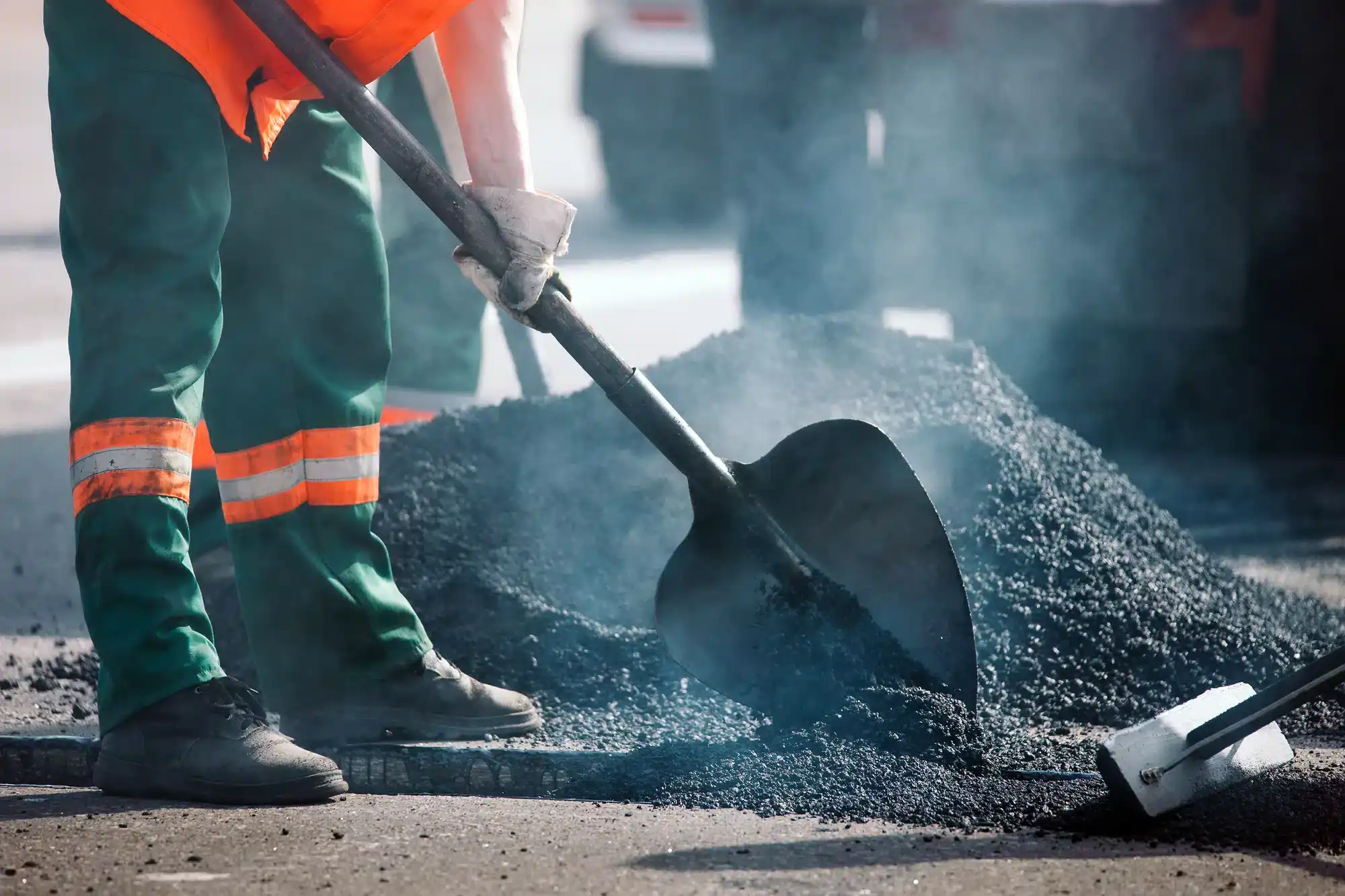
Asphalt paving in progress at Central Florida Blacktop Paving for expert road and driveway resurfacing.

Ready to get started?

Explore More Services

About Central Florida Blacktop Paving

Get a Free Consultation

Jan Phyl Village Pavement Solutions

Built for Central Florida Conditions

Our asphalt resurfacing service includes thorough site preparation, high-grade materials designed for Florida’s climate, and professional installation using commercial-grade equipment. We don’t cut corners on materials because cheap asphalt fails quickly in our heat and humidity.

In Jan Phyl Village, we see a lot of driveways and parking areas that were installed decades ago when the community was first developed. These surfaces often have good structural foundations but need surface renewal. That’s exactly what resurfacing addresses—you keep the solid base and get a fresh, weather-resistant top layer.

We also handle the details that matter: proper drainage slopes, smooth transitions to existing concrete, and clean edges that look professional. For commercial properties, we coordinate timing to minimize business disruption and can work in sections if needed.
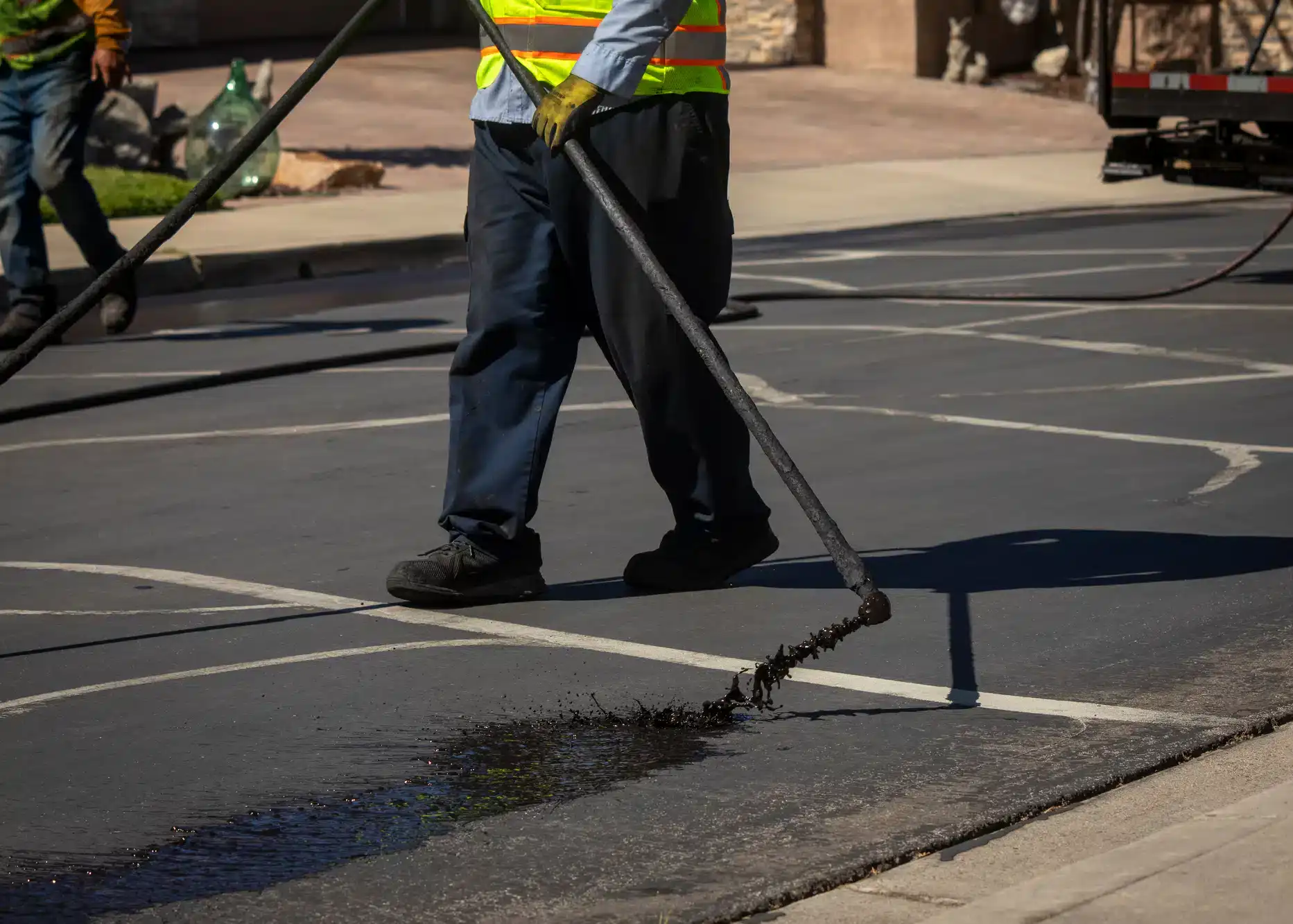
Central Florida Blacktop Paving crew laying hot asphalt on a parking lot surface.

How do I know if my asphalt needs resurfacing or complete replacement?

The key is the condition of your base layer. If your pavement has widespread potholes, severe settling, or drainage problems, you probably need full replacement. But if you’re dealing with surface cracks, fading, minor potholes, or general wear, resurfacing is likely the right choice.We evaluate this during our free estimate by checking for soft spots, measuring crack patterns, and assessing drainage. Surface issues like oxidation, small cracks, and weathering are perfect candidates for resurfacing. Deep structural problems require more extensive work.A good rule of thumb: if more than 30% of your pavement area has serious damage, replacement makes more sense. Less than that, and resurfacing will give you years of reliable service at much lower cost.
Properly done asphalt resurfacing typically lasts 15-20 years in Central Florida, depending on traffic load and maintenance. The key is using the right materials and techniques for our climate conditions.Florida’s heat and UV exposure are hard on asphalt, but modern hot-mix formulations are designed to handle thermal expansion and resist oxidation. We use polymer-modified asphalts when appropriate and ensure proper compaction to prevent water infiltration.Regular maintenance like crack sealing and occasional sealcoating can extend that lifespan even further. The investment in quality resurfacing pays off because you avoid the constant patching and repairs that come with deteriorated pavement.
Resurfacing adds a completely new layer of asphalt—typically 1.5 to 2 inches thick—over your existing pavement. Sealcoating applies a thin protective coating over the existing surface. They serve different purposes and address different levels of wear.Resurfacing is for pavement that has structural surface problems: cracks, minor potholes, rough texture, or significant wear. It essentially gives you a new driving surface. Sealcoating is preventive maintenance for pavement that’s still in good condition but needs protection from weather and oxidation.Think of resurfacing as renovation and sealcoating as maintenance. If your asphalt is already showing significant wear, sealcoating won’t fix the underlying problems—you need the structural renewal that resurfacing provides.
Resurfacing typically costs 40-60% less than complete pavement replacement, depending on site conditions and access. The exact savings depend on your current pavement’s condition and any prep work needed.For a typical residential driveway, resurfacing might cost $3-5 per square foot while full replacement runs $7-12 per square foot. Commercial parking lots see similar proportional savings. The cost difference comes from not having to excavate and haul away the old pavement or rebuild the base.Keep in mind that resurfacing only works if your existing base is sound. We provide honest assessments during our free estimates—if your pavement needs full replacement, we’ll tell you upfront rather than selling you a resurfacing job that won’t last.
Yes, asphalt can be installed over concrete in many cases, but it requires specific preparation and techniques. The concrete must be structurally sound, properly cleaned, and sometimes treated with a bonding agent to ensure good adhesion.We evaluate the existing concrete for cracks, settling, or other issues that could telegraph through to the new asphalt surface. Minor cracks get sealed, but major structural problems need to be addressed first. The thickness of the asphalt overlay also matters—usually 2-3 inches minimum over concrete.Other materials like gravel or old brick can sometimes work as a base, but each situation is different. That’s why we do thorough site evaluations before recommending any approach. The goal is a long-lasting result, not just the cheapest quick fix.
You can typically walk on new asphalt within a few hours, but we recommend waiting 24-48 hours before driving on it, especially with heavier vehicles. The exact timing depends on weather conditions and asphalt thickness.Hot weather speeds curing but also makes the surface more susceptible to tire marks and scuffing in the first day. Cool weather slows the process but reduces the risk of surface damage. We’ll give you specific timing based on conditions during your project.For commercial properties with heavy traffic, we sometimes recommend a longer cure time or staged reopening. The key is patience—rushing back onto new asphalt can cause permanent indentations or surface damage that defeats the purpose of resurfacing.

Other Services we provide in Jan Phyl Village