Learn why asphalt resurfacing in Polk County offers the perfect balance of affordability and durability for Florida driveways.
Share:
Summary:
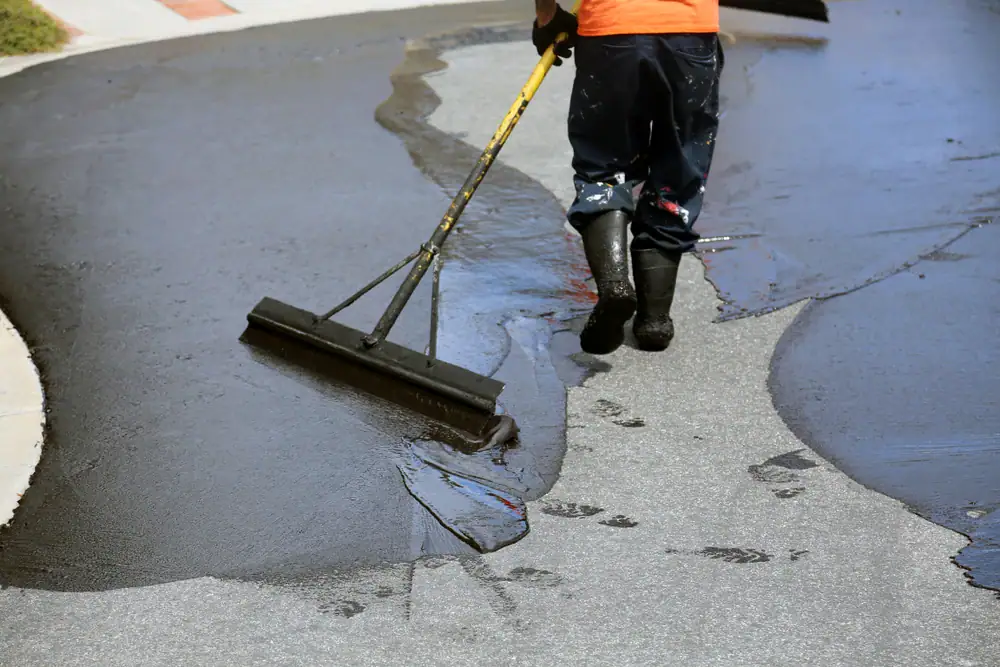
Asphalt resurfacing involves applying a fresh layer of hot-mix asphalt directly over your existing driveway surface. Think of it as giving your pavement a new top coat rather than rebuilding from the ground up.
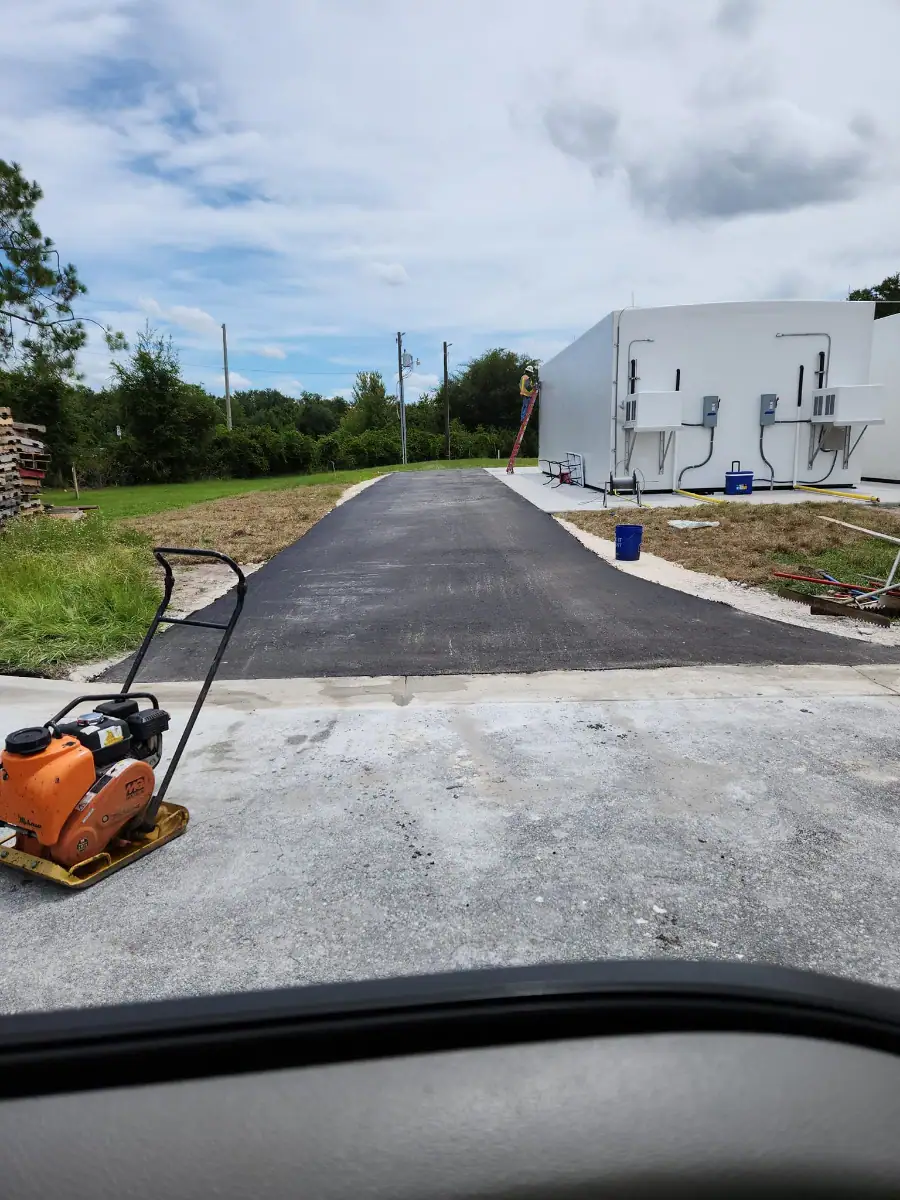
The process starts with thorough cleaning and minor repairs to fill cracks and level uneven spots. Then we apply a tack coat—essentially an adhesive layer—before laying the new asphalt. This creates a strong bond between old and new surfaces, resulting in a driveway that looks and performs like new.
Resurfacing works best when your existing foundation remains solid but the surface shows typical wear and tear. You’re looking at surface-level issues like minor cracking, fading from UV exposure, or rough texture from years of traffic.
The ideal candidate for resurfacing is a driveway that’s less than 15-20 years old with surface damage covering less than 30% of the total area. If you can walk across your driveway without stepping into potholes or feeling significant dips and rises, resurfacing will likely give you excellent results.
Your existing base layer needs to be structurally sound. Water shouldn’t pool in multiple areas, and you shouldn’t see widespread “alligator” cracking—those interconnected cracks that look like reptile skin. These issues signal deeper foundation problems that resurfacing can’t fix.
In Polk County’s climate,properly installed asphalt typically needs resurfacing every 10-15 years. Florida’s geographic position near the equator means we get some of the strongest UV exposure in the country, which accelerates surface oxidation and fading.
Professional asphalt resurfacing follows a systematic approach that ensures lasting results. The process typically takes one to two days for a standard residential driveway, depending on size and complexity.
Preparation starts with power washing to remove debris, oil stains, and loose material. We then assess and repair any cracks wider than a quarter-inch, filling them with appropriate sealant. Any high spots get ground down to create an even surface for the new layer.
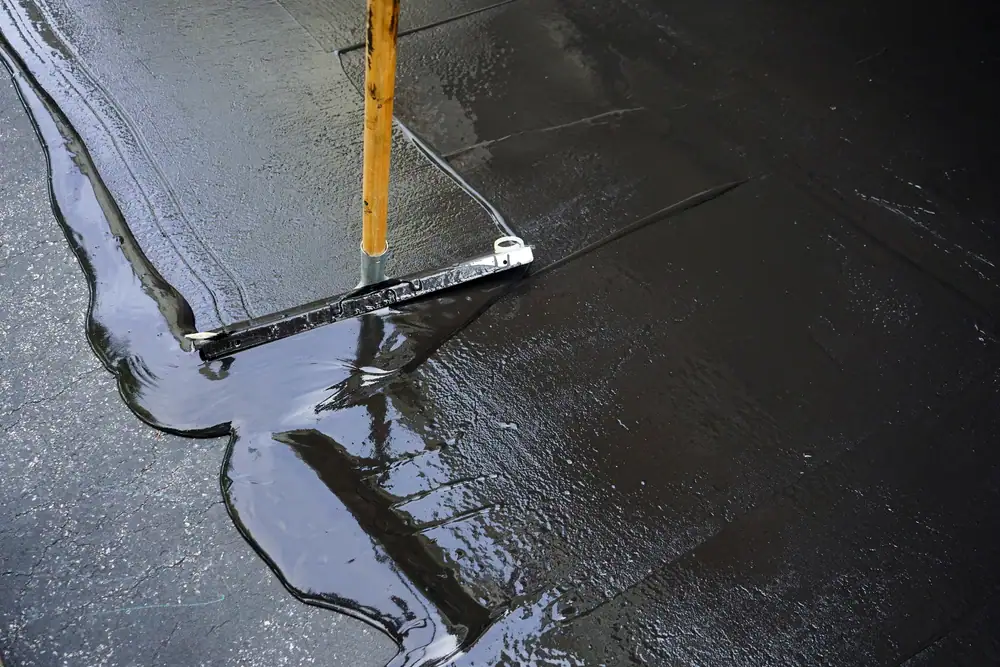
The tack coat application comes next—a thin layer of asphalt emulsion that acts as a bonding agent between old and new surfaces. This step is crucial for preventing the new layer from sliding or separating over time.
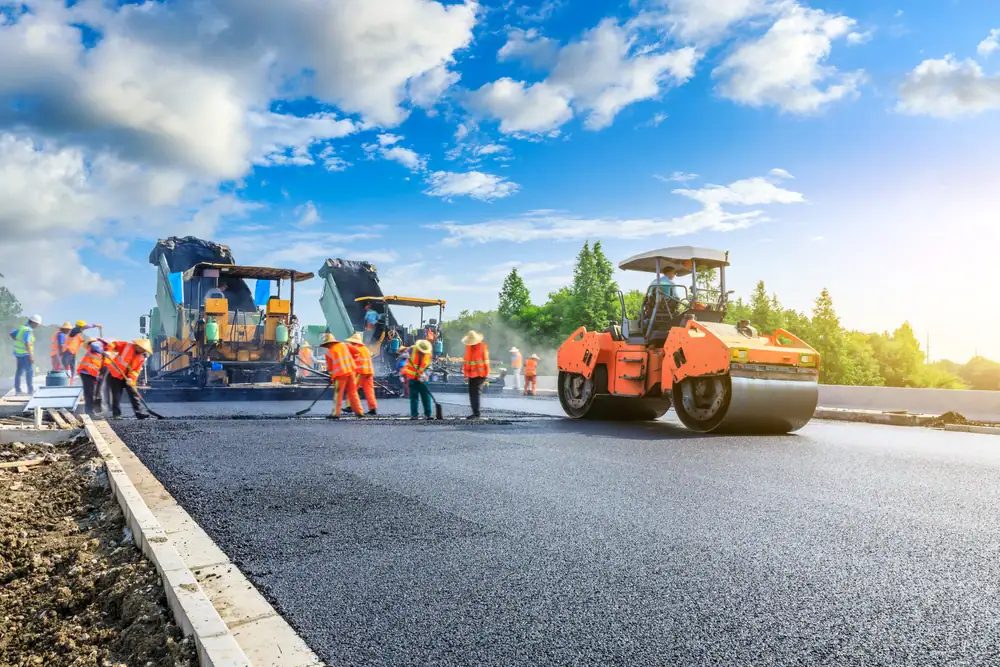
Fresh hot-mix asphalt gets delivered and applied using specialized equipment. The thickness typically ranges from 1.5 to 2 inches for residential driveways, though high-traffic areas might need 3 inches for optimal durability. Proper compaction follows immediately using heavy rollers to eliminate air pockets and create a smooth, dense surface.
Temperature matters significantly in Florida. We schedule work during cooler parts of the day when possible, as extreme heat can make the asphalt too soft for proper compaction. You can typically drive on the new surface within 24-48 hours, though full curing takes several weeks.
Want live answers?
Connect with a Central Florida Blacktop Paving expert for fast, friendly support.
The financial advantages of resurfacing over complete replacement are substantial. Resurfacing typically costs 30-40% less than full reconstruction while delivering 10-15 additional years of service life.
In Polk County, asphalt resurfacing runs approximately $1-3 per square foot, meaning a typical two-car driveway costs between $400-2,200. Compare this to complete replacement at $5-12+ per square foot, and the savings become obvious.
A well-executed resurfacing project can return up to 50% of your investment when you sell your home. Curb appeal matters significantly to potential buyers, and a smooth, professional-looking driveway creates an immediate positive impression.
Beyond resale value, resurfacing prevents more expensive problems down the road. Small cracks and surface deterioration allow water penetration, which can undermine your foundation and require complete reconstruction. Addressing surface issues through resurfacing protects your underlying investment.
The timing of your resurfacing project affects both cost and results. Waiting too long means dealing with structural damage that resurfacing can’t address. Acting while problems remain surface-level keeps you in the more affordable repair category.
Florida’s climate makes proactive maintenance especially important. Our intense UV exposure, temperature fluctuations, and heavy rainfall accelerate asphalt deterioration compared to northern climates. Regular maintenance through resurfacing every 10-15 years typically costs less than emergency repairs or premature replacement.
Postponing necessary resurfacing often leads to exponentially higher costs later. What starts as minor surface cracking can quickly develop into foundation-threatening damage when water penetrates and freeze-thaw cycles take effect.
Potholes represent the most expensive consequence of delayed maintenance. Once water reaches your base layer and begins washing away supporting materials, you’re looking at structural repairs that can cost three to four times more than preventive resurfacing.
Florida’s weather patterns make timing particularly critical. Our summer storms dump significant water in short periods, and that water finds every crack and weakness in your pavement. Combined with our intense heat cycles, minor surface damage can escalate rapidly.
The “pay a little now or pay a lot later” principle applies perfectly to asphalt maintenance. A $1,500 resurfacing project today can prevent a $5,000-8,000 reconstruction project in just a few years. The key is recognizing when your driveway has reached that optimal maintenance window—showing wear but maintaining structural integrity.
Professional assessment helps you make this determination accurately. Experienced professionals can identify whether surface damage indicates deeper issues or represents normal wear that resurfacing can effectively address.
Asphalt resurfacing offers an excellent middle ground between ongoing patch repairs and complete reconstruction. When your driveway shows surface wear but maintains good structural integrity, resurfacing delivers professional results at a fraction of replacement cost.
The key factors are timing and professional assessment. Catching problems while they remain surface-level keeps you in the cost-effective resurfacing category rather than expensive reconstruction territory.
For property owners in Polk County dealing with typical Florida weather challenges, working with experienced local professionals makes all the difference. We understand exactly what your pavement faces in our climate and can help you determine whether resurfacing meets your needs or if other solutions would serve you better.
Article details:
Share:
Continue learning: