Professional gravel and grading services for Polk County properties, ensuring proper drainage and stable foundations for residential and commercial projects.
Share:
Summary:
Gravel and grading services involve shaping and preparing land surfaces to achieve proper drainage, create stable foundations, and establish the right contours for construction projects. Think of it as setting the stage for everything else that comes after.
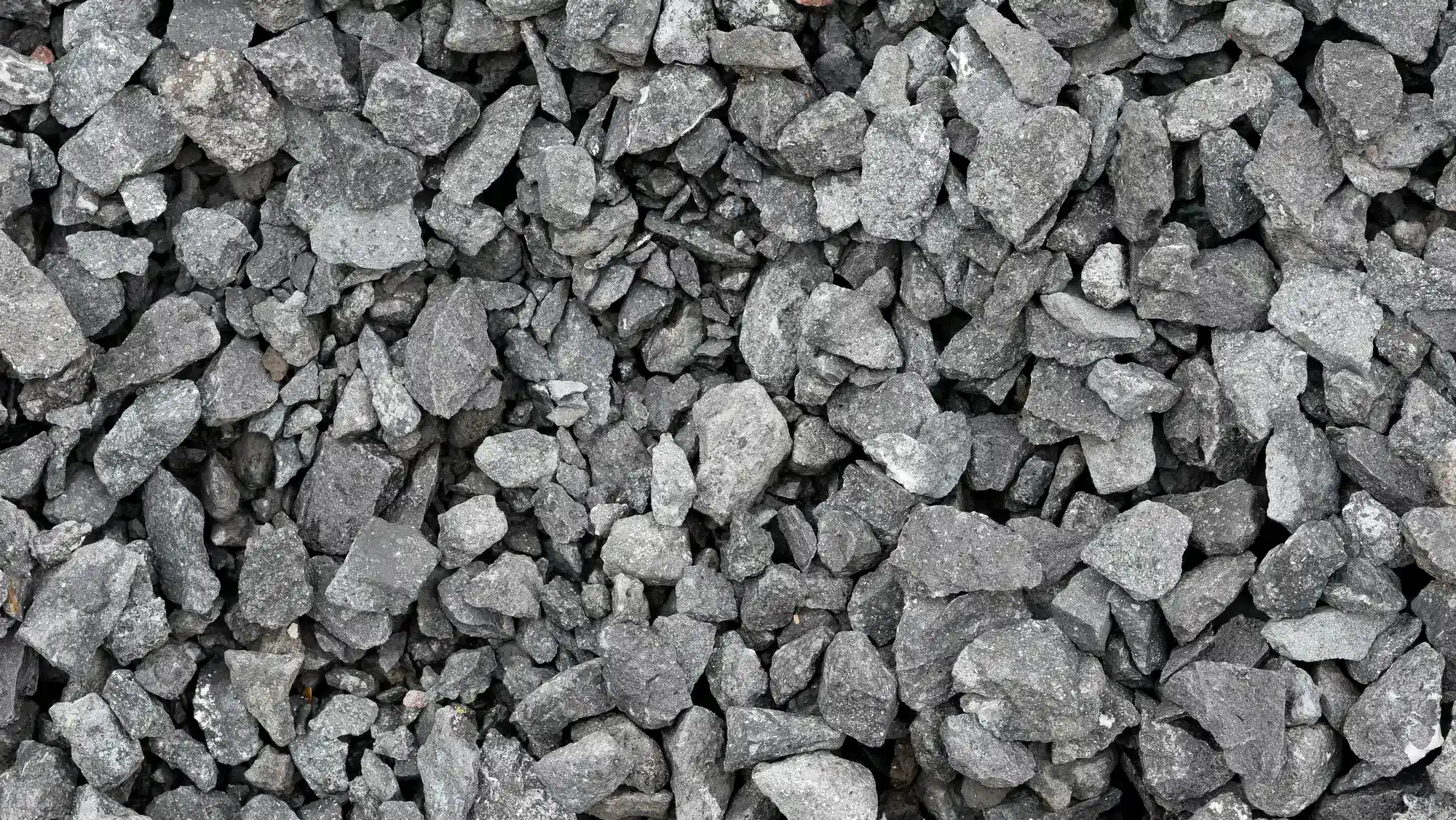
The process typically involves moving earth, adding or removing soil, and creating specific slopes that direct water away from structures. For gravel applications, we install and grade crushed stone or aggregate materials to create durable surfaces for driveways, parking areas, and construction access roads.
For homeowners in Polk County, residential gravel and grading services solve multiple problems at once. The most common applications include driveway installation and repair, where proper grading ensures water flows away from your home’s foundation rather than pooling against it.
Many residents also need grading for yard drainage issues. With Polk County’s recent flooding challenges, particularly after Hurricane Milton, proper yard grading has become essential for preventing water damage. The process involves creating gentle slopes that direct rainwater toward appropriate drainage areas, preventing the standing water that can damage landscaping and create mosquito breeding grounds.
Foundation grading is another critical service for new construction or additions. This involves creating the precise elevations and slopes required by building codes, ensuring your structure sits on stable, well-drained ground. The work must be completed before any concrete is poured, making it a crucial first step in any construction project.
Gravel applications for residential properties often include creating stable surfaces for RV pads, garden paths, or areas where grass won’t grow due to heavy foot traffic or vehicle use. The key is selecting the right type and size of gravel for your specific application and ensuring proper compaction for long-term stability.
Commercial grading projects in Polk County require a different level of precision and planning. These projects often involve larger areas, heavier equipment, and strict compliance with local building codes and environmental regulations. The stakes are higher because improper grading can affect not just one building, but entire developments or business operations.
Site preparation for commercial projects typically begins with a detailed survey to understand existing elevations, drainage patterns, and soil conditions. The grading plan must account for parking lot drainage, building pad elevations, utility line placement, and stormwater management systems. Every aspect must be coordinated to prevent the drainage issues that have plagued other areas of Polk County.
Commercial grading also involves creating access roads and staging areas for construction equipment. These temporary features must be stable enough to support heavy machinery while being designed for easy removal once construction is complete. We must balance immediate construction needs with the final site design.
One of the biggest challenges in commercial grading is managing stormwater runoff. Polk County’s regulations require that new developments don’t increase downstream flooding, which means incorporating retention ponds, swales, or other drainage features into the grading plan. This requires expertise in both construction techniques and local environmental regulations.
The timeline for commercial grading projects often determines the success of the entire development. Since grading typically happens early in the construction sequence, delays here can cascade through every other phase of the project. We understand this pressure and plan accordingly, using appropriate equipment and crew sizes to meet critical deadlines.
Want live answers?
Connect with a Central Florida Blacktop Paving expert for fast, friendly support.
Professional grading follows a systematic process that begins long before any dirt gets moved. The first step involves site evaluation and planning, where we assess existing conditions, identify potential challenges, and develop a strategy that meets your specific needs.
Modern grading projects rely heavily on technology for precision. GPS-guided equipment ensures accurate elevations and slopes, while laser levels help maintain consistent grades across large areas. This technology reduces errors and creates the precise conditions needed for successful construction projects.
Every successful grading project starts with understanding what you’re working with. We begin by evaluating existing site conditions, including current drainage patterns, soil composition, and any obstacles that might affect the work. This evaluation helps identify potential problems before they become expensive surprises.
The planning phase involves creating detailed grading plans that show existing elevations, proposed final grades, and how water will flow across the site. For residential projects, this might be relatively straightforward, but commercial projects often require extensive engineering to ensure compliance with local regulations and building codes.
Soil conditions play a crucial role in planning. Different soil types have different bearing capacities and drainage characteristics. Clay soils, common in parts of Polk County, may require special handling to prevent future settling or drainage problems. Sandy soils drain well but may need stabilization for heavy loads.
Utility locations must be identified and marked before any excavation begins. This includes not just obvious utilities like power lines and water mains, but also septic systems, irrigation lines, and underground drainage pipes. Hitting an unmarked utility can turn a simple grading project into an expensive emergency repair.
Environmental considerations are increasingly important, especially for larger projects. This includes identifying wetlands, protected vegetation, or endangered species habitats that might affect the project scope. Polk County’s environmental regulations require careful attention to these factors, particularly for projects near lakes or streams.
The actual grading work requires specialized equipment operated by experienced professionals. Bulldozers handle the heavy work of moving large amounts of earth, while graders create the precise slopes and elevations needed for proper drainage. Excavators dig trenches for utilities or drainage systems, and compaction equipment ensures the finished surface will support the intended loads.
Equipment selection depends on the project size and site conditions. Smaller residential projects might use compact equipment that can work in tight spaces without damaging existing landscaping. Large commercial projects require full-size equipment capable of moving thousands of cubic yards of material efficiently.
The execution phase follows the established plan but requires constant adjustment based on actual site conditions. Our experienced operators know how to read the ground and make minor modifications to achieve the best results. We understand how different soil types behave and can adjust our techniques accordingly.
Quality control throughout the process ensures the finished work meets specifications. This includes checking elevations with surveying equipment, testing soil compaction levels, and verifying that drainage patterns work as intended. We don’t consider the job finished until every aspect meets or exceeds the project requirements.
Weather plays a significant role in grading work. Heavy rain can halt operations and affect soil conditions, while dry conditions might require dust control measures. We plan for weather delays and know how to work safely in various conditions. We also understand how to protect completed work from weather damage before the next phase of construction begins.
The success of your grading project depends heavily on choosing the right contractor. Look for companies with specific experience in Polk County, as local knowledge of soil conditions, drainage patterns, and building codes makes a significant difference in project outcomes.
Professional paving contractors should provide detailed estimates, clear timelines, and references from recent projects. They should also carry appropriate insurance and licensing for the work they’re performing. Most importantly, they should communicate clearly throughout the process, keeping you informed of progress and any issues that arise.
When you’re ready to move forward with your gravel and grading project, we bring the local expertise and professional approach needed to get the job done right. Our commitment to clear communication and quality results has made us a trusted choice for Polk County property owners who need reliable grading solutions.
Article details:
Share:
Continue learning: