Your asphalt isn't just pavement—it's an investment. Discover the maintenance strategies that protect driveways and parking lots from Florida's harsh climate while saving thousands in repair costs.
Share:
Summary:
Let’s start with the reality of owning asphalt in Central Florida. You’re not dealing with the same conditions as someone in Ohio or California. Florida’s climate is uniquely aggressive toward pavement.
The sun here doesn’t just warm the surface—it superheats it. On a 95-degree day, your asphalt can reach 140 degrees or hotter. That heat breaks down the binder that holds the aggregate together, making the surface brittle and prone to cracking.
Then there’s the rain. Polk County gets heavy, consistent rainfall, especially during summer months. Water is asphalt’s biggest enemy. Once it finds a crack—even a hairline one—it seeps down to the base layer and starts eroding from underneath. That’s when you get potholes, sunken sections, and the kind of damage that requires full replacement instead of simple repairs.
Without a maintenance plan, you’re gambling with an expensive asset. The good news? Protecting your pavement isn’t complicated. It just requires understanding what works and sticking to a schedule.
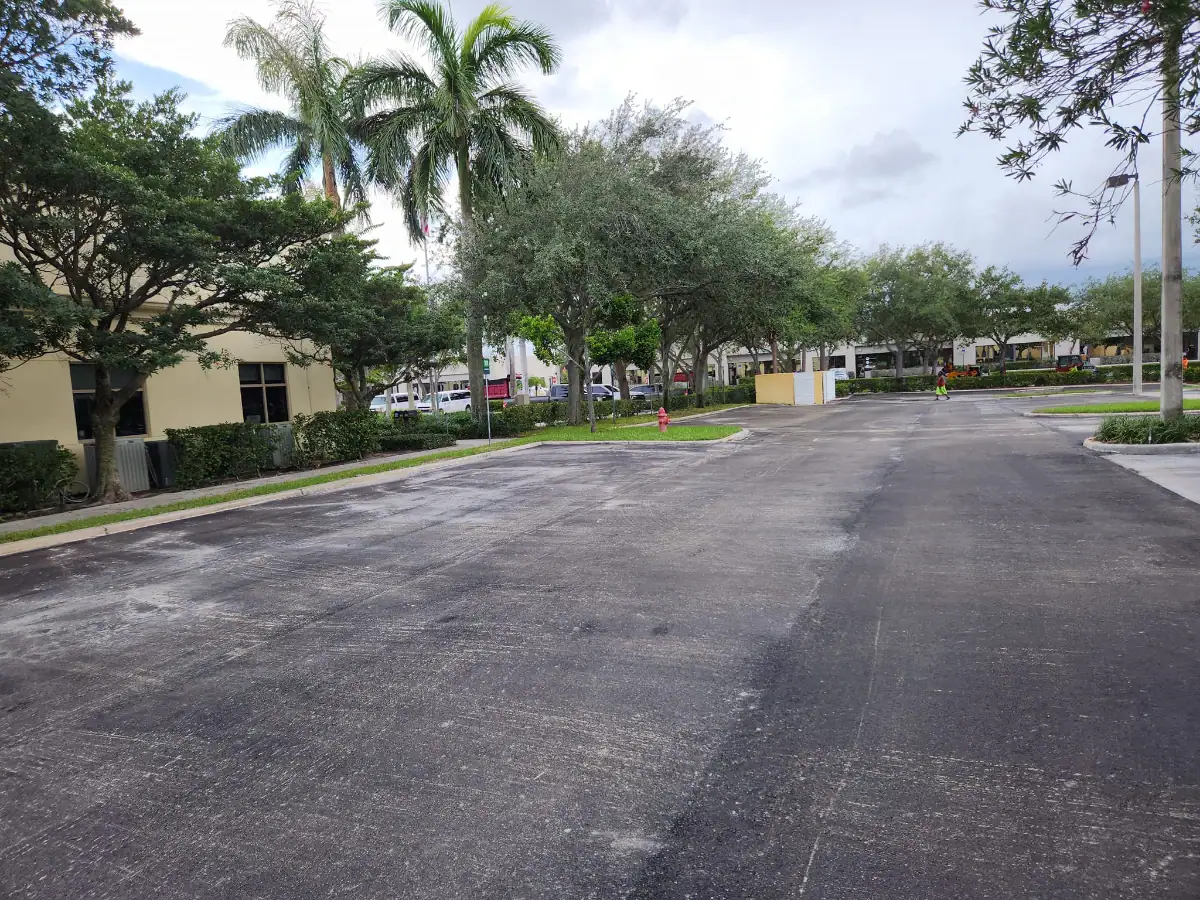
UV radiation is one of the most destructive forces working against your asphalt. The sun’s rays penetrate the surface and trigger a chemical reaction called oxidation. This process breaks down the oils in the asphalt binder, causing the pavement to lose flexibility. What was once pliable and resilient becomes stiff and fragile.
You can see oxidation at work. Fresh asphalt is deep black. Over time, it fades to gray. That color change isn’t just cosmetic—it’s a warning sign that the binder is deteriorating. Once oxidation sets in, cracks form more easily. And once cracks form, water infiltration accelerates the damage exponentially.
Heat compounds the problem. When asphalt gets hot, it softens. Heavy vehicles pressing down on softened pavement create ruts and depressions. The surface can even stick to tires, pulling away small pieces of aggregate. This process, called raveling, leaves the pavement rough and uneven.
Humidity adds another layer of stress. Moisture in the air works its way into the asphalt structure, weakening the bond between layers. Combined with heat, humidity creates the perfect conditions for rapid deterioration.
Then there’s water intrusion—the silent killer. When rainwater seeps through cracks, it reaches the base layer beneath your asphalt. That base is typically made of compacted limestone or gravel. Water erodes this foundation, creating voids. Without support underneath, the asphalt above collapses, forming potholes and sunken areas.
The freeze-thaw cycle that destroys pavement up north isn’t a major issue here. But that doesn’t mean Polk County gets off easy. The combination of UV exposure, extreme heat, heavy rain, and high humidity creates a different kind of challenge—one that demands proactive maintenance.
Ignoring these forces doesn’t make them go away. It just means you’ll be dealing with bigger, more expensive problems down the road.
Here’s the math that property owners need to understand: preventative maintenance costs a fraction of what repairs cost. And repairs cost a fraction of what replacement costs. But most people don’t act until they’re already in the repair or replacement phase.
Let’s put some numbers to it. Sealcoating a residential driveway typically runs a few hundred dollars depending on size. Repairing cracks costs between 50 cents and three dollars per linear foot. Fixing a pothole might set you back $100 to $400. These are manageable expenses.
Now compare that to major repairs. Patching a deteriorating driveway can cost $250 to $800. Resurfacing—adding a new layer of asphalt over the existing surface—runs $1 to $4 per square foot, or $500 to $2,000 for a typical driveway. Full replacement? You’re looking at $2,000 to $5,000 or more for residential work, and tens of thousands for commercial parking lots.
The financial case for maintenance is clear. But there’s more to consider than just dollars. There’s time, disruption, and lost opportunity.
A cracked, faded driveway hurts your home’s curb appeal. Potential buyers notice. They wonder what else hasn’t been maintained. That perception can knock thousands off your property value or cause buyers to walk away entirely. For commercial properties, a deteriorating parking lot sends the wrong message to customers. It suggests neglect, which doesn’t inspire confidence in your business.
Then there’s liability. Potholes and uneven pavement create trip hazards. Someone gets hurt on your property, and you’re dealing with medical bills, legal fees, and insurance headaches. Regular maintenance eliminates those risks before they become problems.
The pattern is consistent: small issues ignored become medium issues. Medium issues ignored become major failures. And major failures cost serious money to fix.
The property owners who come out ahead aren’t the ones who react to problems. They’re the ones who prevent problems from developing in the first place. They understand that asphalt maintenance isn’t an expense—it’s an investment that pays for itself many times over.
Want live answers?
Connect with a Central Florida Blacktop Paving expert for fast, friendly support.
Maintaining asphalt isn’t a one-size-fits-all proposition. Different issues require different solutions. Understanding what each service does—and when you need it—helps you make informed decisions instead of just hoping your contractor is being straight with you.
The three core maintenance services are sealcoating, crack repair, and pothole patching. Each serves a specific purpose in protecting your pavement. Used together on a regular schedule, they can extend your asphalt’s lifespan by decades.
Let’s break down what each service actually does and why it matters.
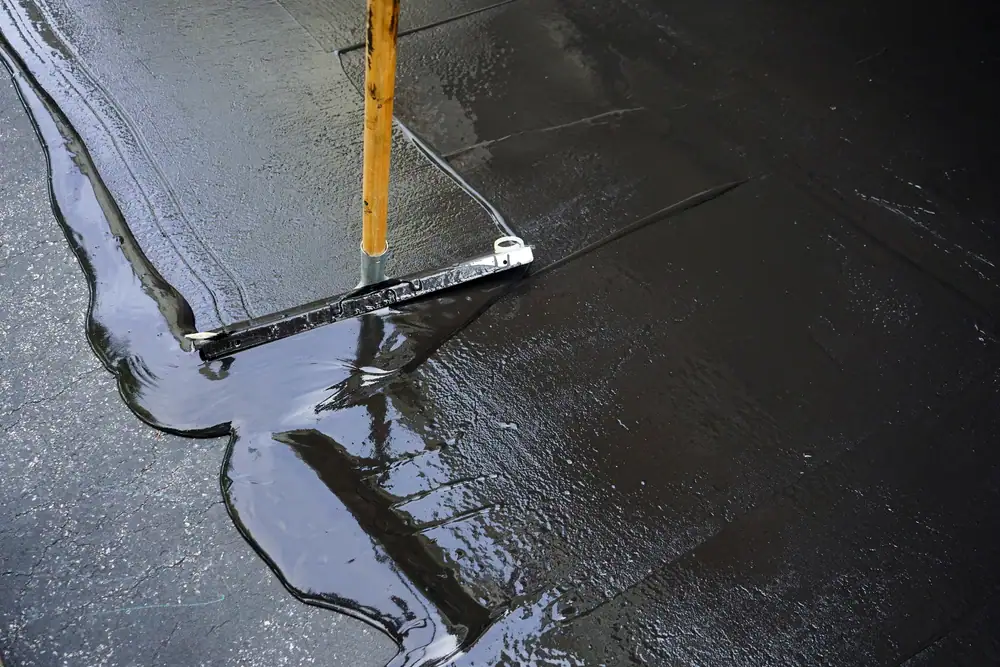
Sealcoating is exactly what it sounds like—applying a protective coating over your asphalt surface. Think of it as sunscreen for your pavement. It creates a barrier that blocks UV rays, repels water, and resists damage from oil, gas, and chemicals.
The material itself is a mixture of asphalt emulsion, water, mineral fillers, and additives. When applied correctly, it forms a smooth, dark finish that not only protects the pavement but also restores that rich black color that makes asphalt look new.
Here’s what sealcoating actually prevents. First, it blocks UV radiation from penetrating the surface and breaking down the binder. That slows oxidation dramatically. Second, it creates a waterproof barrier. Water beads up and runs off instead of seeping into cracks. Third, it fills in minor surface imperfections, creating a smoother texture that’s easier to clean and more resistant to wear.
The big question property owners ask: how often should you sealcoat? The answer depends on traffic and exposure, but general guidelines work for most situations. Residential driveways should be sealed every two to three years. Commercial parking lots with heavier traffic need it more frequently—typically every one to two years.
New asphalt is the exception. Don’t sealcoat right away. The surface needs time to cure—usually six to twelve months. Sealing too early traps oils in the asphalt, leaving it soft and prone to damage. Wait until the pavement loses its shiny appearance and takes on a matte finish. That’s your signal it’s ready.
Timing matters in other ways too. Sealcoating requires dry conditions and warm temperatures. You need at least 24 to 48 hours without rain for proper curing. In Polk County, late spring through fall is usually ideal. Avoid the coldest months and watch the weather forecast closely.
The results are immediately visible. A freshly sealed driveway or parking lot looks sharp and well-maintained. But the real value is what you can’t see—the protection working beneath the surface, blocking the forces that would otherwise destroy your pavement.
Sealcoating isn’t a one-time fix. It’s an ongoing maintenance practice that compounds over time. Each application adds another layer of protection, buying you years of additional life from your asphalt.
Cracks are inevitable. Even well-installed asphalt will eventually develop them. The key is catching them early and sealing them before water gets in. Once water infiltrates the base layer, you’re not just dealing with a crack anymore—you’re dealing with structural failure.
Crack filling involves cleaning out the crack, removing debris, and applying a specialized filler material. Hot rubberized crack filler is the professional standard. It’s heated to a liquid state, poured into the crack, and forms a flexible seal as it cools. This flexibility is crucial because asphalt expands and contracts with temperature changes. A rigid filler would just crack again.
For smaller cracks, cold pour crack filler works fine. It’s easier to apply and doesn’t require heating equipment. The trade-off is durability—cold pour doesn’t last as long as hot pour, especially in high-traffic areas.
The goal with crack filling isn’t just to fill the void. It’s to prevent water intrusion. Water is what turns a minor crack into a major problem. When water seeps down to the base layer, it erodes the foundation. That creates voids beneath the surface. Eventually, the asphalt above those voids collapses, and you’ve got a pothole.
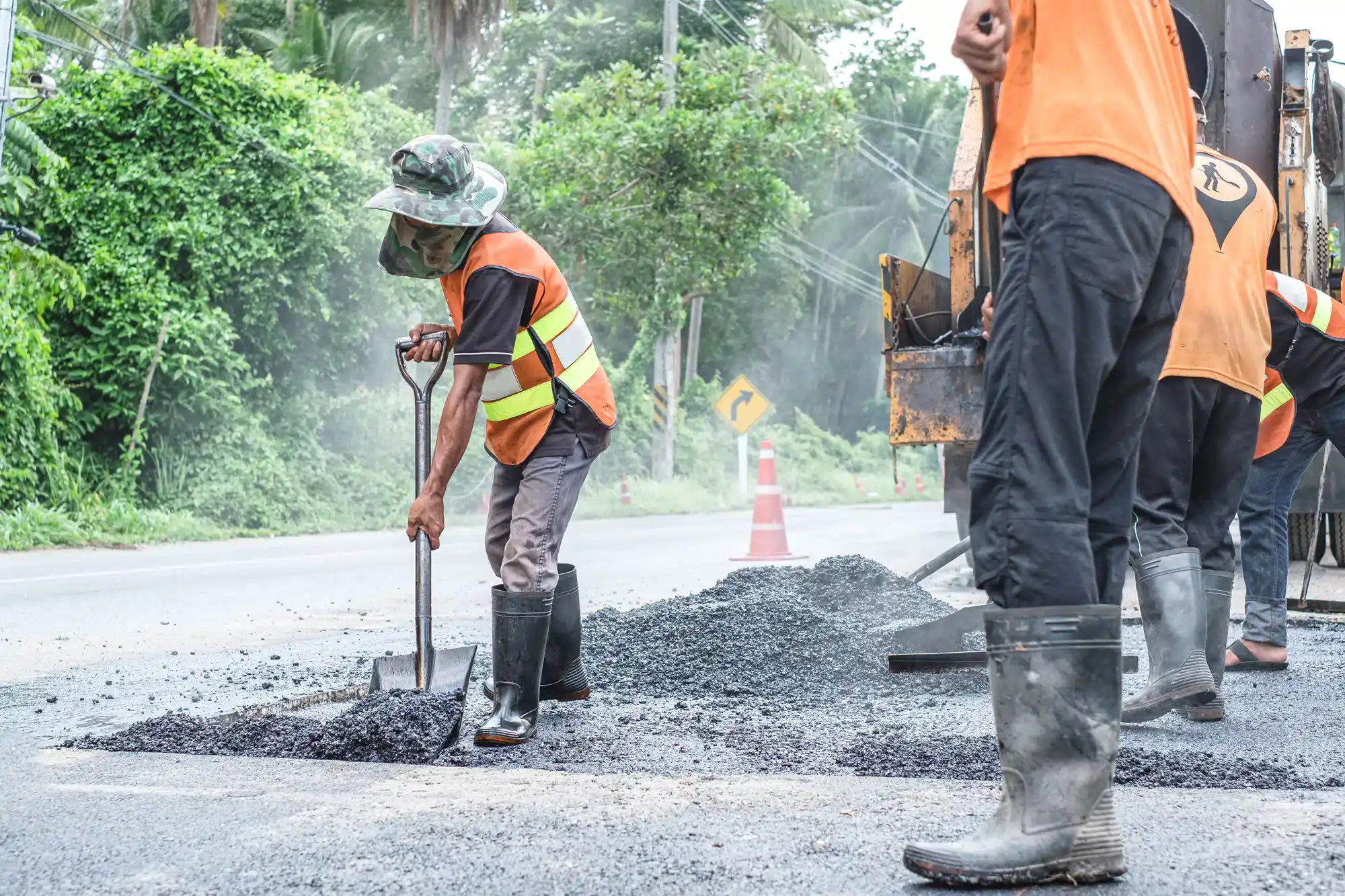
Potholes are what happen when you ignore cracks. They start small but grow quickly, especially under traffic. Fixing them requires more than just filling the hole. You need to remove loose material, clean the area thoroughly, apply a tack coat to help adhesion, fill with hot asphalt mix, and compact it properly. Done right, a pothole repair can last for years. Done wrong, it fails in weeks.
The best pothole strategy is prevention. Regular inspections catch cracks before they become holes. A quick crack filling job costs a few dollars per foot. A pothole repair costs a hundred dollars or more. The math is obvious.
Here’s what to watch for during inspections. Look for hairline cracks—they’re easy to miss but spread fast. Check for areas where water pools after rain—standing water accelerates deterioration. Pay attention to edges and seams where different sections meet—these are common failure points. And watch for changes in color or texture that signal oxidation or surface damage.
Timing matters with crack repair too. Don’t wait until spring to fix cracks that developed over winter. Address them as soon as you spot them. Every day you wait is another opportunity for water to get in and cause damage.
Some property owners try DIY crack filling. For small residential driveways with minimal cracking, that can work. But for anything larger or more complex, hiring an experienced paving contractor pays off. Professional teams have the right equipment, quality materials, and experience to do the job correctly the first time.
Protecting your asphalt investment comes down to consistency. You don’t need to overthink it. You just need a simple schedule and the discipline to stick with it.
For most residential driveways in Polk County, that means sealcoating every two to three years, inspecting for cracks twice a year, and addressing any damage as soon as it appears. For commercial parking lots, bump up the frequency—sealcoat every one to two years and inspect quarterly.
The property owners who get the most life from their asphalt are the ones who treat maintenance as routine, not optional. They understand that a few hundred dollars spent on sealcoating today saves thousands on repairs tomorrow.
If you’re looking for a team that understands Florida’s climate and knows how to protect pavement in Polk County, we’ve been doing this work for over four decades at Central Florida Blacktop Paving Inc. We handle both residential driveways and commercial parking lots, and we’re upfront about what you actually need versus what you don’t.
Article details:
Share:
Continue learning: