Choosing the right driveway material affects your home's value, maintenance costs, and curb appeal for decades. Here's what you need to know.
Share:
Summary:
Florida’s climate isn’t just hot—it’s a specific combination of intense UV exposure, heavy rainfall, high humidity, and temperature swings that tests every paving material differently. What works in Michigan fails here, and what thrives in Arizona might struggle with our moisture levels.
Your driveway faces challenges most northern homeowners never consider. We see 60+ inches of rain annually in Central Florida. UV rays that would take years to damage pavement up north accelerate deterioration here in months. Sandy soils shift and settle differently than the clay or rock bases common elsewhere.
These aren’t minor considerations. They’re the difference between a driveway that lasts 25 years and one that starts failing after five.
Asphalt’s biggest advantage in Florida is something you can’t see—its flexibility. Unlike rigid materials that crack under stress, asphalt bends slightly with temperature changes and soil movement. In Polk County, FL’s sandy soils, this flexibility prevents the cracking issues that plague concrete driveways.
Florida’s heat actually benefits asphalt installation. The warm climate keeps the material workable longer during installation, allowing better compaction than contractors get in colder regions. This means a stronger, more durable surface from day one. Temperature fluctuations here are moderate compared to northern states where extreme freeze-thaw cycles stress pavement. Asphalt handles our climate’s demands without the thermal stress that causes concrete to expand and crack.
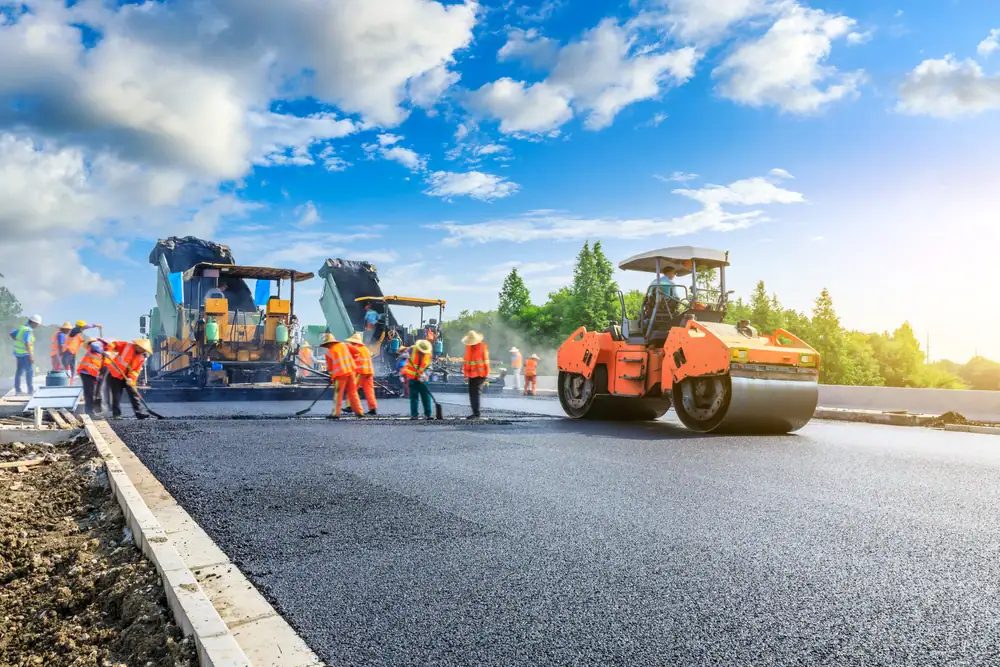
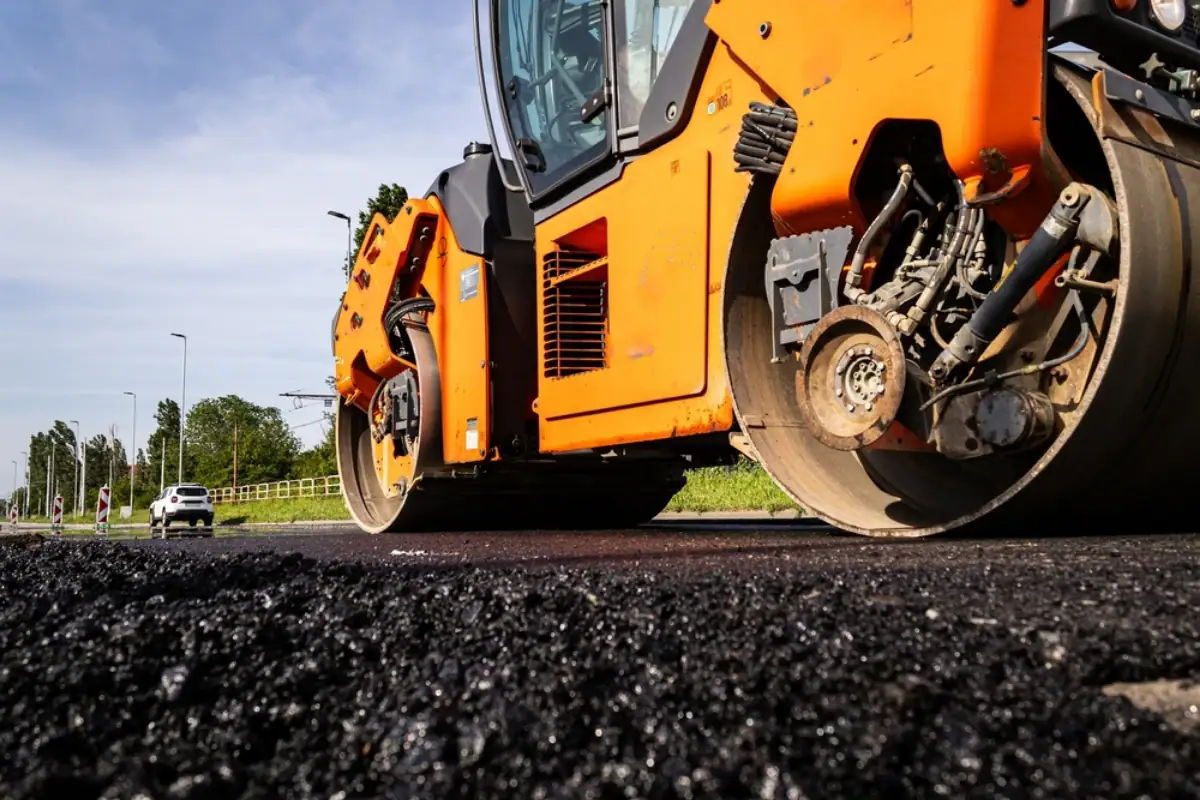
Proper asphalt paving installation in Florida requires understanding these climate factors. The base preparation matters more than most homeowners realize. Central Florida’s sandy soils and high water tables need specific techniques that out-of-area contractors often miss. Skip proper base prep and even the best asphalt will fail prematurely.
Professional installation typically involves 2-3 inches of asphalt over a properly prepared base for residential driveways. Commercial applications need 3-4 inches or more depending on traffic loads. The thickness isn’t arbitrary—it’s engineered for Florida’s specific soil conditions and drainage requirements. Proper grading ensures water flows away from your home rather than pooling on the surface or infiltrating the base layers.
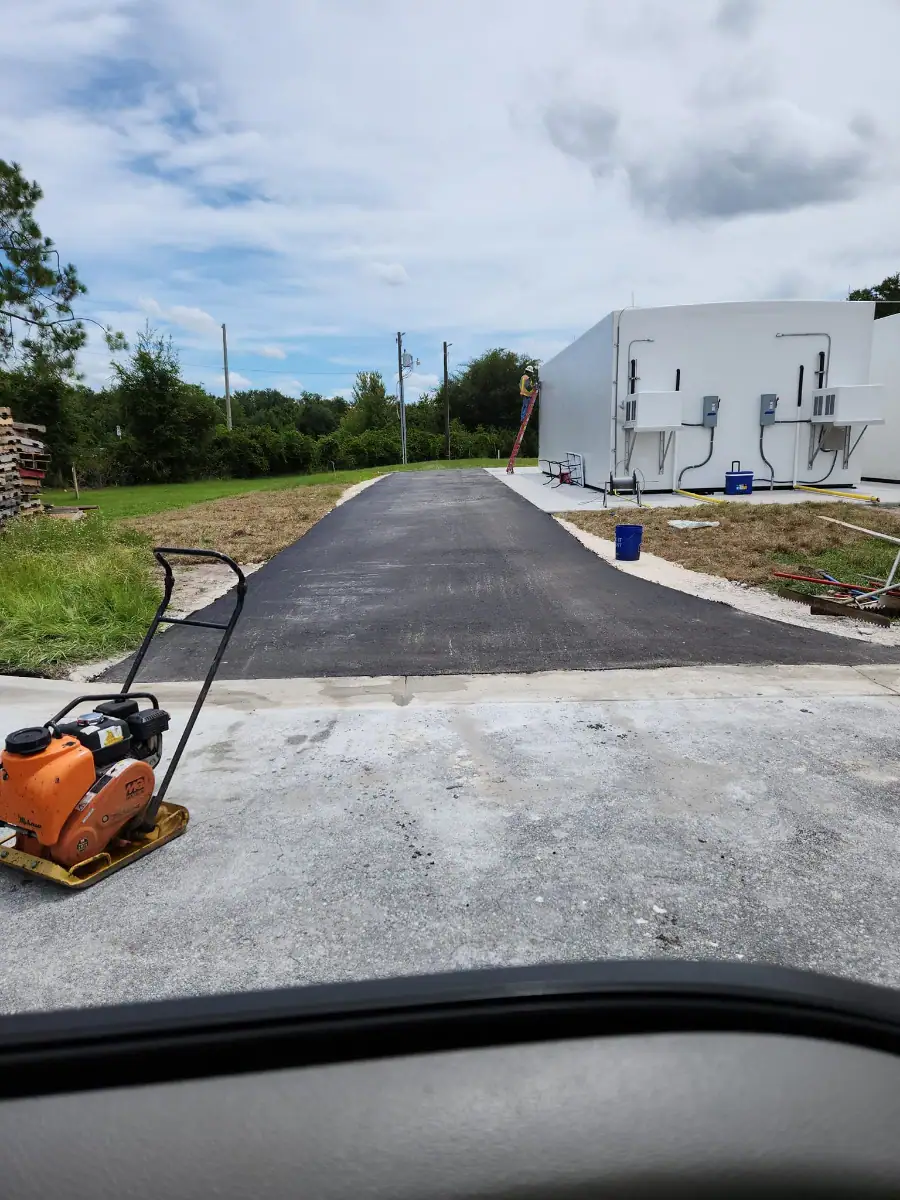
You can drive on new asphalt within 24-48 hours. Compare that to concrete’s 7-day cure time and the practical advantage becomes clear. Your daily routine stays intact. No week-long parking hassles or rerouting deliveries.
With proper maintenance—sealcoating every 3-5 years and prompt crack repair—asphalt driveways in Florida last 20-30 years. That’s comparable to concrete’s lifespan but with significantly lower maintenance costs when repairs are needed.
The cost conversation around asphalt vs concrete driveway options goes beyond installation prices. Yes, asphalt typically costs less upfront—$3-$7 per square foot compared to concrete’s $4-$15 per square foot. For a standard 600-square-foot driveway, that’s potentially $1,280-$6,400 in immediate savings. But the real cost difference shows up over decades of ownership.
Asphalt repairs are straightforward and blend invisibly. A crack or pothole gets filled with matching material that integrates seamlessly with the existing surface. You can’t tell where the repair happened after a few weeks. Concrete repairs are permanent eyesores. When concrete cracks, you’re replacing entire sections. The new concrete never matches the weathered original. Your driveway becomes a patchwork of different-colored sections that screams “damaged.”
Florida’s sandy soil movement makes this difference critical. Our soils shift and settle more than the stable clay or rock bases found in other regions. Asphalt flexes with this movement. Concrete cracks. Then you’re paying for those expensive, visible section replacements that asphalt owners avoid.
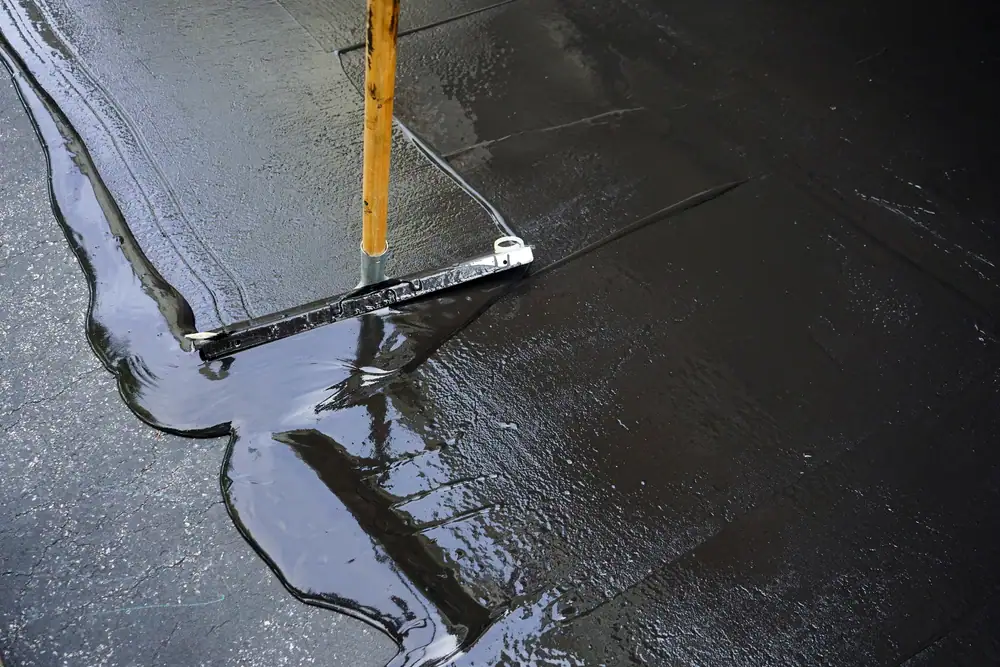
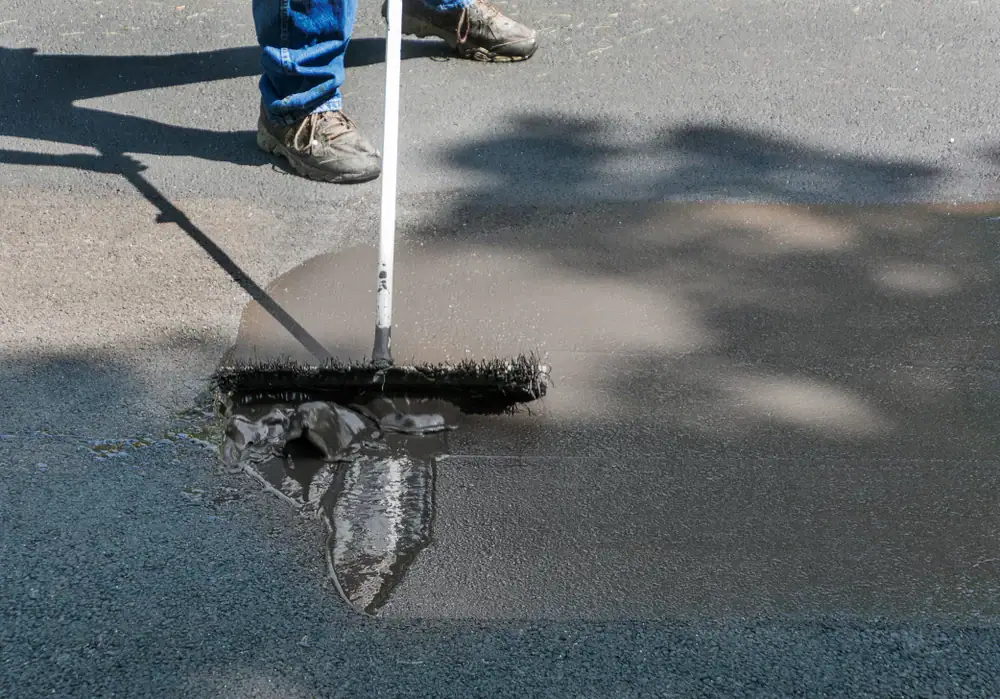
Maintenance costs favor asphalt too. Sealcoating every 3-5 years costs a fraction of concrete’s repair needs. The sealcoat protects against UV damage and water infiltration—both major concerns in Central Florida’s climate. It also restores that fresh black appearance that enhances curb appeal. Concrete needs periodic sealing too, but when damage occurs, repairs cost significantly more.
Consider the lifetime economics. An asphalt driveway might cost $4,200 installed. Add sealcoating every 4 years at $300 per application over 25 years, and you’re at roughly $6,000 total. A concrete driveway at $6,000 installed seems comparable until you factor in section replacements. One major crack requiring a 10×10 section replacement can run $1,500-$2,000. Multiple cracks over 25 years and concrete’s “lower maintenance” advantage disappears.
The heat factor matters too. Concrete stays cooler than asphalt in direct sun—about 10 degrees cooler on extreme days. Some homeowners see this as an advantage. But in Florida, where we’re not walking barefoot on driveways in July, the practical benefit is minimal. Asphalt’s dark surface actually helps it dry faster after our frequent afternoon thunderstorms, reducing slip hazards and standing water.
Factor in Florida’s soil movement issues and asphalt often proves more economical long-term. The flexibility that prevents cracks in the first place saves more money than concrete’s slightly cooler surface temperature could ever justify.
Want live answers?
Connect with a Central Florida Blacktop Paving expert for fast, friendly support.
Pavers and gravel represent opposite ends of the driveway spectrum—one premium and decorative, the other budget-friendly and rustic. Both have their place, but neither offers asphalt’s balance of cost, performance, and practicality for most Florida homeowners.
Pavers deliver unmatched aesthetic appeal. The design options are nearly limitless—different colors, patterns, and materials create custom looks that significantly boost curb appeal. In upscale neighborhoods where appearance matters most, pavers can increase perceived home value more than any other driveway material. But that beauty comes at a cost. Paver installation runs $10-$50 per square foot, making them 3-10 times more expensive than asphalt.
Gravel sits at the other extreme. At $1-$3 per square foot, it’s the most affordable option. Installation is straightforward, and the natural appearance suits rural or rustic properties. But gravel requires constant maintenance—regrading every 1-3 years, replenishing displaced stones, and dealing with dust that coats vehicles and infiltrates home HVAC systems.
Paver driveways cost $10-$50 per square foot installed. For that standard 600-square-foot driveway, you’re looking at $6,000-$30,000 compared to asphalt’s $2,100-$4,200. The price reflects labor intensity—each paver gets individually placed, leveled, and secured. Intricate patterns and premium materials push costs even higher.
The advantages are real. Pavers last 25-50 years with proper installation. Individual damaged pavers can be replaced without affecting surrounding areas. The interlocking design allows slight ground movement without cracking. Permeable paver options support sustainable drainage and may qualify for green building incentives in some areas.
Florida’s climate treats pavers well. They don’t suffer from UV degradation like asphalt or thermal cracking like concrete. Heavy rains drain through permeable varieties, reducing runoff and pooling. The variety of colors and materials means you can match your home’s architectural style precisely.
But maintenance isn’t zero. Weeds grow between pavers without regular attention. Sand between joints needs periodic replenishment. Sealing helps but adds to the maintenance schedule. And if the base wasn’t prepared correctly—a common issue with inexperienced installers—pavers can shift and become uneven over time.
The curb appeal factor matters most in high-end neighborhoods where homes sell for premium prices. If your property is valued at $500,000+ and first impressions significantly impact sale price, pavers might justify their cost. For most Polk County, FL homeowners, asphalt delivers better value—professional appearance without the premium price tag.
Consider your priorities. If you’re building a showcase property where budget is secondary to appearance, pavers make sense. If you want a durable, attractive driveway that doesn’t consume your home improvement budget, asphalt is the practical choice.
Gravel driveways cost $1-$3 per square foot—significantly less than any paved alternative. For long rural driveways where paving costs would be prohibitive, gravel makes economic sense. A 1,000-foot driveway in asphalt might cost $50,000+. In gravel, you’re looking at $10,000-$15,000. That’s a meaningful difference.
The installation is straightforward. Excavate, lay a base layer, add your chosen gravel type, compact it, and you’re done. Some homeowners handle installation themselves with rented equipment, saving even more. The natural appearance suits rural properties and blends with natural landscapes better than black asphalt or gray concrete.
But gravel’s low initial cost comes with ongoing obligations. Stones get displaced by vehicle traffic and need raking back into place. Potholes and ruts form, especially after heavy rains. You’ll add new gravel every 1-3 years to maintain proper depth and coverage. Heavy rainfall—which Central Florida sees plenty of—washes gravel away, requiring more frequent replenishment than in drier climates.
Dust is a constant issue. Vehicles kick up clouds that coat everything nearby. That dust infiltrates home HVAC systems, requiring more frequent filter changes. It settles on vehicles parked in the driveway. Some homeowners apply dust suppressants, adding another maintenance task and expense.
Snow removal isn’t relevant in Florida, but our version of that problem is debris management after storms. Gravel driveways collect fallen branches, leaves, and storm debris more than paved surfaces. Cleanup takes longer because you can’t simply blow or sweep—you risk displacing the gravel itself.
The rough surface damages some vehicles. Stones get kicked up into wheel wells and undercarriages. Fast-moving vehicles can throw rocks that crack windshields. The uneven surface makes walking less comfortable, especially for elderly family members or guests with mobility concerns.
Gravel works best for specific situations—long rural driveways where paving costs are prohibitive, secondary access roads, or properties where the rustic aesthetic is genuinely desired. For most residential properties in Polk County, FL’s developed areas, asphalt provides better long-term value despite the higher initial cost.
If your budget is extremely tight and you’re planning to pave eventually, gravel can serve as a temporary solution. Just understand that it’s not maintenance-free money saved—it’s deferred cost with ongoing obligations.
The best driveway material balances cost, climate performance, maintenance requirements, and your specific priorities. In Polk County, FL’s climate, asphalt offers advantages that matter for most homeowners—flexibility that prevents cracking in sandy soils, easier repairs that blend invisibly, and proven performance in Florida’s heat and rain.
Concrete works if you prioritize longevity over repair costs and don’t mind visible patches when damage occurs. Pavers make sense for high-end properties where appearance justifies premium pricing. Gravel serves rural properties with long driveways where paving costs become prohibitive.
For most residential properties, asphalt delivers the best combination of durability, cost-effectiveness, and performance in Central Florida’s demanding climate. The key is proper installation by contractors who understand Florida-specific challenges—proper base preparation, climate-appropriate materials, and techniques designed for our sandy soils and heavy rainfall.
We specialize in asphalt installations that handle everything Polk County, FL’s climate throws at them. Our decades of Florida-focused experience mean your driveway gets the foundation and installation it needs to perform reliably for 20-30 years.
Article details:
Share:
Continue learning: