Hear from Our Customers
You get a surface that drains properly after storms. No more lakes in your parking lot. No more customers stepping around potholes or tracking water into your business.
The asphalt stays smooth because it’s built on a solid base—8 to 12 inches of compacted gravel that won’t shift or settle. That foundation is what separates parking lots that last 20 years from ones that crack in three.
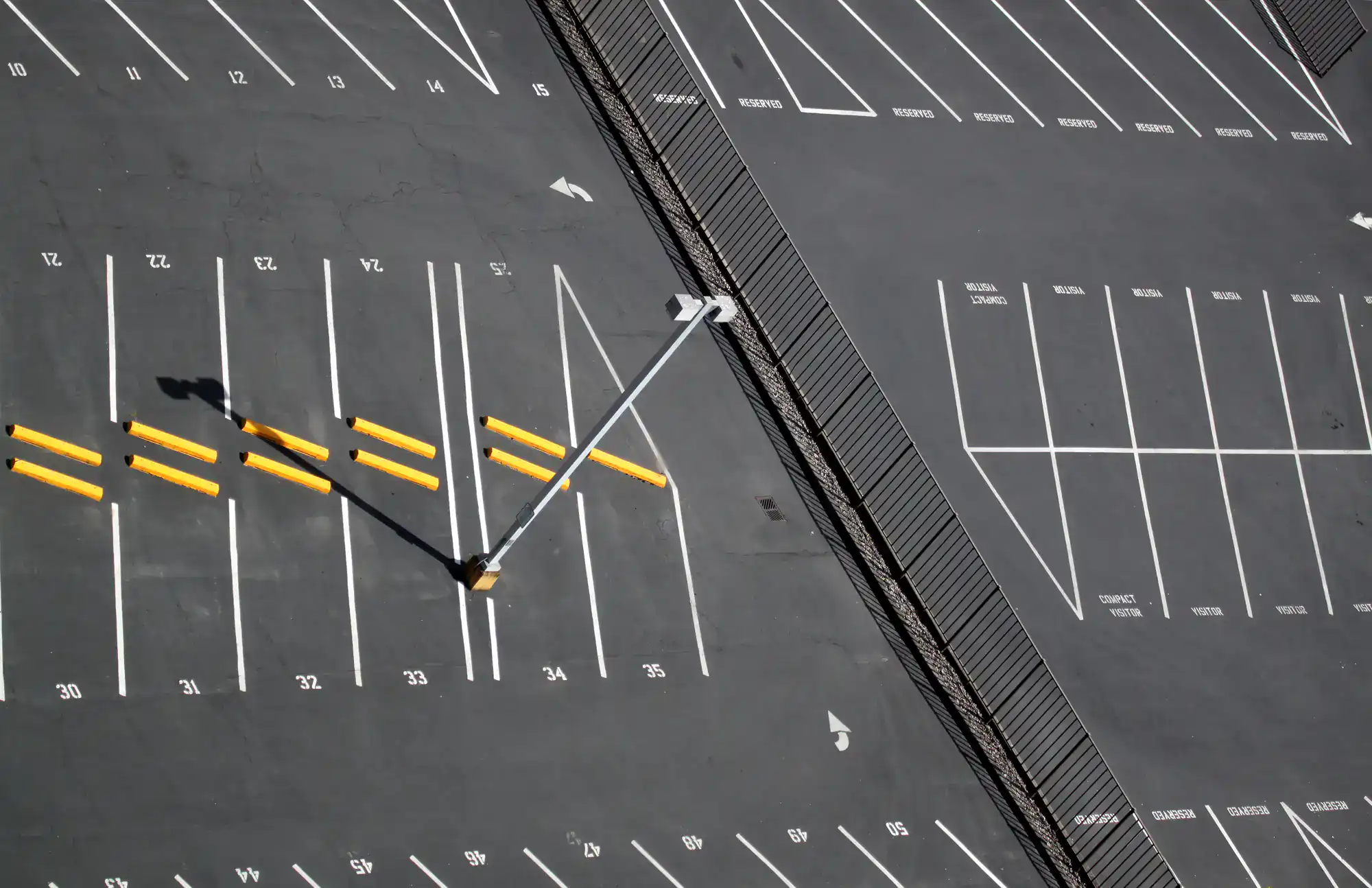
You also get clear striping, even surfaces, and a lot that actually looks like you care about your property. First impressions matter. When someone pulls into a clean, well-maintained parking lot, they notice.
Central Florida Blacktop Paving Inc. operates out of Winter Garden and serves businesses throughout the Eloise Woods area. We focus on commercial parking lots and residential driveways—surfaces that need to hold up under Central Florida’s specific challenges.
Eloise Woods sits in Polk County, where sandy soil and seasonal downpours mean drainage isn’t optional. We understand how to grade a lot so water moves off the surface instead of pooling. We know which base materials work in this soil and how thick the asphalt needs to be for your type of traffic.
We use modern equipment and complete projects on schedule. You’ll get a free consultation, transparent pricing, and work that’s finished when we say it will be.
First, our crew evaluates your site. We check drainage, test the soil, and look for any issues that could cause problems later. If you’re resurfacing an existing lot, we assess whether the current base is stable enough to support new asphalt.
Next comes site prep. For new parking lot installation, that means grading the ground with a slight slope—usually around 2%—so water drains away. Then we lay down 8 to 12 inches of gravel and compact it until it’s rock solid. Skipping this step or doing it poorly is how parking lots fail early.
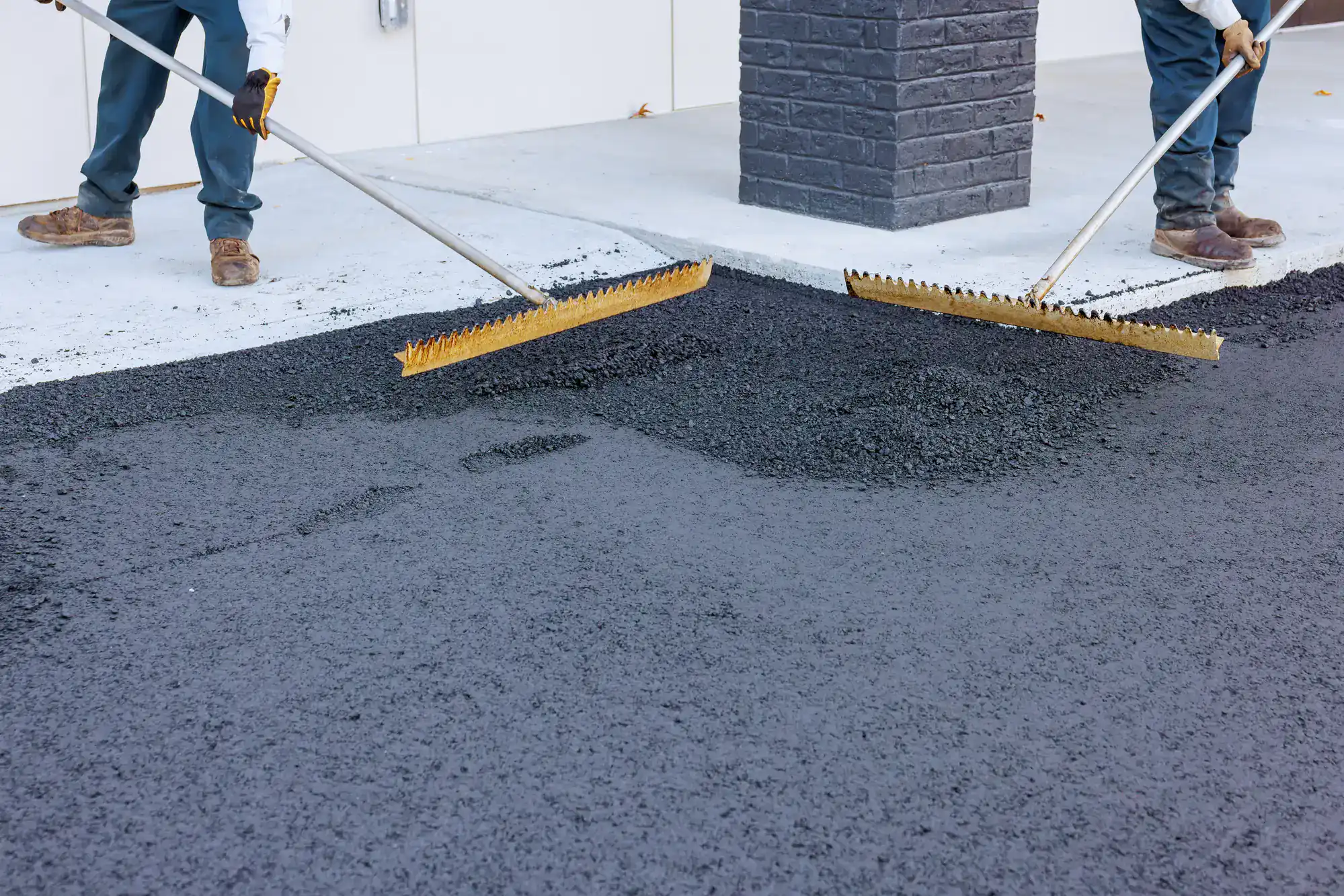
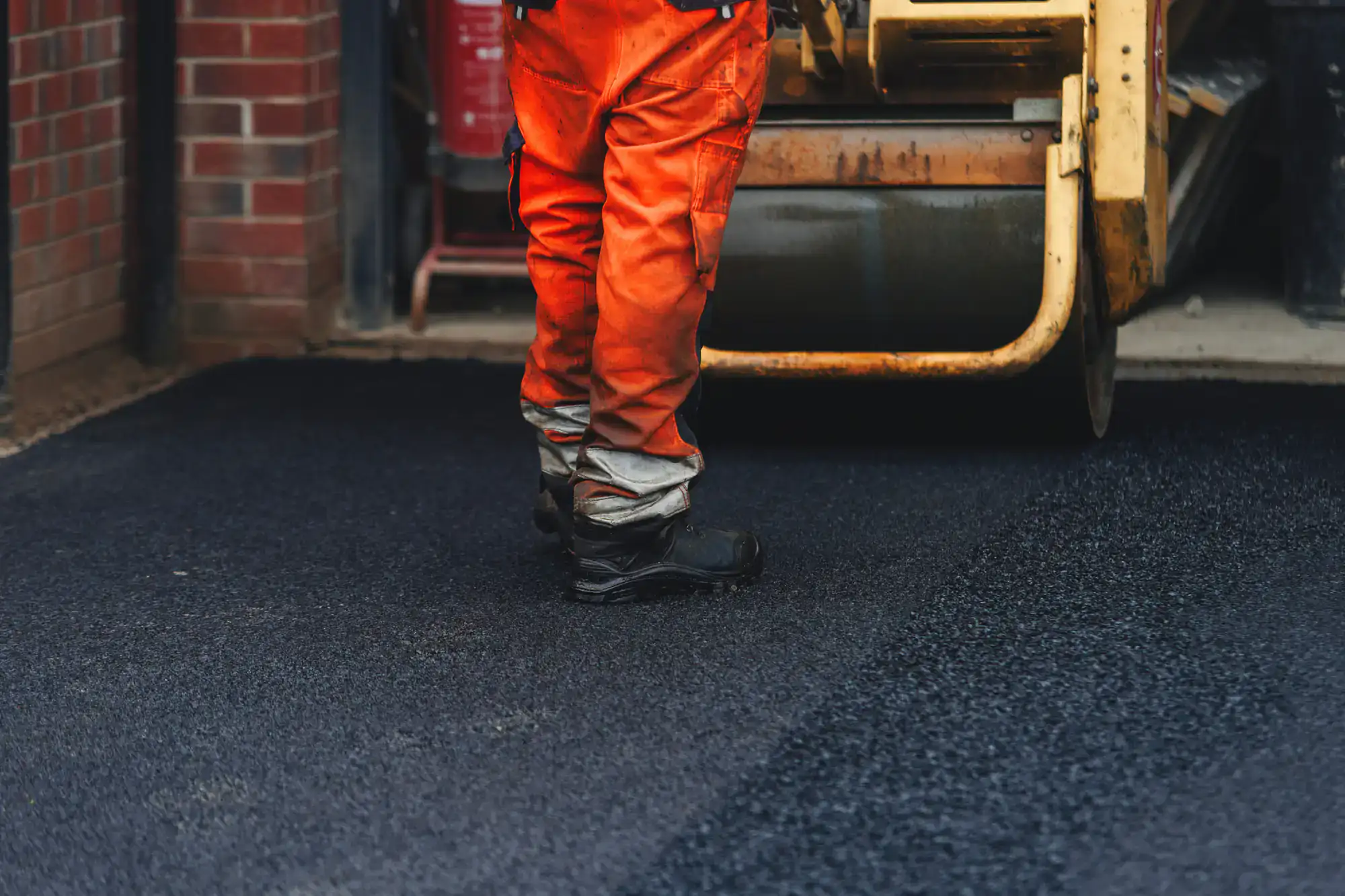
Once the base is ready, we apply a tack coat to help the new asphalt bond. Then comes the asphalt itself—a binder layer first, followed by a smooth top coat. Our crew uses rollers to compact everything while the asphalt is still hot, creating a dense, durable surface.
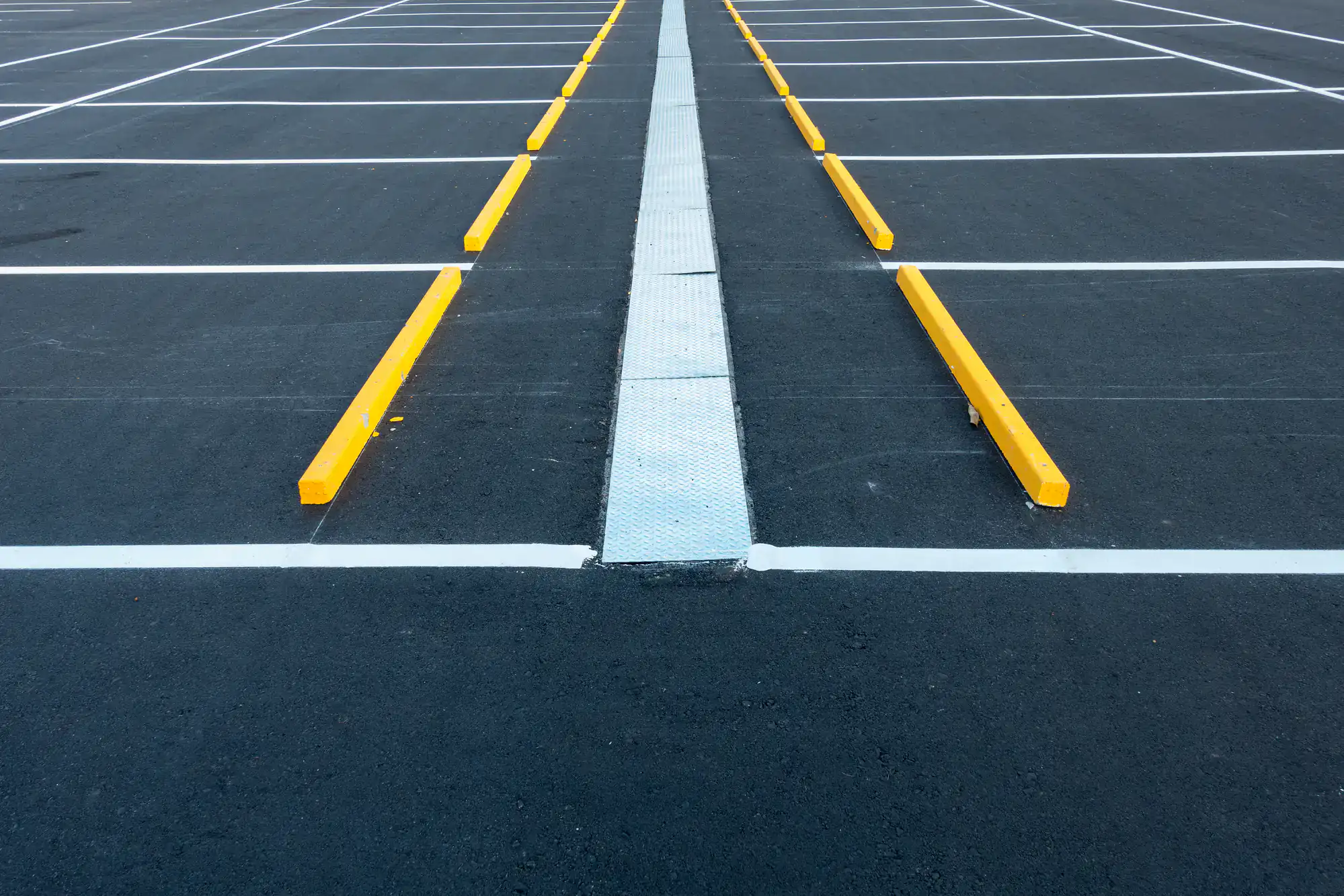
After the asphalt cures—usually just a few days in Florida’s warm weather—we add the finishing touches: striping for parking spaces, any curbing you need, and final cleanup. Most projects wrap up in less than a week, depending on size.
Ready to get started?
You get a complete parking lot asphalt paving solution, not just someone showing up with a truck of asphalt. That includes proper site evaluation, grading for drainage, a compacted gravel base, and multiple layers of asphalt applied at the right thickness for your traffic volume.
We also handle the details most property owners don’t think about until later—things like ensuring proper transitions to existing concrete, installing or repairing storm drains if needed, and making sure the lot meets ADA requirements for accessible spaces.
In Eloise Woods and the surrounding Central Florida area, drainage is critical. Heavy afternoon thunderstorms are part of life here, and a poorly graded lot becomes a retention pond. We design each project with Florida’s climate in mind, creating slopes and drainage paths that move water off your property quickly.
You’ll also get clear communication throughout the process. We provide free consultations where we walk you through what your lot needs, how long it will take, and what it will cost. No surprises. No vague estimates that balloon later.
A properly installed parking lot typically lasts 20 to 30 years in Central Florida, but that lifespan depends entirely on how it’s built and maintained. The key is the base—if the gravel foundation is thick enough and properly compacted, the asphalt on top can handle decades of traffic and weather.
Florida’s heat and heavy rains are tough on asphalt. UV rays from constant sun exposure break down the binder that holds asphalt together, while water seeps into small cracks and expands them over time. That’s why maintenance matters. Sealcoating every 2 to 4 years protects the surface from UV damage and moisture. Filling cracks as soon as they appear stops small problems from becoming big ones.
If you skip maintenance, even a well-built lot will deteriorate faster. But if you stay on top of it—sealcoating, crack filling, and occasional resurfacing every 10 to 15 years—you can get three decades or more out of your parking lot. It’s not just about the initial installation. It’s about treating it like the investment it is.
Resurfacing means you’re adding a new layer of asphalt over the existing surface. It’s faster and costs less than full replacement—usually $1 to $3 per square foot compared to $2 to $4.50 for new construction. But resurfacing only works if the current base is still stable and the existing asphalt isn’t completely failing.
If your lot has minor surface cracks, some fading, or light wear but the foundation underneath is solid, resurfacing makes sense. We’ll clean the old surface, apply a tack coat to help the new asphalt bond, and then lay down a fresh layer on top. You get a smooth, clean surface without the cost and time of tearing everything out.
Full replacement is necessary when the base has failed—when you’re seeing major cracks, potholes that keep coming back, or areas where the asphalt is sinking or breaking apart. At that point, the problem isn’t just the surface. The gravel base underneath has shifted or eroded, and no amount of resurfacing will fix it. We have to remove the old asphalt, rebuild the base properly, and start fresh. It costs more upfront, but it’s the only way to get a lot that will actually last.
For new parking lot installation in the Eloise Woods area, expect to pay between $2 and $4.50 per square foot on average. That includes materials and labor for a standard commercial lot. So a 10,000 square foot lot would typically run $20,000 to $45,000, depending on site conditions and what’s required.
Several factors affect the final cost. If your site needs extensive grading or has poor soil that requires extra base material, that adds to the price. Thicker asphalt for heavy traffic costs more than standard thickness. Complex drainage systems, ADA-compliant striping, or tight timelines that require night work all push costs higher.
Resurfacing an existing lot is less expensive—usually $1 to $3 per square foot—because you’re not rebuilding the base. Repairs like crack filling run $0.50 to $3 per linear foot, and sealcoating costs about $0.15 to $0.25 per square foot. We provide free consultations where we assess your specific situation and give you transparent pricing based on what your lot actually needs. No guessing. No vague ranges. Just a clear quote you can use to make a decision.
Yes, but it requires careful planning and sometimes delays. Asphalt needs dry conditions to be installed properly. Rain interferes with compaction, prevents the tack coat from bonding, and can ruin a fresh surface before it cures. Most paving companies in Central Florida work year-round but have to be flexible during summer when afternoon thunderstorms are almost guaranteed.
The best approach during rainy season is to schedule work early in the day and have contingency plans ready. We can often get the critical work done in the morning before storms roll in. If rain does hit, we’ll cover fresh asphalt with tarps to protect it until it cures enough to handle moisture.
Spring and fall are typically the easiest times to pave in Florida—drier weather, moderate temperatures, and fewer delays. But if you need work done in summer, it’s still possible. It just might take a few extra days to work around the weather. We’ll be upfront about this and build realistic timelines that account for Florida’s climate instead of promising schedules we can’t keep.
Small cracks become big cracks. Big cracks become potholes. Potholes become liability issues and expensive emergency repairs. It happens faster than most property owners expect, especially in Florida where heat and rain accelerate deterioration.
When you skip sealcoating, UV rays break down the asphalt binder. The surface becomes brittle and starts to crack. Water seeps into those cracks, and in Florida’s heat, it expands and contracts, making the cracks wider. Before long, you’ve got sections of asphalt breaking apart and a base that’s starting to erode underneath.
Once the base fails, you’re looking at full replacement instead of simple maintenance. That means spending $20,000 to $40,000 on a new lot instead of $1,500 to $3,000 on sealcoating every few years. Neglecting maintenance doesn’t save money—it just delays the cost until the problem is much bigger and more expensive to fix. Regular sealcoating, crack filling, and occasional resurfacing keep your lot functional and extend its life by decades.
Because Central Florida gets an average of 50+ inches of rain per year, much of it coming in sudden, heavy downpours during summer thunderstorms. Without proper drainage, that water has nowhere to go. It pools on your parking lot, seeps into cracks, and slowly destroys the asphalt from underneath.
Standing water is more than an inconvenience for customers. It accelerates pavement deterioration. Water that sits on asphalt works its way into small cracks and eventually reaches the gravel base below. Once the base gets saturated, it loses stability. The asphalt above starts to sink, crack, and break apart. What started as a drainage issue becomes a structural failure.
Proper grading—creating a slight slope of about 2%—ensures water flows off the surface and into designated drainage areas instead of pooling. In Eloise Woods and surrounding areas where soil is sandy and prone to erosion, this is even more critical. A well-designed lot directs water away from your building and off your property entirely, protecting both your pavement and your foundation. It’s not optional in Florida’s climate. It’s essential.
Other Services we provide in Eloise Woods