Hear from Our Customers
A cracked, faded parking lot tells customers you’re not paying attention. Potholes become liability issues. Water pooling after every storm damages your asphalt faster and creates safety hazards.
You need a commercial paving contractor who understands what Florida does to asphalt. The UV exposure alone breaks down surfaces faster here than almost anywhere else in the country. Add in the afternoon thunderstorms, the humidity, and the heat radiating off blacktop in July, and you’ve got conditions that destroy poorly installed pavement in just a few years.
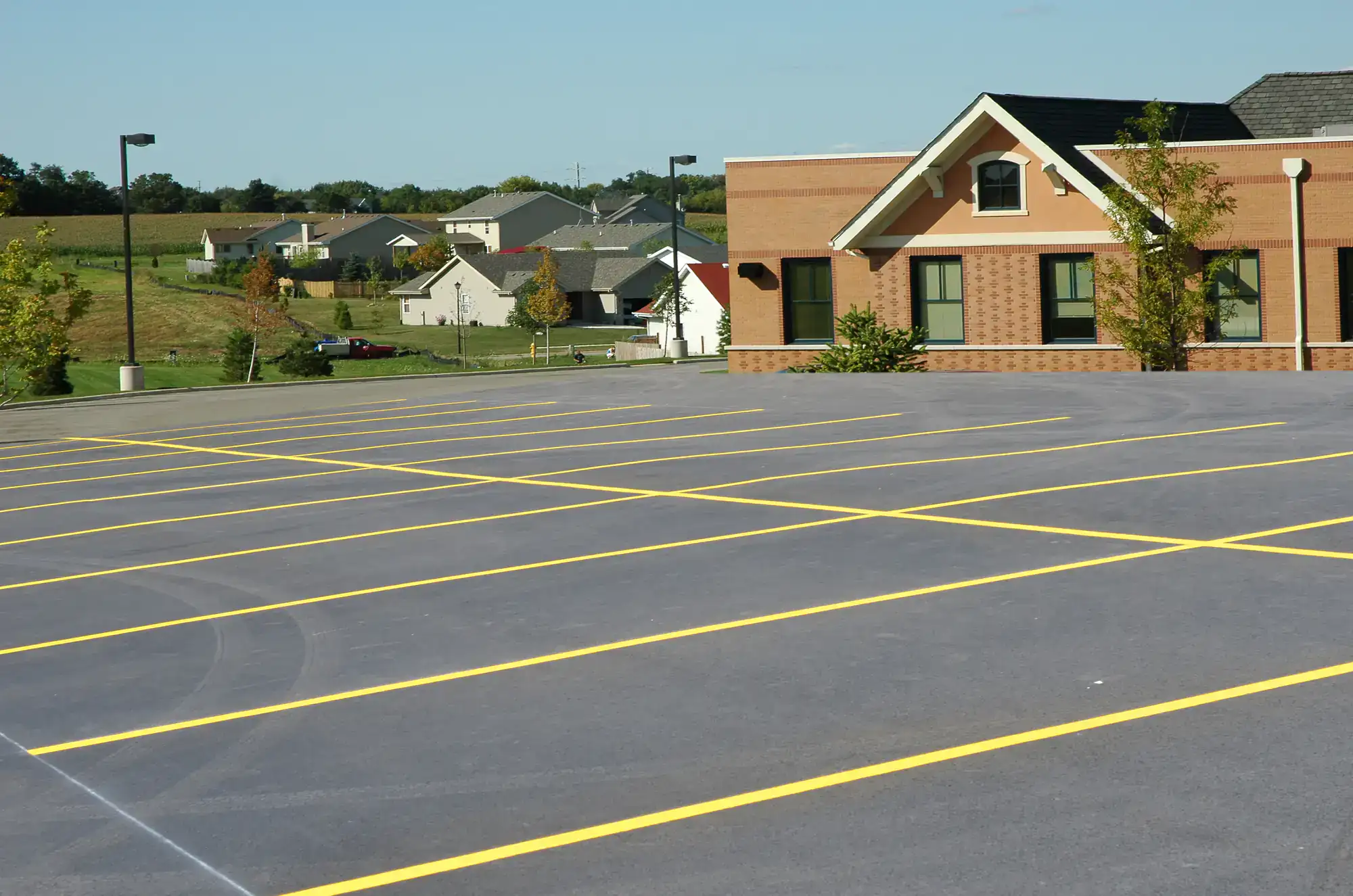
The right installation changes everything. Proper base preparation. Correct drainage slope. Materials and techniques designed for this climate. You get a parking lot that looks professional, handles your traffic volume, and actually lasts. No premature cracking. No standing water. No surprise repairs eating into your budget two years from now.
We’ve been installing and maintaining commercial asphalt in this region for over 40 years. Based in Winter Garden, we serve Eloise Woods and the surrounding Central Florida area with the same approach every time: clear communication, transparent pricing, and work that holds up.
We know what Florida weather does to asphalt because we’ve been dealing with it since the 1980s. We’ve seen what works and what fails. That experience shows up in how we prep surfaces, manage drainage, and schedule work to minimize disruption to your business operations.
You get a free consultation before anything starts. You know what the job costs before equipment shows up. And you work with a local company that’s been accountable to this community for decades.
First, we evaluate your site. We look at the existing surface condition, drainage patterns, base stability, and traffic flow. You get a detailed estimate that breaks down the scope, timeline, and cost. No vague numbers.
Next comes surface preparation—the part that most failed parking lots skipped. The existing surface gets removed or prepped correctly. The base gets graded and compacted to handle your traffic load and ensure proper water runoff. If your drainage is wrong, your asphalt won’t last no matter how good the installation is.
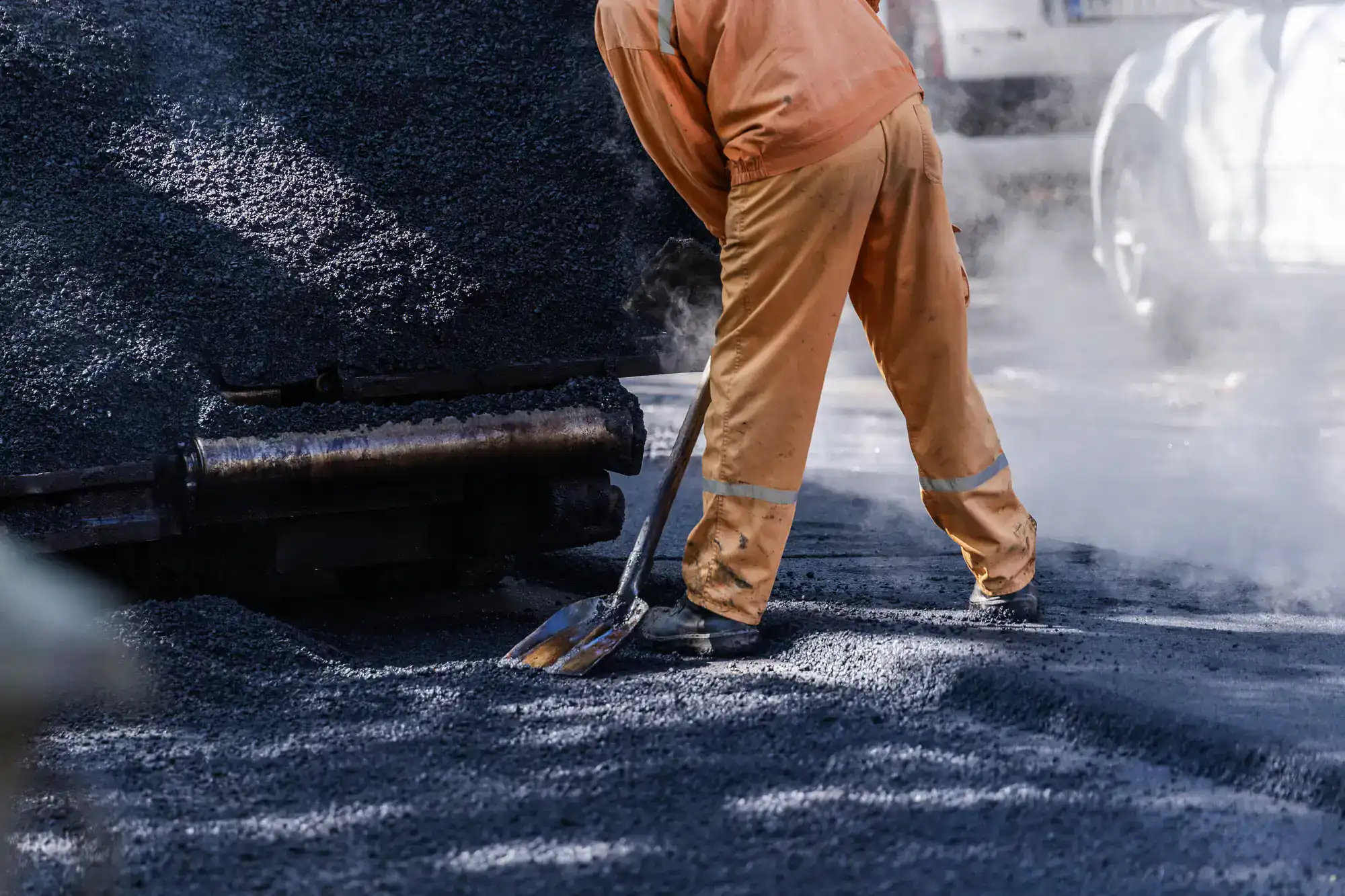
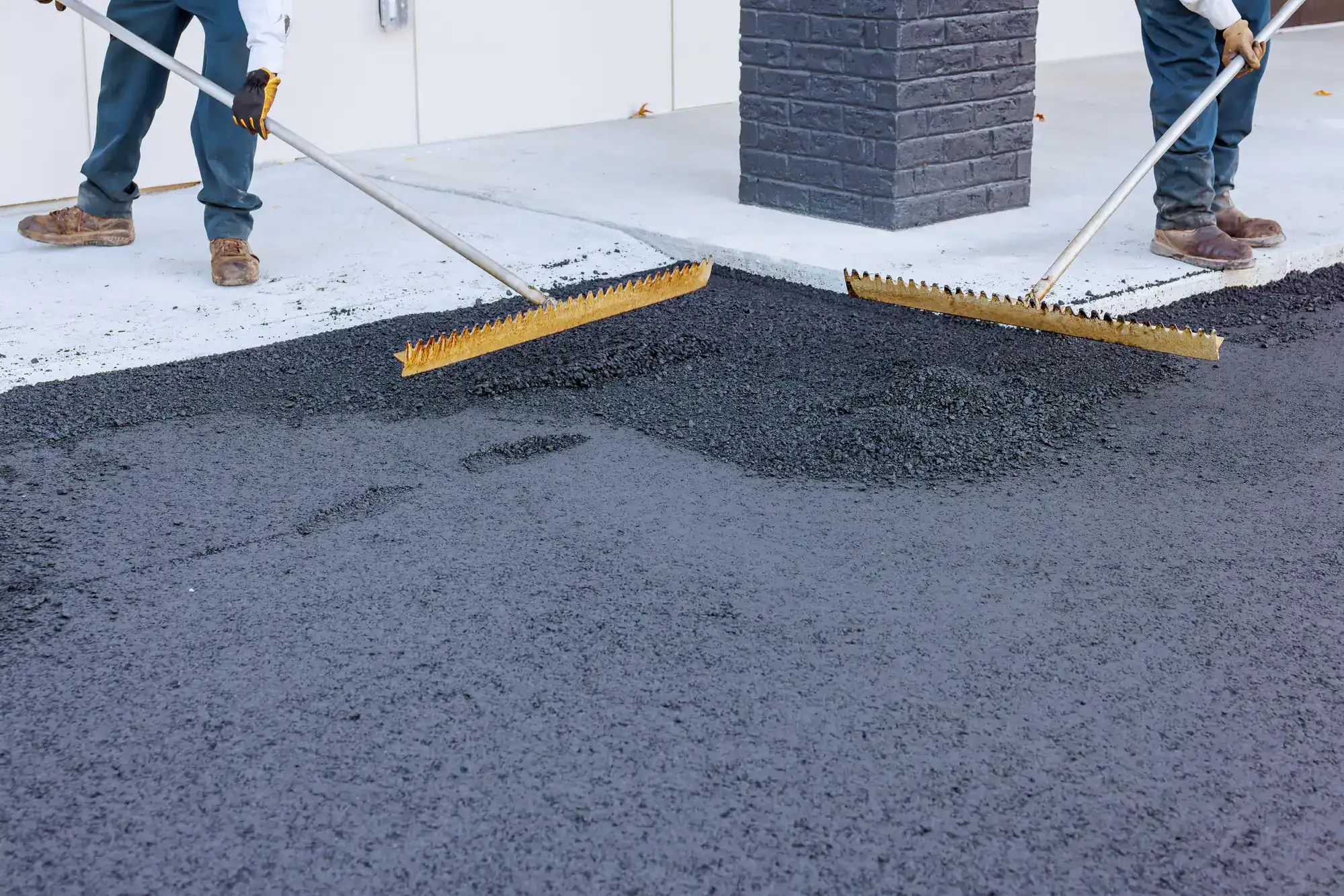
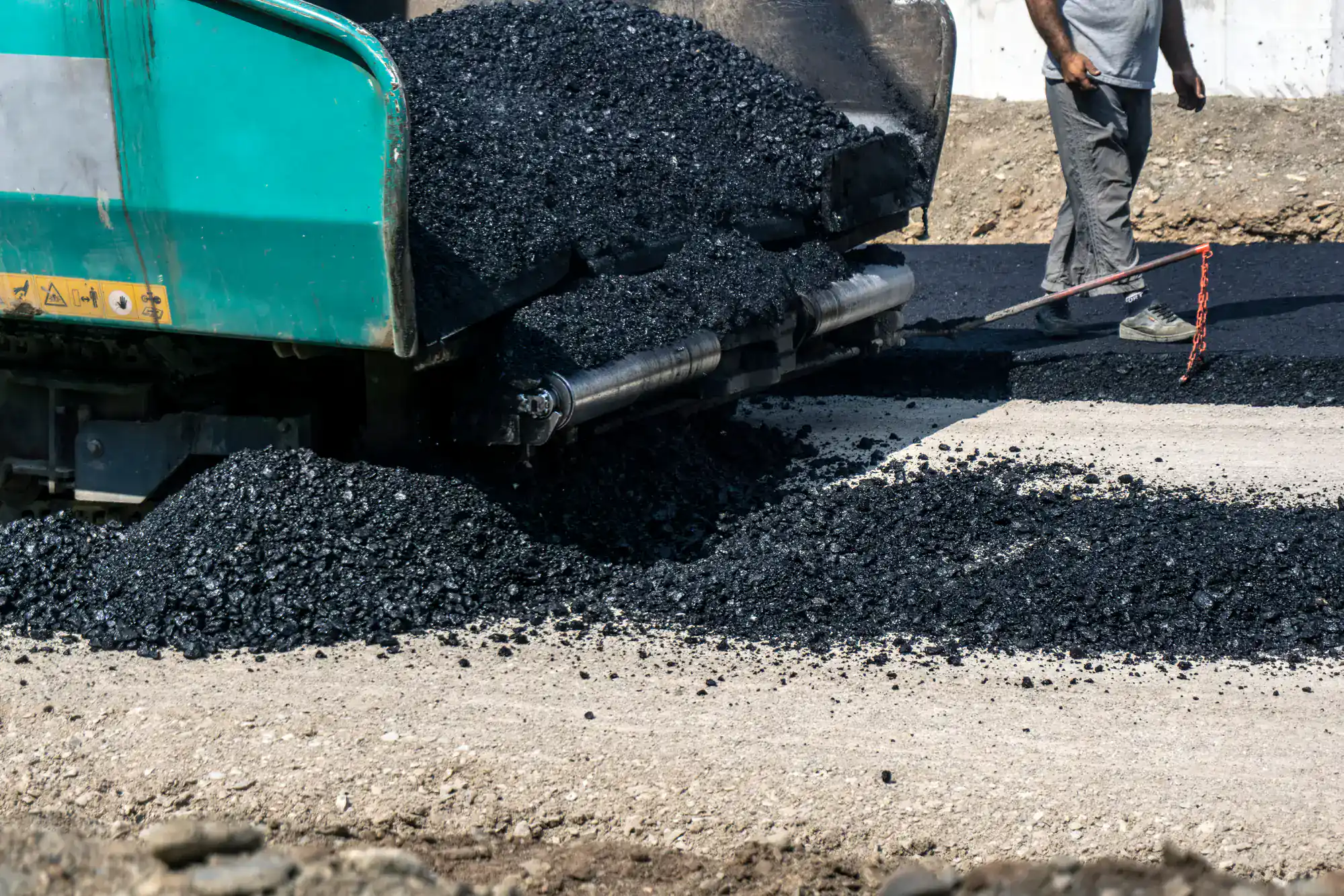
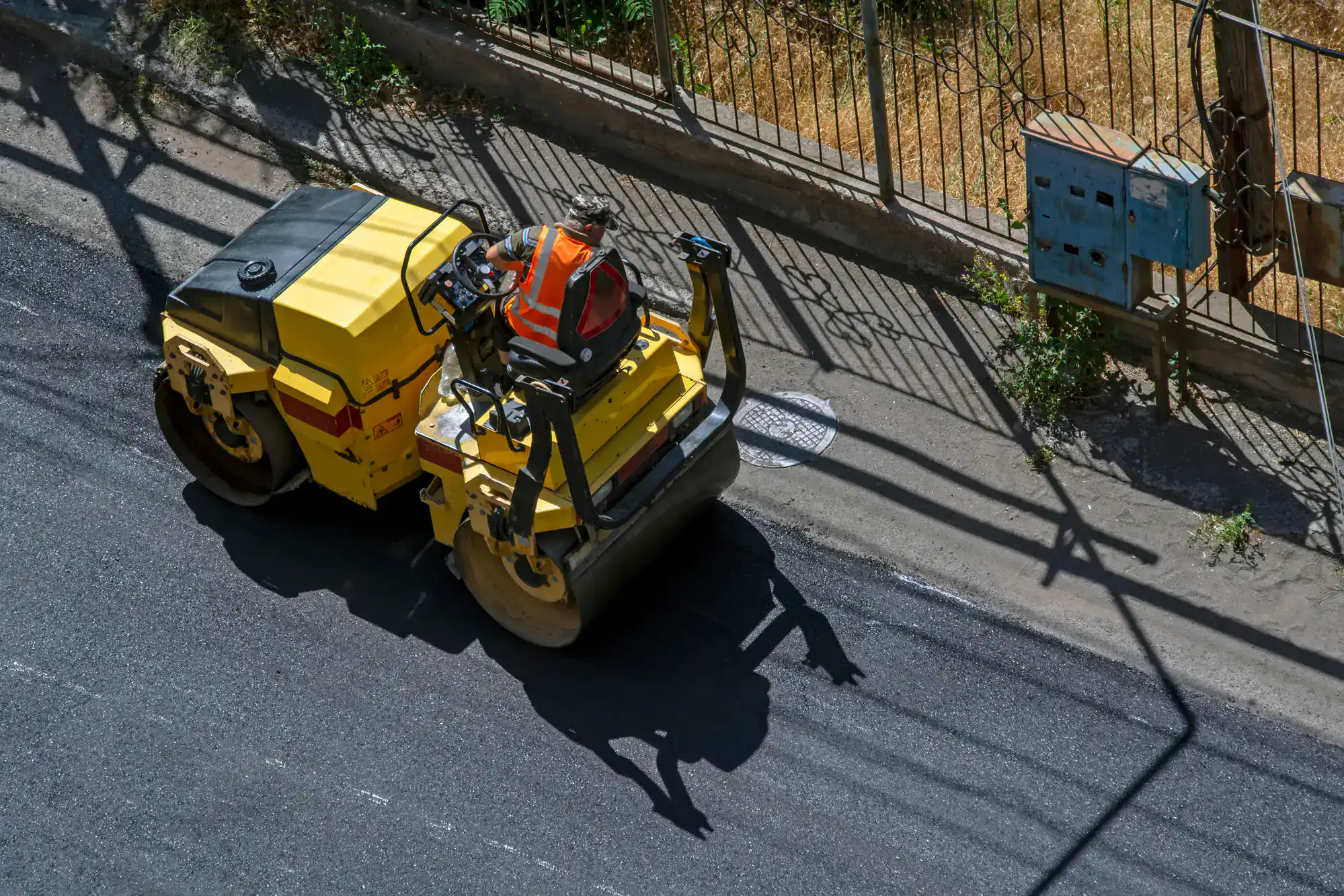
Then the asphalt installation happens. We use modern equipment to lay and compact the asphalt to the right thickness for commercial use. We work in sections when possible to keep parts of your lot accessible, minimizing disruption to your daily operations.
Final grading, striping, and cleanup follow. You’re left with a parking lot that’s ready for traffic, looks professional, and is built to handle Florida’s climate for years.
Ready to get started?
Commercial asphalt paving in Eloise Woods means dealing with specific local conditions. The soil composition in Central Florida requires proper base preparation—you can’t just pour asphalt over sugar sand and expect it to hold. The afternoon thunderstorms common in this area demand drainage solutions that move water off your lot quickly.
You get asphalt installation designed for commercial traffic volumes. That means the right thickness, proper compaction, and materials that won’t rut under delivery trucks or deteriorate under Florida’s UV exposure. The installation includes grading for drainage, which prevents the standing water that accelerates pavement breakdown.
The service also covers existing parking lot repair and resurfacing. If your current lot has isolated damage, you might not need full replacement. We evaluate what can be repaired versus what needs replacing, giving you options that fit your budget. Maintenance services like sealcoating and crack filling extend the life of your investment, often by 15 to 20 years when done on the right schedule.
Properly installed commercial asphalt in Florida typically lasts 15 to 25 years, but that range depends entirely on installation quality and maintenance. Florida’s climate is harder on asphalt than most regions—the intense UV exposure, extreme heat, and heavy rainfall all work to break down pavement faster.
The installation matters more than anything. If the base isn’t properly prepared and compacted, or if drainage isn’t designed correctly, you’ll see premature failure regardless of the asphalt quality. Standing water is one of the fastest ways to destroy a parking lot in Florida.
Regular maintenance extends that lifespan significantly. Sealcoating every few years protects against UV damage and water penetration. Crack filling prevents small issues from becoming major failures. With the right installation and consistent maintenance, you’re looking at 20+ years before needing replacement.
Asphalt repair addresses isolated damage—potholes, cracks, or small sections where the surface has failed. It’s the right choice when your base is still solid and the damage is limited to specific areas. We cut out the damaged section, prep it correctly, and install new asphalt that ties into the existing surface.
Full replacement becomes necessary when the damage is widespread or when the base has failed. If you’re seeing alligator cracking across large areas, significant settling, or drainage problems that affect the entire lot, patching won’t solve it. You need to remove the old surface, address the base issues, and start fresh.
The decision comes down to cost versus long-term value. Repairs cost less upfront but only make sense if the underlying structure is sound. Replacing a failing lot in sections just means you’ll be replacing the rest soon anyway. We evaluate your specific situation and tell you honestly which approach makes sense for your property and budget.
Most commercial paving projects are planned in phases to keep portions of your parking lot accessible throughout the work. We section off the work area, complete that section, then move to the next while the finished area opens back up. For businesses that can’t afford any downtime, work often happens overnight or during your slowest days.
The timeline depends on your lot size and scope. A typical commercial parking lot takes anywhere from a few days to a couple of weeks, but you’re not completely shut down that entire time. Asphalt can handle light traffic within 24 hours of installation, though it takes several days to fully cure.
Communication matters most. You should know the schedule before work starts—which areas will be closed when, where customers can park during each phase, and what to expect each day. We plan around your business needs and keep you updated to make the process manageable instead of chaotic.
Commercial parking lots handle significantly more weight and traffic than residential driveways, which means they require thicker asphalt and more robust base preparation. A residential driveway might use 2 to 3 inches of asphalt over a compacted base. Commercial lots typically need 3 to 4 inches or more, depending on the expected traffic load from delivery trucks and heavy vehicles.
The site prep is more complex. Commercial properties often require more extensive grading for proper drainage across a larger area. You might need curbing, striping, ADA-compliant spaces, and specific traffic flow patterns. The scale alone increases labor and material costs—you’re covering thousands of square feet instead of a few hundred.
There’s also the liability and regulatory aspect. Commercial work often requires permits, inspections, and compliance with local codes that don’t apply to residential projects. We need proper licensing and insurance to work on commercial properties. You’re paying for expertise, equipment, and accountability that matches the scope and risk of a commercial installation.
Experience in commercial work specifically, not just residential driveways. Commercial paving requires different equipment, techniques, and knowledge of traffic patterns, drainage requirements, and base preparation for heavier loads. Ask how long they’ve been doing commercial projects and request references from similar properties.
Transparent pricing matters. You should get a detailed written estimate that breaks down materials, labor, timeline, and exactly what’s included. Vague quotes or contractors who won’t commit to a price in writing are red flags. You need to know what you’re paying before work starts, not after.
Local reputation and accountability count more than anything. A contractor who’s been in your area for years has a track record you can verify. They’re not disappearing after the job. They understand local soil conditions, climate challenges, and permitting requirements. Check their licensing, insurance, and whether they offer any warranty on their work. A company that stands behind their installations will put that in writing.
Florida’s combination of intense UV exposure, extreme heat, and heavy rainfall creates a perfect storm for asphalt breakdown. The UV rays oxidize the asphalt binder faster here than in most other states, causing the surface to become brittle and crack prematurely. The heat makes asphalt more pliable, which can lead to rutting under heavy traffic, especially in truck routes or loading zones.
The rainfall is the other major factor. Florida gets more annual rainfall than almost anywhere else in the country, and it often comes in intense afternoon thunderstorms that dump inches of water in a short time. If your parking lot doesn’t have proper drainage, that water sits on the surface and works its way into any small cracks or weak points, accelerating deterioration from below.
This is why installation technique matters so much in Florida. The asphalt mix needs to be designed for high temperatures. The base must be properly compacted to prevent settling. Drainage has to be engineered to move water off quickly. And maintenance like sealcoating becomes more critical because it protects against that UV damage. Contractors who don’t understand these Florida-specific challenges install parking lots that fail years earlier than they should.
Other Services we provide in Eloise Woods