Learn how specialized asphalt maintenance protects your Polk County property from Florida's intense sun, heavy rains, and humidity while extending pavement life decades.
Share:
Summary:
While other states worry about freeze-thaw cycles and snow damage, Florida property owners face intense UV radiation, torrential summer rains, high humidity, and the occasional hurricane. These conditions accelerate asphalt deterioration in ways that standard northern maintenance approaches simply can’t address.
When you live in an area with a humid climate, maintaining your asphalt pavement will be a challenge. The increased exposure to moisture will degrade the quality of your pavement and lead to various problems like cracks, potholes, and rapid deterioration of the asphalt’s foundation. The climate in Florida is uniquely challenging for asphalt. The intense UV rays combined with humidity and rain constantly work together to undermine asphalt.
Understanding these specific threats is the first step toward effective protection. Your pavement needs maintenance strategies that account for Florida’s year-round assault on asphalt surfaces.
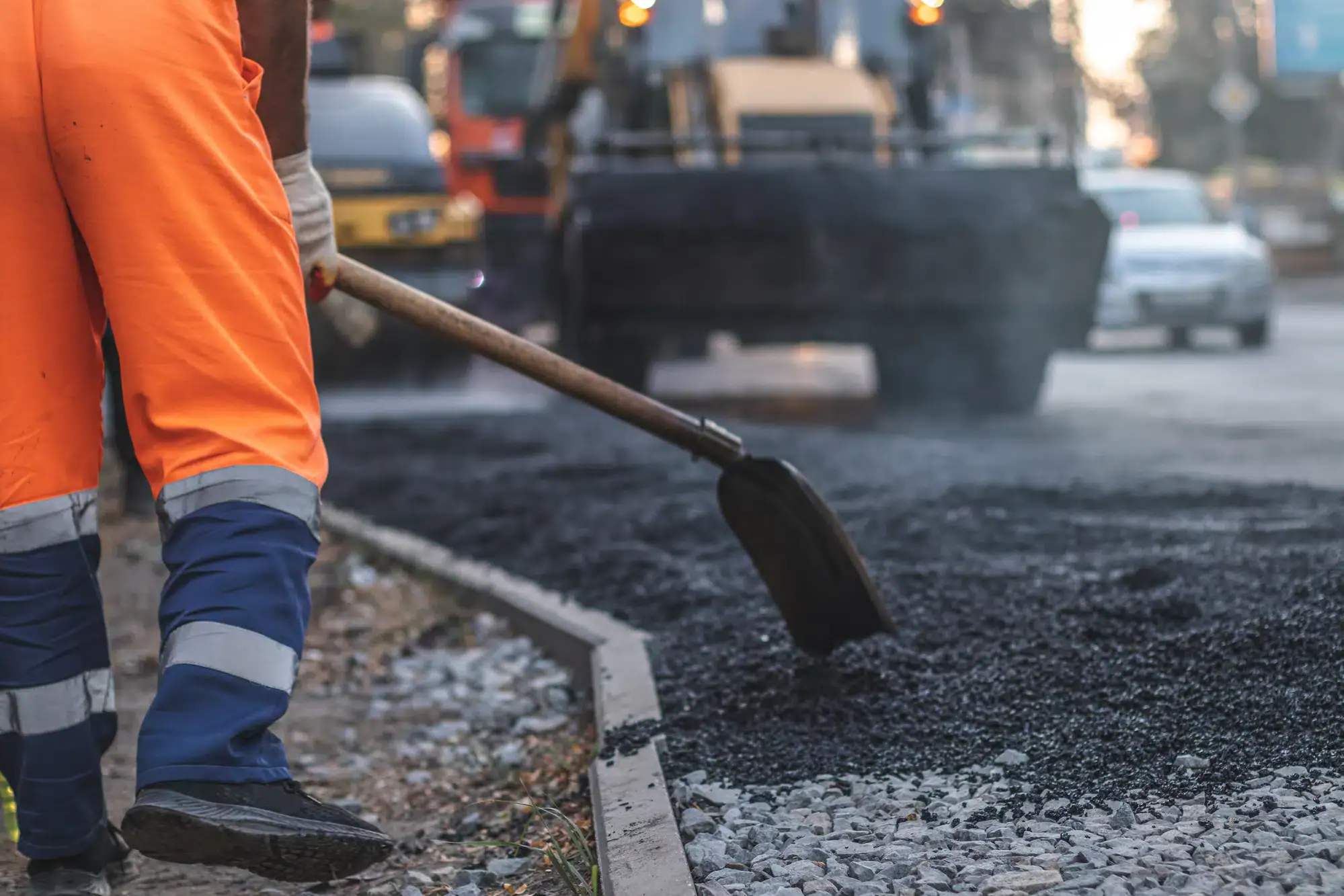
Florida’s relentless sunshine creates surface temperatures that regularly exceed 140°F, causing asphalt to soften and become vulnerable to damage. The relentless UV rays accelerate oxidation, causing the asphalt to dry out, fade, and crack. Florida’s intense sunlight causes asphalt to oxidize, leading to fading, brittleness, and surface cracks.
This oxidation process breaks down the binding agents that hold your pavement together. Ultraviolet (UV) rays from the sun break down many of the components of pavement, including the binders and aggregate. Just as sunscreen shields our skin from the sun’s rays, a sealcoat protects the asphalt from harmful UV rays.
Without proper protection, what starts as minor surface fading quickly becomes structural weakness. High humidity can cause the asphalt to soften, which eventually causes it to deform under heavy traffic loads. Rutting will set in, and the safety and functionality of the pavement will be compromised. The combination of heat and humidity creates conditions where your pavement literally becomes moldable under vehicle weight.
Temperature fluctuations add another layer of stress. Asphalt expands when it gets hot and contracts when it cools. Repeated cycles of expansion and contraction create small cracks that widen over time. Even without freezing, the constant shift in temperature makes the material more prone to surface fractures. When combined with heavy use from vehicles, these small cracks can spread quickly.
Professional maintenance addresses these temperature-related stresses through specialized materials and application timing that work with Florida’s climate rather than against it.
South Florida can see 50+ inches of rain annually, and frequent thunderstorms and poor drainage systems can lead to water seeping into cracks, weakening the base layers and creating potholes. Water infiltration represents the single greatest threat to asphalt longevity in our climate.
Water infiltration destroys more asphalt in Florida than anything else. Once water reaches the limestone base layer, it erodes the foundation and causes the surface to sag and crack. This process often begins invisibly, with hairline cracks allowing moisture to penetrate deep into the pavement structure.
Water that seeps into tiny cracks can undermine the base layers, leading to potholes or alligator cracking. What appears as minor surface cracking can indicate serious foundation problems developing beneath. Issues like cracks and breaks in the asphalt cap that are not fixed in a timely manner will severely shorten the lifespan of asphalt. Water can get through cracks and breaks in the asphalt cap, piercing the pavement’s sub-base and causing other issues with the asphalt pavement that cannot be seen at first glance.
Florida’s intense storm patterns make water protection critical. During storm season, Florida experiences torrential downpours. Water can seep into tiny cracks or porous asphalt, eroding the base layer and leading to potholes. Continued rain exposure accelerates deterioration, especially if proper sealcoating isn’t part of your parking lot maintenance plan.
Effective maintenance creates multiple barriers against water infiltration, from surface sealcoating to proper drainage design that moves water away before it can cause damage.
Want live answers?
Connect with a Central Florida Blacktop Paving expert for fast, friendly support.
Protecting your pavement requires a comprehensive approach that addresses Florida’s unique challenges. The most effective maintenance programs combine preventive treatments with timely repairs, creating layers of protection that work together to extend pavement life significantly.
Sealcoating every two to three years can boost your asphalt pavement’s life expectancy by up to 20 years when it’s done as part of a preventative maintenance program. However, sealcoating alone isn’t enough—you need a complete maintenance strategy designed for our climate.
Understanding which services to use when makes the difference between maintenance that actually works and expensive temporary fixes that fail quickly.
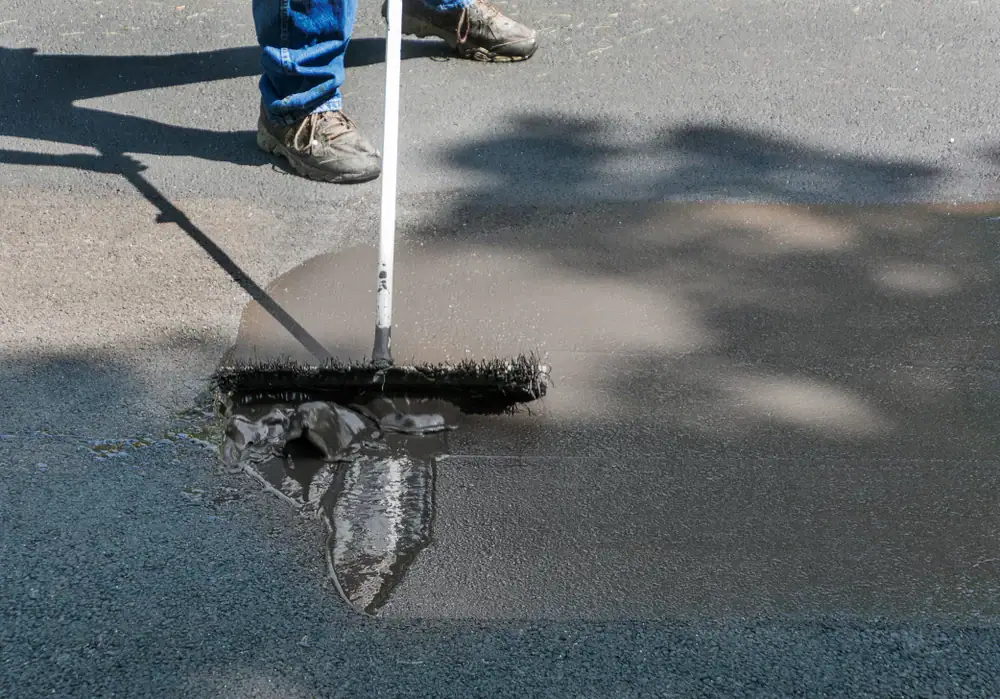
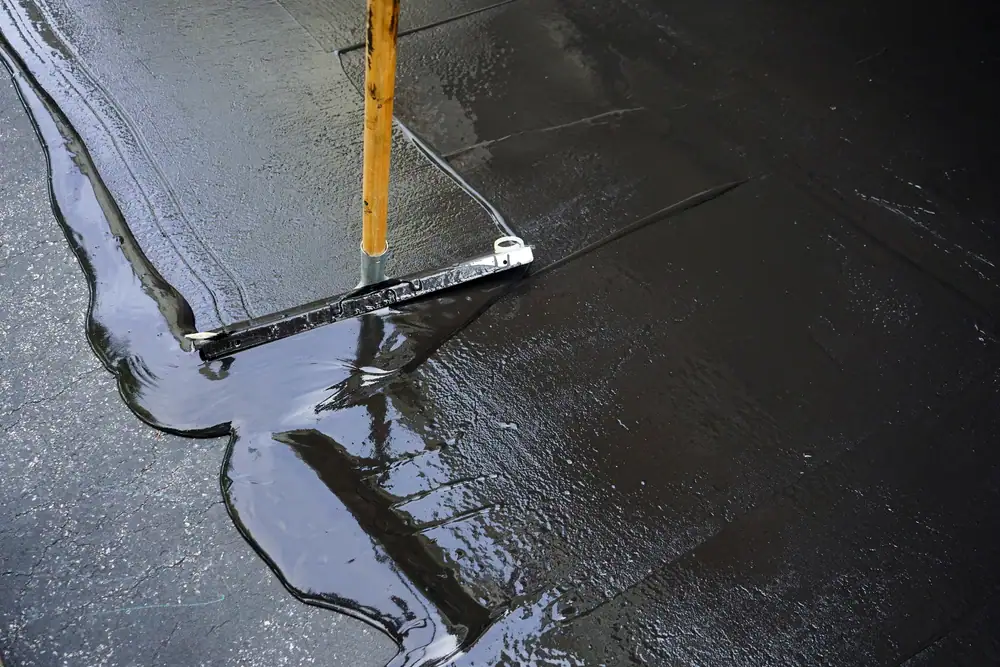
Sealcoating is a specialized protective layer that shields your asphalt from environmental hazards like water penetration, chemicals (oils), and UV rays. Sealcoating isn’t just black paint. It’s a specialized protective coating that shields your asphalt from water damage, UV rays, and chemical spills. Think of it as sunscreen for your parking lot.
In Florida’s demanding climate, timing and materials make all the difference. In Florida’s climate, we recommend sealcoating every 2-3 years for optimal protection. The intense sun, heavy rainfall, and high temperatures accelerate asphalt aging compared to northern climates. In Florida’s climate, parking lot sealcoating is recommended every 2–3 years, or more frequently for high-traffic areas. This schedule helps protect against sun, rain, and vehicle wear.
Professional sealcoating provides multiple benefits beyond surface protection. Sealcoating creates a waterproof layer that prevents moisture from seeping into the underlayers of the asphalt, lowering crack and pothole formation. It also shields against damaging UV rays, which can cause the surface to oxidize and become brittle. This dual protection against water and sun damage is especially crucial in Orlando’s climate where weather extremes can accelerate pavement deterioration.
The economic benefits are compelling. Most property owners are shocked to learn that sealcoating costs pennies per square foot while asphalt replacement runs $3-6 per square foot. The math is simple: invest a little now or pay a lot later. A properly maintained asphalt surface can last up to 25 years, while neglected pavement may require replacement in as little as 10 years. The cost of sealcoating services is minimal compared to the costs of replacing large sections of asphalt. By investing in seal coating your driveway or parking lot today, you significantly reduce future repair costs and extend the life of your asphalt.
Quality materials matter significantly in Florida’s harsh environment. We use commercial-grade asphalt emulsion sealers specifically formulated for Florida’s climate conditions. These materials provide superior UV protection, water resistance, and durability compared to basic retail products. The sealer contains additives that improve adhesion, flexibility, and longevity in high-temperature environments. We select the right product based on your traffic levels, exposure conditions, and performance requirements. Quality materials cost more upfront but deliver better protection and longer-lasting results.
When your pavement shows significant surface wear but maintains a solid foundation, resurfacing offers an excellent middle-ground solution. Resurfacing is particularly suitable for pavements that show signs of surface deterioration but still have a structurally sound foundation. This includes minor cracks or wearing away of the surface layer of damaged asphalt, where the damage hasn’t yet penetrated the deeper layers of asphalt. In scenarios where the new surface of the pavement is aging but not severely damaged, resurfacing offers a practical and cost-effective solution. It revitalizes the appearance of the asphalt, extends its lifespan, and improves safety, all without the need for a complete overhaul.
Cost-Effective: Less expensive than a full replacement. Time-Efficient: Can be completed quickly, minimizing disruption. Extends Pavement Life: Adds years to your asphalt’s lifespan. For Florida properties, this translates to significant savings while addressing climate-specific wear patterns.
The resurfacing process involves careful evaluation of existing conditions. You can generally only resurface asphalt driveways and lots if: The foundation is in good condition. There are no deep or wide cracks. The surface is less than 20 years old. Less than about a quarter of the surface needs repairs. If your surface meets all those conditions, resurfacing is a great way to extend the life of the asphalt. It also looks smooth, with no awkward edges or colors.
The amount of time asphalt can go between resurfacing is highly dependent on the weather conditions in the area. In sunny Florida, asphalt resurfacing may need to occur on a more frequent basis than in other locations. This is because the UV radiation from the hot Florida sun can cause asphalt cracks to form quicker. As the sun starts to oxidize the oils found in the asphalt, cracks and damage are more likely to form. Generally, resurfacing is recommended every 15 to 20 years.
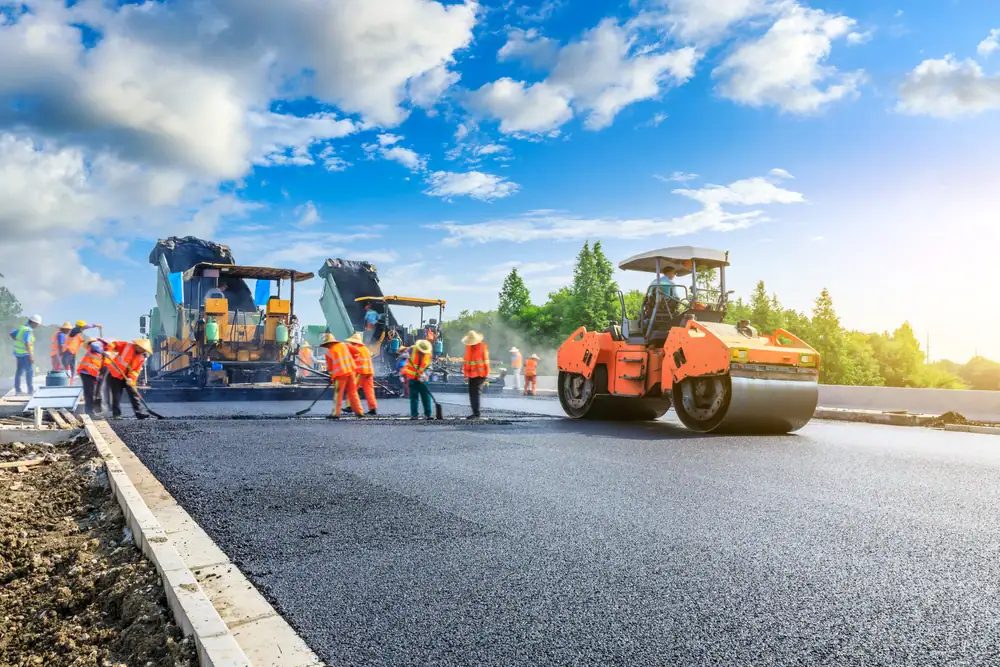
Professional resurfacing addresses Florida-specific challenges through specialized techniques. Florida asphalt resurfacing involves milling, or the removal, of the top layer of damaged asphalt. This layer is then replaced with a new, fresh layer of asphalt. By remedying small cracks and deterioration with blacktop resurfacing, property owners can ensure that incoming guests and customers experience a nicer, smoother ride.
Understanding when resurfacing makes sense versus when replacement is necessary requires professional evaluation of your pavement’s condition and the extent of underlying damage.
Without proper maintenance, typical asphalt pavement in Florida lasts about 10 to 15 years. However, with proper maintenance, asphalt pavement can last 25 years or more! The difference between premature failure and decades of reliable service lies in choosing maintenance approaches specifically designed for Central Florida’s demanding environment.
Your pavement represents a significant investment that deserves protection from contractors who understand local challenges. Most paving companies treat Florida like anywhere else. They use standard materials, generic techniques, and wonder why their work fails in a few years. You end up paying twice – once for the original job, then again for premature repairs. This isn’t just paving – it’s Florida-specific expertise that prevents the early failures you see everywhere else. When your neighbor’s driveway is cracking after three years, yours will still look new. When other parking lots are developing potholes, yours will be smooth and professional.
We provide the specialized knowledge and proven techniques that make the difference between maintenance that works and expensive disappointment. Central Florida Blacktop Paving Inc. was founded on a simple principle: Florida’s asphalt needs specialists who understand the challenges of our climate. By focusing exclusively on Asphalt paving, resurfacing, and maintenance, we’ve developed the expertise and equipment needed to deliver results that last in Florida’s demanding environment. Every project we take on—no matter if it’s a small residential driveway in Lakeland or a large commercial parking lot in Winter Haven—gets the benefit of our specialized knowledge and commitment to quality workmanship.
Article details:
Share:
Continue learning: