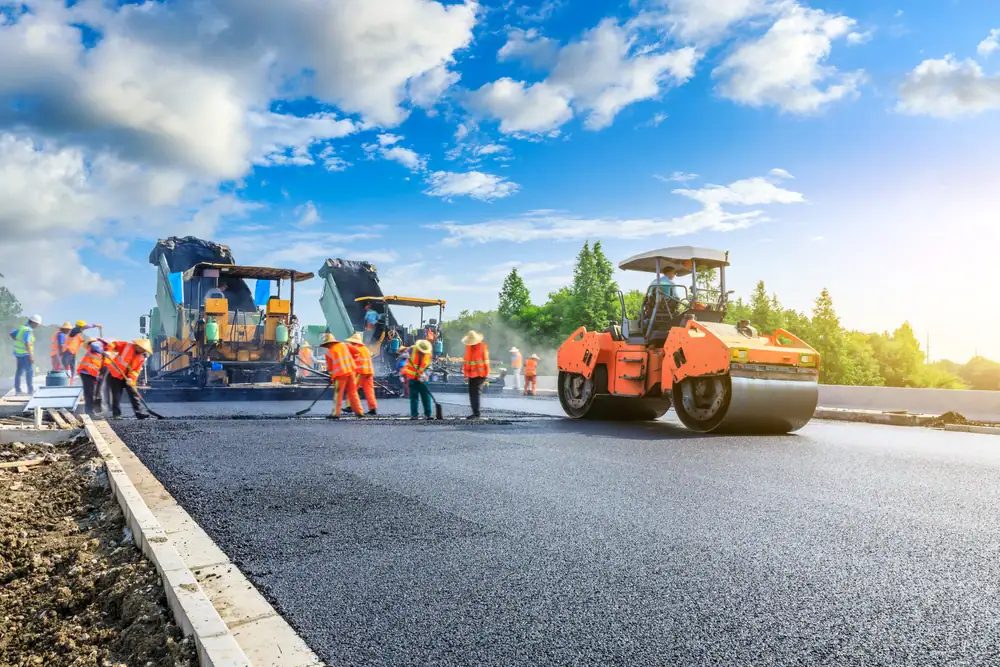
Professional gravel and grading isn't just site prep—it's the foundation that determines whether your road lasts 5 years or 50 years.
Share:
Summary:
Professional gravel and grading involves systematically shaping and preparing land surfaces to create stable foundations and establish proper drainage patterns before any paving begins. Think of it as engineering the invisible support system that determines whether your road investment succeeds or fails.
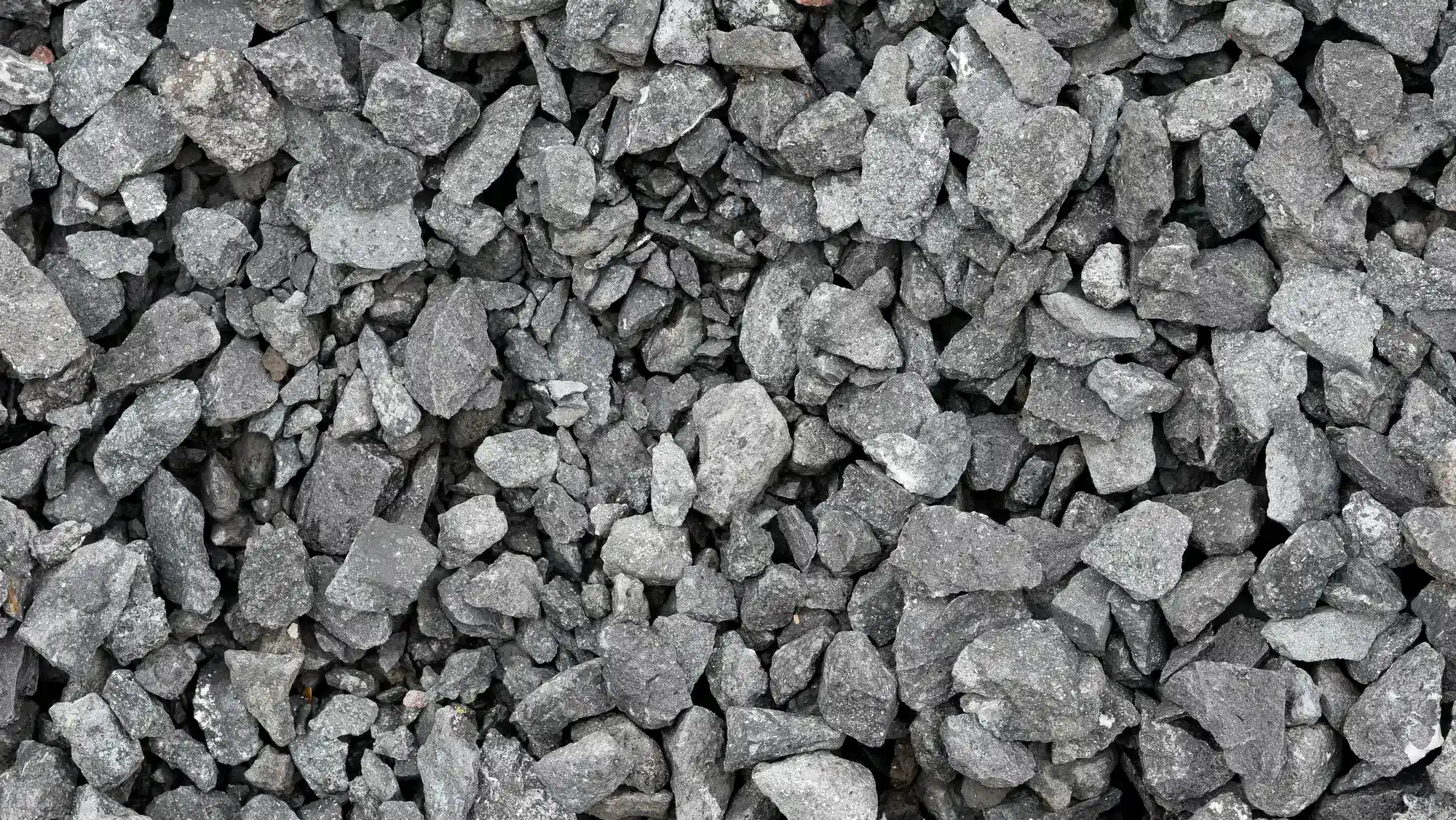
The process goes far beyond simply leveling dirt. It requires understanding soil composition, calculating load-bearing requirements, and designing drainage systems that can handle Central Florida’s intense rainfall patterns. Every slope, every layer of material, and every compaction pass serves a specific engineering purpose.
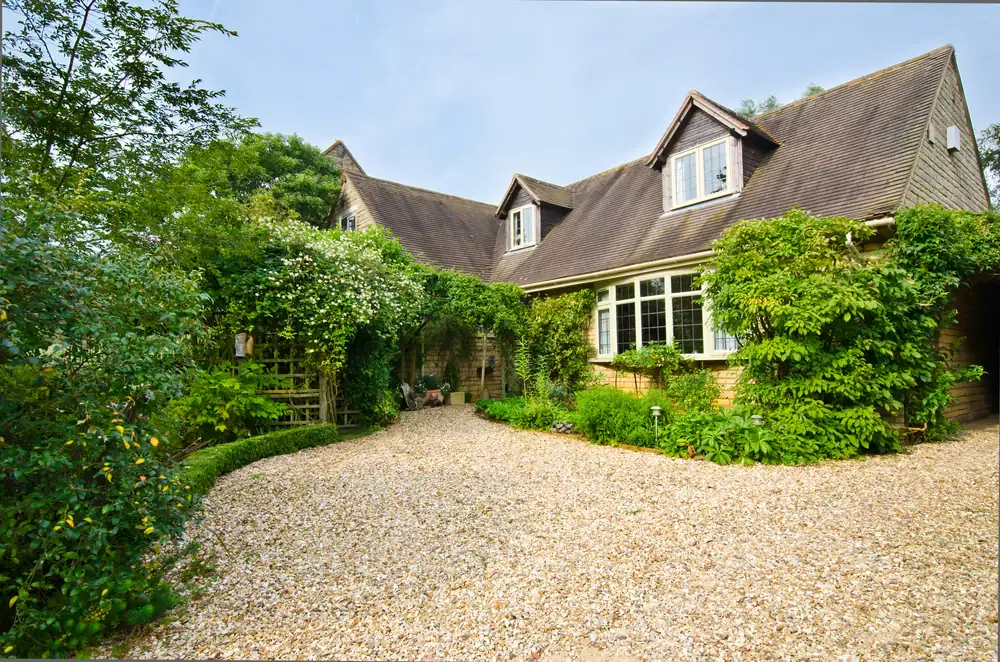
Polk County presents unique challenges that many contractors underestimate. Clay soils, common throughout parts of the county, expand and contract with moisture changes, creating instability that can destroy improperly prepared road bases. These clay areas require special handling techniques to prevent future settling and drainage problems that plague roads built without proper soil analysis.
Sandy soils present the opposite challenge—they drain well but lack the stability needed for heavy loads without proper stabilization. Many contractors treat all soil the same way, leading to premature failures when the foundation can’t support the intended use.
The key lies in soil evaluation before any work begins. Professional grading starts with understanding exactly what you’re building on, then selecting the right materials and techniques for those specific conditions. This might mean over-excavating clay areas and replacing them with engineered fill, or stabilizing sandy soils with binding agents that create the load-bearing capacity your road needs.
In Polk County’s environment, where recent flooding challenges have highlighted drainage issues, proper soil preparation becomes even more critical. Contractors who skip this evaluation step are essentially gambling with your investment—and the odds aren’t in your favor.
Subgrade preparation is where road longevity is actually determined, though most people never see this critical work. The subgrade—the layer of prepared soil beneath everything else—must provide uniform support while handling the dynamic loads of traffic and the environmental stresses of Central Florida’s climate.
Professional subgrade preparation starts with achieving the right density through proper compaction techniques. This isn’t just running equipment over the surface—it requires understanding moisture content, soil type, and compaction specifications that ensure the foundation can support expected loads without settling or shifting over time.
The process involves removing unsuitable materials, treating problem soils, and building up the subgrade to precise elevations and slopes. Every square foot must meet engineering standards for density and stability, because any weak spots will eventually telegraph through to the surface as cracks, potholes, or structural failures.
Modern subgrade preparation uses GPS-guided equipment and laser levels to achieve the precision needed for long-term performance. This technology ensures consistent grades and proper drainage patterns that prevent the water infiltration issues that destroy roads from the bottom up.
The difference between professional subgrade preparation and basic site work shows up years later in maintenance costs and surface performance. Roads built on properly prepared subgrades require minimal repairs and maintain their structural integrity for decades, while those built on inadequate foundations begin failing within the first few years.
Want live answers?
Connect with a Central Florida Blacktop Paving expert for fast, friendly support.
Water is the single most destructive force affecting road longevity in Central Florida. Proper drainage design isn’t optional—it’s the difference between a road that survives decades of storms and one that deteriorates after the first heavy rain season.
Professional grading creates specific slopes and contours that direct water away from the road structure and prevent the pooling that undermines foundations. This requires understanding local rainfall patterns, soil permeability, and downstream drainage capacity to design systems that actually work when you need them most.
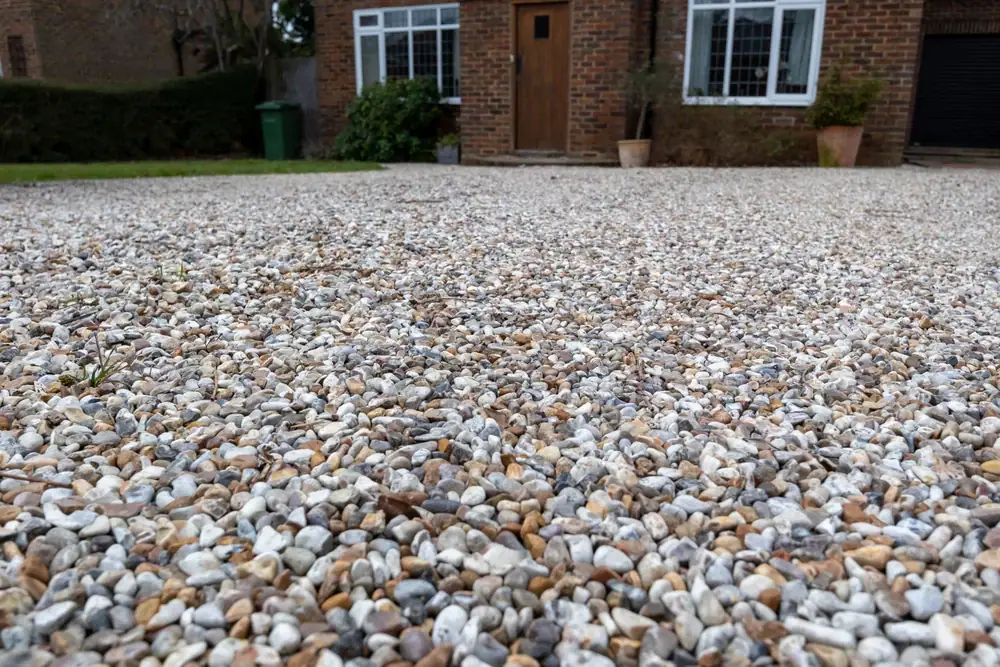
Florida’s combination of intense heat, high humidity, and heavy rainfall creates challenges that standard grading approaches can’t handle. The state’s frequent afternoon thunderstorms can dump several inches of rain in a short period, testing drainage systems beyond their design limits if they weren’t properly engineered for local conditions.
Temperature fluctuations also affect road bases differently here than in northern climates. Materials that work well in cooler, drier conditions may not provide the stability needed when subjected to Florida’s heat cycles and moisture variations. This is why using local expertise matters—contractors who understand these regional challenges can select materials and techniques that perform reliably in Central Florida’s environment.
Professional grading in Florida often incorporates retention areas, swales, and other drainage features that go beyond basic slope design. These systems must be sized and positioned to handle not just normal rainfall, but the extreme weather events that occur regularly in our climate.
Grading contractors who treat Florida like any other location are setting up your project for problems. Successful long-term performance requires understanding how local conditions affect everything from material selection to construction timing, and adjusting techniques accordingly.
The consequences of inadequate grading and drainage in Central Florida go far beyond minor maintenance issues. Poor drainage leads to water infiltration that weakens the road base, causing structural failures that require complete reconstruction rather than simple repairs.
Standing water creates safety hazards and liability concerns for property owners, while also providing breeding grounds for mosquitoes and other pests. The pooling water that results from improper grading accelerates pavement deterioration through freeze-thaw cycles and chemical breakdown of asphalt binders.
Inadequate subgrade preparation shows up as uneven surfaces, premature cracking, and sections that sink or shift under traffic loads. These problems typically appear within the first few years after construction, turning what should have been a long-term investment into an ongoing maintenance expense.
The financial impact extends beyond repair costs. Roads that fail prematurely disrupt operations, create safety concerns, and often require emergency fixes that cost far more than proper initial construction would have. Property owners dealing with failed drainage systems may also face regulatory issues if runoff affects neighboring properties or public waterways.
Professional grading prevents these problems by addressing them during the design and construction phase, when solutions are most cost-effective. The investment in proper site preparation pays dividends for decades in reduced maintenance costs and reliable performance.
Professional gravel and grading represents the foundation of road longevity in Central Florida’s demanding environment. The invisible work that happens beneath the surface—proper subgrade preparation, engineered drainage systems, and materials selected for local conditions—determines whether your road investment succeeds for decades or requires costly repairs within a few years.
The expertise required goes beyond basic earthwork to encompass soil science, drainage engineering, and understanding of regional climate challenges. When you’re ready to build a road that can handle Central Florida’s unique demands, we bring the local knowledge and technical expertise needed to get it right the first time.
Your road’s longevity starts with the foundation—make sure it’s built to last.
Article details:
Share:
Continue learning: