Discover why Polk County property owners trust local experts for asphalt paving that survives Florida's intense heat, UV rays, and severe weather.
Share:
Summary:
Your asphalt faces challenges that northern climates never see. Florida’s year-round heat cycles cause constant expansion and contraction, creating stress fractures that grow into major cracks. UV radiation breaks down the binding oils in asphalt, making it brittle and prone to cracking.
But heat isn’t your only enemy. Florida’s humidity creates air gaps in poorly installed asphalt, weakening the entire structure. When those sudden afternoon thunderstorms hit, water infiltrates through even tiny cracks, washing away the foundation materials beneath your pavement.
The result? What should last 20+ years fails in just 5-7 years, costing you thousands in premature replacement costs.
Polk County’s intense sun exposure accelerates asphalt oxidation faster than almost anywhere else in the country. UV rays cause a chemical reaction where light oils combine into heavier oils, reducing the binding agents that hold your pavement together. This process makes asphalt brittle and creates the perfect conditions for cracking.
Surface temperatures on Florida asphalt can reach 140°F or higher during summer months. At these temperatures, the molecular bonds holding asphalt together become malleable, allowing heavy vehicles to create permanent depressions and ruts. You’ve probably seen this yourself—tire marks embedded in parking lots after particularly hot days.
The oxidation process also causes that telltale color change from rich black to dull gray. While fading might seem purely cosmetic, it’s actually a warning sign that your asphalt’s protective properties are breaking down. Once oxidation begins, it accelerates rapidly without proper maintenance.
Temperature fluctuations make the problem worse. Asphalt expands during scorching days and contracts during cooler nights or sudden storms. This constant expansion and contraction creates internal stress that manifests as surface cracks. Small cracks quickly become major problems when Florida’s frequent rain finds its way into these openings.
We use specific techniques to combat these challenges. This includes proper mix design, adequate thickness for local conditions, and timing installations to avoid the most extreme weather periods.
Florida receives over 50 inches of rainfall annually, much of it during intense summer thunderstorms that dump several inches in just hours. This water doesn’t just sit on your asphalt surface—it actively seeks ways to penetrate and cause damage from within.
Water infiltration begins with seemingly minor surface cracks. Once water penetrates these cracks, it reaches the base materials beneath your asphalt. Over time, this water washes away the foundation materials, creating voids that cause the asphalt above to sink, crack, or completely fail.
The freeze-thaw cycle that damages northern pavements isn’t your primary concern in Polk County. Instead, you’re dealing with wet-dry cycles that are equally destructive. Water saturates base materials during storms, then rapid evaporation during hot, sunny periods creates movement and settling that cracks asphalt from below.
Poor drainage compounds these problems exponentially. Standing water on asphalt surfaces accelerates oxidation and provides constant opportunities for infiltration. Areas where water pools regularly will fail much faster than properly drained sections.
This is why proper installation includes more than just laying asphalt. We address drainage during the planning phase, ensure proper base preparation, and use techniques that minimize water infiltration opportunities. We also understand that maintenance isn’t optional in Florida’s climate—it’s essential for protecting your investment.
Want live answers?
Connect with a Central Florida Blacktop Paving expert for fast, friendly support.
Maintenance isn’t just about making your pavement look good—it’s about preventing expensive failures that cost thousands to repair. Florida’s climate demands a proactive approach that addresses problems before they become major issues.
The key is understanding that different types of damage require different solutions. Surface oxidation needs sealcoating protection, while structural issues require professional repair. Trying to fix structural problems with surface treatments wastes money and delays proper solutions.
Smart property owners develop maintenance schedules based on their specific conditions, not generic recommendations that don’t account for Florida’s unique challenges.
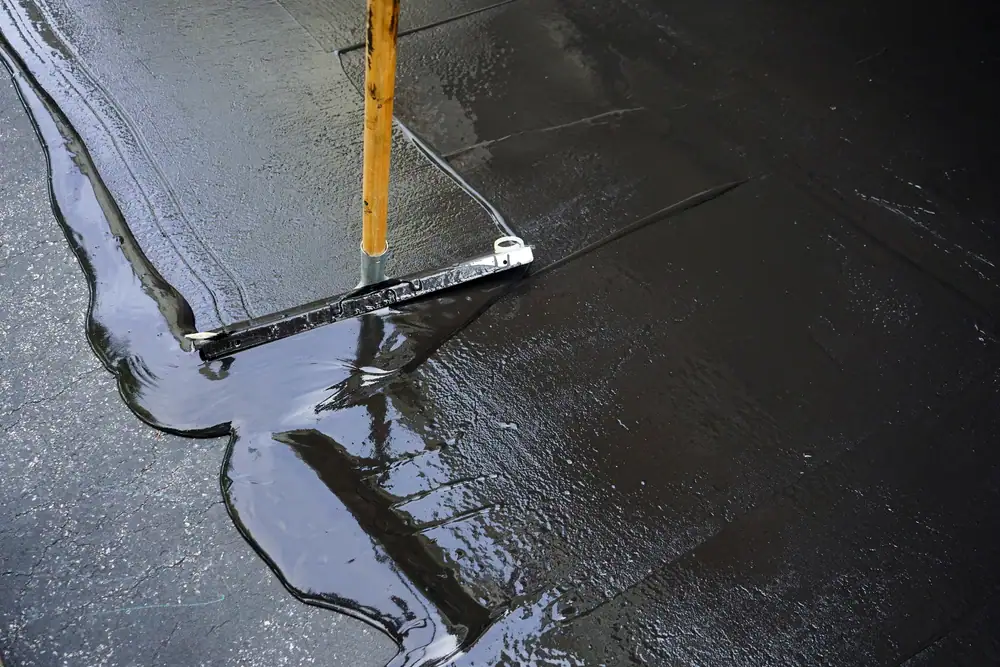
Sealcoating creates a protective barrier against two of Florida’s biggest asphalt enemies: UV radiation and water infiltration. But timing and application quality make the difference between protection and wasted money.
New asphalt needs time to cure before sealcoating—typically 6-12 months depending on conditions. Applying sealcoat too early can actually trap moisture and cause problems. However, waiting too long allows oxidation to begin, reducing the effectiveness of future sealcoating applications.
Quality sealcoating should be reapplied every 2-3 years in Florida’s climate, but this varies based on traffic levels, sun exposure, and drainage conditions. High-traffic areas or surfaces with poor drainage may need more frequent attention.
The application process matters enormously. We prepare surfaces properly, address existing cracks before sealcoating, and apply materials under optimal weather conditions. DIY sealcoating rarely provides the same level of protection because proper surface preparation and application techniques require professional equipment and experience.
Sealcoating also restores that rich black appearance that enhances curb appeal and property values. For commercial properties, this professional appearance directly impacts customer perceptions and can influence business success.
Don’t fall for cheap sealcoating that uses inferior materials or shortcuts application processes. Quality sealcoating costs more initially but provides significantly better protection and longer-lasting results.
Emergency asphalt repairs cost 3-5 times more than planned maintenance, but many property owners still wait until problems become urgent. Understanding the real costs of reactive maintenance versus proactive care changes how smart property owners approach asphalt management.
A small crack that could be sealed for under $100 can become a pothole requiring hundreds of dollars in repairs within a single storm season. More seriously, water infiltration through ignored cracks can undermine base materials, requiring complete section replacement that costs thousands.
Emergency repairs also create liability concerns for commercial properties. Potholes and significant cracks pose safety hazards that could result in injury claims. Property managers who stay ahead of these issues avoid both repair costs and potential legal problems.
Planned maintenance allows you to address multiple issues efficiently during a single service call. Contractors can seal cracks, apply sealcoating, and handle minor repairs all at once, reducing per-unit costs significantly compared to individual emergency calls.
The timing of planned maintenance also allows for better scheduling around business operations or personal convenience. Emergency repairs happen when problems become urgent, often at inconvenient times and with limited contractor availability that drives up costs.
We often provide maintenance programs that include regular inspections and scheduled services. These programs typically cost less annually than a single major emergency repair, while providing much better long-term results.
Consider maintenance an investment in avoiding future problems rather than an expense. Property owners who think this way consistently spend less on asphalt over time while maintaining better-looking, safer surfaces.
Your asphalt investment deserves contractors who understand Florida’s unique challenges and have the experience to deliver lasting results. Look for local expertise, proper licensing and insurance, and a track record of successful projects in similar conditions.
The lowest bid rarely provides the best value when dealing with Florida’s demanding climate. Focus on contractors who explain how they address local challenges, use appropriate materials and techniques, and stand behind their work with meaningful warranties.
At Central Florida Blacktop Paving Inc., we’ve built our reputation on understanding exactly what your pavement faces in Polk County’s climate and delivering solutions that last. When you’re ready to protect your asphalt investment with professional expertise, we’re ready to help.
Article details:
Share:
Continue learning: