Private Roads in West Park, FL

Roads Built Right the First Time

Your private road connects everything that matters—your property, your investment, your peace of mind. We build asphalt roads that handle Florida weather, heavy use, and time.
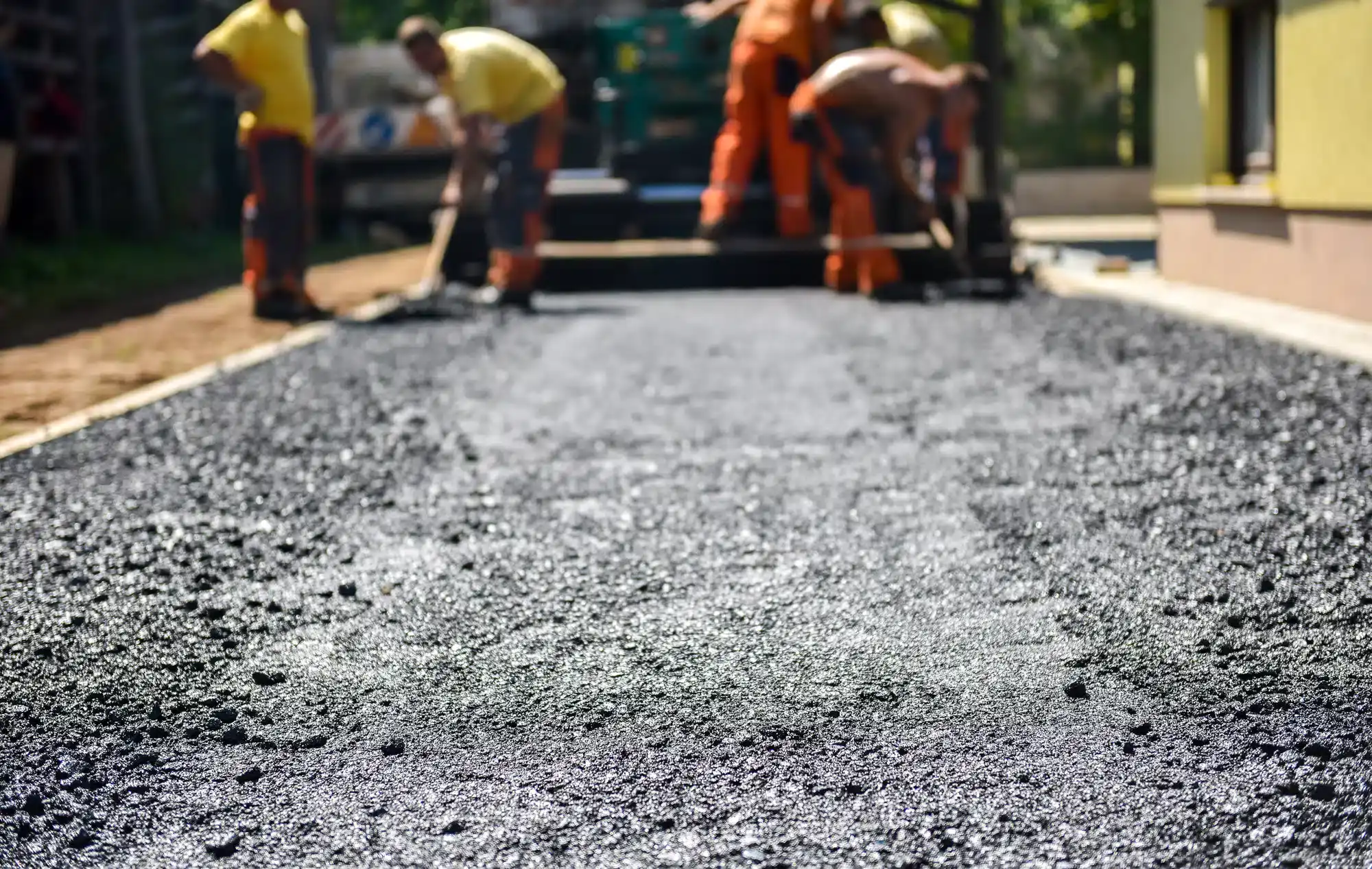
Central Florida Blacktop Paving team laying asphalt during road paving.

Hear from Our Customers

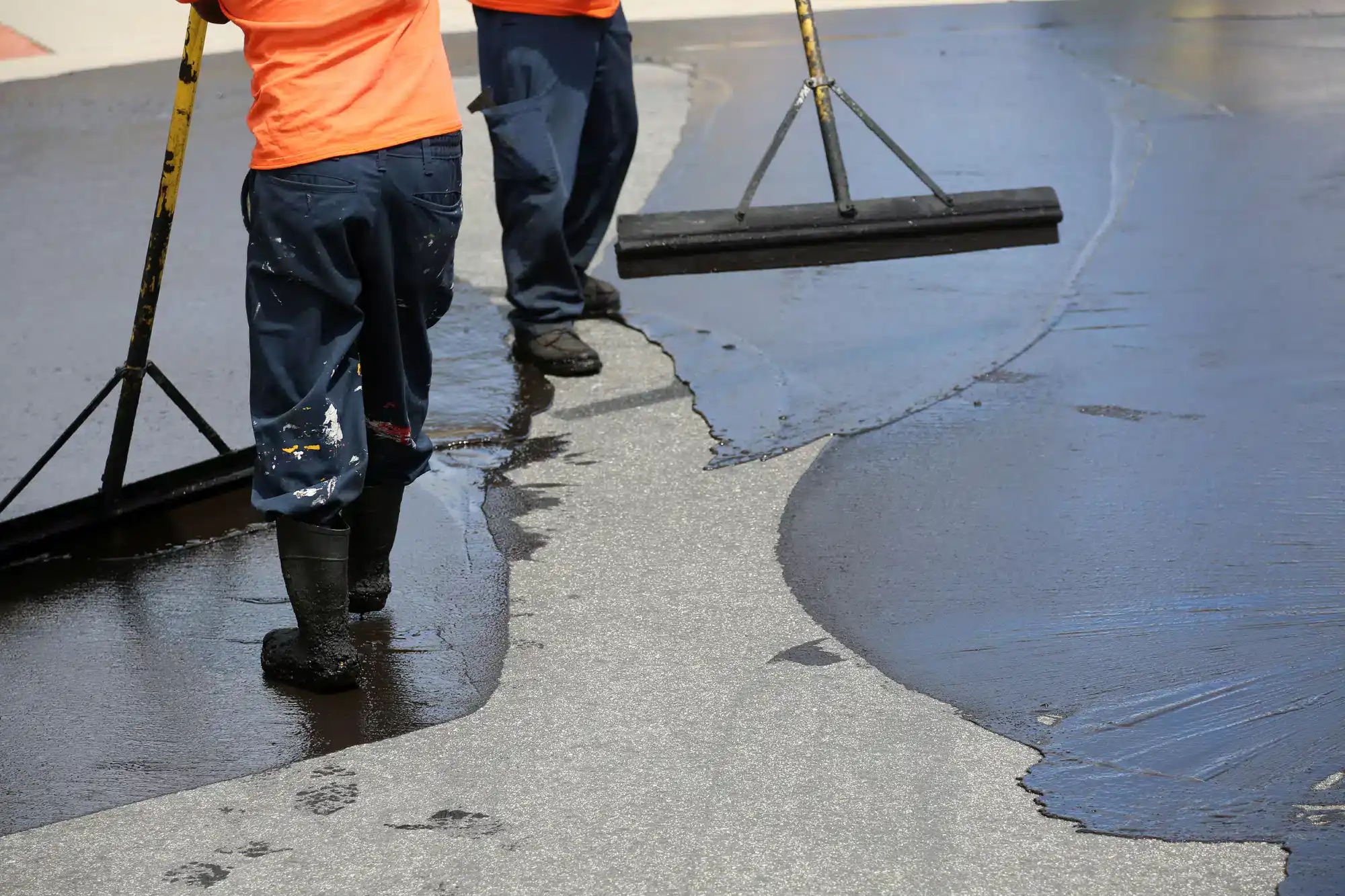
Central Florida Blacktop Paving worker performing flexible asphalt paving.

West Park Private Road Services

What You Get When It's Done Right

No more dodging potholes or explaining to visitors why your road looks like a construction zone. A properly paved private road means smooth access, better property values, and one less thing to worry about.

Your vehicles last longer. Emergency services can reach you without issue. Guests arrive impressed, not concerned about their suspension. Rain drains where it should instead of pooling in ruts and creating bigger problems.

West Park Asphalt Contractors

We Know Florida Roads

We understand what works in West Park’s climate. We’ve seen what happens when private roads aren’t built for Florida’s heat, storms, and sandy soil conditions.

Our team handles the permitting, coordinates with your HOA when needed, and builds roads that meet local codes the first time. We work with residential communities, commercial properties, and industrial facilities throughout Broward County.
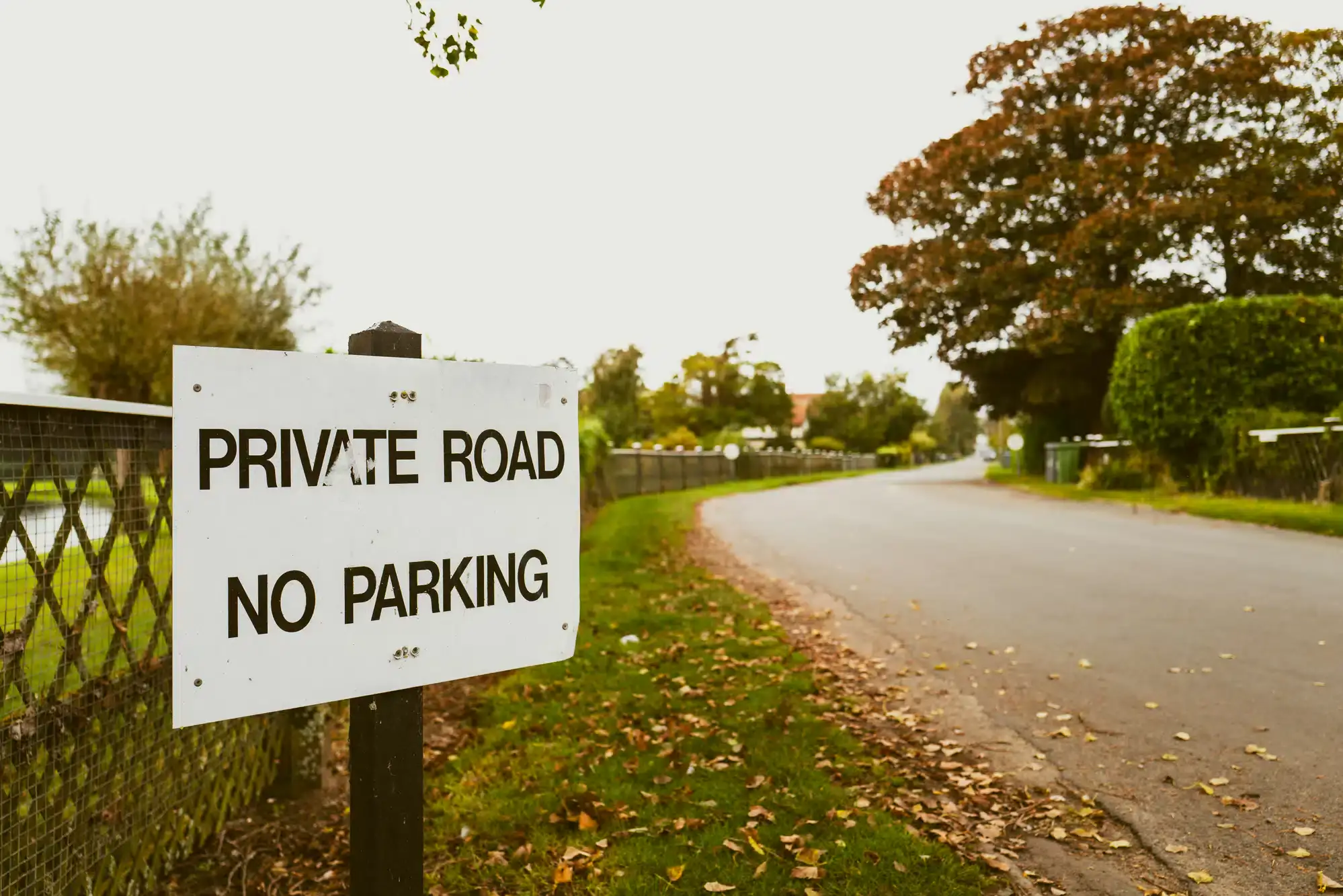
High-quality asphalt private road with no parking, lined by trees and greenery, ideal for residential areas.

Private Road Construction Process

From Dirt Path to Finished Road

First, we assess your site and handle permit requirements. Most private roads in West Park need approval from Broward County, and we know exactly what they’re looking for.

Next comes site preparation—grading, drainage planning, and base work. This foundation determines how long your road lasts. We use proper aggregate base depths and ensure water flows away from the pavement.

Finally, we lay and compact the asphalt. The thickness depends on expected traffic, but residential private roads typically need 2-3 inches over a 6-8 inch base. Commercial or heavy-use roads require more.
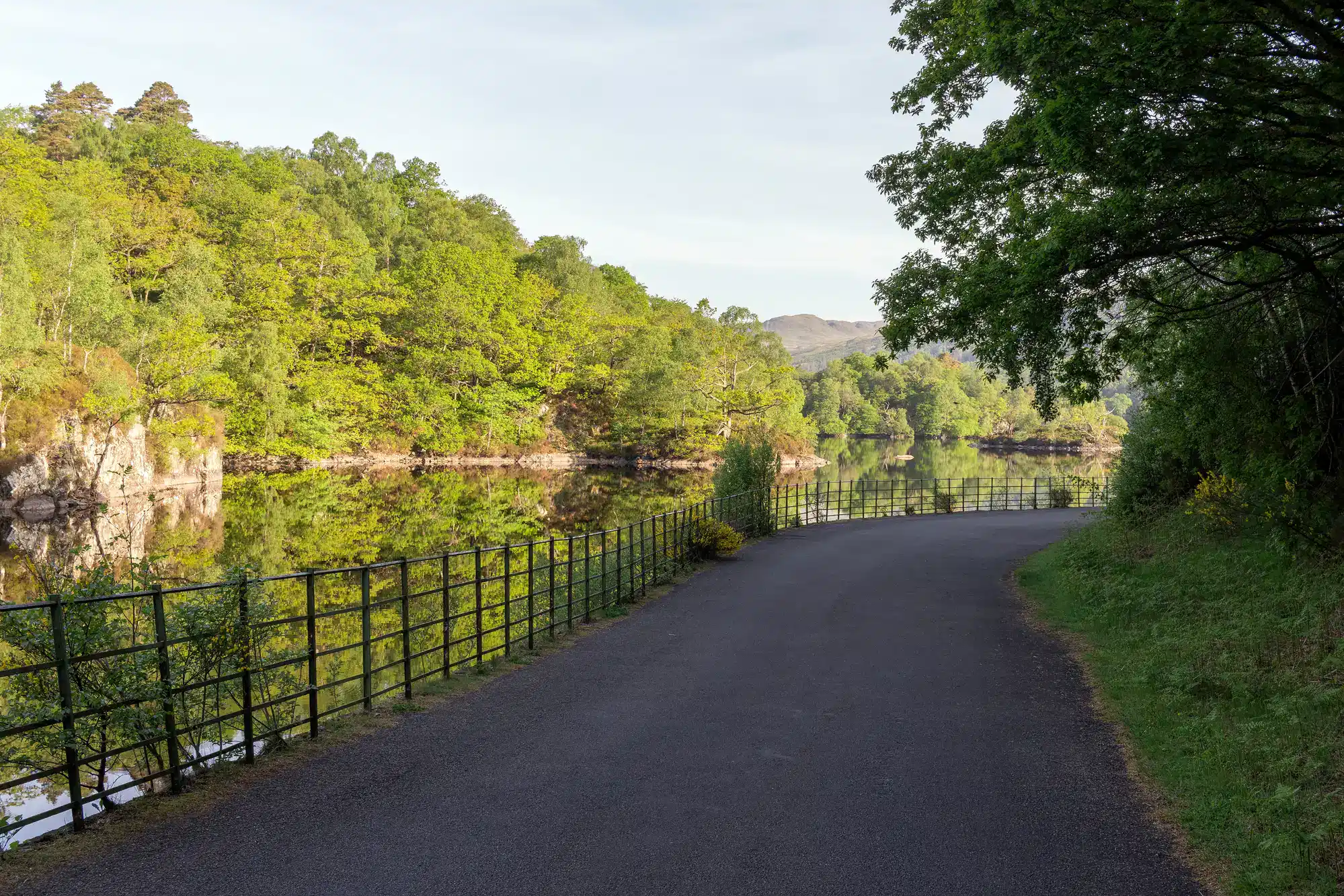
Scenic paved pathway in Central Florida with lush green trees and a calm lake reflecting the surroundings.

Ready to get started?

Explore More Services

About Central Florida Blacktop Paving

Get a Free Consultation

West Park Private Road Solutions

Built for Your Specific Needs

Residential private roads in West Park serve everything from single-family access drives to HOA community streets. We size the pavement thickness, drainage, and width based on actual use patterns.

Commercial private roads handle delivery trucks, employee parking, and customer access. These need heavier construction and often include turning areas, loading zones, and proper striping.

Industrial private roads face the toughest demands—heavy equipment, frequent loads, and round-the-clock use. We build these with reinforced bases and thicker asphalt sections that won’t fail under pressure.
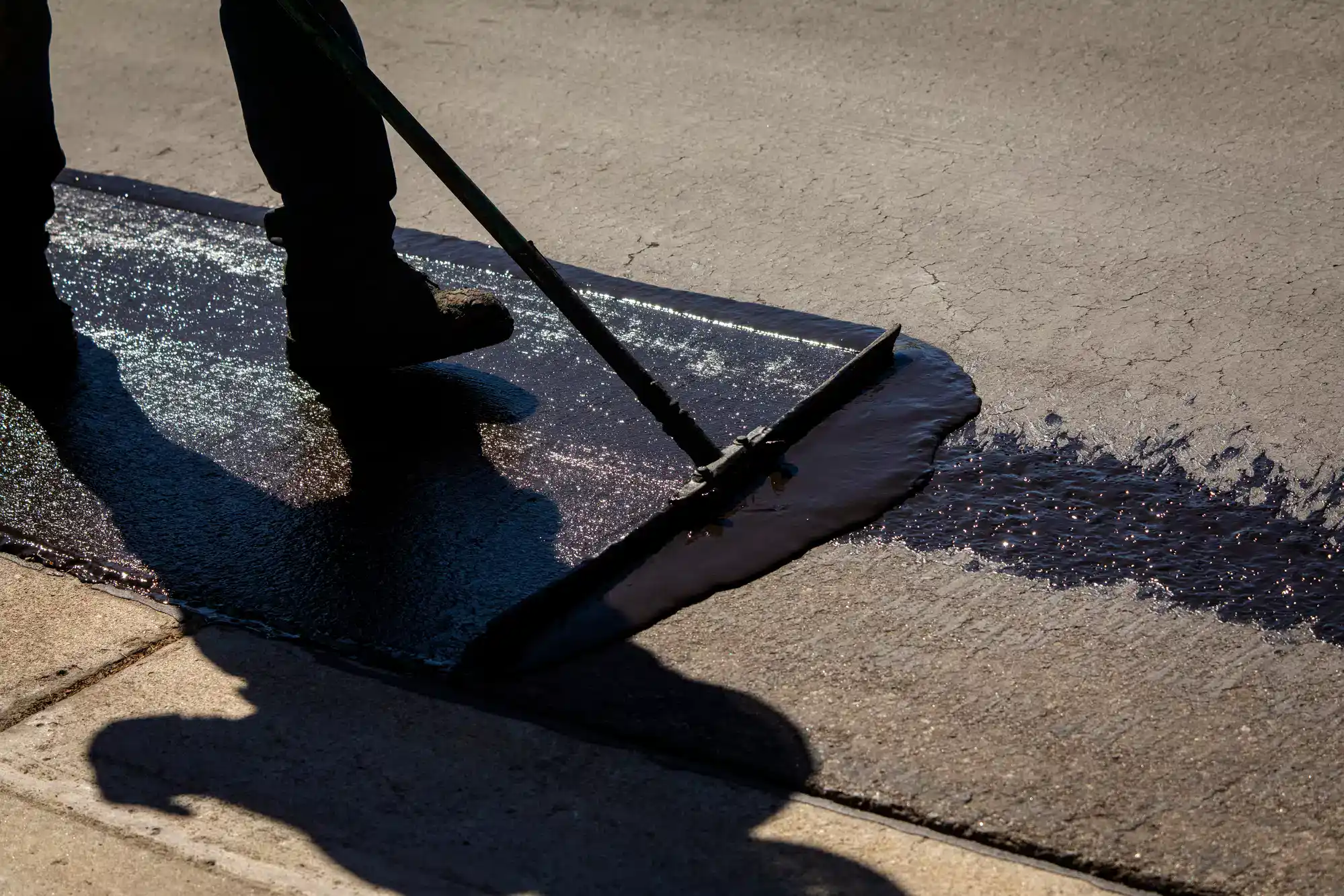
Hot asphalt being laid for driveway paving, showcasing Central Florida Blacktop Paving services.

How much does it cost to pave a private road in West Park?

Private road paving costs $40 to $90 per linear foot for standard residential access roads. A typical 200-foot private road runs $8,000 to $18,000 depending on width, thickness requirements, and site conditions. Commercial private roads cost more due to heavier construction requirements. Two-lane private roads (24 feet wide) range from $75 to $180 per linear foot. The final cost depends on base preparation needs, drainage requirements, and whether you need additional features like striping or signage.
Private road maintenance responsibility depends on your specific ownership structure and any maintenance agreements in place. Individual property owners, HOAs, or commercial property managers typically handle upkeep. Unlike public roads maintained by local government, private roads are the owner’s responsibility unless there’s a specific agreement stating otherwise. This includes regular maintenance like sealcoating every 3-5 years, crack repair, and eventual resurfacing. Some communities establish formal maintenance agreements that outline cost-sharing among users.
Broward County requires permits for most private road construction projects. You’ll need a site development permit if you’re building new roads, and potentially additional permits for drainage modifications or connections to public right-of-way. The permit process typically takes 2-4 weeks and costs $600 to $2,400 depending on project scope. We handle permit applications and ensure your road design meets all local requirements including proper drainage, emergency vehicle access, and environmental considerations.
Properly constructed asphalt private roads in Florida last 15-25 years with regular maintenance. The key factors are adequate base preparation, proper thickness for expected traffic, and staying on top of preventive maintenance. Florida’s climate is actually favorable for asphalt longevity—no freeze-thaw cycles that destroy northern roads. The main threats are heavy rains, UV exposure, and occasional heavy loads. Regular sealcoating every 3-5 years and prompt crack repair extend road life significantly.
Yes, but connecting private roads to public streets requires specific permits and construction standards. You’ll need an approach permit from Broward County and must meet their specifications for the connection point. The connection area (called an apron) must be built to county standards and may require curb cuts, proper drainage, and sight distance considerations. Some municipalities require professional engineering stamps for these connections. We coordinate with local authorities to ensure compliant connections.
Commercial private roads require heavier construction to handle delivery trucks, employee traffic, and frequent use. We typically use 4-6 inches of asphalt over 8-10 inches of aggregate base, compared to 2-3 inches over 6-8 inches for residential roads. Commercial roads also need wider turning radii, proper drainage for larger paved areas, and often include striping, signage, and designated parking areas. The permitting process is more complex and may require traffic impact studies or environmental reviews depending on the project size.