Hear from Our Customers
You’re not looking for the cheapest option that cracks in two years. You need asphalt parking lot paving that can handle Florida heat, afternoon storms, and constant use without turning into a liability.
A well-installed parking lot does more than look clean. It keeps water from pooling at your entrance, gives customers a smooth place to park, and stops you from worrying about trip hazards or pothole complaints.
When the job’s done right, you’re not calling someone back in six months. You’re getting decades of use from a surface that was built to last from day one, with proper drainage, solid compaction, and materials that match what Central Florida actually demands.
We’re based in Winter Garden and have been handling commercial parking lots and residential driveways across Central Florida for years. We know what works in Wolfolk, FL—and what doesn’t.
We use modern equipment, show up on schedule, and don’t leave a job half-finished. Every parking lot installation gets the same attention to detail, whether it’s a small lot or a multi-phase commercial project.
You’ll work with people who understand Florida’s soil, weather, and what it takes to keep asphalt from breaking down too soon. No surprises, no runaround—just honest communication and work that holds up.
It starts with a site visit. We assess your property, check for drainage issues, and give you a clear quote—no hidden fees or vague estimates.
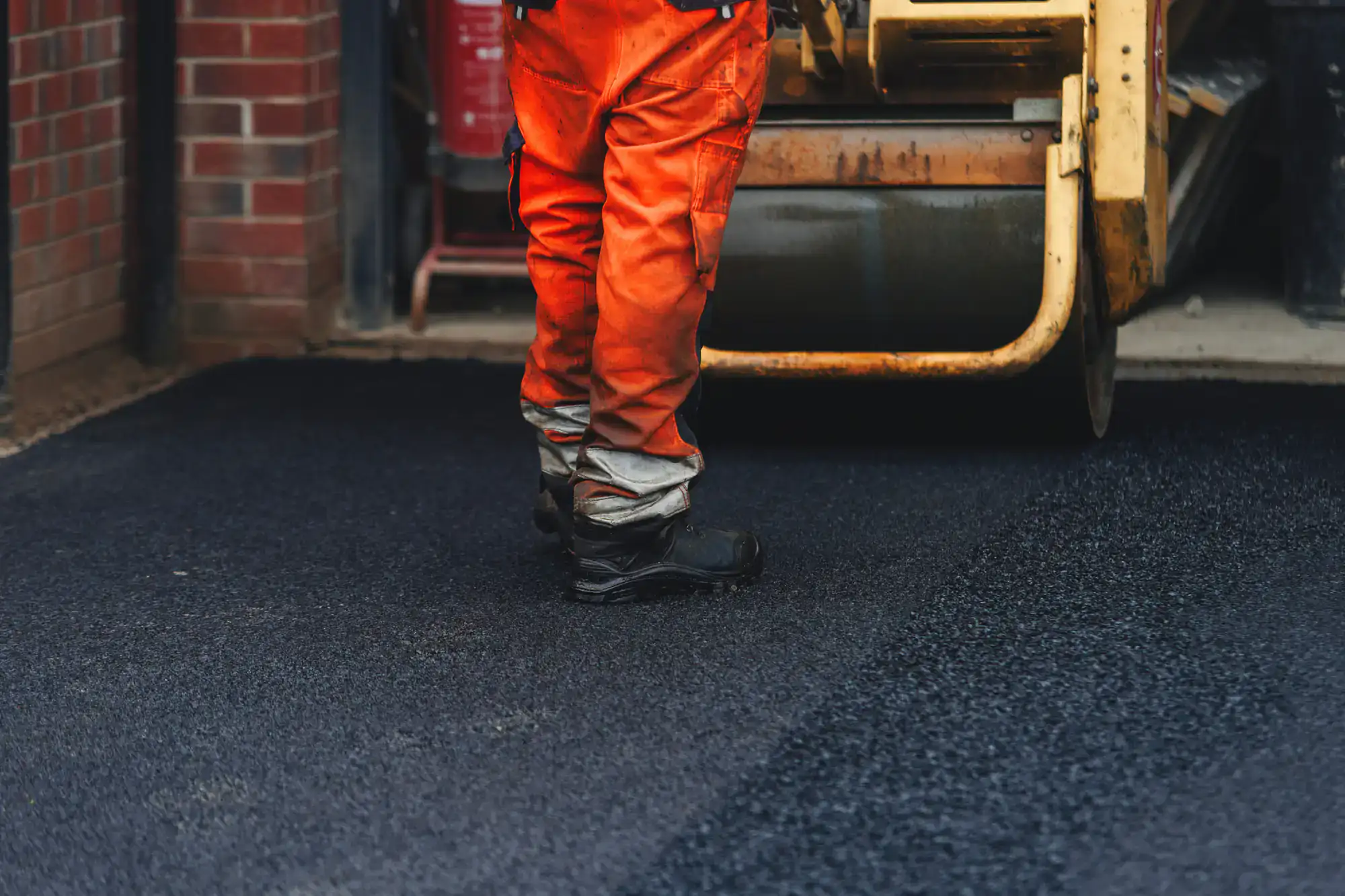
Once the project’s scheduled, our crew preps the site by grading the area and building a stable sub-base. This is the foundation everything else sits on, and it’s not a step we skip if you want the asphalt to last.
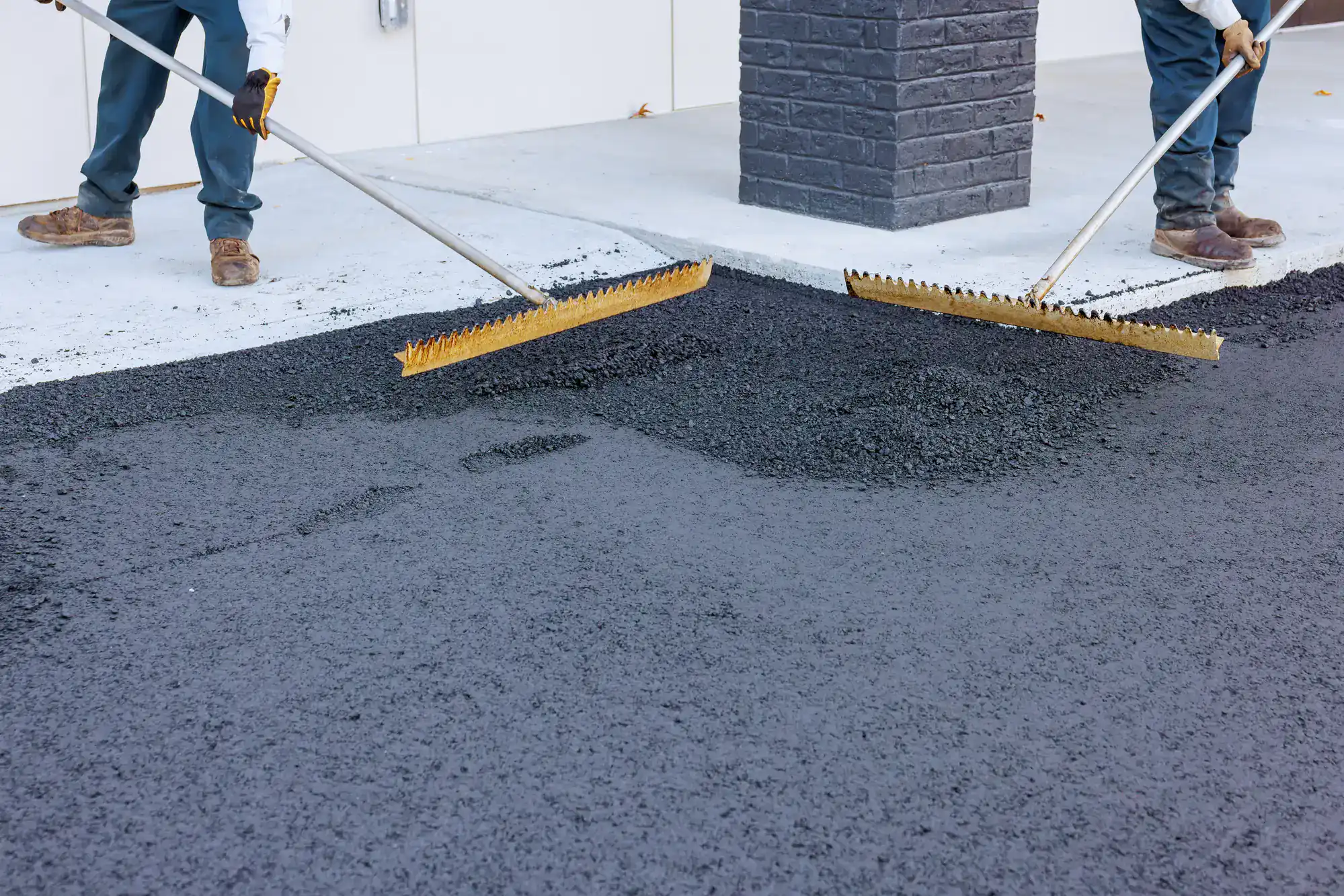
After the base is compacted and ready, hot asphalt mix gets laid down in passes, smoothed out, and compacted with heavy rollers. The surface is checked for proper slope so water drains where it should. Finally, striping and any curbing or signage get added so your lot is fully functional and code-compliant.
Ready to get started?
Parking lot paving services cover more than just pouring asphalt. You’re getting site preparation, proper grading, a compacted sub-base, asphalt installation, and final compaction to make sure everything sets correctly.
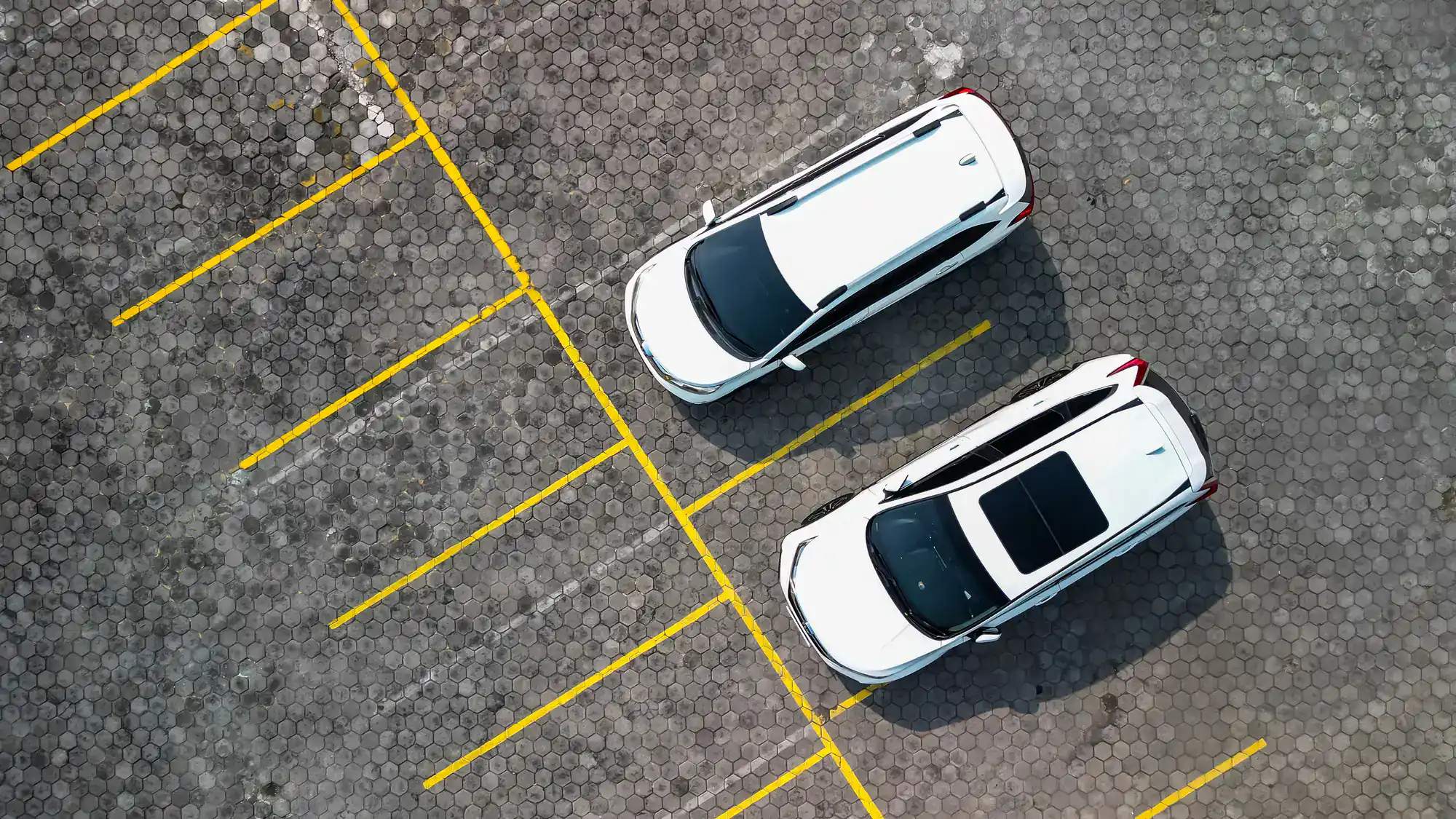
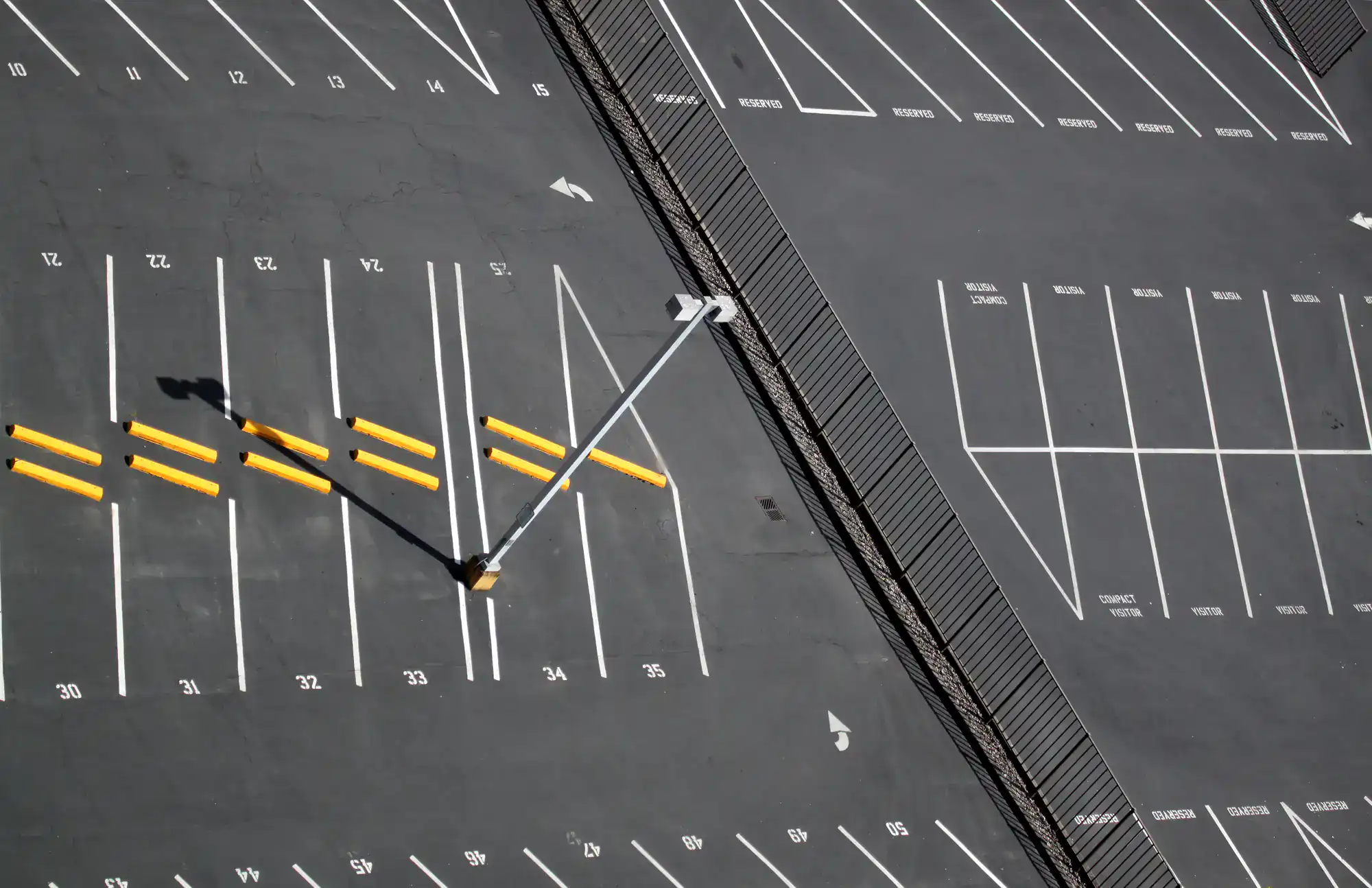
Striping comes next—parking spaces, ADA-compliant stalls, fire lanes, and directional arrows. If your property needs concrete curbing, speed bumps, or updated signage, that’s handled too.
In Wolfolk, FL, drainage is critical. Heavy afternoon storms can dump inches of rain in minutes, and if your lot doesn’t drain properly, you’ll have standing water that seeps into cracks and weakens the pavement. We design slope and drainage solutions specific to your site so water moves off the surface instead of sitting there and causing damage. Every parking lot resurfacing or new install is built with Central Florida’s weather in mind—UV protection, heat resistance, and the ability to handle seasonal downpours without falling apart.
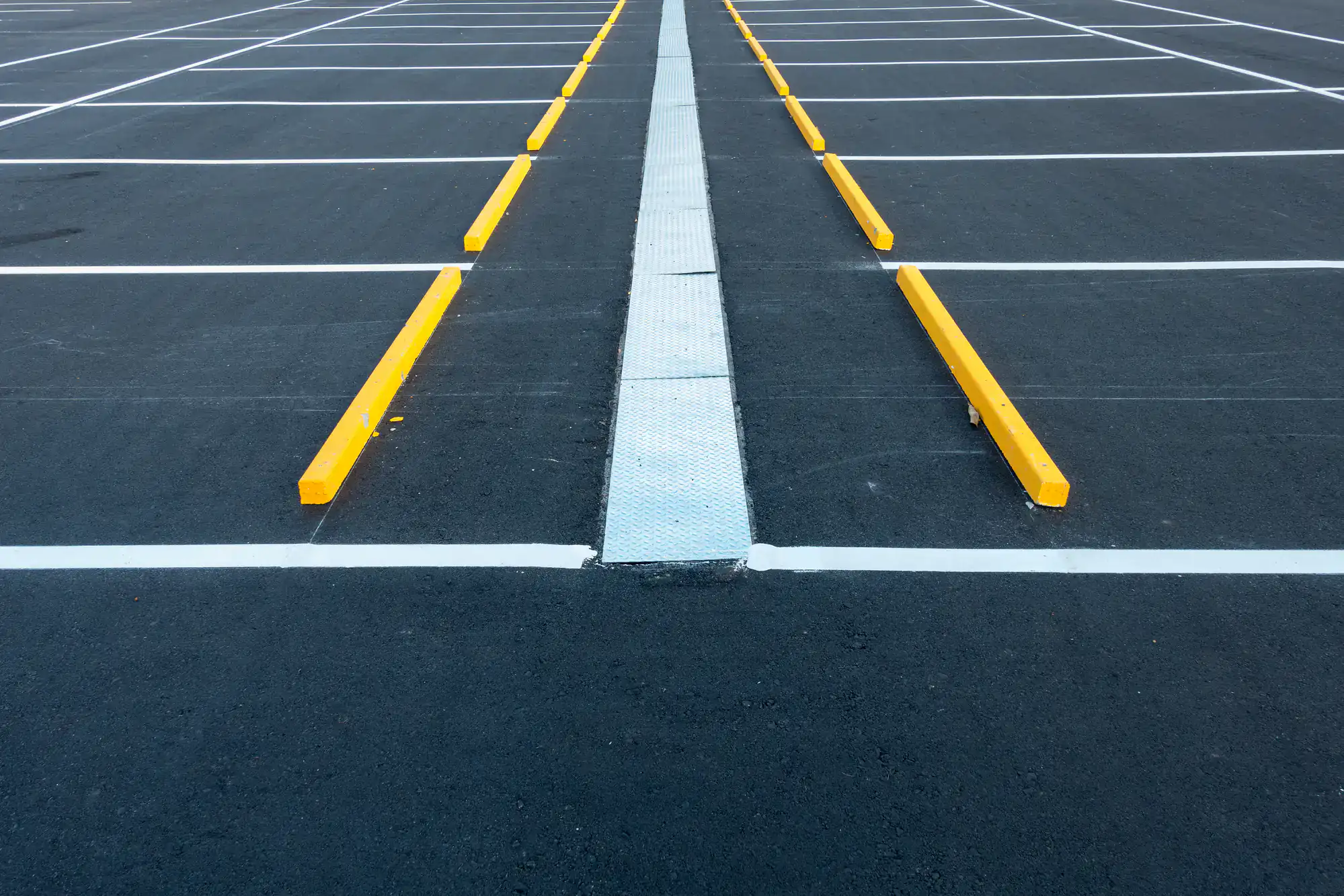
Most commercial parking lot installations wrap up in two to three days, depending on the size of the lot and site conditions. The process includes site prep, sub-base installation, asphalt paving, compaction, and striping.
If you’re replacing an existing lot, we remove the old asphalt first, which adds time. Weather also plays a role—heavy rain or flooded ground will delay paving since asphalt needs dry conditions to cure properly.
Once the asphalt is laid, keep vehicles off it for at least 24 hours. For heavy trucks or equipment, waiting three to five days is smarter. Rushing it can damage the surface before it’s fully cured.
Resurfacing means adding a new layer of asphalt on top of the existing surface. It’s a good option if your current lot has minor wear—small cracks, fading, surface deterioration—but the base underneath is still solid.
Replacing a parking lot means tearing out the old asphalt down to the sub-base and starting over. You’d go this route if the lot has major damage—deep potholes, alligator cracking, drainage problems, or a weak foundation that’s causing the surface to fail.
Resurfacing costs less and takes less time, but it only works if the underlying structure is stable. If the base is compromised, resurfacing is just putting a band-aid on a bigger problem. A site assessment will tell you which option makes sense for your property.
Proper drainage starts with the design. The lot needs to be graded with a slight slope so rainwater flows toward drains, landscaping, or designated runoff areas instead of pooling on the surface.
In Central Florida, afternoon storms can drop a lot of rain fast. If water sits on asphalt, it seeps into cracks, weakens the base, and accelerates deterioration. Over time, that leads to potholes, alligator cracking, and expensive repairs.
We evaluate your site before paving to identify low spots or areas where water tends to collect. We adjust the grading and install the asphalt with the right slope to keep water moving. Regular maintenance—like crack sealing and sealcoating—also helps protect the surface from moisture intrusion.
Sealcoating should be done every three to five years in Central Florida. It protects the asphalt from UV rays, rain, and oil spills, and it restores that fresh black appearance.
Crack filling should happen as soon as you notice cracks forming. Small cracks let water seep under the surface, which weakens the base and leads to bigger problems like potholes. Catching them early saves you money.
Striping fades over time from sun exposure and traffic. Plan to re-stripe every few years to keep lines visible and your lot ADA-compliant. If you see potholes, get them patched right away—they’re a safety hazard and they get worse fast.
Yes, but heat and weather conditions matter. Asphalt is installed hot, and Florida summers are already hot, so the material stays workable longer. That’s actually an advantage for getting a smooth, even surface.
The challenge is afternoon rain. If the ground is wet or it’s actively raining, paving gets delayed. Asphalt needs dry conditions to bond properly and cure without issues.
We schedule jobs with weather in mind. If a storm rolls in, we’ll reschedule for a day with better conditions. You don’t want to rush a parking lot install just to meet a deadline if the weather isn’t cooperating—it’ll cost you more in repairs later.
With proper installation and regular maintenance, an asphalt parking lot can last 20 to 30 years. That assumes the sub-base was built correctly, drainage was designed properly, and you’re keeping up with sealcoating and crack repairs.
Florida’s climate is tough on asphalt. The sun’s UV rays break down the binder, heat causes expansion and contraction, and heavy rain accelerates wear if water gets under the surface. Without maintenance, you’ll see cracks and deterioration much sooner.
The key is starting with a solid foundation and staying on top of preventive care. Sealcoating every few years, filling cracks as they appear, and addressing drainage issues early will get you the full lifespan out of your parking lot. Neglect it, and you’re looking at major repairs or replacement in 10 to 15 years instead.
Other Services we provide in Wolfolk