Hear from Our Customers
You get a parking lot that doesn’t crack apart in two years. One that drains properly after Florida storms instead of turning into a lake. One that makes your property look like you care about it.
The difference comes down to the foundation. An 8 to 12-inch gravel base, compacted correctly, keeps your asphalt from sinking into Winter Haven’s sandy soil. Proper grading creates a 2% slope so water moves off the surface instead of sitting there, eating away at your pavement. The asphalt itself—at least 3 inches for standard traffic—gets laid hot, rolled smooth, and finished to industry standards.
When parking lot paving is handled this way, you’re looking at 20 to 30 years of performance. That’s fewer repairs, less disruption to your business, and a lot less stress about what’s happening under your customers’ feet.
We’ve been handling asphalt parking lot paving across Central Florida for years. We understand what humid summers, afternoon storms, and sandy soil do to a parking lot—and how to build one that stands up to it.
Every project starts with a free consultation. No pressure, no guessing. Just a clear breakdown of what the job involves, what it costs, and how long it takes. We use modern equipment and follow processes that meet industry standards, whether it’s a small business lot or a multi-tenant shopping center in Winter Haven.
Projects get finished on time and within budget. Communication stays clear from start to finish. And the work holds up because the details—base prep, drainage, compaction—get handled right the first time.
First, the site gets assessed. Soil conditions, drainage needs, and traffic load all factor into the plan. If there’s old pavement, it gets removed. If the ground isn’t level or stable, it gets graded and compacted.
Next comes the base—8 to 12 inches of crushed gravel, depending on what the lot will handle. This layer gets compacted in stages to create a solid foundation. Skip this step or rush it, and your asphalt will crack within a few years. Do it right, and you’ve got a parking lot that lasts decades.
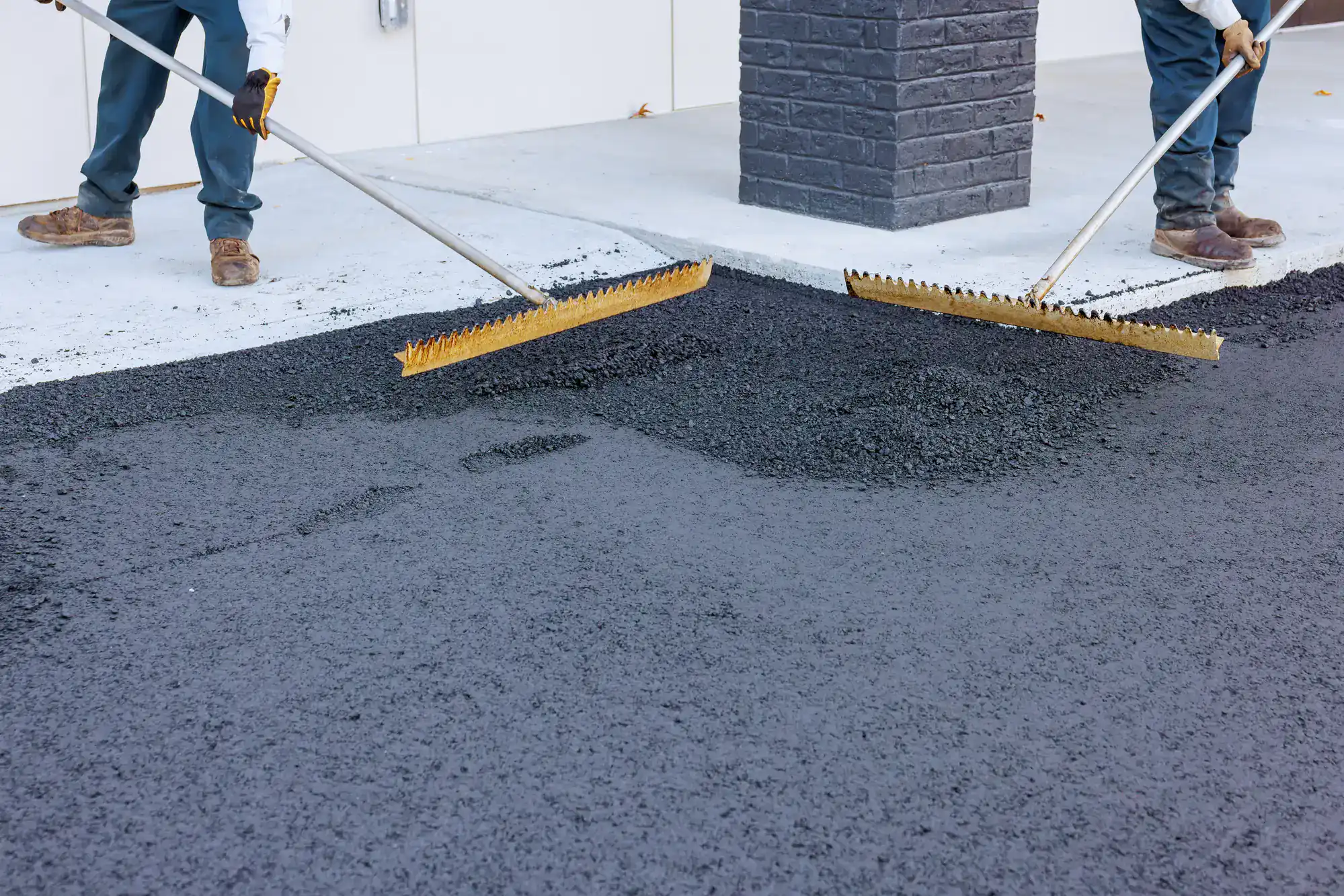
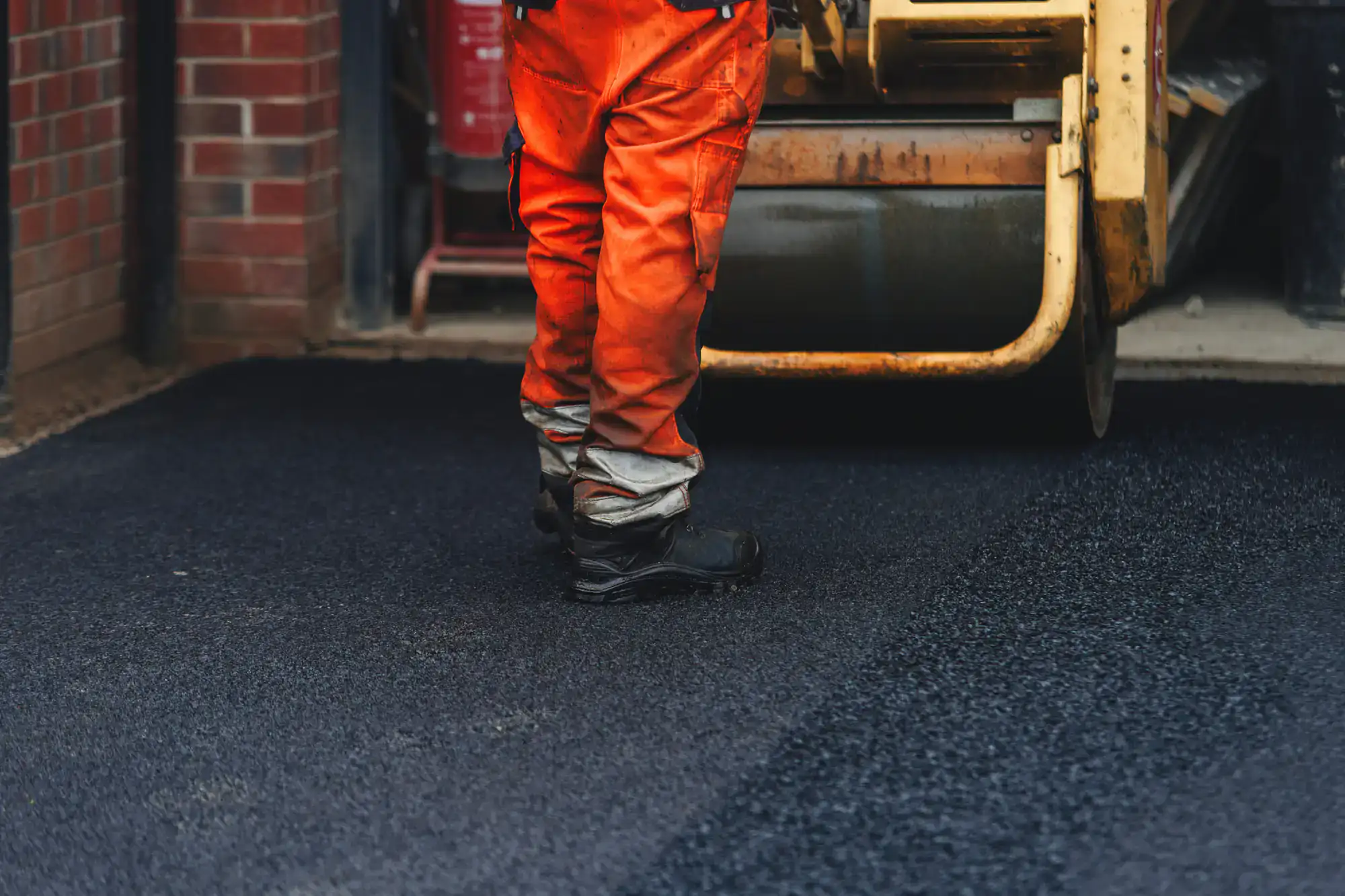
The asphalt goes down in layers. A binder course first, then a smooth top layer. Both get rolled while hot to achieve proper density. Once it cures, striping and markings go on to meet ADA requirements and keep traffic flowing safely.
Most parking lot paving projects in Winter Haven take 3 to 7 days, depending on size. Weather can affect the timeline—asphalt needs dry conditions and temperatures above 50 degrees to set properly. But once it’s done, you can open for business with a surface that’s built to perform.
Ready to get started?
A complete parking lot paving job covers more than just laying asphalt. Site preparation includes grading, drainage planning, and base installation. The asphalt itself gets applied at the correct thickness for your traffic load—3 inches for cars, more for delivery trucks or heavy equipment.
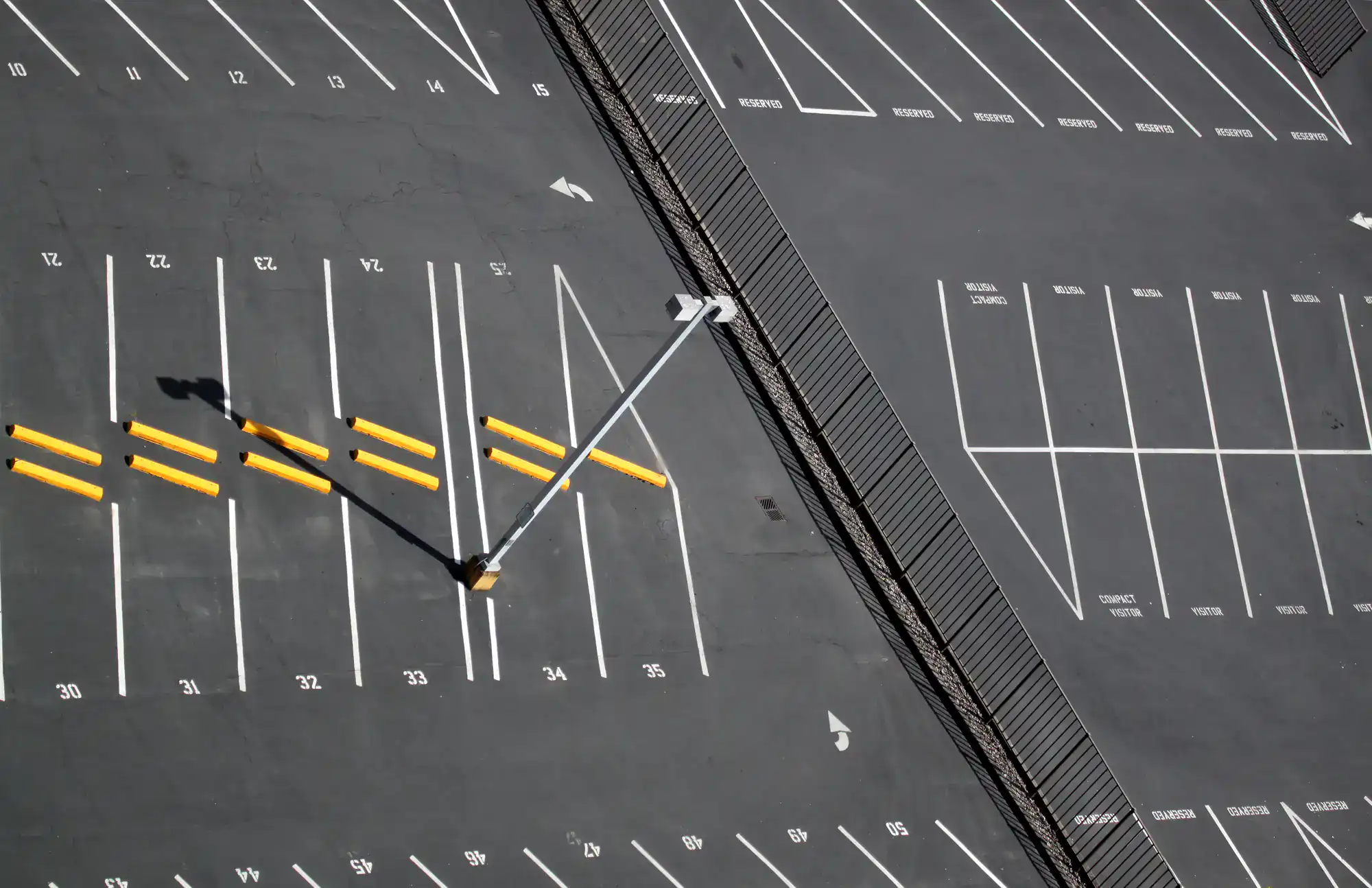
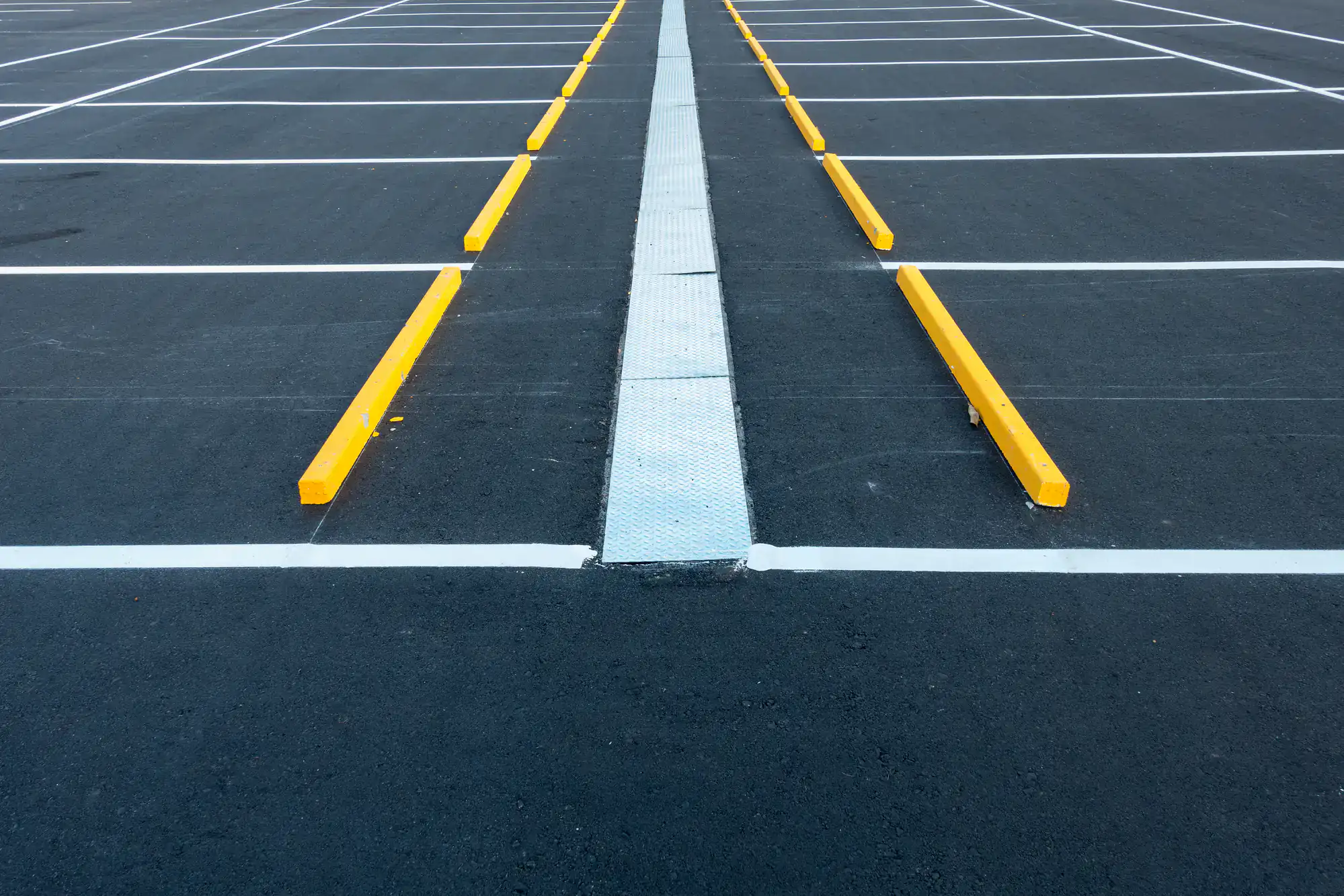
Finishing work includes compaction, curing time, and striping. Parking spaces, handicap zones, fire lanes, and directional arrows all get marked according to local codes. If your lot needs curbing, signage, or catch basin work, that gets coordinated as part of the project.
Winter Haven’s climate makes drainage critical. Heavy afternoon storms are common, and standing water accelerates pavement breakdown. Proper slope design and drainage systems keep water moving off the surface, protecting your investment and keeping customers from walking through puddles.
For existing lots, parking lot resurfacing offers a cost-effective option when the base is still solid. An overlay adds a fresh layer of asphalt over the existing surface, extending the lot’s life by 10 to 15 years. If the base has failed or there’s extensive cracking, full replacement makes more sense. Either way, the approach depends on what your specific lot needs—not a one-size-fits-all sales pitch.
Parking lot paving in Winter Haven typically runs between $2 and $9 per square foot, depending on the scope of work. A new installation with full site prep, base, and asphalt costs more than a simple overlay. Lot size matters too—larger projects spread equipment and mobilization costs across more square footage, lowering the per-foot price.
Factors that affect cost include the condition of your existing surface, drainage requirements, asphalt thickness, and any additional work like striping or curbing. A 10,000 square foot lot might cost $25,000 to $45,000 for new installation. Resurfacing the same lot could run $10,000 to $30,000 if the base is still good.
The best way to know what your project costs is to get a detailed estimate. That includes a site visit to assess soil conditions, drainage needs, and traffic patterns. You’ll get a breakdown of materials, labor, and timeline—no surprises, no hidden fees.
A properly installed parking lot in Winter Haven lasts 20 to 30 years with regular maintenance. Florida’s heat, humidity, and storms put stress on asphalt, but the right foundation and drainage design make all the difference.
The key is the base. An 8 to 12-inch gravel base, compacted correctly, prevents sinking and cracking. Proper drainage keeps water from pooling and undermining the pavement. The asphalt itself—at least 3 inches thick—needs to be laid at the right temperature and compacted to the correct density.
Maintenance extends that lifespan. Sealcoating every 2 to 4 years protects against UV damage and moisture. Crack filling stops small issues from spreading. Resurfacing every 15 to 20 years refreshes the surface without replacing the entire lot. Skip the maintenance, and even a well-built lot will deteriorate faster than it should.
An overlay (also called resurfacing) adds a new layer of asphalt over your existing parking lot. It works when the base is still solid but the surface has minor cracking or wear. The old asphalt gets cleaned, a bonding coat gets applied, and fresh asphalt goes on top. It’s faster and less expensive than full replacement, typically costing $1 to $3 per square foot.
Full replacement means tearing out the old asphalt, addressing any base or drainage issues, and building the lot from scratch. You need this when the base has failed, there’s extensive cracking, or the pavement has sunk in spots. It costs more upfront but gives you a completely new foundation and surface.
The decision depends on what’s happening below the surface. If water is pooling, the lot has deep cracks, or you’re seeing potholes, the base likely needs work. We can assess the condition and recommend the right approach. Choosing overlay when you need replacement just kicks the problem down the road—and costs you more in the long run.
Most parking lot paving projects can be phased to minimize disruption. For businesses that can’t close, the lot gets divided into sections. One area gets paved while the other stays open for customers. Once the first section cures, work moves to the next. It takes longer overall, but you stay operational.
Timing matters too. Some businesses schedule paving during off-hours, weekends, or slower seasons. A standard parking lot takes 3 to 7 days to complete, including prep, paving, and curing time. Smaller lots or simple overlays can be done faster.
Communication is critical. Before work starts, you’ll know the timeline, which areas will be blocked off, and when customers can park where. Signage and barriers keep traffic flowing safely around the work zone. The goal is to get the job done quickly and correctly while keeping your business running. It requires planning, but it’s manageable with the right contractor.
Late spring through early fall is ideal for parking lot paving in Winter Haven. Asphalt needs temperatures above 50 degrees to set properly, and Florida’s warm climate makes that possible most of the year. The challenge is rain—afternoon storms can delay work if the forecast looks bad.
Dry conditions matter more than the season. Asphalt won’t bond correctly if the base is wet, and rain during installation can ruin the surface. We monitor weather closely and adjust schedules as needed. A project might take an extra day or two if storms roll through, but it’s better than rushing and ending up with a subpar result.
Winter paving is possible in Florida, but it requires careful timing. Cooler mornings can slow the curing process, and wet ground from seasonal rains creates complications. Spring and summer offer the most consistent conditions, but we can work year-round as long as the weather cooperates. The key is flexibility and proper planning.
Sealcoating isn’t required immediately after paving, but it becomes essential for long-term protection. New asphalt needs about 90 days to cure fully before the first sealcoat gets applied. After that, reapplying every 2 to 4 years protects the surface from UV rays, moisture, and chemical spills.
Sealcoating fills small cracks, locks out water, and keeps the asphalt looking fresh. It costs about $0.14 to $0.25 per square foot—a small investment compared to the cost of premature pavement failure. In Florida’s climate, where sun and humidity are constant, sealcoating extends your parking lot’s lifespan significantly.
Think of it like routine maintenance on a vehicle. You can skip it, but you’ll pay more in repairs later. A parking lot that gets sealed regularly can last 20 to 30 years. One that doesn’t might need resurfacing or replacement in 10 to 15 years. The choice is yours, but the math favors maintenance.
Other Services we provide in Winter Haven