Hear from Our Customers
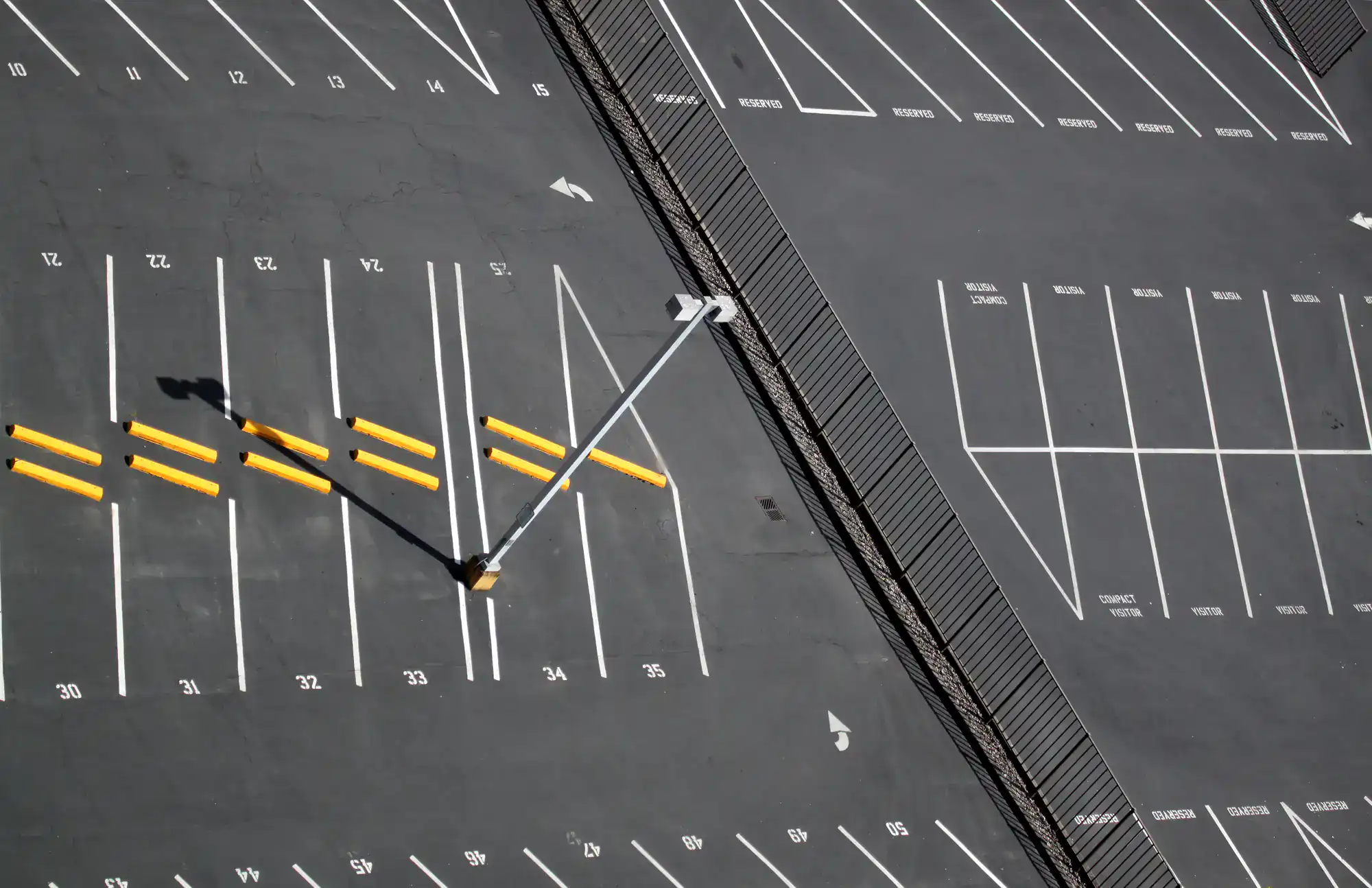
You’re not looking for the cheapest option that cracks in two years. You want a parking lot that handles Florida’s weather, looks professional, and doesn’t become a maintenance headache.
When asphalt is installed correctly for Central Florida conditions, you get smooth surfaces that drain properly, resist UV damage, and hold up under daily use. Your customers pull in and see a well-maintained property. You’re not patching potholes every few months or worrying about liability from uneven pavement.
The difference shows up in year three, year five, year ten. Proper base preparation, quality materials, and attention to drainage mean you’re spending less on repairs and more time running your business. That’s what matters.
Central Florida Blacktop Paving Inc. operates out of Winter Garden and works throughout the Tiger Bay area. We understand what Central Florida’s climate does to pavement—intense UV exposure, afternoon thunderstorms, sandy soil conditions.
We focus on commercial parking lots and residential driveways with one goal: installations that last. Free consultations, transparent pricing, modern equipment. Projects get completed on time, within budget, without surprises.
Tiger Bay properties face the same challenges as the rest of Central Florida—heat that breaks down asphalt binders, rain that finds every crack, and soil that shifts if the base isn’t prepared right. We’ve been handling these conditions across the region, building parking lots that hold up year after year.
First, we evaluate your site. We check drainage, test the existing base if you’re resurfacing, and identify any issues that’ll cause problems down the road. You get a clear explanation of what needs to happen and why.
Next comes site preparation. If it’s a new installation, that means proper grading and a compacted base—usually 6 to 12 inches of aggregate depending on traffic load. For resurfacing, damaged areas get repaired, the surface is cleaned, and a tack coat bonds the new layer to the old. Shortcuts here mean future failures.
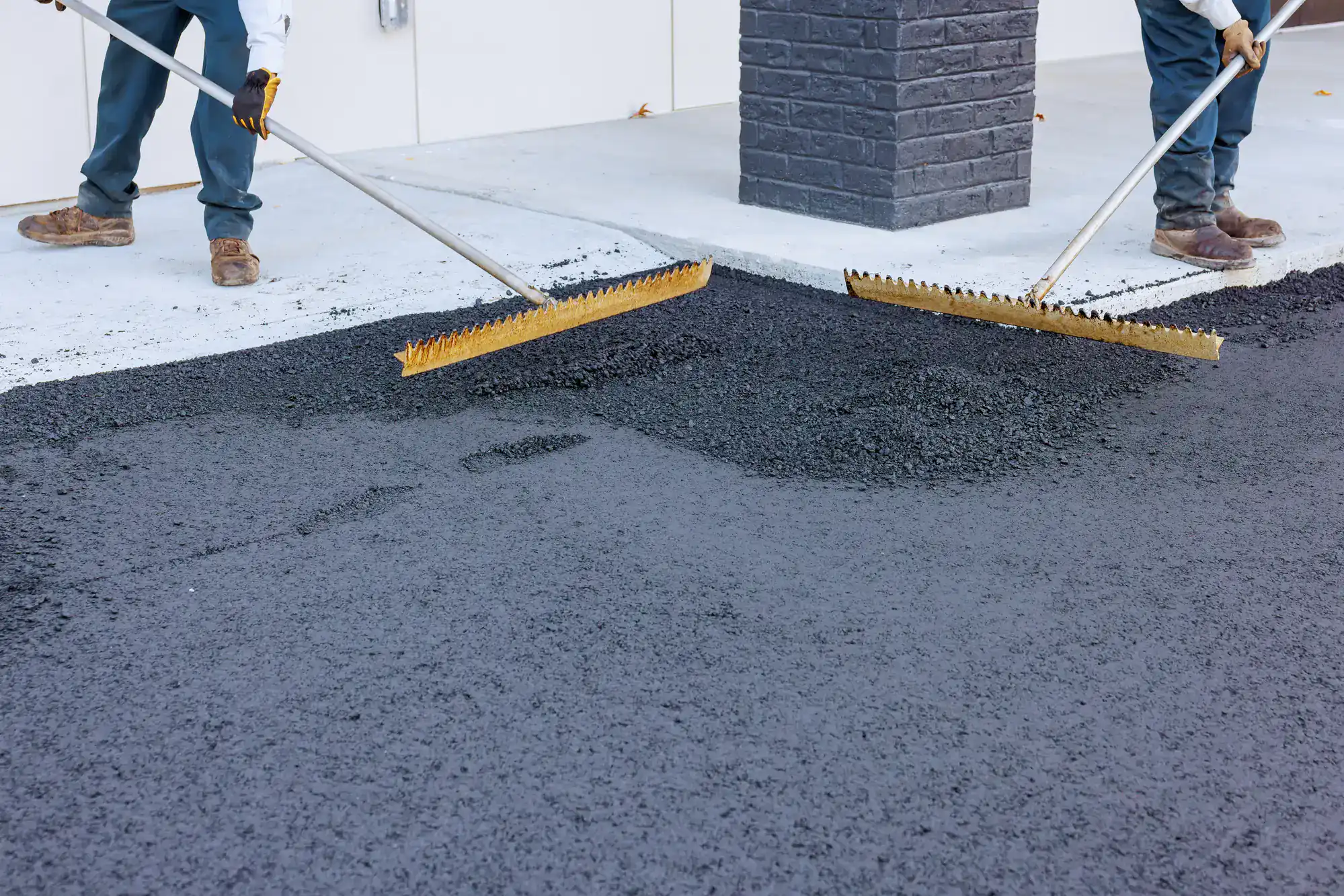
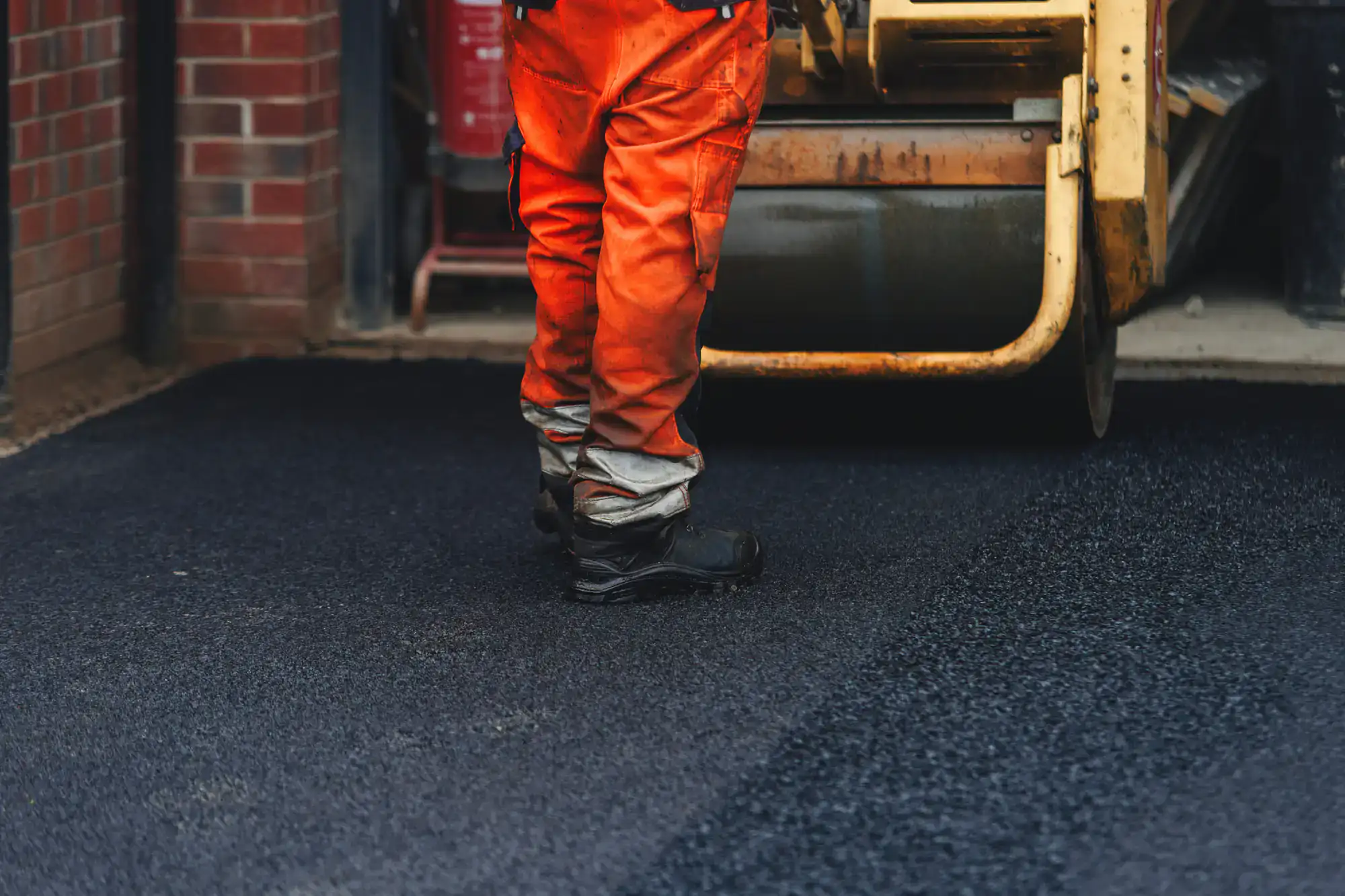
Then the asphalt goes down. Hot mix asphalt is laid in lifts—typically a base course for strength and a surface course for smoothness. Proper compaction at the right temperature is critical. We use modern equipment to ensure even thickness and proper density.
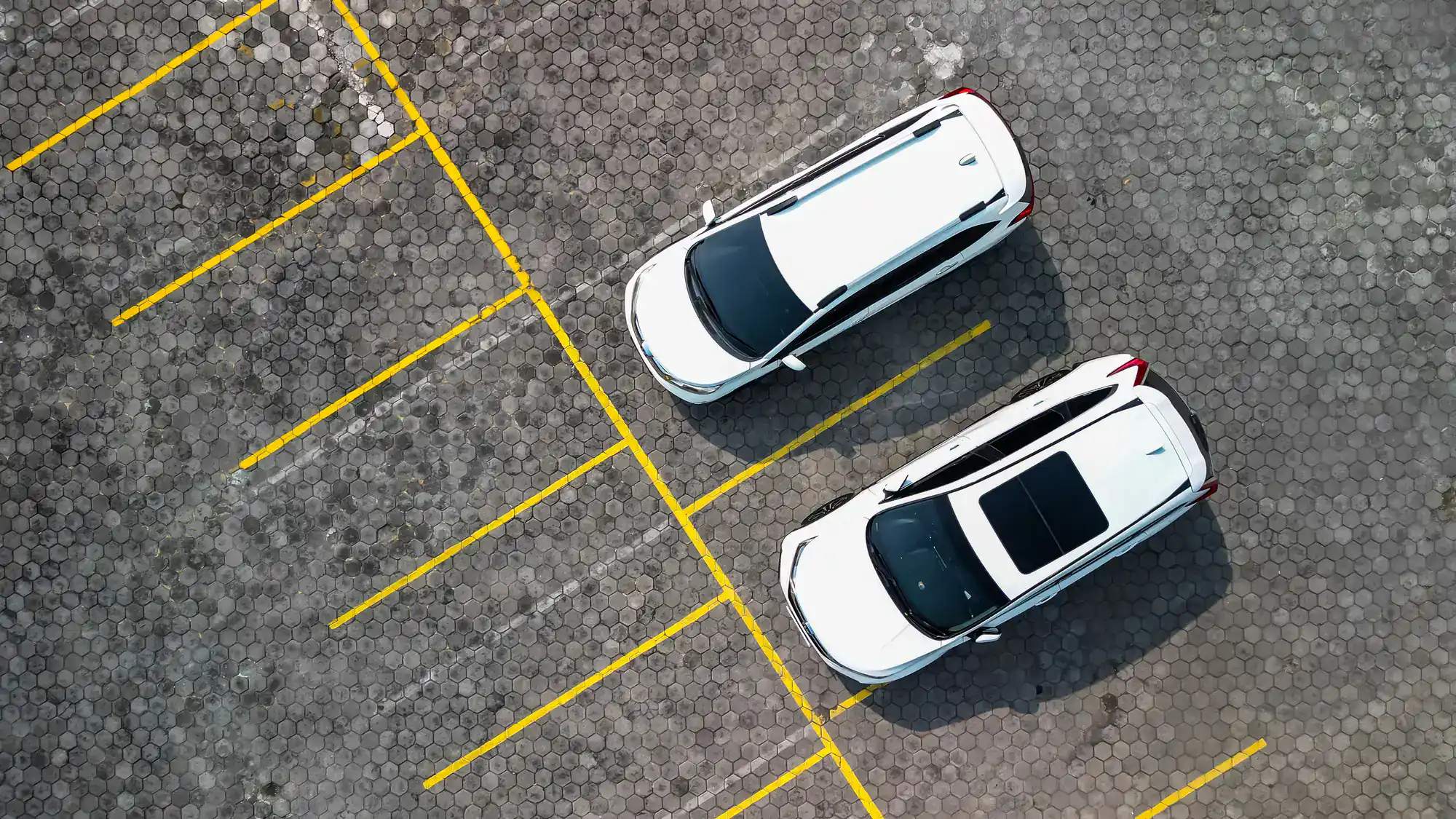
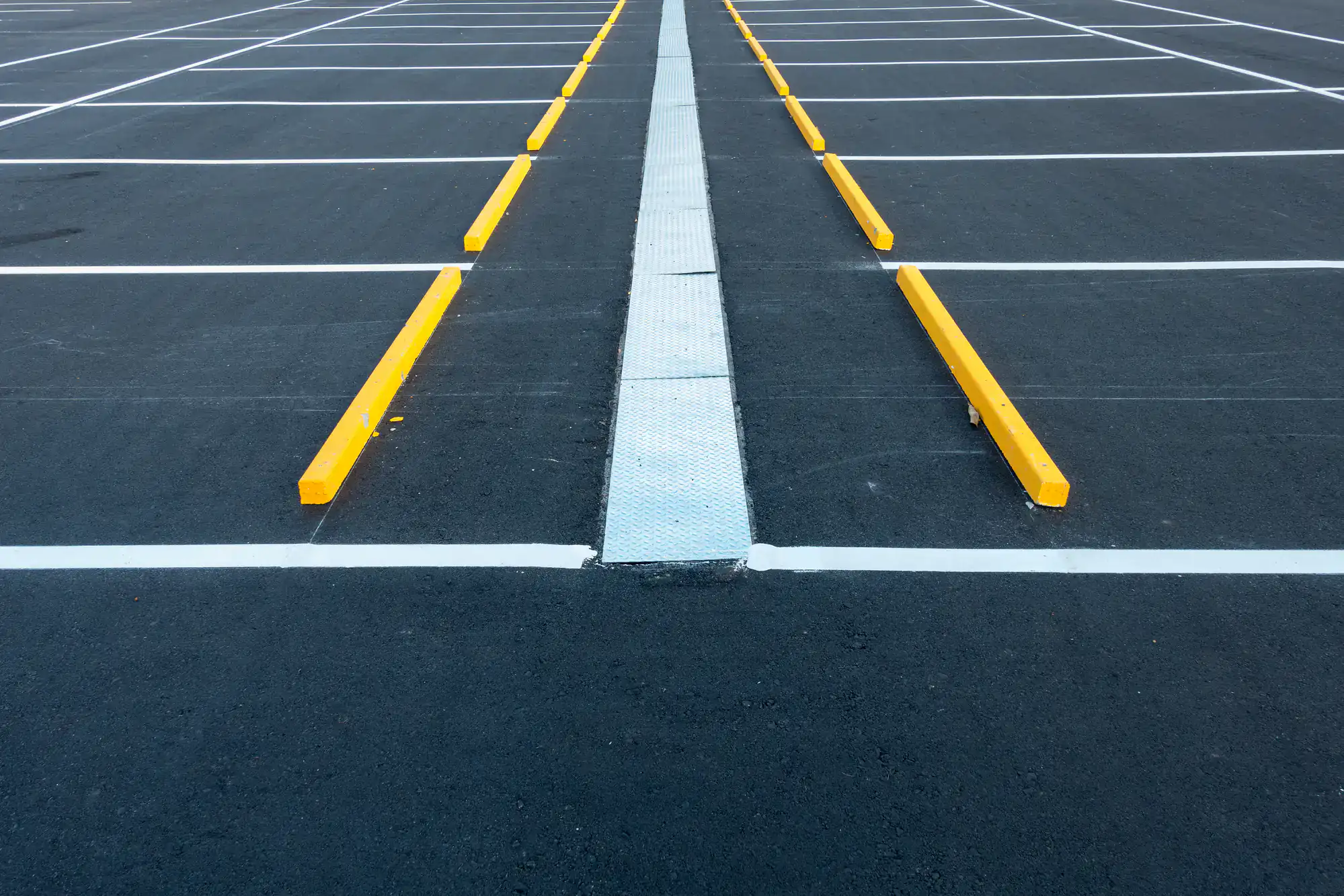
Finally, once the asphalt cures, striping goes in. Parking spaces, traffic flow, ADA-compliant markings. The lot is ready for use, and you’ve got a surface built to handle whatever Florida throws at it.
Ready to get started?
We handle new parking lot installations, resurfacing existing lots, and repairs. Each service addresses different needs depending on your lot’s current condition.
New installations start from the ground up—excavation, base preparation, drainage systems, and fresh asphalt. You’re getting a parking lot designed specifically for your property’s traffic patterns and Central Florida’s conditions. This makes sense when you’re building new or when existing pavement has failed beyond repair.
Resurfacing adds a new asphalt layer over your existing lot. It works when the foundation is still solid but the surface shows wear—fading, minor cracks, rough texture. In Florida’s climate, resurfacing typically extends your lot’s life another 8 to 15 years. It’s more affordable than replacement and gives you that fresh, professional appearance.
Repairs target specific problems—potholes, isolated cracks, drainage issues. These are smart moves when damage is limited and the rest of your lot is holding up. Catching issues early prevents water infiltration that leads to bigger, more expensive problems. In Tiger Bay and throughout Central Florida, afternoon thunderstorms are relentless. What starts as a hairline crack becomes a pothole in months when water gets underneath and erodes the base. Smart property owners address small issues before Florida’s weather turns them into major headaches.
Most commercial parking lots take between 3 to 7 days from start to finish, depending on size and site conditions. That includes base preparation, asphalt installation, curing time, and striping.
Weather affects the timeline. Florida’s afternoon thunderstorms can delay paving since asphalt needs dry conditions for proper installation. We schedule projects with weather patterns in mind and communicate any delays immediately.
The asphalt needs time to cure before heavy traffic. You can typically allow light vehicle traffic after 24 to 48 hours, but full curing takes longer. We provide specific guidance based on your lot’s thickness and the temperature during installation.
Florida’s climate is tough on asphalt. UV rays break down the binding agents that hold asphalt together, causing it to become brittle and crack. Add in the fact that Florida gets drenched with heavy rain year-round, and you’ve got water constantly looking for ways into your pavement.
When water seeps through cracks, it erodes the base layer underneath. That’s when you get potholes, sinking areas, and structural failure. Poor drainage makes this worse—standing water accelerates deterioration and creates ongoing problems.
Heat also causes asphalt to expand and contract. Without proper installation and materials designed for Florida’s conditions, this thermal movement creates stress cracks. That’s why working with a contractor who understands Central Florida’s specific challenges matters. Proper base preparation, adequate thickness, and quality materials designed for hot climates make the difference between a lot that lasts 10 years versus 25.
It depends on your lot’s foundation. If the base layer is still stable and your problems are surface-level—fading, minor cracks, rough texture—resurfacing makes sense. You’re adding a fresh asphalt layer over solid foundation, which costs less and extends your lot’s life significantly.
Replacement becomes necessary when you have widespread foundation failure. Signs include large sections of alligator cracking, multiple potholes, areas that sink or hold water, and drainage problems that keep recurring. These indicate the base has failed, and putting new asphalt over a bad foundation just delays the inevitable.
We evaluate your lot’s condition during the free consultation. We’ll check the foundation, assess drainage, and give you an honest recommendation. Sometimes strategic repairs plus resurfacing give you another 10 to 15 years. Other times, replacement is the only move that makes financial sense long-term. You get a clear explanation of what’s happening underneath and what each option delivers.
Asphalt parking lot paving in Florida typically runs $2 to $4.50 per square foot for standard installations. Costs vary based on site conditions, lot size, base preparation needs, and whether you’re installing new or resurfacing existing pavement.
Larger lots cost less per square foot because equipment mobilization and setup costs spread across more area. Difficult site conditions—poor soil, drainage problems, limited access—increase costs. Thickness matters too. Light traffic needs about 3 inches of asphalt, while heavy commercial traffic requires thicker applications.
Resurfacing costs less than new installation, usually $1 to $3 per square foot, because you’re working with an existing base. Repairs are the most economical option for isolated problems—crack filling, pothole patches, and minor fixes that prevent bigger issues.
We provide transparent pricing during your free consultation. You’ll know exactly what you’re paying for and why. No surprises, no hidden fees. Just clear numbers based on your specific property’s needs.
Sealcoating is your first line of defense. In Florida, experts recommend resealing every 2 to 3 years. Sealcoating protects against UV damage, prevents water penetration, and keeps your lot looking fresh. It costs a fraction of repairs and significantly extends pavement life.
Address cracks immediately. Small cracks let water infiltrate the base, which leads to potholes and structural damage. Annual crack filling is cheap insurance against expensive repairs. Don’t wait until minor issues become major problems.
Keep your lot clean and watch for drainage issues. Clogged drains or areas where water pools need attention. Standing water accelerates asphalt deterioration and creates safety hazards. Regular inspections—especially after Florida’s heavy summer rains—help you catch problems early when they’re easy and inexpensive to fix.
We specialize in asphalt paving but also handle concrete work where it makes sense. Each material has advantages depending on your specific situation and budget.
Asphalt costs less upfront—typically 30 to 50 percent less than concrete. It’s faster to install, easier to repair, and performs well in Florida’s climate when properly maintained. Most commercial parking lots in Central Florida use asphalt because it offers the best value for the investment.
Concrete lasts longer—potentially 30 to 40 years versus asphalt’s 20 to 25 years with proper maintenance. It handles heavy loads well and requires less frequent maintenance. However, concrete costs more initially and takes longer to install.
During your consultation, we discuss which material best fits your property’s needs, traffic patterns, and budget. You get honest guidance based on what actually works for Tiger Bay properties, not a sales pitch for the most expensive option.
Other Services we provide in Tiger Bay