Hear from Our Customers
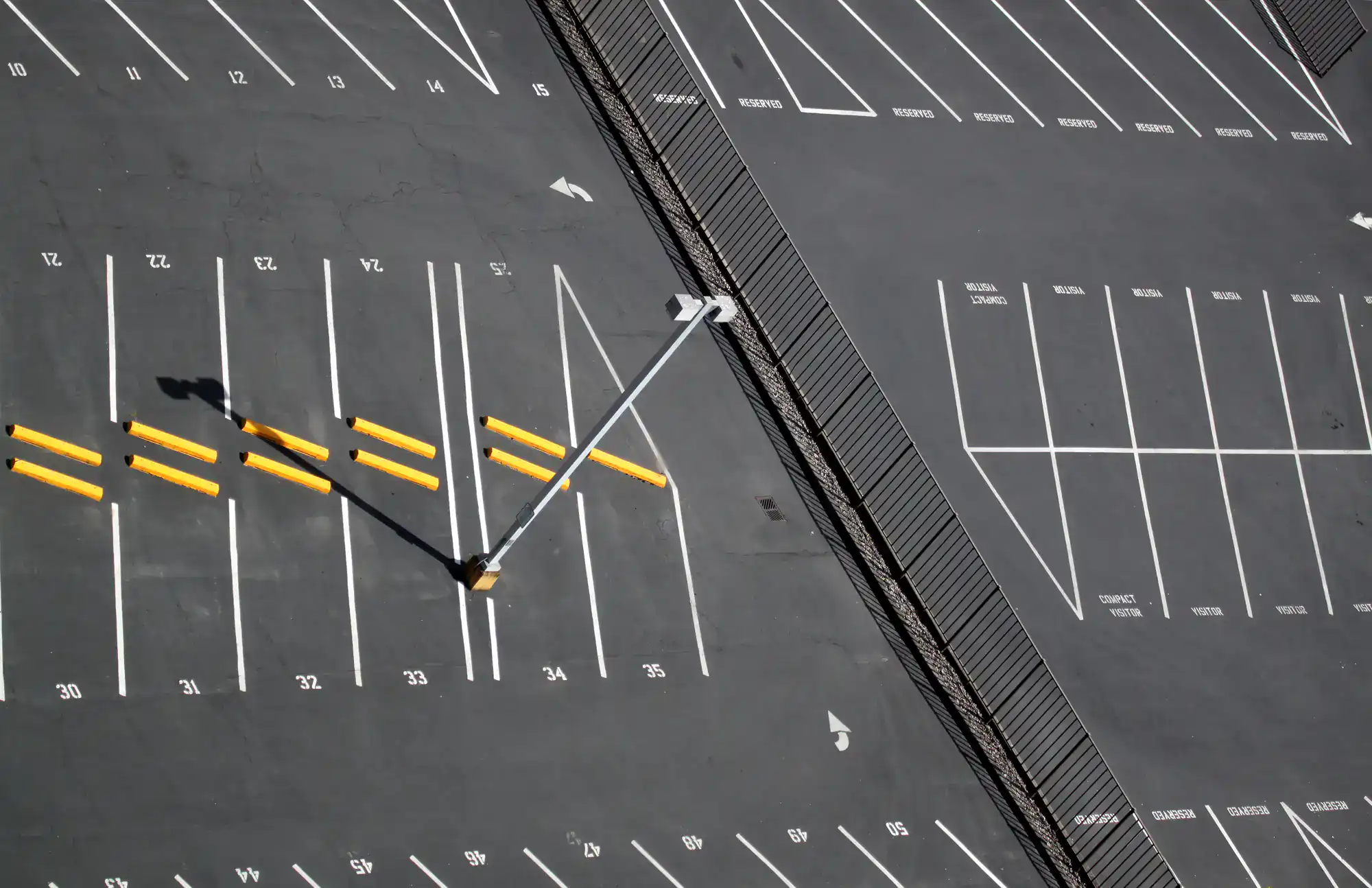
You’re not looking for the cheapest option that cracks in two years. You want a parking lot that handles daily traffic, drains properly when it rains, and doesn’t embarrass you in front of customers.
That’s what proper asphalt parking lot paving gets you. A surface built on solid base work, installed with the right thickness for your traffic load, and finished with clean striping that makes sense. No pooling water at the entrance. No potholes forming before the warranty expires. Just a parking lot that does its job.
When the installation is done right from the start, you’re looking at 20 to 30 years of service with basic maintenance. That means fewer headaches, lower long-term costs, and a property that looks like you actually care about it. Your customers notice. Your tenants notice. And you’re not scrambling to patch problems every few months.
Central Florida Blacktop Paving Inc., based in Winter Garden, has been handling parking lot paving throughout the Poyner area and Central Florida for years. We know what Florida weather does to asphalt and how to build surfaces that stand up to it.
Every project gets the same approach: clear communication about what’s happening and when, attention to the details that matter, and work that’s finished on schedule. We handle everything from small commercial lots to larger retail centers, always focused on delivering results that last.
Poyner property owners deal with specific challenges—afternoon storms that test drainage, heat that softens inferior asphalt, and the need to keep businesses running during installation. We understand these local realities and plan accordingly.
First, we assess your site. We check drainage, test the existing base if you’re replacing old asphalt, and identify any issues that need addressing before new pavement goes down. You get a detailed estimate that breaks down exactly what’s included.
Next comes site preparation. Old pavement gets removed if needed. The ground is graded to ensure proper water runoff—critical in Florida where afternoon storms dump inches of rain. Then a solid base layer of compacted gravel goes down, typically 8 to 12 inches depending on your traffic load. Skip this step or do it wrong, and your parking lot will fail early. Do it right, and you’ve got a foundation that lasts.
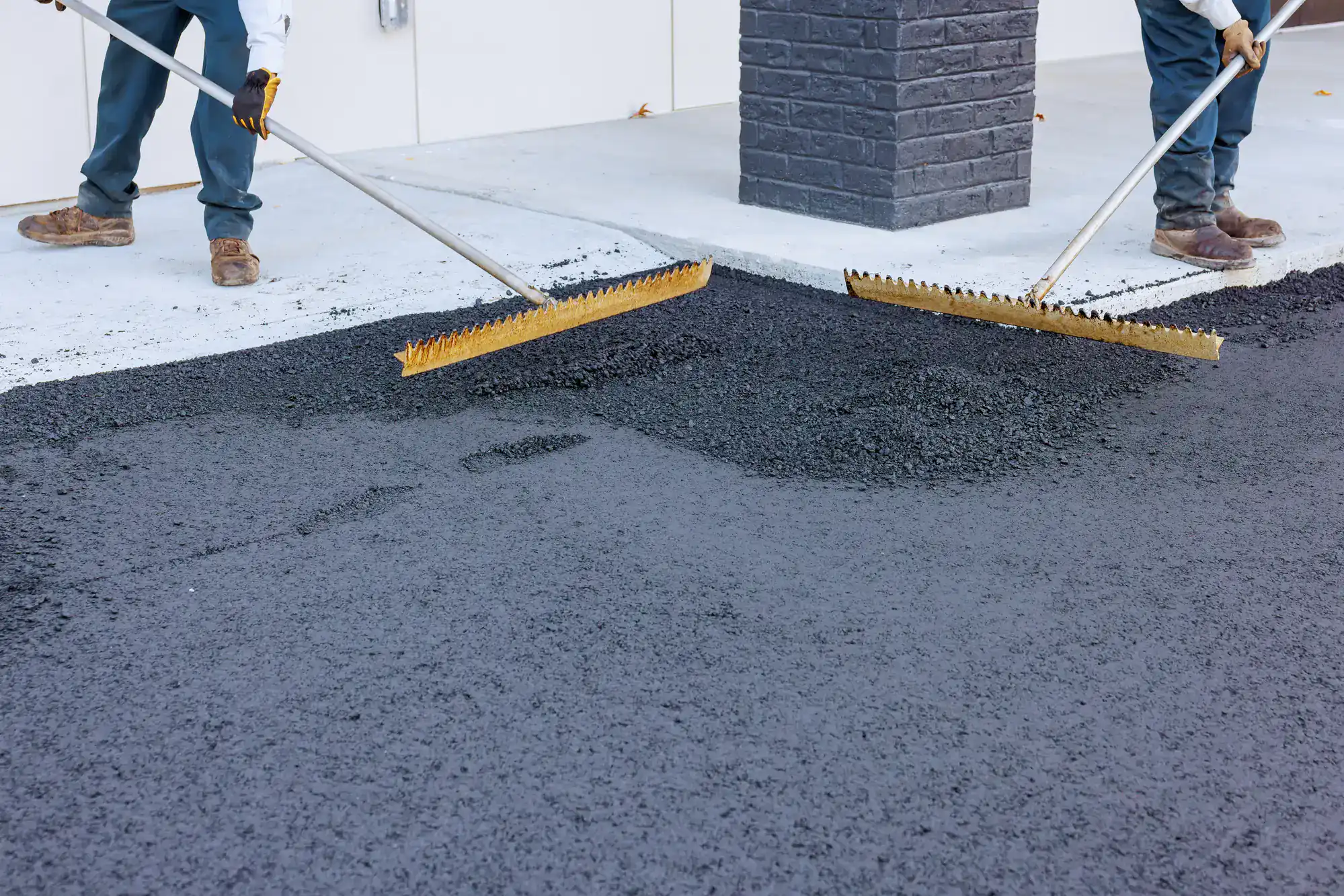
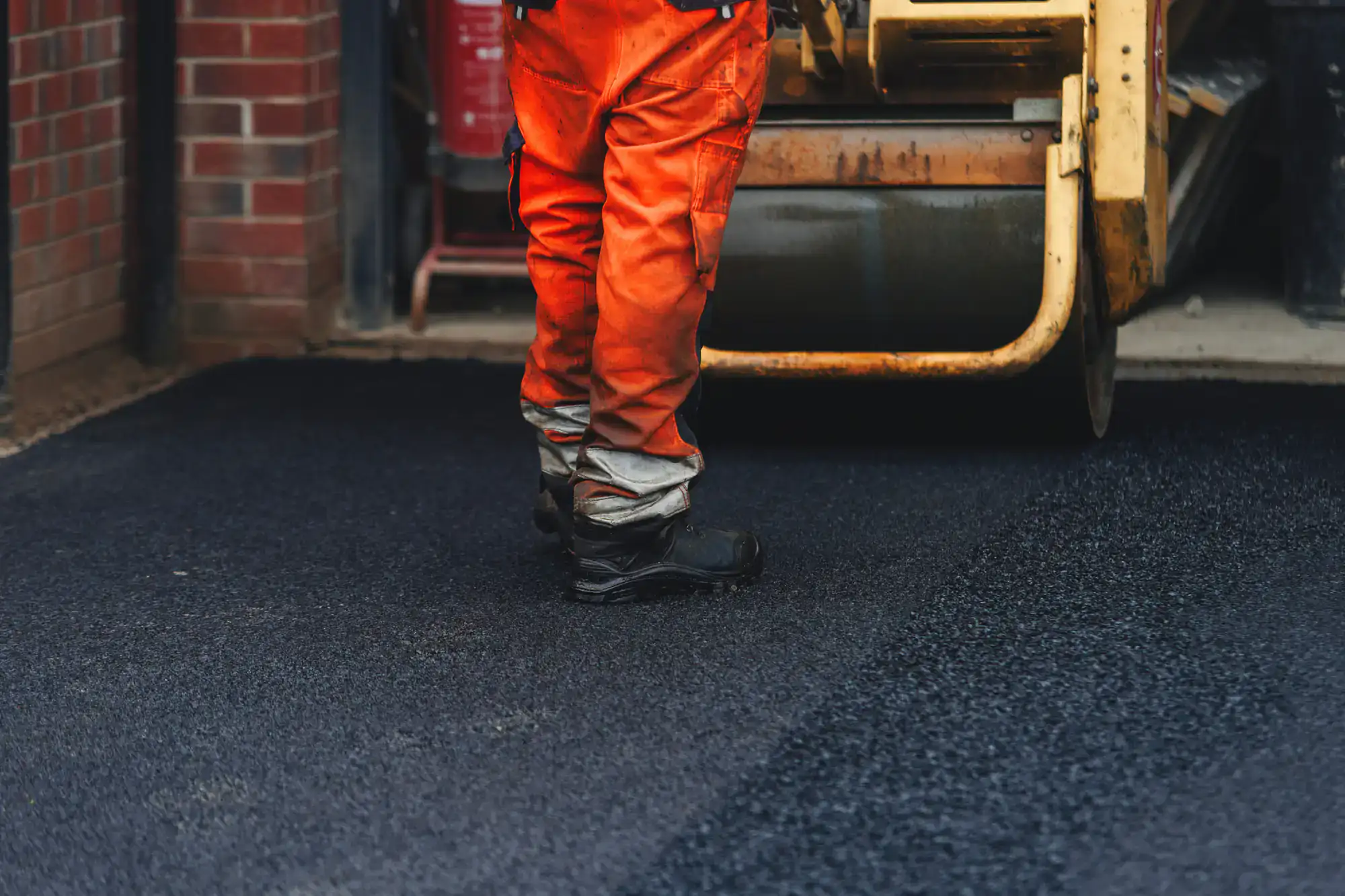
The asphalt installation happens in layers. A strong binder course goes down first, followed by a smooth top coat that’s rolled and compacted while hot. Most medium-sized lots take 2 to 4 days to complete, weather permitting. After the asphalt cures, striping goes on—parking spaces, ADA-compliant handicapped spots, fire lanes, and directional arrows. You’re left with a parking lot that’s ready for use and built to handle years of traffic.
Ready to get started?
A complete parking lot paving project covers more than just laying asphalt. You’re getting proper site grading to prevent water from pooling near entrances or building foundations—something Poyner property owners know matters when summer storms roll through. The base layer is engineered for your specific traffic patterns, whether you’re running a retail center with constant turnover or an office park with lighter, more predictable use.
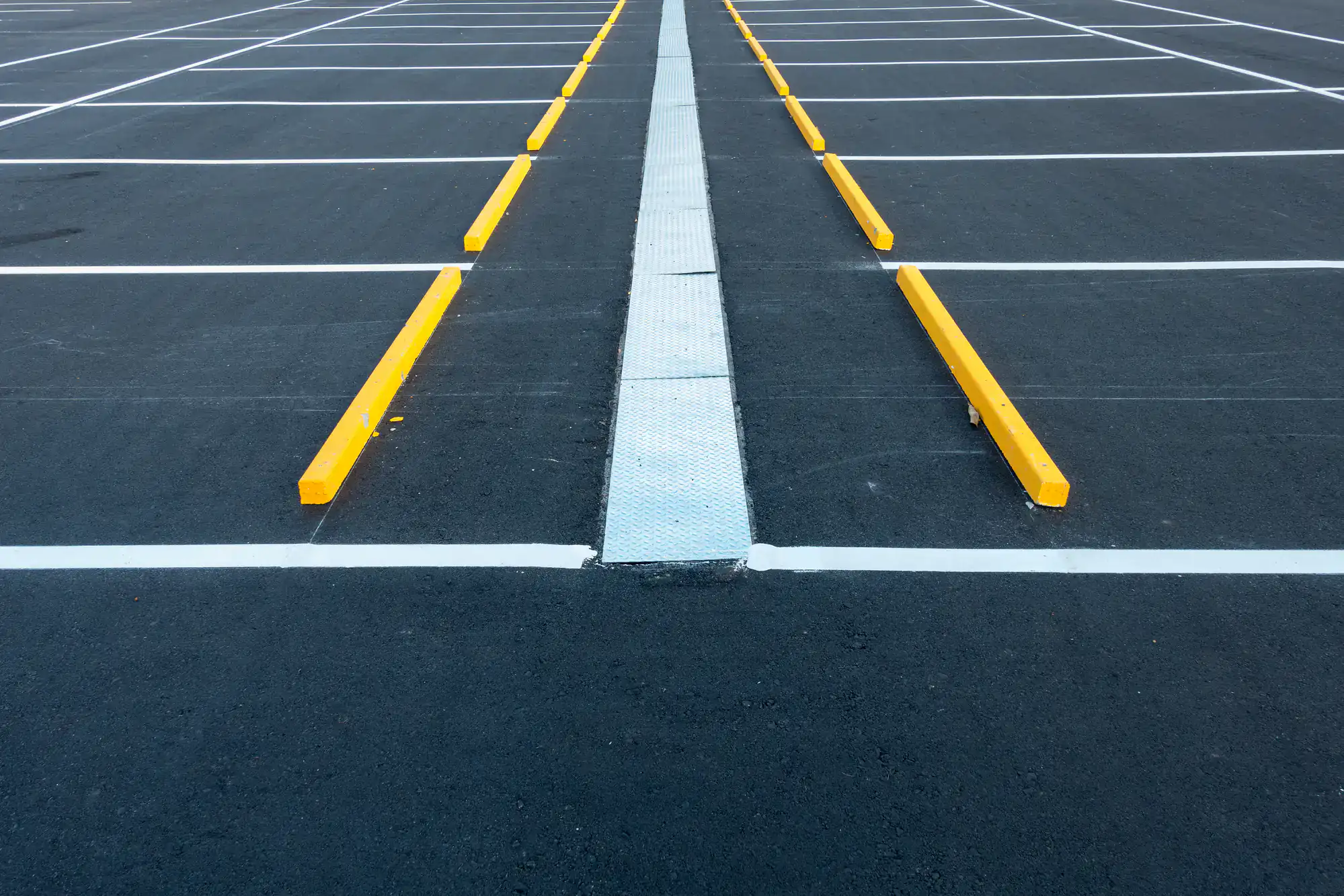
The asphalt itself is installed at the right thickness for your needs. Standard commercial lots typically get 3 to 4 inches of compacted asphalt, but heavier traffic areas might need more. After installation, you get professional striping that maximizes your parking capacity while meeting local codes and ADA requirements. This includes properly sized handicapped spaces, van-accessible spots, and clear traffic flow markings.
Central Florida’s climate demands attention to detail. UV exposure, temperature swings, and heavy rain all impact pavement performance. Quality parking lot installation in Poyner means using materials and techniques that account for these factors. You also get guidance on maintenance schedules—sealcoating every few years, crack filling when needed, and resurfacing down the road—so you can plan ahead and protect your investment long-term.
Most commercial parking lots take between 2 and 4 days to complete, depending on size and scope. Smaller lots might finish faster, while larger projects or those requiring extensive site preparation take longer.
Weather plays a role in Florida. Rain delays paving work because asphalt needs dry conditions for proper installation and compaction. We schedule around forecasts and have backup plans, but you should expect some flexibility in the timeline during rainy season.
If keeping your business operational is critical, the work can often be phased. Half the lot gets done first, then the other half, so you maintain some parking throughout the project. Night and weekend scheduling is also possible for businesses that can’t afford daytime disruptions.
Resurfacing means adding a new layer of asphalt over existing pavement that’s still structurally sound. It’s less expensive—typically $1 to $3 per square foot—and works well when your lot has surface wear but no major base problems. You’re essentially giving it a fresh top coat.
New installation involves removing old pavement, regrading the site, installing a proper base layer, and then laying fresh asphalt. It costs more but gives you a completely rebuilt parking lot that lasts decades. This is necessary when your current lot has failed—major cracks, potholes, base deterioration, or drainage issues.
The decision comes down to condition. If your parking lot is just faded and worn on top, resurfacing makes sense. If you’re constantly patching potholes or dealing with water problems, you need new installation. A site assessment tells you which direction to go and why.
New asphalt parking lot installation in Central Florida typically runs $4 to $10 per square foot, depending on thickness, site preparation needs, and project specifics. A 10,000 square foot lot might cost $40,000 to $100,000 for complete installation.
Resurfacing existing lots costs less—usually $1 to $3 per square foot—because you’re not rebuilding the base. Additional costs include striping, ADA-compliant markings, drainage improvements, and any concrete work like curbing or sidewalk repairs.
Several factors affect your final price: current site conditions, how much excavation is needed, base material requirements, asphalt thickness, and whether you need the work phased to keep your business running. The best approach is getting a detailed estimate that breaks down each component so you know exactly what you’re paying for.
Sealcoating every 2 to 4 years is the most important maintenance step. It protects asphalt from UV damage, moisture penetration, and chemical spills—all common in Florida. Sealcoating costs around $0.14 to $0.25 per square foot and extends your pavement’s life significantly.
Crack filling should happen yearly or whenever you notice cracks forming. Small cracks turn into big problems fast, especially when water gets in and weakens the base. Filling them early costs far less than repairing the damage they cause later.
Plan for resurfacing every 10 to 15 years. Even well-maintained asphalt eventually needs a new top layer. With this schedule, your parking lot can last 20 to 30 years before requiring complete replacement. Regular inspections help you catch issues early and budget for maintenance before problems become emergencies.
Some disruption is unavoidable, but it can be minimized with planning. We offer phased installation, completing one section while keeping another open for parking. This works well for retail centers and office buildings that need to maintain customer access.
Night and weekend work is another option. If your business closes in the evenings or operates primarily on weekdays, paving can happen during off-hours to avoid impacting customers. This approach takes longer but keeps disruptions minimal during peak business times.
Clear communication makes the biggest difference. Knowing exactly when work happens, which areas will be blocked, and how long each phase takes lets you inform customers and plan accordingly. Most parking lot projects move quickly once they start, and the temporary inconvenience pays off with decades of reliable pavement.
Water is asphalt’s biggest enemy, and Poyner gets its share of heavy rain. When water pools on your parking lot or seeps into the base layer, it weakens the structure from underneath. You end up with potholes, cracks, and pavement failure that requires expensive repairs.
Proper drainage means grading your lot so water flows away from buildings and toward drainage systems. In Central Florida, this typically involves a 2% slope to keep water moving. Some lots need additional drainage solutions like catch basins or pervious concrete in specific areas.
Getting drainage right during installation saves you thousands in future repairs. It also prevents flooding at entrances, eliminates standing water that becomes a safety hazard, and protects your building foundation from water damage. It’s not the flashy part of parking lot paving, but it’s one of the most important.
Other Services we provide in Poyner