Hear from Our Customers
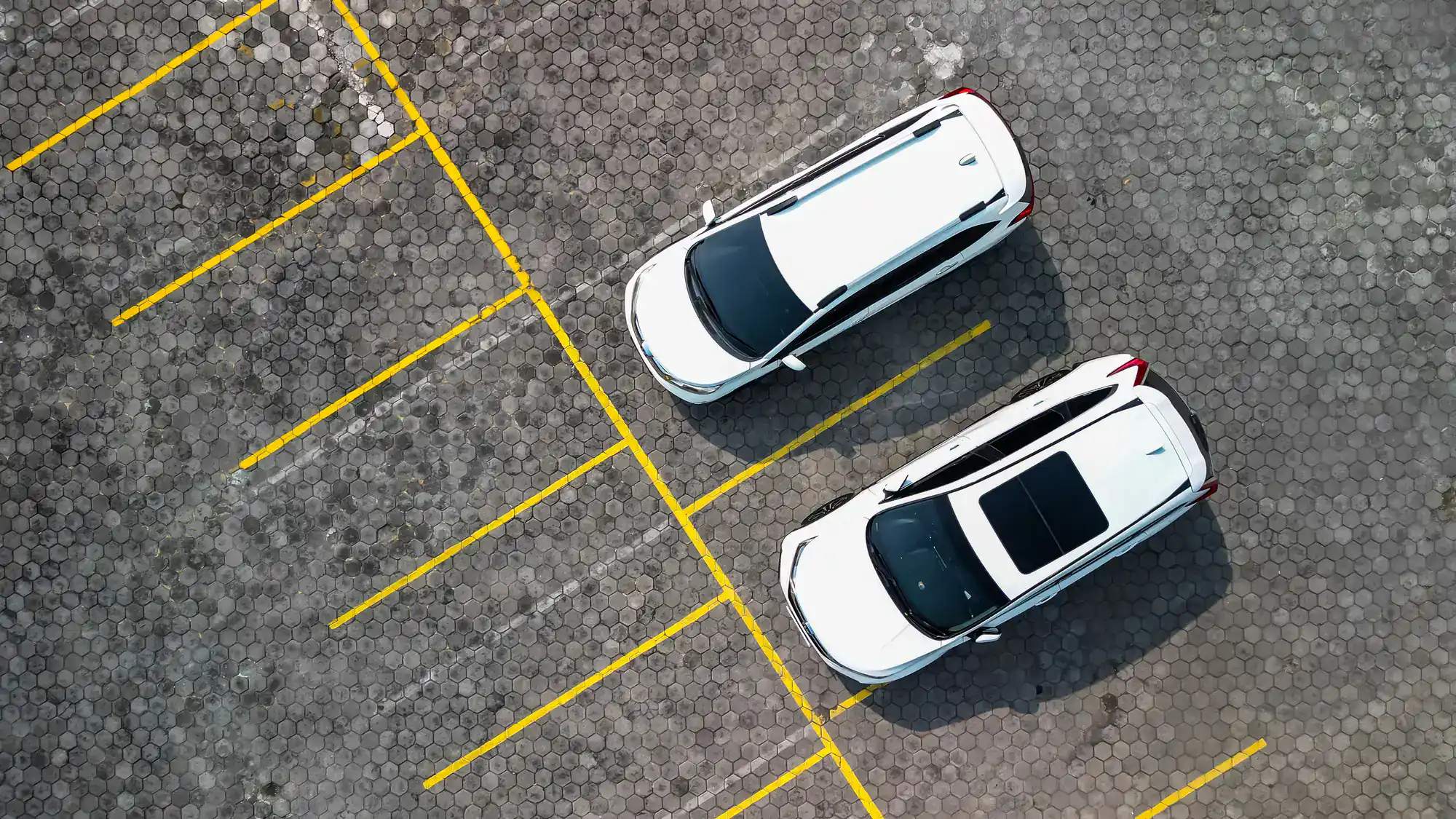
Your parking lot takes a beating. Florida sun cracks the surface. Heavy rain finds every weak spot. Traffic wears it down daily.
You’re not looking for perfection. You’re looking for something that works—a surface that stays smooth, drains properly, and doesn’t need patching every six months.
When it’s done right, you get years of use without the constant headaches. No more pooling water after storms. No more complaints about potholes. Just a clean, functional lot that does its job while you focus on running your business or managing your property. That’s what parking lot paving should deliver, and it’s what you should expect when you’re spending money on something this important.
We’re based in Winter Garden and work throughout Central Florida, including Hesperides and the surrounding Polk County area. We understand what happens to asphalt in this climate because we’ve been dealing with it for years.
Florida isn’t kind to parking lots. The UV rays break down the binders. The heat softens the surface. The afternoon thunderstorms test every seam and crack. Most contractors know how to lay asphalt, but not all of them know how to make it last here.
We focus on proper installation from the start—correct base preparation, appropriate thickness, and drainage that actually works. We also handle repairs, resurfacing, and maintenance for lots that need attention. Every project gets the same approach: clear communication, realistic timelines, and transparent pricing so you know what you’re paying for before work begins.
First, there’s an assessment. We come out, look at your property, check drainage, measure the area, and talk through what you actually need—not what sounds impressive, but what makes sense for your situation and budget.
Then comes site preparation. If it’s new construction, that means grading and compacting the base properly so water drains away instead of pooling. If it’s resurfacing, that means addressing cracks and weak spots first, because asphalt has memory—if you pave over problems, they come back.
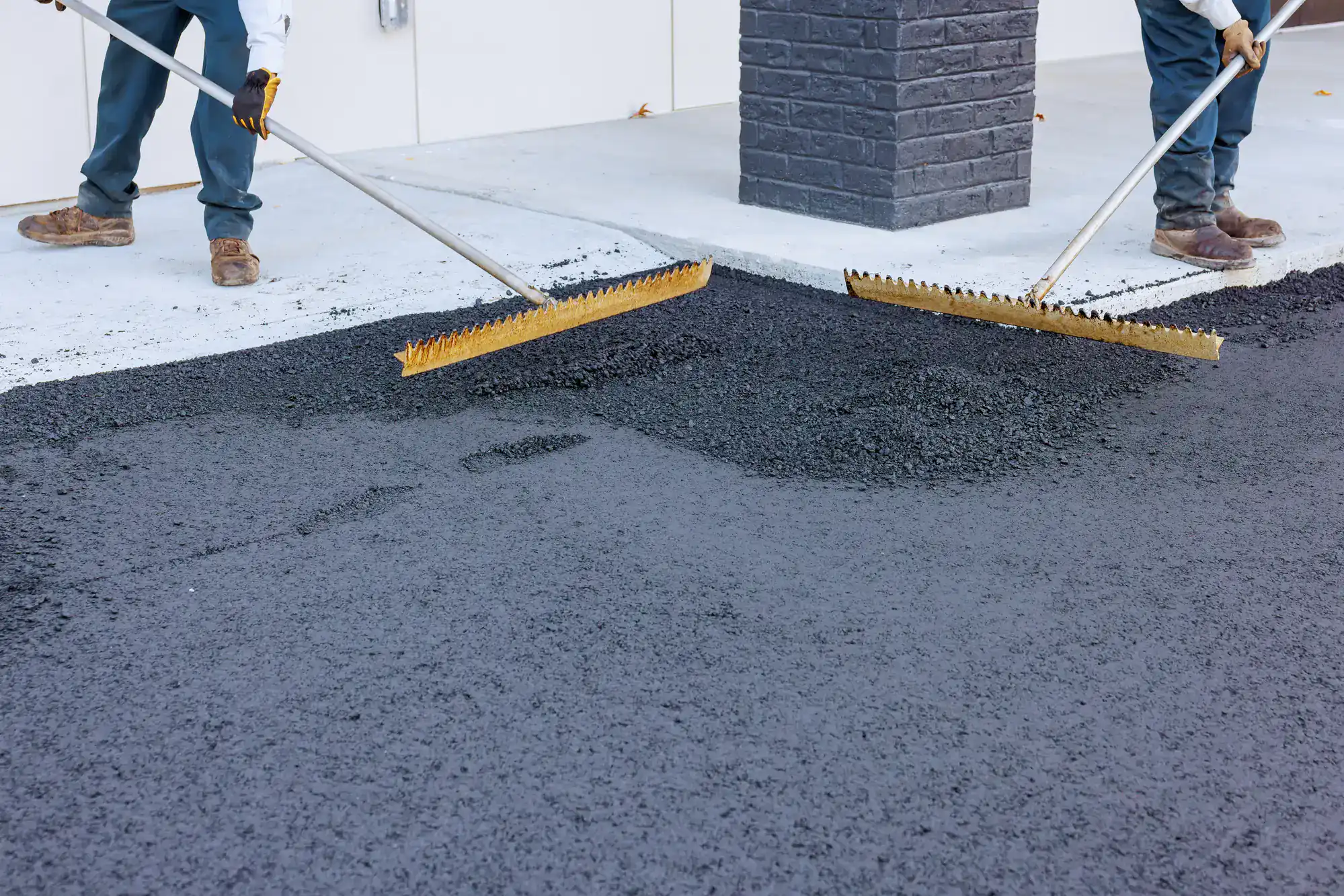
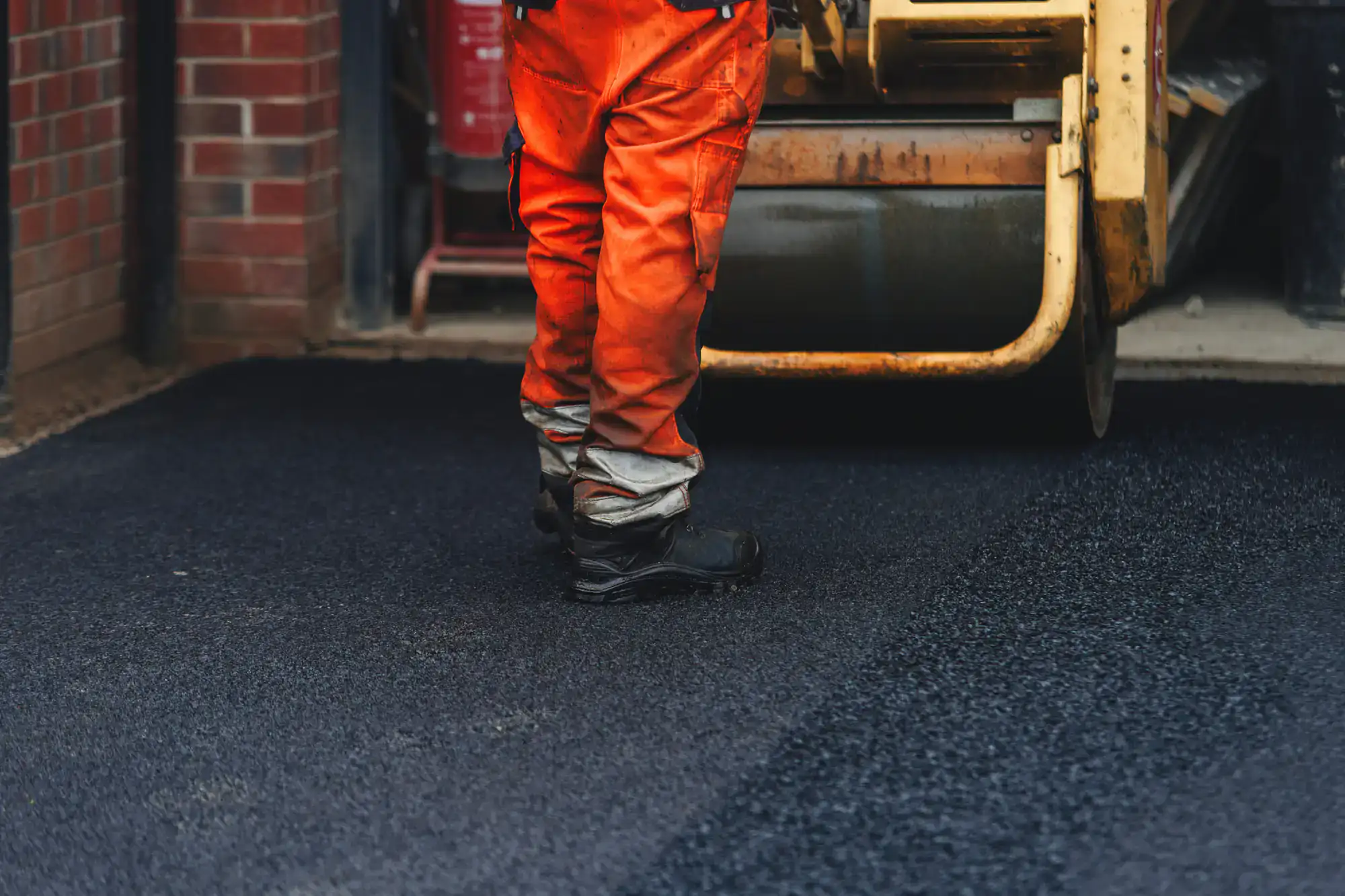
The paving itself happens with the right equipment and materials for Florida conditions. Proper compaction matters. Thickness matters. Getting it level matters. These aren’t details you see, but they’re what determines whether your lot lasts five years or twenty-five.
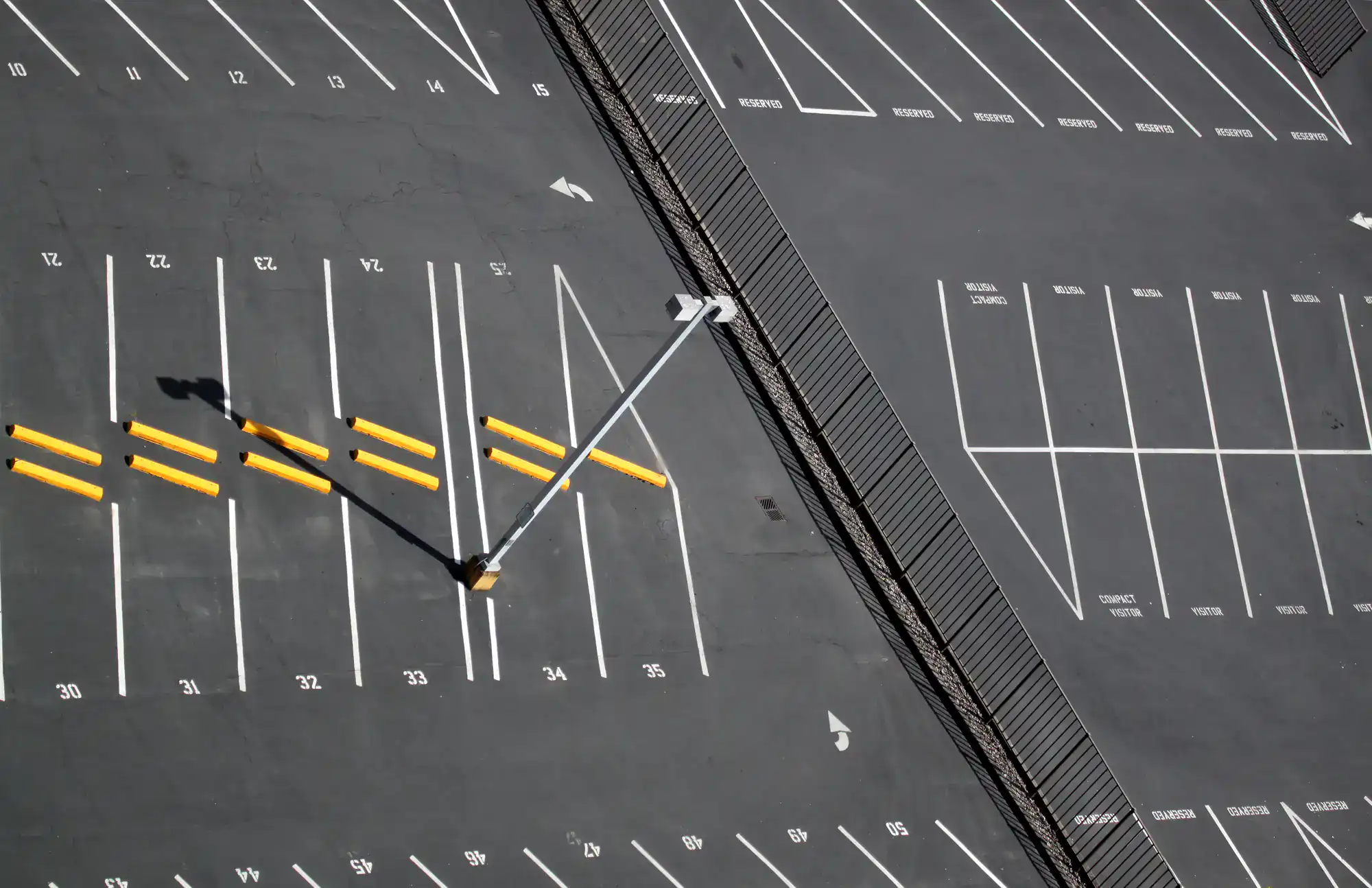
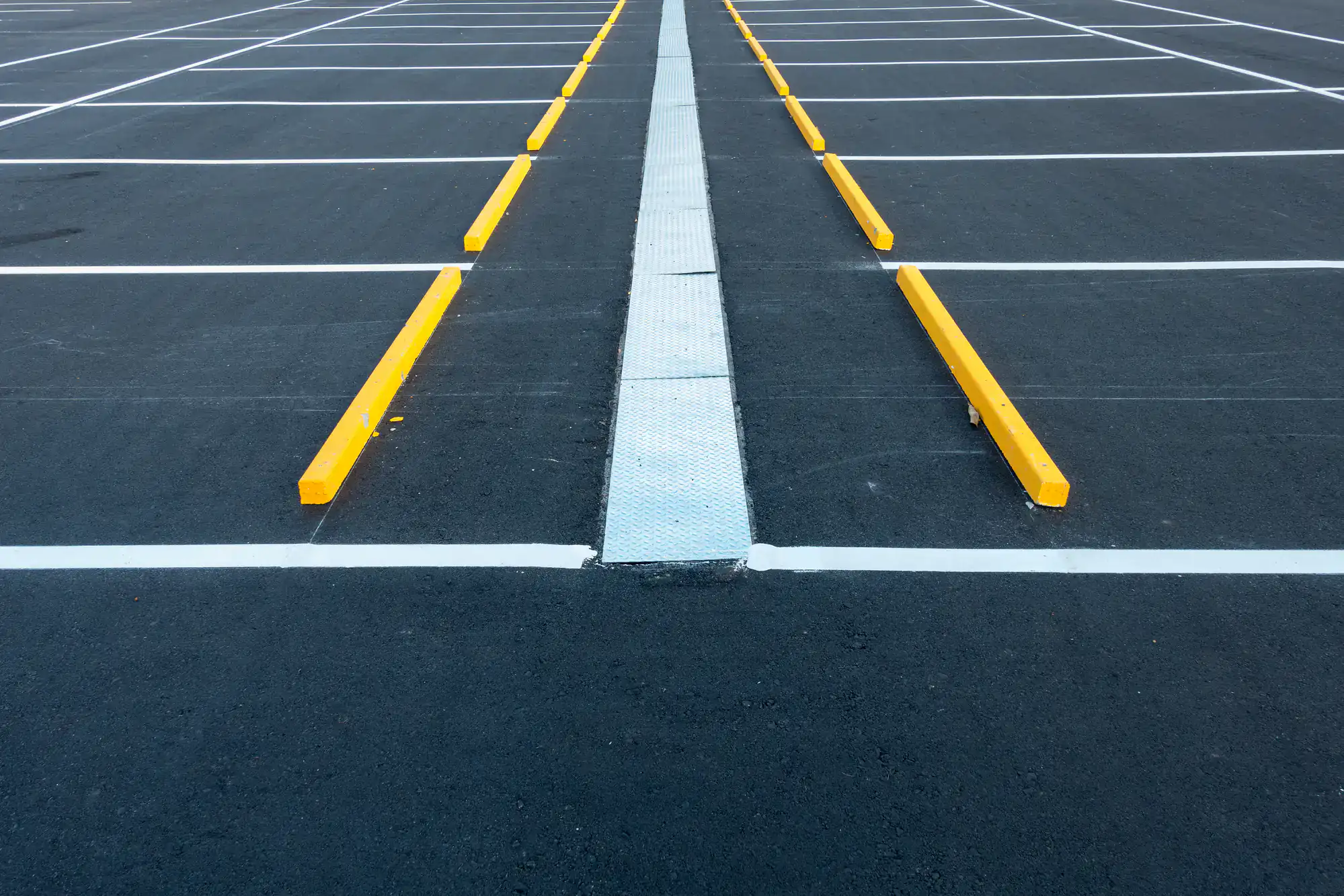
After the asphalt cures, striping goes down—parking spaces, ADA stalls, directional arrows, whatever your lot needs to function safely and meet code. Then you’re done. The lot is ready for traffic, and you’ve got a surface that should hold up to what Central Florida throws at it.
Ready to get started?
You get proper base preparation, which is critical in Florida where drainage determines how long your asphalt survives. Water is the enemy. If it pools or seeps into cracks, it weakens everything underneath and creates potholes. Good drainage design prevents that from happening.
You get asphalt installed at the right thickness for your traffic load. A residential driveway doesn’t need the same depth as a commercial lot with delivery trucks. The installation accounts for what’s actually using the surface.
You get attention to detail during compaction and finishing. Smooth transitions at edges. Proper slope for water runoff. Clean lines where asphalt meets concrete or existing surfaces. These are the things that separate work that lasts from work that fails early.
In Hesperides and throughout Polk County, property owners deal with the same climate challenges—intense summer heat, sudden heavy rains, and year-round sun exposure that fades and cracks untreated asphalt. We account for these local conditions in every installation. That means using materials and techniques proven to hold up here, not just copying what works up north. The goal is simple: give you a parking lot that functions properly and doesn’t need constant babysitting.
Cost depends on size, material choice, site conditions, and what prep work is needed. Asphalt typically runs $3 to $7 per square foot installed, while concrete costs $4 to $7 per square foot. Resurfacing an existing lot is cheaper—usually $1 to $3 per square foot—if the base is still solid.
A 10,000 square foot lot might cost $25,000 to $70,000 depending on those variables. If your site needs extensive grading, drainage work, or base repair, that adds to the total. If it’s straightforward with good access and minimal prep, costs stay lower.
The best way to know what you’ll actually pay is to get us out to look at your specific situation. We provide free estimates that give you a clear breakdown of what’s included, what’s extra, and what options you have. Don’t just go with the lowest number—make sure you understand what you’re getting for the price.
Asphalt costs less upfront and installs faster, which matters if you need to reopen quickly. It’s also easier to repair when problems develop—you can patch sections without replacing the whole surface. In Florida’s heat, asphalt performs well as long as it’s maintained with sealcoating every few years.
Concrete costs more initially but lasts longer—30 to 40 years versus 20 to 25 for asphalt. It handles heavy loads better and needs less maintenance over time. The tradeoff is that concrete repairs are more visible and expensive when they’re necessary.
For most commercial applications in Central Florida, asphalt makes sense because of the cost savings and flexibility. For areas with extremely heavy traffic or specific aesthetic requirements, concrete might be worth the investment. Your decision should factor in your budget, timeline, expected traffic, and how long you plan to own the property.
A typical parking lot installation takes anywhere from a few days to a couple of weeks, depending on size and complexity. Small lots might be done in two to three days. Larger commercial projects with extensive prep work can take longer.
The timeline breaks down roughly like this: site prep and base work take the most time, especially if drainage needs attention. The actual asphalt installation happens relatively quickly once prep is complete. Then the surface needs time to cure before striping goes down and traffic can use it—usually 24 to 48 hours depending on conditions.
Weather affects everything in Florida. Summer afternoon storms can delay work. Extreme heat can impact when paving happens during the day. We build some buffer into the schedule and communicate clearly if delays occur. You should get a realistic timeline upfront, not an optimistic guess that sets false expectations.
Resurfacing means adding a new layer of asphalt over the existing surface. It’s cheaper and faster than full replacement, and it works well when the base is still solid but the top layer is worn, faded, or showing surface cracks. Before resurfacing, any significant cracks or potholes get filled so they don’t telegraph through the new layer.
Repaving means removing the old asphalt completely and installing a new surface from the base up. You do this when the base has failed, when there’s extensive cracking throughout, or when drainage issues have compromised the foundation. It costs more but gives you essentially a brand new lot.
The decision comes down to the condition of what’s underneath. If you’ve got widespread alligator cracking, major potholes, or areas that have sunk or shifted, resurfacing just covers up problems temporarily. We’ll be honest about which approach makes sense for your situation. Sometimes spending more upfront saves you from doing the job twice.
Sealcoating is the most important maintenance task for asphalt in Florida. Plan on doing it every two to three years to protect against UV damage, water penetration, and oxidation. It’s not optional if you want your lot to last—Florida sun destroys untreated asphalt faster than almost anywhere else.
Address cracks as soon as you notice them. Small cracks turn into big cracks, which turn into potholes, which turn into expensive repairs. Crack filling is cheap and quick when caught early. Waiting costs you more later.
Keep the surface clean and make sure drainage stays clear. Debris buildup traps moisture against the asphalt and accelerates deterioration. Clogged drains cause water to pool, which weakens the base and creates failures. Basic cleaning and inspection twice a year catches most problems before they become serious. Your parking lot is an investment—treating it like one extends how long it serves you.
Water is the biggest threat to asphalt in Florida. When it can’t drain properly, it sits on the surface, seeps into cracks, and works its way down to the base layers. Once water compromises the base, you get soft spots, settling, and eventually potholes that require expensive repairs.
Florida gets around 55 inches of rain annually, and much of it comes in heavy afternoon storms that dump water fast. If your lot doesn’t have proper slope and drainage design, that water has nowhere to go. It pools, it penetrates, and it destroys your pavement from underneath.
Good drainage design isn’t complicated, but it has to be part of the plan from the beginning. That means grading the lot with appropriate slope, installing catch basins or drains where needed, and making sure water flows away from the pavement rather than sitting on it. This is one area where cutting corners during installation costs you significantly over the life of the lot. Proper drainage is what separates parking lots that last from parking lots that fail early.
Other Services we provide in Hesperides