Hear from Our Customers
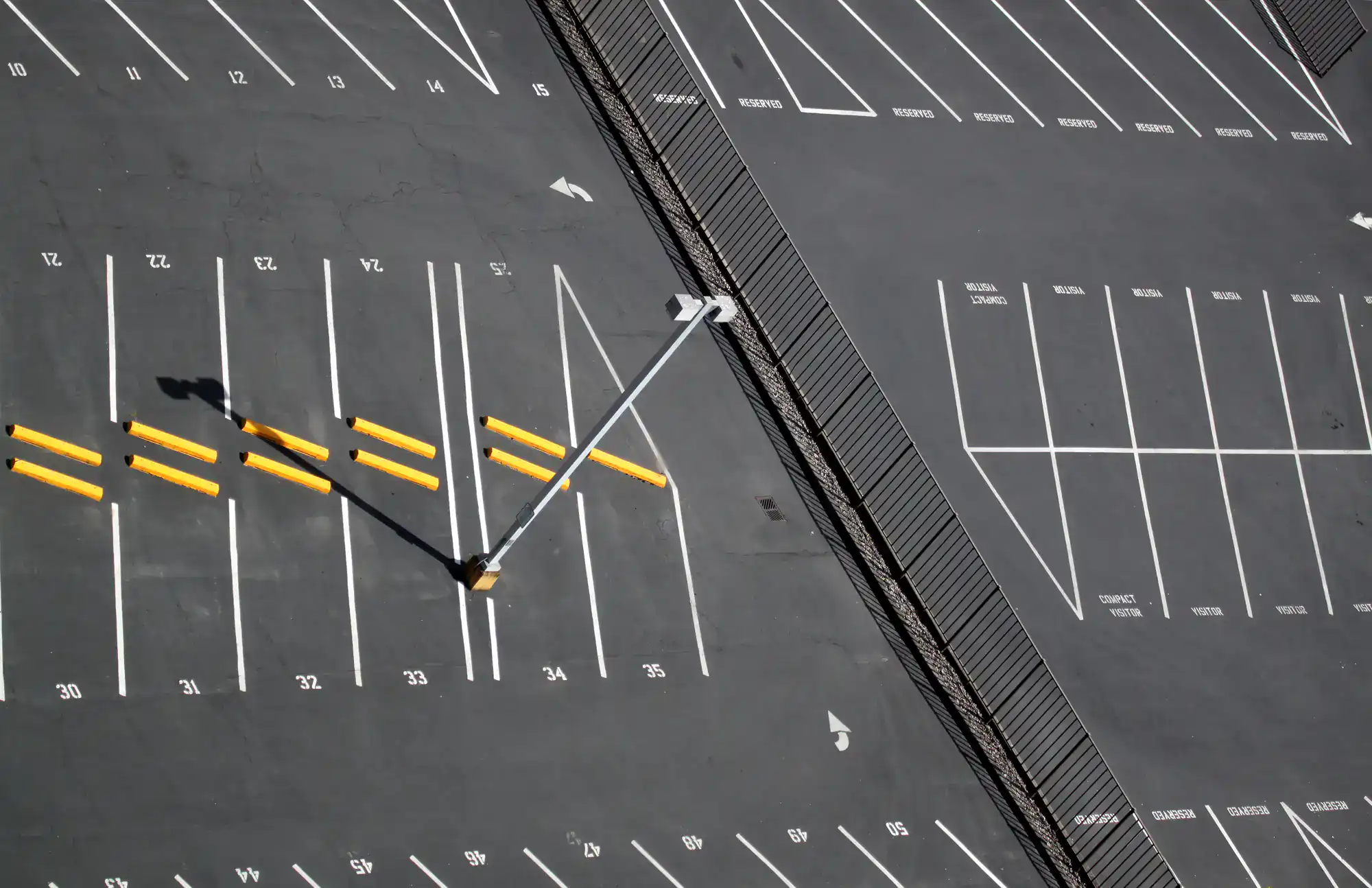
You need a parking lot that doesn’t crack apart after the first summer storm. One that doesn’t flood every time it rains or send customers tripping over potholes. When the asphalt is installed correctly, you stop thinking about it.
No more emergency calls about standing water. No more worrying whether someone’s going to twist an ankle in your lot and call their lawyer. Just a smooth, safe surface that handles whatever Florida throws at it.
That’s what proper parking lot paving gets you. A solid base that drains correctly. Asphalt thick enough for your traffic load. Installation done by people who understand that Central Florida’s soil and afternoon downpours aren’t the same as what works up north. Your lot becomes an asset instead of a liability.
We’ve been handling parking lot paving across Central Florida from our Winter Garden base, serving commercial property owners in Bonnie and throughout the region. We work on everything from small business lots to larger retail centers.
Our crews understand how soil behaves around Bonnie, how to grade for proper drainage when afternoon thunderstorms dump two inches in an hour, and what thickness of asphalt actually holds up to Florida’s heat and humidity. We use modern equipment and don’t cut corners on base prep, because that’s where most parking lot failures start. Free consultations mean you know what you’re paying for before work begins.
First, our crew assesses your site. We’re looking at drainage patterns, soil conditions, and traffic load. This determines whether you need four inches of asphalt or six, and where water needs to flow so it doesn’t pool in your lot.
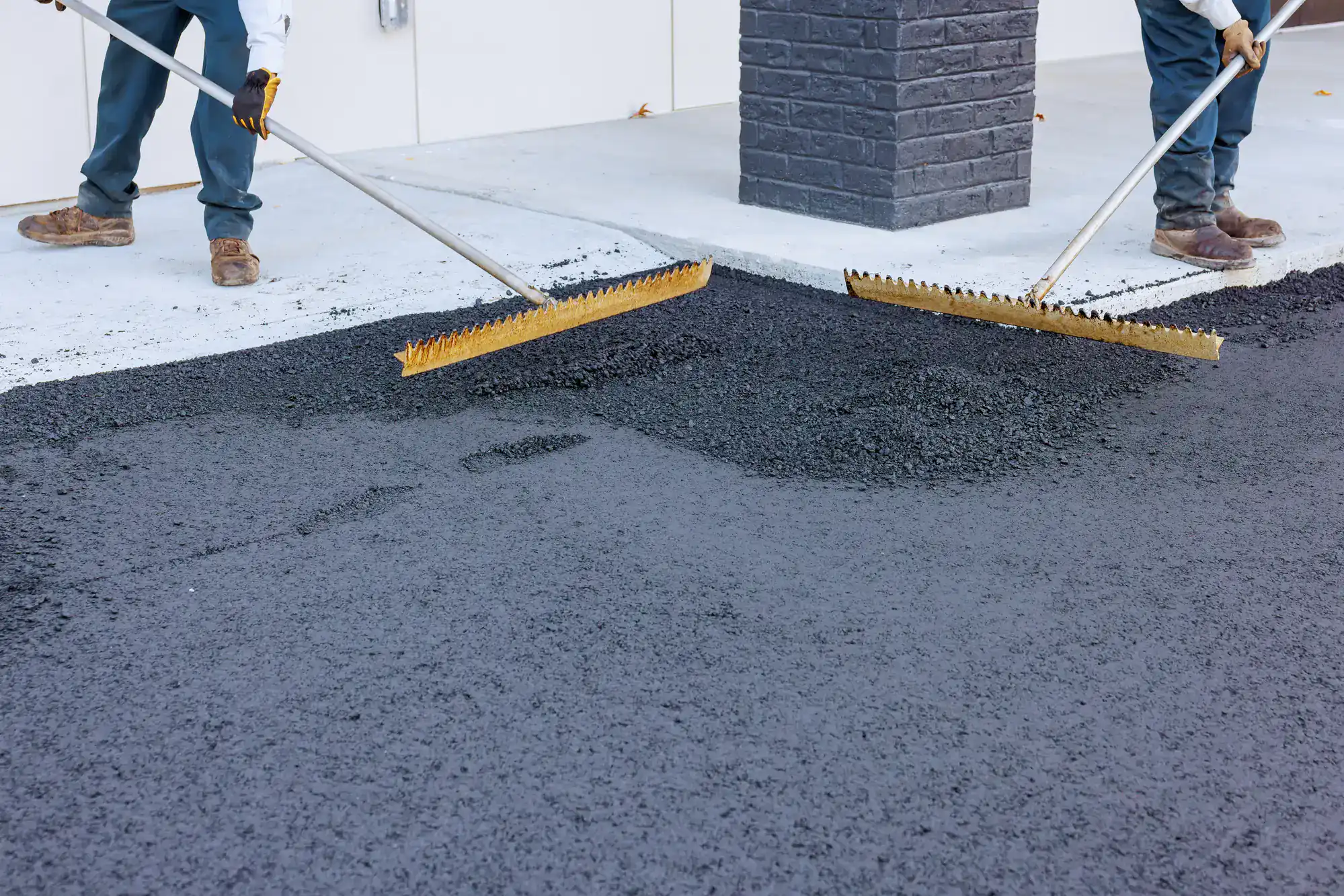
Next comes site prep. Old pavement gets removed if you’re replacing an existing lot. The ground gets graded with a slight slope so water runs off instead of sitting there breaking down your asphalt. Then comes the base layer: eight to twelve inches of gravel, compacted until it’s solid. Skip this step or do it poorly, and your lot will fail early.
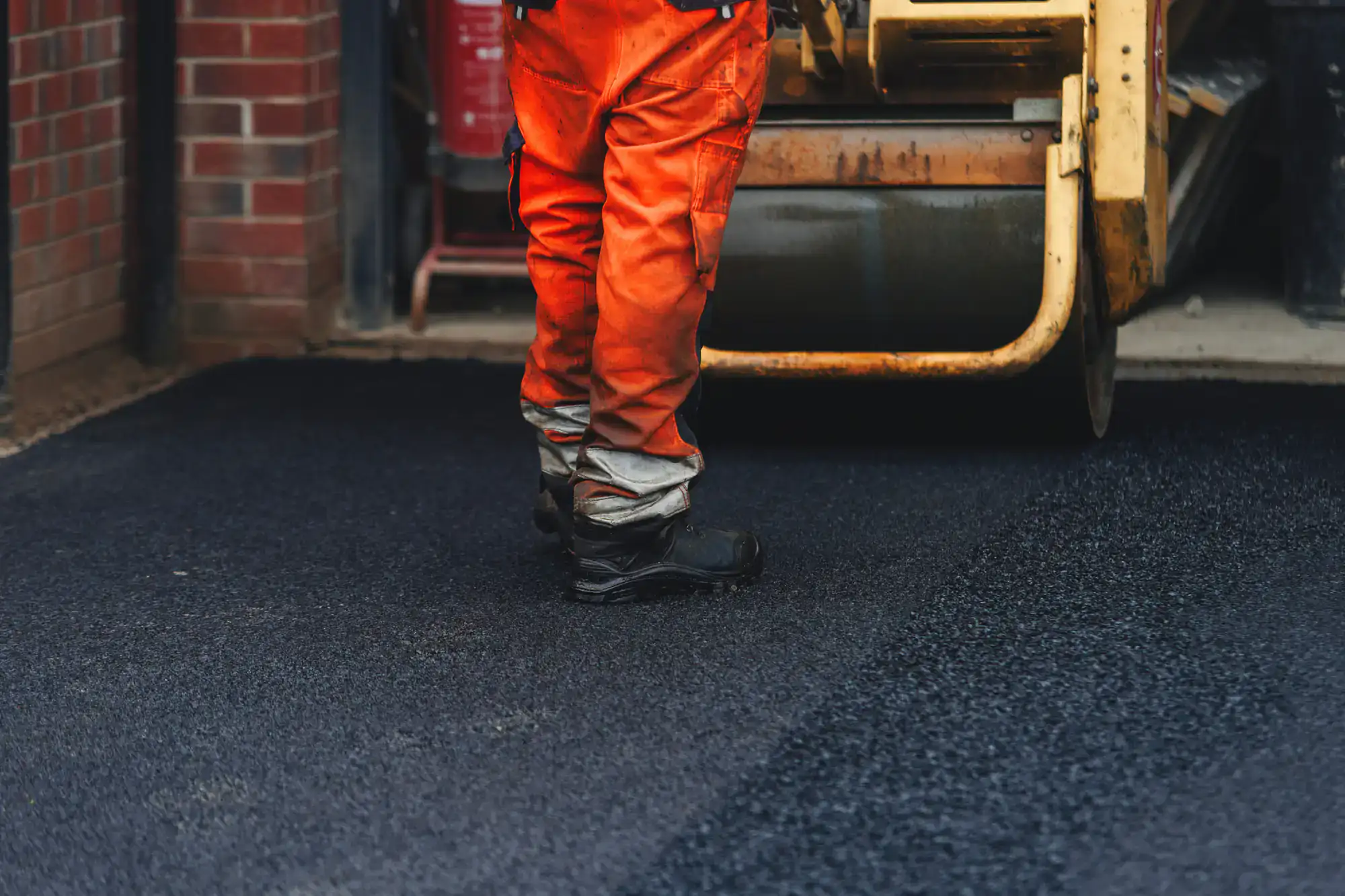
After the base is ready, asphalt goes down in layers. A binder course first, then the top layer that gives you a smooth finish. Everything gets compacted with heavy rollers while it’s still hot. Once it cures, lines get painted for parking spaces and traffic flow. The whole process typically takes a few days to a couple weeks depending on your lot size.
Ready to get started?
When we handle your parking lot paving in Bonnie, you get complete installation designed for Central Florida conditions. That means proper grading so water doesn’t turn your lot into a lake during summer storms. It means a compacted gravel base that won’t shift and settle under traffic. And it means asphalt thickness appropriate for whether you’re parking sedans or delivery trucks.
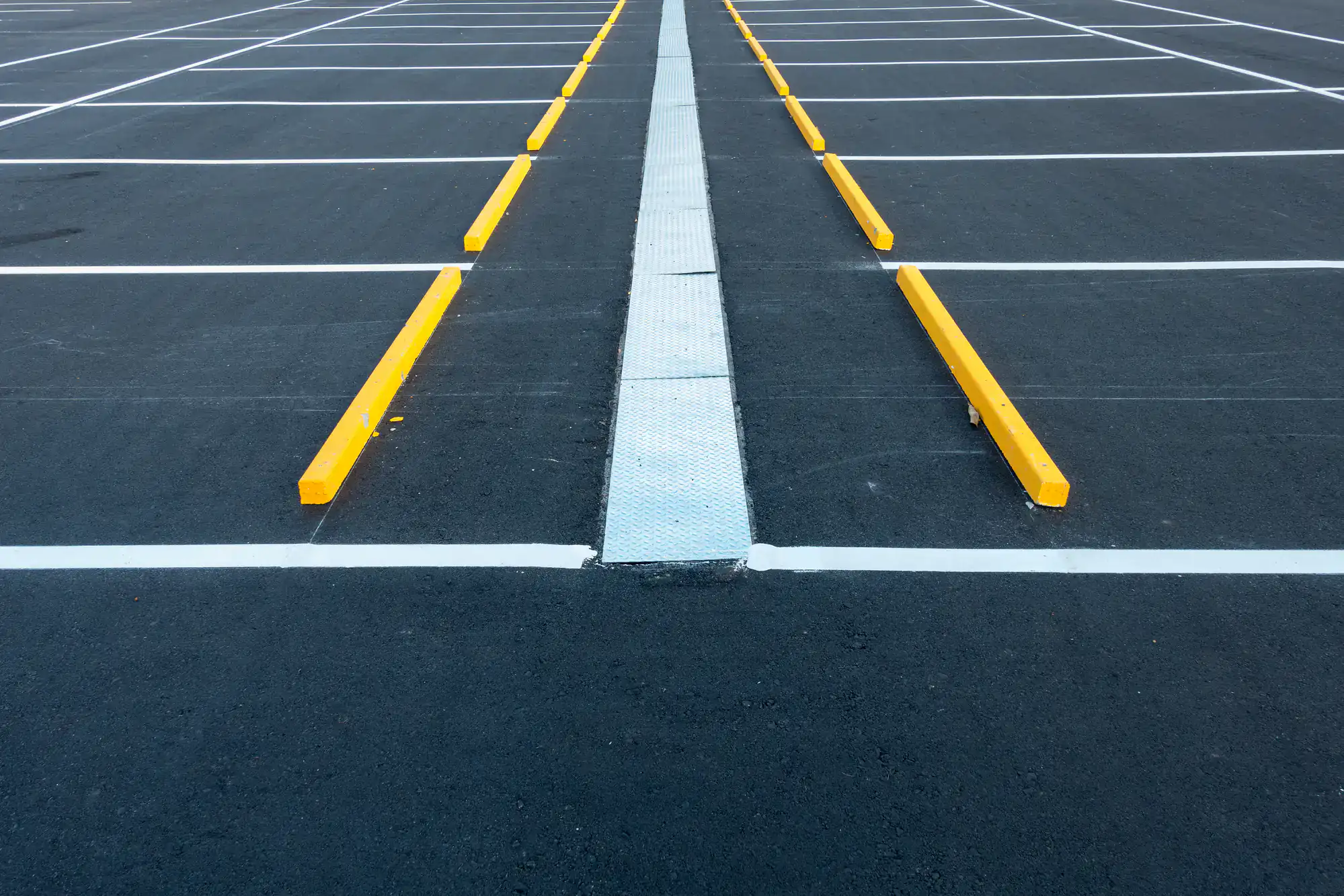
The work includes ADA-compliant design because that’s not optional. You need proper slopes for wheelchair access and designated parking spaces that meet code. Line striping comes standard so your lot is functional the day it opens. If you’re resurfacing an existing lot instead of starting from scratch, the process includes milling off the damaged top layer before new asphalt goes down.
Bonnie’s location in Central Florida means dealing with sandy soils that need proper compaction, afternoon thunderstorms that test your drainage, and heat that can soften poorly mixed asphalt. We work here regularly and know these challenges. We know that a parking lot serving a busy retail center needs different specs than one for a small office building.
Most parking lot paving projects in Bonnie take anywhere from a few days to two weeks, depending on the size of your lot and whether you’re starting from scratch or resurfacing. A small commercial lot might be done in three to five days. Larger projects can stretch to two weeks or more.
Weather plays a role too. You can’t pave in the rain, and Florida’s afternoon thunderstorms can delay work. We schedule around weather forecasts, but summer storms are unpredictable. The actual paving happens relatively quickly once site prep is done. It’s the base work that takes time—grading, compacting gravel, ensuring proper drainage.
Rushing that part leads to problems later. Expect a realistic timeline that accounts for doing the job properly, not just getting it done fast.
Resurfacing means milling off the top layer of damaged asphalt and replacing it with fresh material. It works when your base is still solid but the surface is cracked, faded, or worn. You’re giving your lot a new top coat. This costs less than full replacement and takes less time.
Complete replacement means tearing out everything down to the dirt, rebuilding the base, and installing new asphalt from the ground up. You need this when the base has failed—when you see major settling, widespread alligator cracking, or areas where the whole structure has deteriorated. If water has compromised your base or the original installation was done poorly, resurfacing won’t fix the underlying problems.
We’ll tell you honestly which one you need. Resurfacing when you actually need replacement just wastes money. The decision comes down to what’s happening below the surface.
Commercial parking lot paving in Bonnie typically runs between $2.50 and $7 per square foot for asphalt, depending on site conditions, asphalt thickness, and project complexity. A small lot of 5,000 square feet might cost $12,500 to $35,000. Larger lots bring the per-square-foot cost down because setup costs get spread across more area.
Several factors push costs up or down. If your site needs significant grading or has drainage issues, expect to pay more for site prep. Heavy-duty lots that serve trucks need thicker asphalt than standard car parking. Adding features like decorative borders or complex striping patterns increases costs.
Resurfacing an existing lot costs less—usually $1 to $3 per square foot—because you’re not rebuilding the base. Get quotes from contractors who’ll actually visit your site. Anyone giving you a firm price over the phone without seeing your property is guessing.
The two big maintenance tasks are sealcoating and crack filling. Sealcoating should happen every two to four years and costs around $0.14 to $0.25 per square foot. It protects your asphalt from sun damage, water penetration, and chemical spills. Think of it as sunscreen for your parking lot—it prevents the kind of deterioration that leads to expensive repairs.
Crack filling needs to happen as soon as you spot cracks forming. Small cracks let water seep into your base, especially during Florida’s rainy season. Once water gets under your asphalt, it weakens the base and causes bigger problems. Filling cracks early costs a few hundred dollars. Ignoring them until you need major repairs costs thousands.
Beyond that, keep your lot clean. Sweep away debris that can hold moisture against the asphalt. Fix drainage issues promptly if you notice standing water. With proper maintenance, your parking lot should last 20 to 30 years. Without it, you might be repaving in ten.
Central Florida gets hammered with rain, especially during summer months when afternoon thunderstorms can dump several inches in a short time. Without proper drainage, that water has nowhere to go. It pools on your lot, seeps into cracks, and slowly destroys your asphalt from underneath.
Standing water accelerates every type of pavement damage. It weakens your base material, expands existing cracks, and creates the conditions for potholes to form. In Florida’s heat, water sitting on asphalt also speeds up oxidation and surface deterioration. Plus, customers don’t want to wade through puddles to reach your business.
Proper drainage means grading your lot with a slight slope—typically two percent—so water flows toward designated drainage areas. This isn’t optional in Florida. Your lot will fail prematurely without it, no matter how good the asphalt quality is. Any contractor who doesn’t prioritize drainage in their plan doesn’t understand Central Florida paving.
Technically yes, but there are better and worse times. Asphalt needs temperatures above 50 degrees to install properly, which isn’t an issue in Bonnie since even winter temperatures stay well above that. The real challenge is rain. You can’t pave in wet conditions, and Florida’s summer brings daily afternoon thunderstorms that can shut down work.
We prefer fall through early spring for parking lot paving because weather is more predictable. Summer projects can stretch longer due to weather delays, though early morning starts before afternoon storms can work. Winter offers the most consistent weather windows.
If you need paving done during summer, plan for flexibility in your timeline. A project estimated at five days might take seven or eight if storms interrupt work. The asphalt itself performs fine in Florida’s heat once it’s installed and cured. It’s the installation process that weather affects. Talk to us about realistic scheduling based on the season.
Other Services we provide in Bonnie