Asphalt Maintenance in Nichols, FL

Keep Your Pavement Strong Against Florida Heat

Professional asphalt maintenance that actually lasts in Central Florida’s demanding climate, protecting your investment from costly repairs.
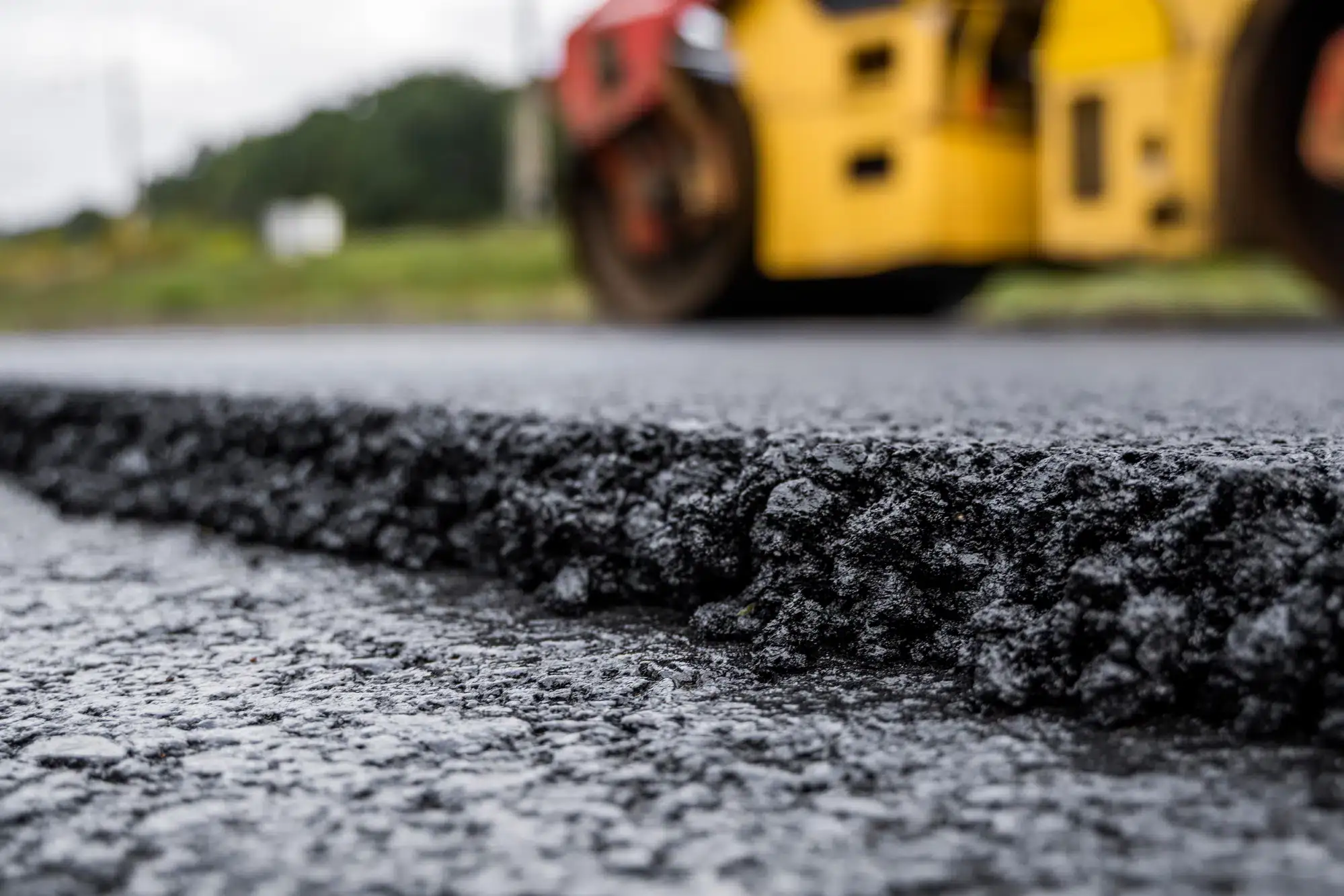
Close-up of freshly laid asphalt with construction equipment in the background.

Hear from Our Customers

Asphalt paving worker spreading fresh asphalt on a road during construction.

Professional Asphalt Services Nichols

Your Pavement Problems Actually Get Solved

You’re tired of watching your asphalt crack and fade every summer. Florida’s relentless heat and sudden downpours aren’t just tough on you – they’re destroying your pavement investment year after year.

Here’s what changes when you get real asphalt maintenance. Your parking lot stops embarrassing you in front of customers. Those dangerous potholes disappear before someone gets hurt. Your driveway looks professional again instead of like a liability waiting to happen.

Most importantly, you stop throwing money away on emergency repairs. Proper maintenance means your asphalt lasts 20-30 years instead of needing replacement every few years. That’s real money back in your pocket.

Nichols Asphalt Maintenance Experts

We Actually Understand Florida's Climate Challenges

Central Florida Blacktop Paving Inc. has been serving Nichols and surrounding areas with one simple approach: clear agreements and honest work. No surprises, no runarounds, just dependable results.

We’ve seen what Florida’s climate does to asphalt. The UV rays that crack your surface, the humidity that slows proper curing, the sudden storms that find every weak spot. That’s why we use asphalt mixes specifically rated for our temperatures and recommend maintenance schedules that actually work in Central Florida.

You get a team that shows up when promised, explains what needs doing, and delivers results that hold up against our brutal summers and surprise storms.
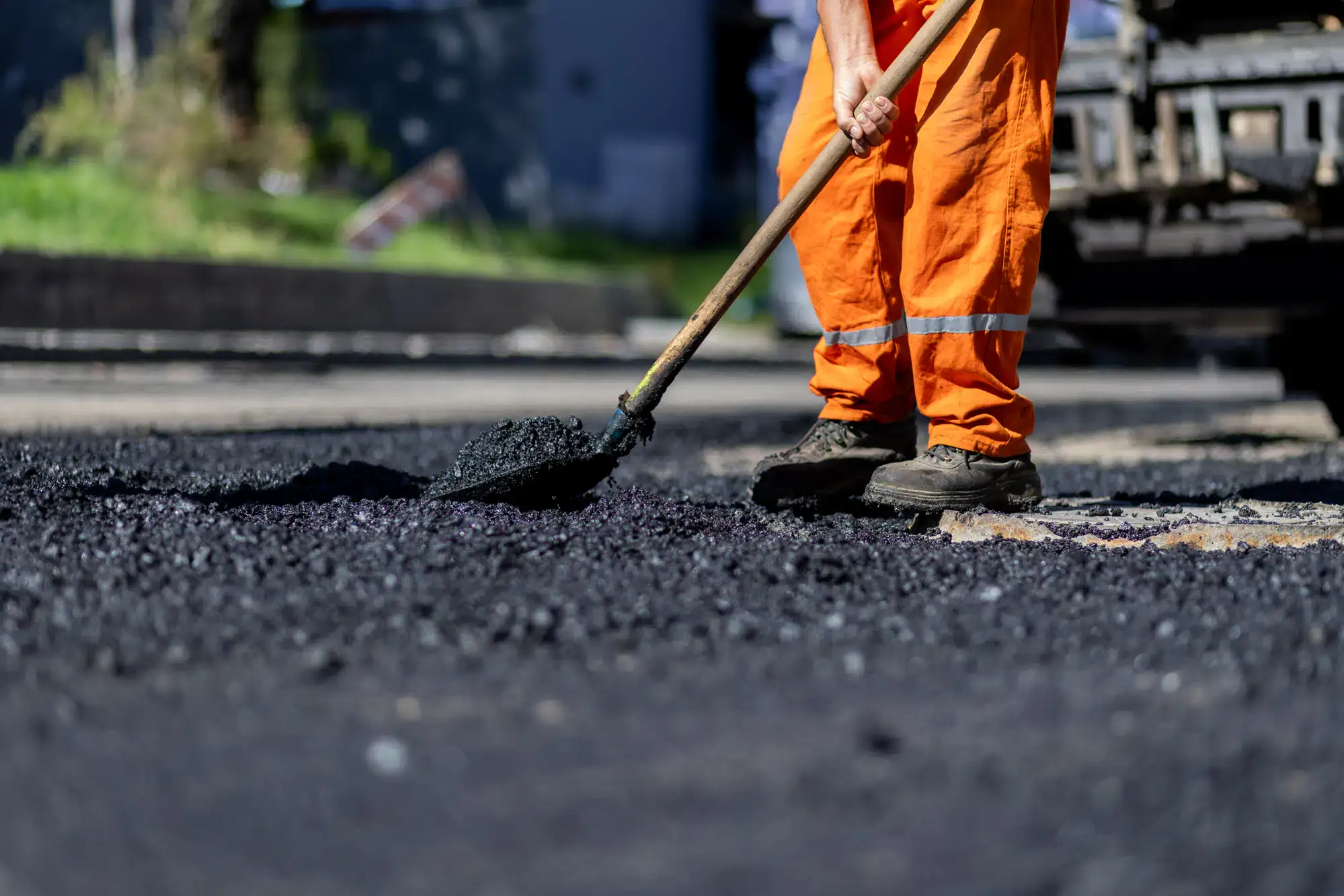
Asphalt paving worker laying fresh asphalt for a driveway or road construction project.

Asphalt Maintenance Process Nichols

No Mysteries, Just Clear Steps Forward

First, we inspect your asphalt surface completely. Not just the obvious problems – we look for the early signs that save you money later. Hairline cracks, drainage issues, areas where the binder is starting to fail.

Then we explain exactly what needs attention now versus what can wait. You get a clear plan with realistic timelines, not scare tactics or unnecessary work.

The actual maintenance happens fast and right. We seal cracks before water gets in, apply sealcoating when conditions are perfect for bonding, and handle repairs with materials designed for Florida’s heat. Every step gets communicated so you know what’s happening and why.
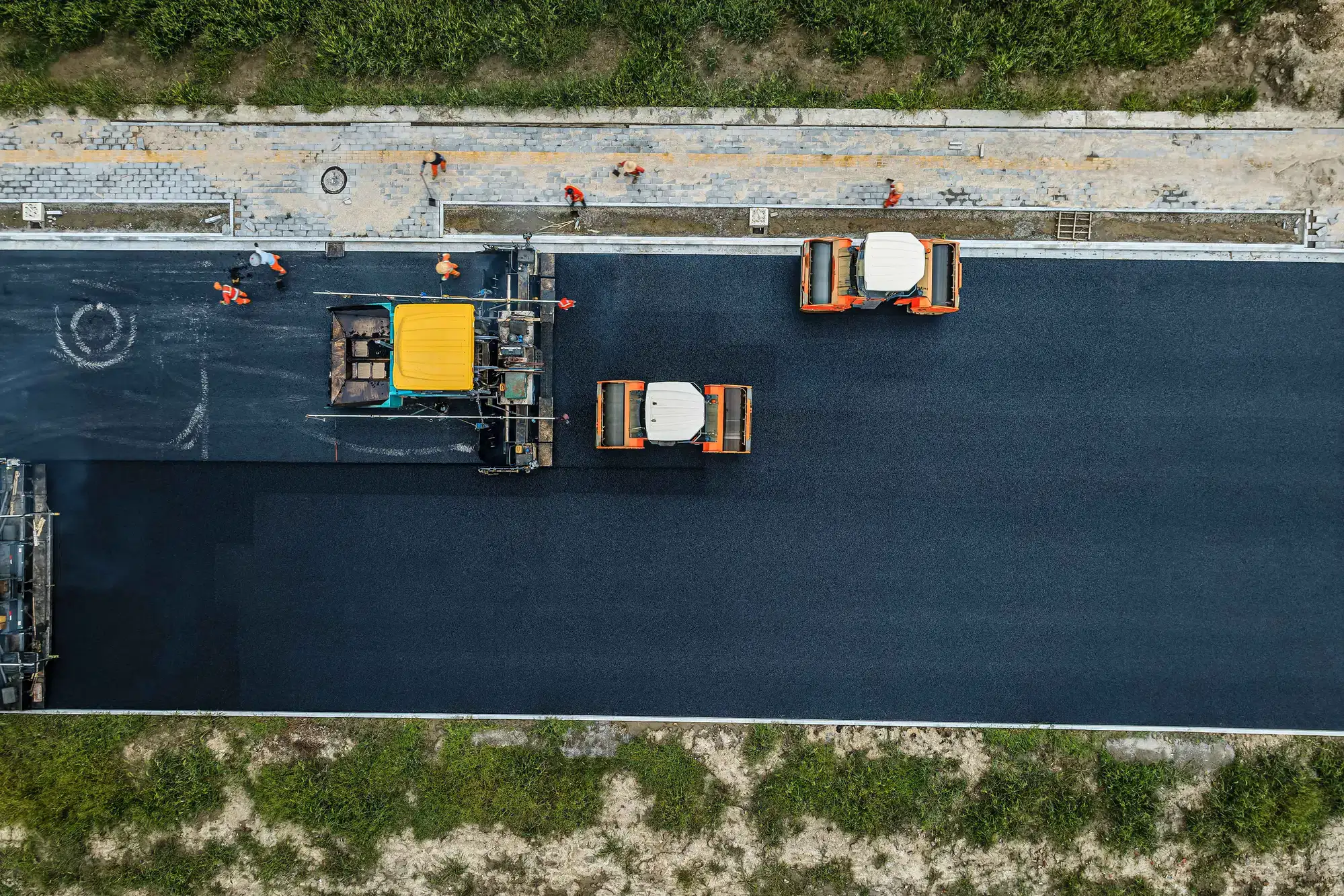
Asphalt paving process on street in Central Florida, paving contractors installing fresh blacktop.

Ready to get started?

Explore More Services

About Central Florida Blacktop Paving

Get a Free Consultation

Nichols Asphalt Maintenance Services

Everything Your Pavement Needs to Survive Florida

Your asphalt maintenance includes crack sealing that actually stops water infiltration, not just cosmetic fixes. We use hot-applied sealants that expand and contract with Florida’s temperature swings without failing.

Sealcoating gets applied with UV protectants specifically for our intense sun. This isn’t generic black paint – it’s protection engineered for Central Florida conditions. We time applications for optimal curing in our humidity.

In Nichols, we see the same patterns: parking lots that fail along drainage lines, driveways that crack where cars turn, commercial surfaces that soften in afternoon heat. Our maintenance addresses these local challenges before they become expensive problems.
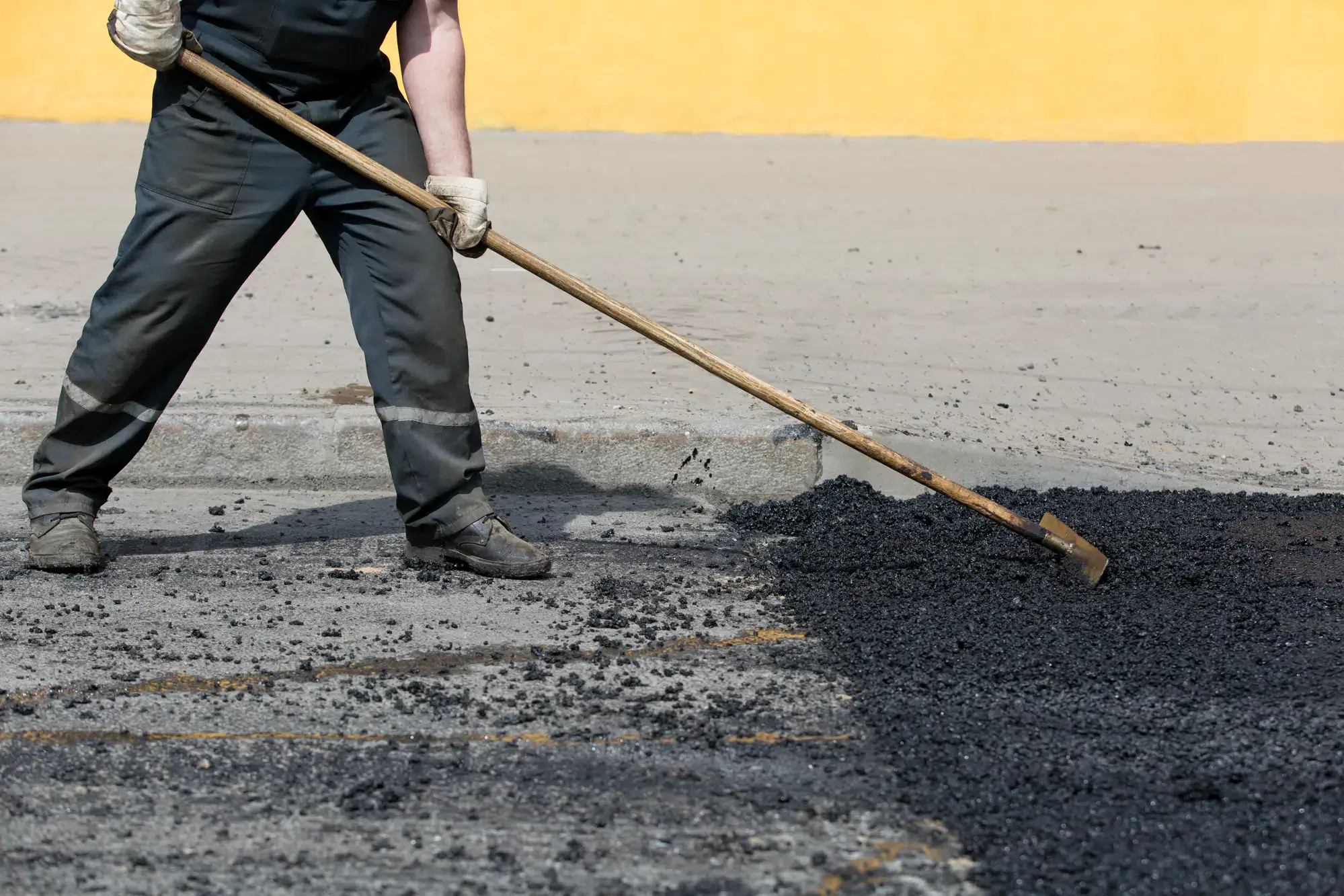
Asphalt paving worker spreading fresh asphalt on a road.

How often should I seal coat my asphalt in Nichols, Florida?

In Florida’s climate, you should sealcoat every 2-3 years to combat the harsh effects of UV rays and heavy rainfall. This isn’t the same schedule you’d follow up north – our year-round sun and humidity demand more frequent protection.The timing matters as much as the frequency. We typically recommend sealcoating during warmer months when the heat actually helps the material bond better with your surface. Waiting longer than three years usually means you’re looking at more expensive repairs instead of simple maintenance.Your specific timeline depends on traffic load and sun exposure, but don’t wait until you see significant cracking. By then, you’re past maintenance and into repair territory.
Florida’s intense UV radiation breaks down the binding agents in asphalt, making your surface brittle and prone to cracking. Unlike northern climates where cold is the main enemy, here it’s the combination of heat, humidity, and sudden temperature changes from afternoon storms.The UV rays react with oils in the asphalt, causing oxidation that weakens the entire structure. Add in our humidity, which slows proper curing of repairs, and you get accelerated deterioration that surprises property owners who moved here from other climates.Standing water from poor drainage makes everything worse. Water seeps into small cracks, weakens the base layers, and creates the potholes that seem to appear overnight after heavy rains.
Yes, but timing and technique are critical. We avoid working during extreme heat because softened asphalt can deform under equipment weight. Early morning or late afternoon work often produces better results than midday repairs.Summer actually offers advantages for certain maintenance tasks. Sealcoating bonds better in warm conditions, and crack sealing materials flow deeper into crevices when temperatures are elevated. The key is using materials specifically designed for hot climate applications.We monitor weather conditions and adjust our schedule accordingly. A sudden afternoon thunderstorm can ruin a sealcoating job, so we plan around Florida’s predictable weather patterns to ensure proper curing and long-lasting results.
Surface cracking and minor drainage issues usually mean maintenance can extend your pavement’s life significantly. If you’re seeing isolated potholes, fading, or hairline cracks, proper maintenance now prevents expensive replacement later.Replacement becomes necessary when you have widespread structural failure – large areas where the base has failed, extensive alligator cracking, or sections that stay soft even in cooler weather. Multiple potholes appearing quickly often indicate base layer problems that maintenance can’t fix.The age factor matters too. Well-maintained asphalt in Florida can last 20-30 years, but neglected surfaces might need replacement after just 10-15 years. A professional assessment can determine whether you’re looking at a few thousand in maintenance or tens of thousands in replacement costs.
Crack sealing uses hot-applied materials that bond to crack walls and move with Florida’s temperature changes without losing adhesion. This creates a waterproof seal that prevents moisture infiltration – critical in our climate where water damage happens fast.Crack filling uses cold-applied materials that simply fill the void but don’t bond as effectively. In Florida’s heat, these materials often shrink or pull away from crack walls, allowing water to penetrate and cause base layer damage.For Central Florida conditions, crack sealing provides better long-term protection because it handles our dramatic temperature swings and heavy rainfall. The initial cost is higher, but you avoid repeated repairs and the water damage that leads to expensive base layer problems.
Florida’s extreme heat can soften asphalt beyond its design limits, especially if the original mix wasn’t formulated for our climate conditions. When surface temperatures exceed 140°F, standard asphalt begins to lose its firmness and can become tacky underfoot or under tires.This happens more frequently with older installations or when maintenance has been deferred. Oxidized asphalt loses its ability to handle temperature extremes, and surfaces without proper sealcoating absorb more heat, creating a cycle of deterioration.The solution involves using polymer-modified asphalt for repairs and maintaining proper sealcoating schedules. These materials stay firmer in extreme heat and reflect more solar energy, keeping surface temperatures lower and preventing the sticky conditions that damage your pavement and frustrate users.

Other Services we provide in Nichols