Gravel and Grading in Rock Ridge, FL

Rock-Solid Foundations Start Here

Professional gravel and grading that prevents flooding, eliminates drainage headaches, and creates stable surfaces that last for decades in Rock Ridge.
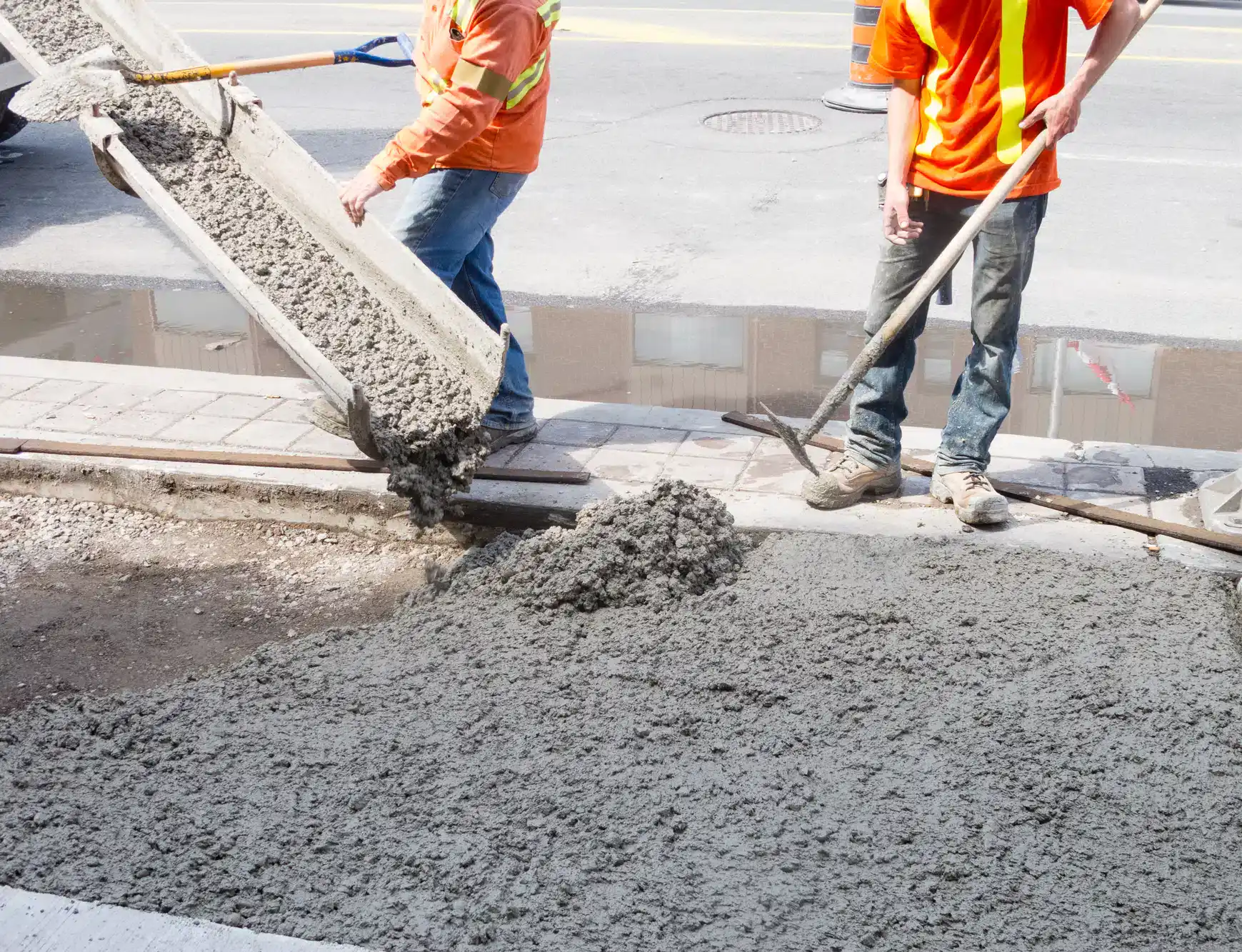
Central Florida Blacktop Paving professionals pouring asphalt and paving a sidewalk.

Hear from Our Customers

Crushed gravel material used for asphalt paving in Central Florida blacktop paving projects.

Professional Grading Services Rock Ridge

No More Water Problems or Uneven Surfaces

Your property works the way it should when water flows where it belongs and surfaces stay level. That means no more standing water after storms, no more rutted driveways that damage your vehicles, and no more erosion eating away at your investment.

Proper grading isn’t just about moving dirt around. It’s about understanding how water moves across your land and creating slopes that work with gravity, not against it. When done right, you’ll have stable surfaces that handle Florida’s heavy rains without turning into swamps or washouts.

The difference shows up immediately. Driveways that used to puddle now shed water cleanly. Construction sites that were mud pits become solid work platforms. Properties that flooded regularly stay dry, even during the worst storms.

Rock Ridge Excavation Contractors

We Know Central Florida Ground

We’ve been solving drainage and grading problems across Rock Ridge and the surrounding areas for years. We understand how Florida’s unique limestone substrate behaves, why certain areas flood, and what it takes to create lasting solutions.

Rock Ridge sits in an area where proper drainage isn’t optional—it’s essential. The local soil conditions and seasonal rainfall patterns demand contractors who know what they’re doing. We’ve seen what happens when grading gets done wrong, and we’ve fixed plenty of those problems.

Our team brings the right equipment and the local knowledge that makes the difference between a job that works and one that fails when the next big storm hits.
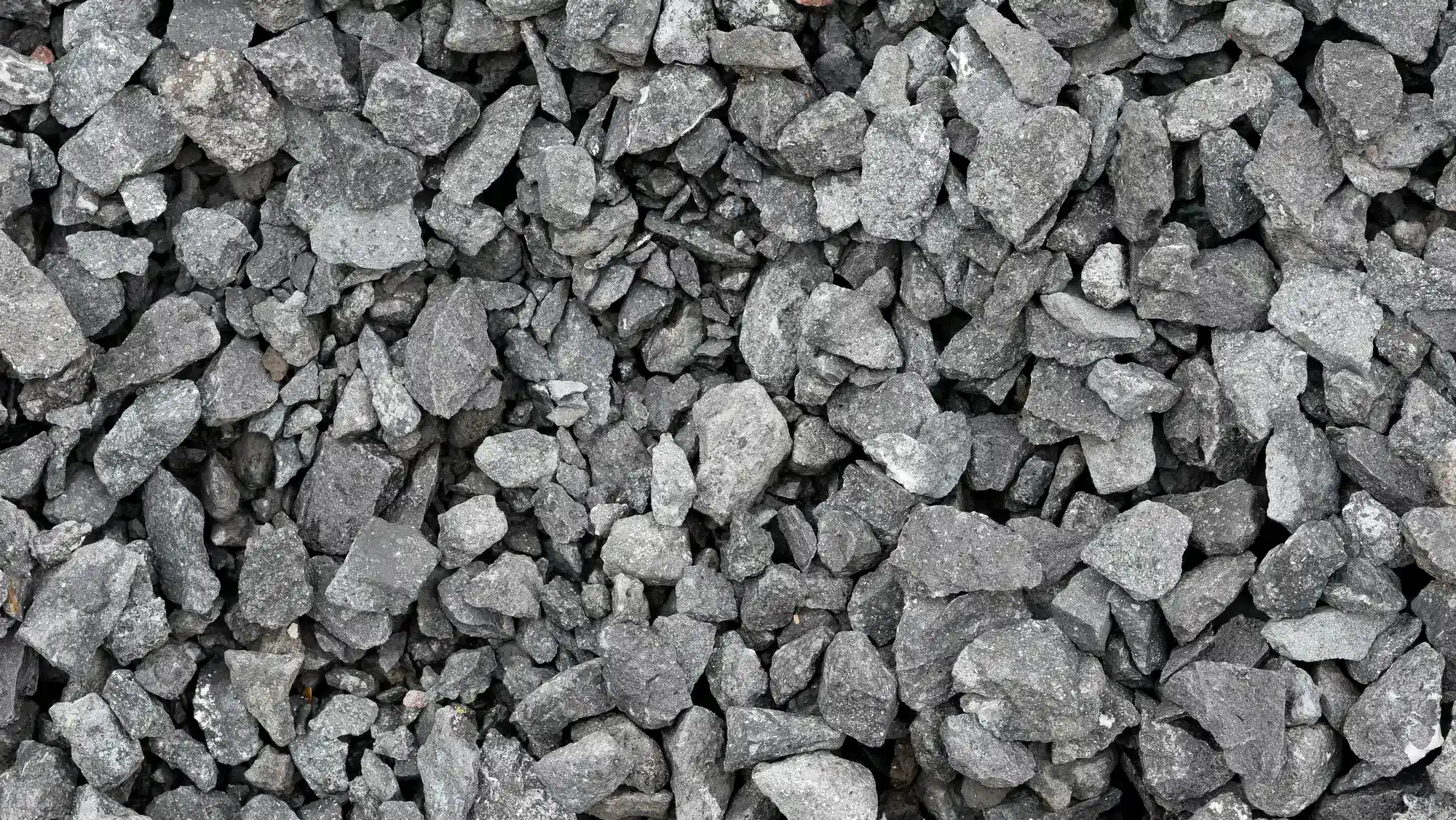
Crushed gray stone used for asphalt paving and driveway installation

Site Grading Process Rock Ridge

How We Handle Your Grading Project

Every project starts with understanding what you’re dealing with. We survey the site to see how water currently moves, where problems exist, and what needs to change. This isn’t guesswork—we use the right tools to get accurate readings on slopes, drainage patterns, and soil conditions.

Next comes the actual grading work. Our equipment operators know how to create the precise slopes needed for proper drainage while maintaining the stability required for your intended use. Whether it’s a residential driveway or a commercial building pad, the approach is methodical and planned.

The final step involves compaction and finishing. Loose gravel doesn’t perform—it shifts, ruts, and fails. We use the right compaction techniques to create surfaces that hold up under load and weather. When we’re done, you have a foundation that performs exactly as intended.
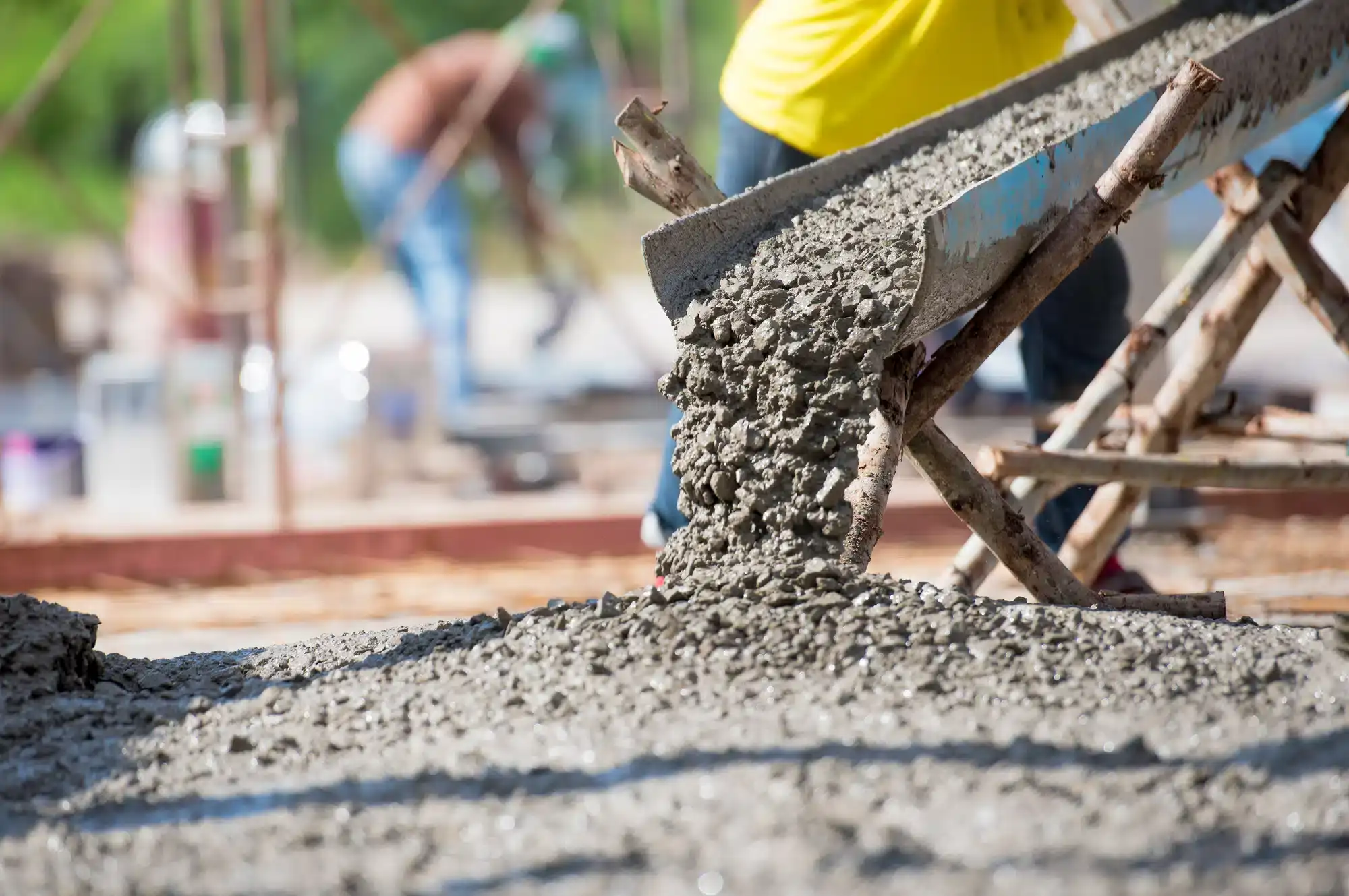
Concrete being poured as part of asphalt paving project in Central Florida.

Ready to get started?

Explore More Services

About Central Florida Blacktop Paving

Get a Free Consultation

Commercial Grading Rock Ridge FL

What's Included in Professional Grading

Professional grading means more than just pushing dirt around with heavy equipment. It includes proper site assessment, permit coordination when required, and understanding of local building codes. In Rock Ridge, that means working within Florida’s specific requirements for drainage and erosion control.

The service covers everything from initial excavation to final compaction. We handle the removal of unsuitable materials, installation of proper base layers, and creation of drainage systems that direct water away from structures and sensitive areas. Each project gets the specific attention it needs based on soil conditions and intended use.

Rock Ridge properties often deal with unique challenges related to the area’s limestone substrate and seasonal flooding patterns. Our local experience means we anticipate these issues and design solutions that work long-term, not just until the next heavy rain season.
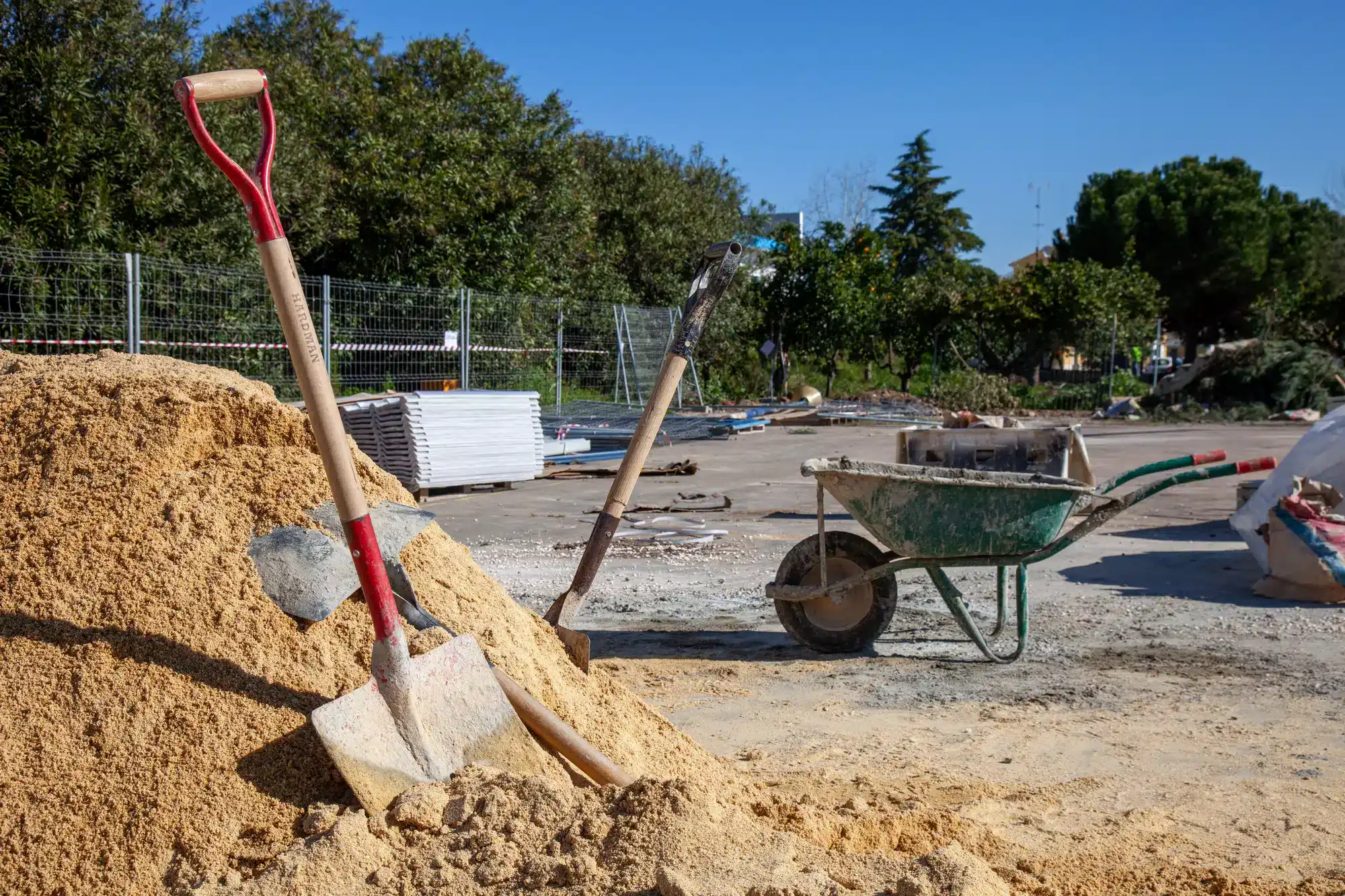
Fine yellow sand and construction tools on an asphalt paving site in Central Florida.

How deep should gravel be for a driveway in Rock Ridge, FL?

Gravel depth depends on your soil conditions and expected traffic load, but most residential driveways in Rock Ridge need 4-6 inches of properly graded and compacted gravel. Areas with softer soil or poor drainage require deeper installations to prevent settling and rutting.The key isn’t just depth—it’s proper layering and compaction. We typically install a base layer of larger aggregate for stability, followed by smaller gravel for the driving surface. Each layer gets compacted to specific standards to ensure long-term performance.Florida’s soil conditions and heavy rainfall make proper installation critical. Shortcuts in depth or compaction lead to problems within the first year, especially during rainy season when water saturates the ground beneath your driveway.
Most grading projects in Florida require permits from the local building official, and Rock Ridge follows these state requirements. The permit covers the grading work itself, though additional permits may be needed for retaining walls or other structures.We handle the permit coordination as part of our service because we know what documentation is required and how to prepare grading plans that meet code requirements. This includes showing existing and finished grades, drainage plans, and compliance with local ordinances.Permit requirements exist for good reasons—they ensure work meets safety standards and doesn’t create drainage problems for neighboring properties. Working without permits can lead to expensive corrections later, plus potential legal issues if problems develop.
Timeline depends on project size and complexity, but most residential grading projects take 1-3 days once we mobilize equipment to the site. Commercial projects or those requiring extensive excavation may take longer depending on scope and weather conditions.Weather plays a big role in Florida. Heavy rains can delay work because proper compaction requires specific moisture conditions. We schedule projects with weather patterns in mind and communicate clearly about any delays that might affect your timeline.The preparation phase—permits, site assessment, and planning—typically takes longer than the actual grading work. We handle this upfront so the construction phase moves efficiently once we start moving dirt.
Yes, proper regrading can solve most drainage problems by creating the right slopes to direct water away from problem areas. We assess how water currently moves across your property and design grading solutions that work with natural drainage patterns.Common fixes include creating swales to channel water, adjusting slopes around foundations, and installing proper drainage systems where needed. The key is understanding where water needs to go and creating a path that works during both normal rains and heavy storm events.Some drainage problems require more than just grading—they might need underground drainage systems or other solutions. We evaluate each situation and recommend the most effective approach for your specific conditions and budget.
Commercial grading typically involves larger areas, heavier equipment requirements, and more complex drainage systems. Commercial sites also have stricter requirements for load-bearing capacity and often need specialized base preparations for parking areas or building foundations.Residential projects focus more on drainage around homes, driveway functionality, and landscaping integration. The equipment and techniques are similar, but the scale and precision requirements differ significantly between a home driveway and a commercial parking lot.Both types require proper permits and professional expertise, but commercial projects usually involve more coordination with other contractors, stricter timeline requirements, and more detailed engineering specifications. We handle both with the appropriate level of planning and execution.
Proper maintenance starts with understanding that gravel surfaces need periodic attention to maintain their performance. This includes occasional regrading to smooth out minor ruts, adding fresh gravel to replace material that migrates, and keeping drainage systems clear.Most residential gravel surfaces need professional maintenance every 2-3 years, depending on traffic and weather exposure. Commercial surfaces with heavier use may need attention more frequently. Regular maintenance costs much less than major repairs or complete reconstruction.The best maintenance is preventive—addressing small problems before they become major issues. This means fixing drainage problems quickly, avoiding heavy traffic during wet conditions when possible, and keeping vegetation from growing in gravel areas where it doesn’t belong.

Other Services we provide in Rock Ridge