Gravel and Grading Lake Hamilton FL

No More Muddy Messes or Washouts

Professional gravel and grading that actually works in Florida’s sandy soil and heavy rains.
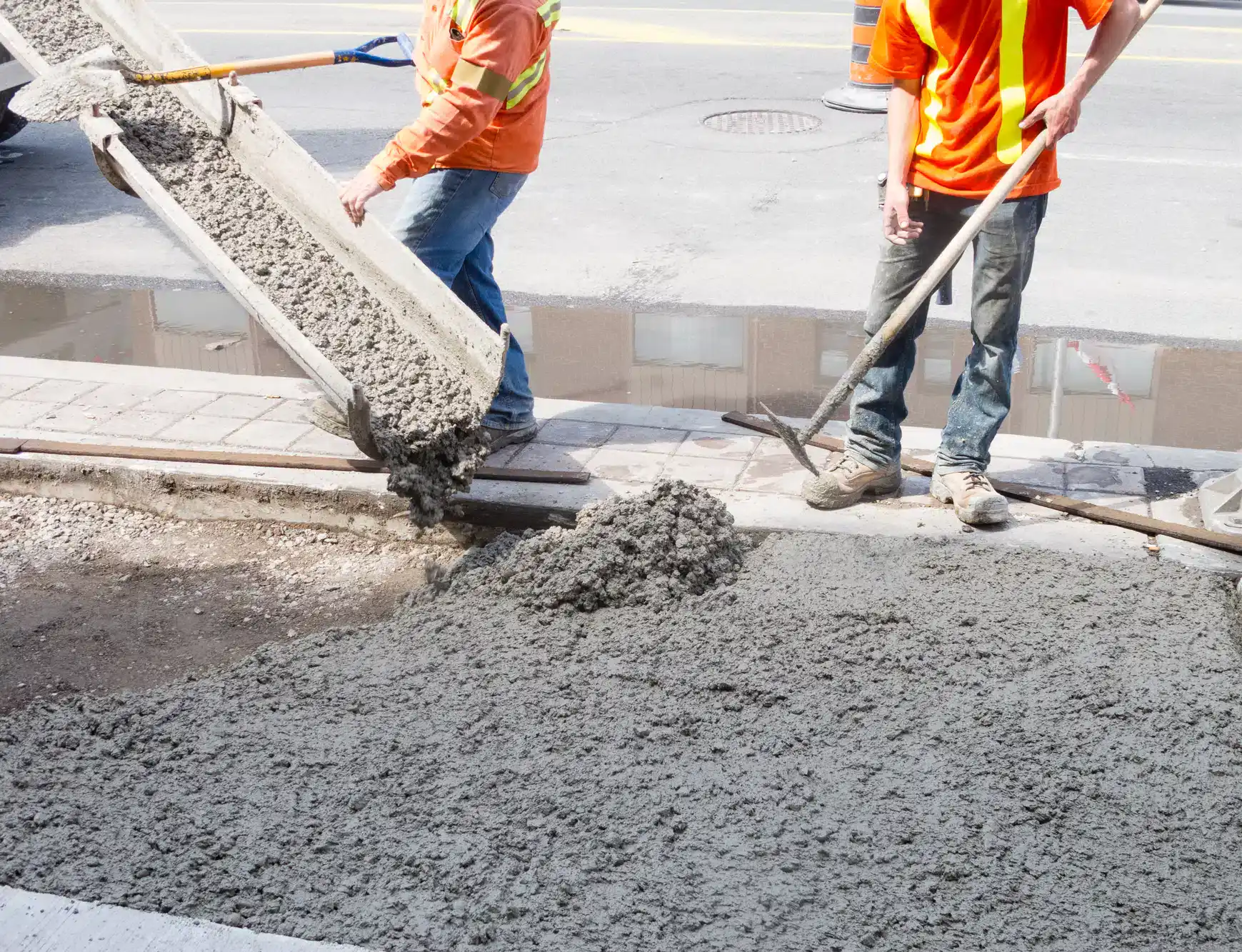
Central Florida Blacktop Paving professionals pouring asphalt and paving a sidewalk.

Hear from Our Customers

Crushed gravel material used for asphalt paving in Central Florida blacktop paving projects.

Professional Gravel Installation Lake Hamilton

Driveways That Handle Florida Weather

You know the drill. Heavy rain hits, and your gravel driveway turns into a muddy disaster. Ruts form where you drive. Water pools instead of draining. The gravel you paid for ends up scattered across your lawn.

Here’s what changes when the job’s done right. Your driveway stays solid during the heaviest downpours. Water flows where it should instead of creating swamps. The surface stays level and stable, not shifting under your tires.

The difference? Proper base preparation, professional grading, and understanding how Florida’s sandy soil behaves. Most contractors skip the foundation work. We don’t.

Lake Hamilton Grading Contractors

We Know Central Florida Soil

Central Florida Blacktop Paving Inc. has been handling paving and site preparation throughout the region for years. We’ve seen what works and what fails in Lake Hamilton’s unique conditions.

The sandy soil here creates challenges most contractors don’t understand. Water moves differently. Materials behave differently. Standard approaches from up north don’t work.

We’ve learned through experience what it takes to build gravel driveways and commercial grading projects that last. That means proper drainage planning, the right base materials, and installation techniques designed for our local conditions.
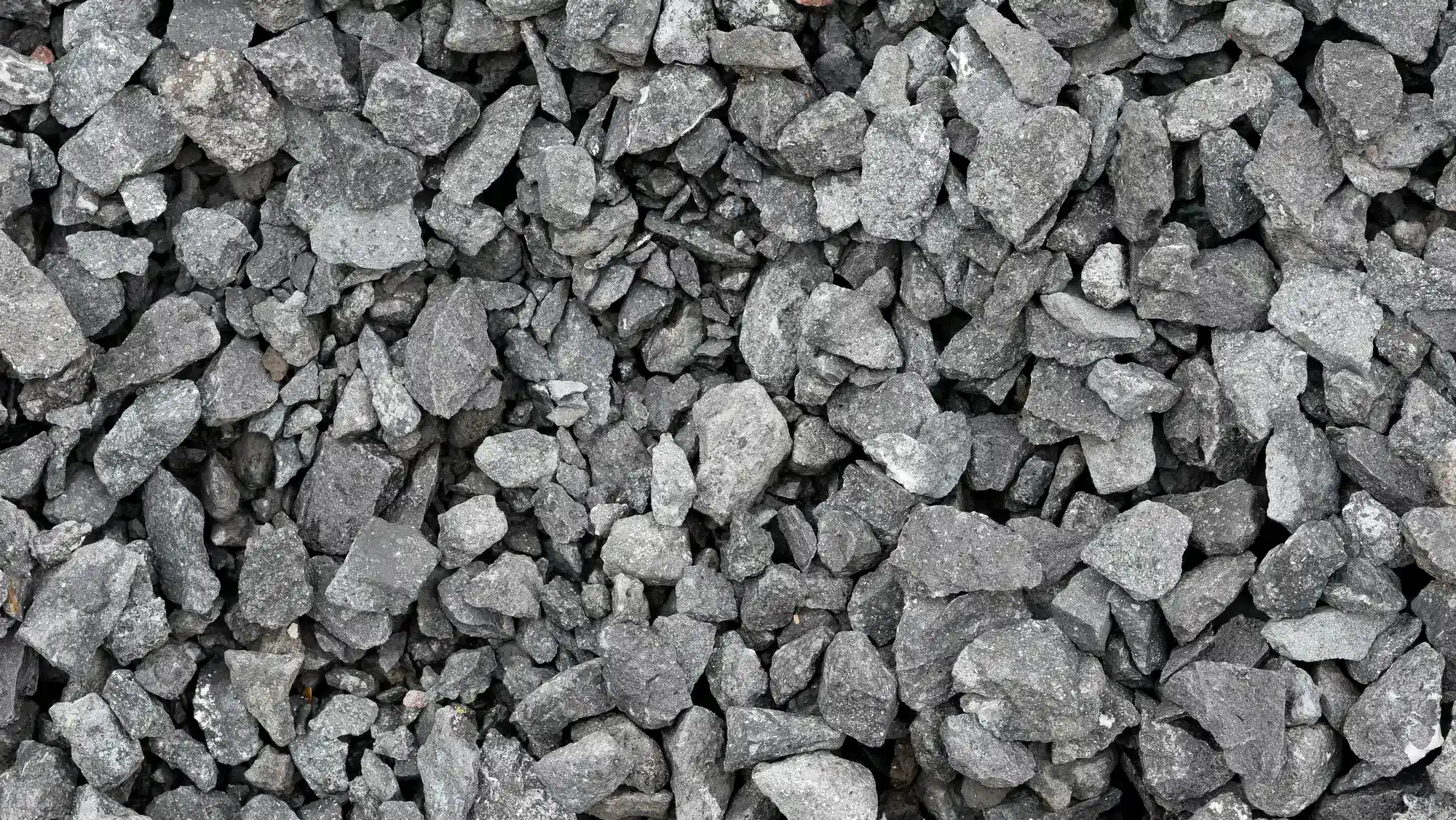
Crushed gray stone used for asphalt paving and driveway installation

Gravel Driveway Process Lake Hamilton

Built Right From the Ground Up

First, we assess your site’s drainage patterns and soil conditions. This isn’t guesswork – we need to understand where water goes and how your specific soil will behave.

Next comes excavation and base preparation. We dig down to stable soil, install geotextile fabric when needed, and build a proper foundation. This step prevents the sinking and shifting that destroys most gravel driveways.

Then we grade for proper drainage. Water needs somewhere to go during Florida’s heavy rains. We create the right slopes to direct runoff away from problem areas.

Finally, we install the gravel in layers, compacting as we go. The right materials, properly installed, create a stable surface that handles both daily use and severe weather.
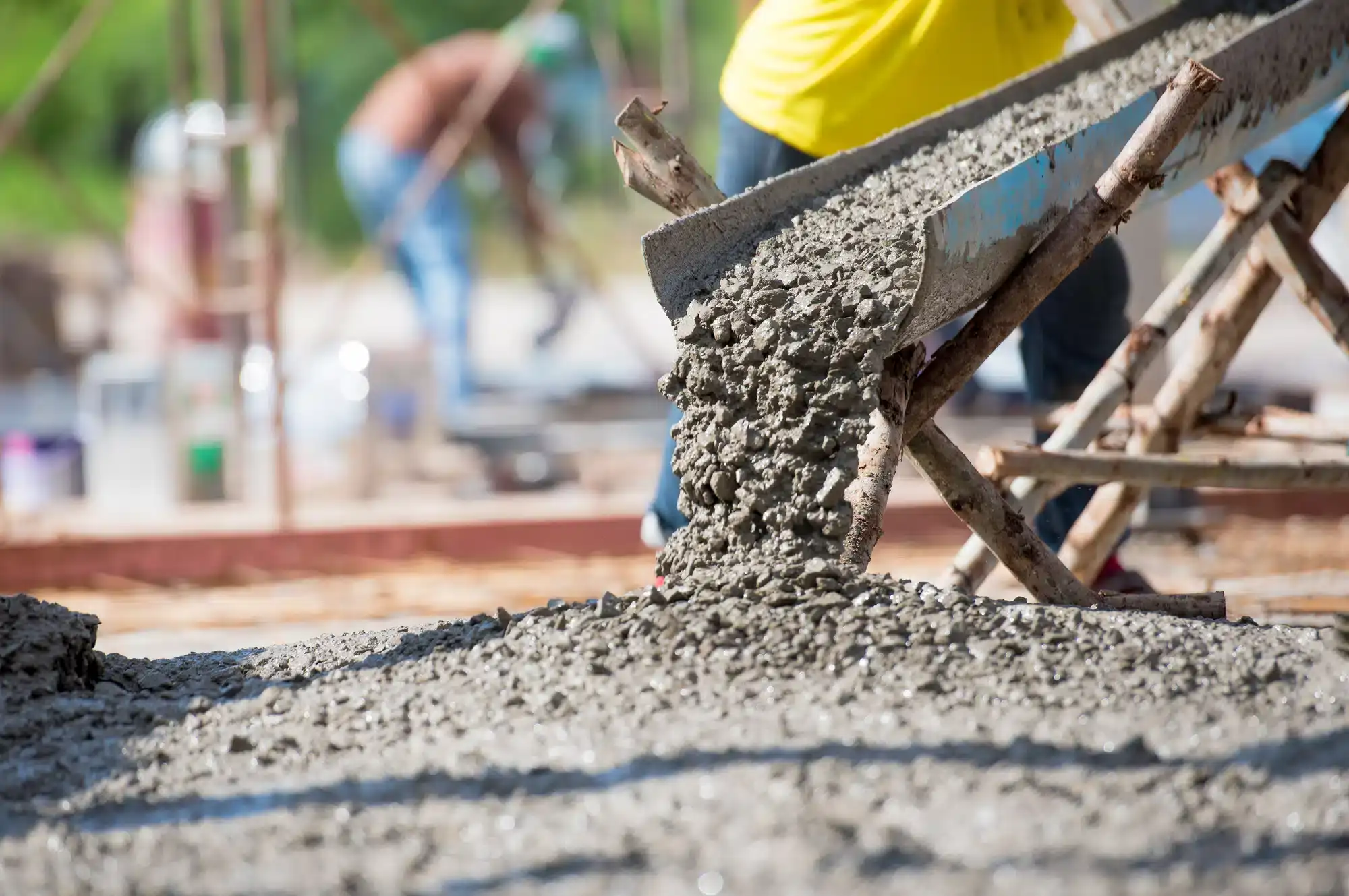
Concrete being poured as part of asphalt paving project in Central Florida.

Ready to get started?

Explore More Services

About Central Florida Blacktop Paving

Get a Free Consultation

Residential Commercial Grading Services

Complete Site Preparation Solutions

Our gravel and grading services cover everything from residential driveways to commercial site development. We handle foundation grading, parking area preparation, and access road construction.

For Lake Hamilton properties, drainage is always the priority. The area’s flat terrain and sandy soil create unique challenges. We design grading solutions that work with the natural water flow patterns, not against them.

Commercial projects get the same attention to detail. Whether you’re developing a new site or fixing drainage problems on existing property, we have the equipment and experience to handle projects of any size.

Every job includes proper excavation, base preparation, and final grading. We don’t cut corners on the foundation work that determines whether your project succeeds or fails long-term.
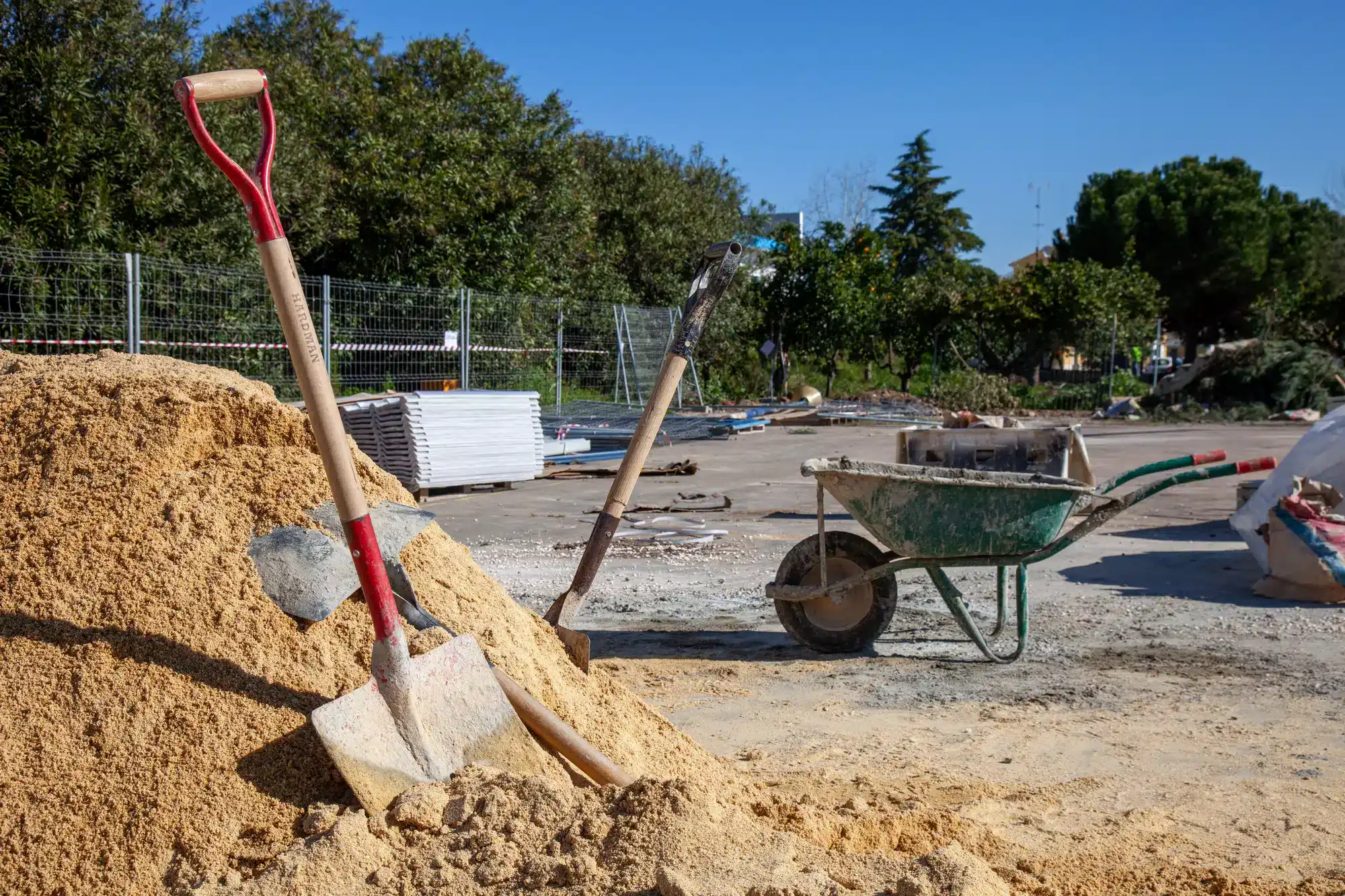
Fine yellow sand and construction tools on an asphalt paving site in Central Florida.

Why do gravel driveways fail so quickly in Central Florida?

Most failures happen because contractors don’t account for Florida’s sandy soil and heavy rainfall. Without proper base preparation, gravel sinks into the sand and creates an unstable surface. The other major issue is poor drainage planning. Florida gets intense downpours that can wash away improperly installed gravel. When water doesn’t have a planned path to flow, it creates its own – usually right through your driveway. We prevent these problems by excavating to stable soil, installing geotextile fabric when needed, and grading for proper water flow. The extra preparation work costs more upfront but prevents the constant repairs that make cheap installations expensive.
Gravel installation typically runs $1.50 to $4 per square foot, while asphalt costs $8.50 to $18 per square foot in Florida. For a standard two-car driveway, that’s often a difference of several thousand dollars. The key word is “professional” installation. Cheap gravel jobs that skip proper base preparation end up costing more when you factor in constant repairs and eventual replacement. Done right the first time, a gravel driveway can last decades with minimal maintenance. For longer driveways or rural properties, the cost savings become even more significant. Asphalt also gets extremely hot in Florida summers, while gravel stays cooler and provides better drainage during heavy rains.
The best gravel for our area depends on your specific use and soil conditions, but we typically recommend crushed limestone or shell-based materials for the base layer, topped with a finer gravel that compacts well. Crushed shells work particularly well in Florida because they’re abundant locally, cost-effective, and compact into a stable surface. They also provide excellent drainage while preventing the formation of ruts and potholes. We avoid smooth river rock or pea gravel for driveways because they don’t compact properly and shift under vehicle weight. The angular edges of crushed materials lock together to create a more stable surface that handles both traffic and weather better.
Proper drainage starts with understanding your property’s natural water flow patterns. We survey the site to see where water goes during heavy rains, then design the grading to work with those patterns instead of fighting them. The grading creates gentle slopes that direct water away from the driveway and toward appropriate drainage areas. We also ensure the driveway surface sits slightly above the surrounding ground level to prevent water from pooling on the gravel. For properties with significant drainage challenges, we may recommend additional solutions like French drains, culverts, or retention areas. The goal is always to give water a clear path to flow so it doesn’t damage your driveway or create muddy conditions around your property.
Yes, but the solution depends on what’s causing the problems. If it’s just surface issues like ruts or minor washouts, we can often fix those with regrading and adding new material. More serious problems like water pooling or complete washouts usually mean the original installation lacked proper base preparation or drainage planning. In those cases, we typically need to excavate and rebuild sections with proper foundation work. We’ll assess your existing driveway and explain what’s needed to fix the problems permanently. Sometimes a complete rebuild costs less in the long run than trying to patch a fundamentally flawed installation that will keep failing.
Most residential driveways take 2-4 days to complete, depending on size, access, and how much excavation work is needed. Weather can extend the timeline since we can’t do quality grading work in muddy conditions. The timeline breaks down roughly like this: site preparation and excavation on day one, base installation and initial grading on day two, final grading and surface material on day three. Larger or more complex projects may need additional time. We’ll give you a specific timeline estimate after seeing your property. Factors like existing drainage problems, the need for additional excavation, or difficult access can add time to the project. We’d rather take the time to do it right than rush and create problems later.

Other Services we provide in Lake Hamilton