Gravel and Grading in Crystal Lake, FL

Get Your Site Ready Right

Professional gravel and grading that prevents flooding, ensures stable foundations, and sets your project up for success from day one.
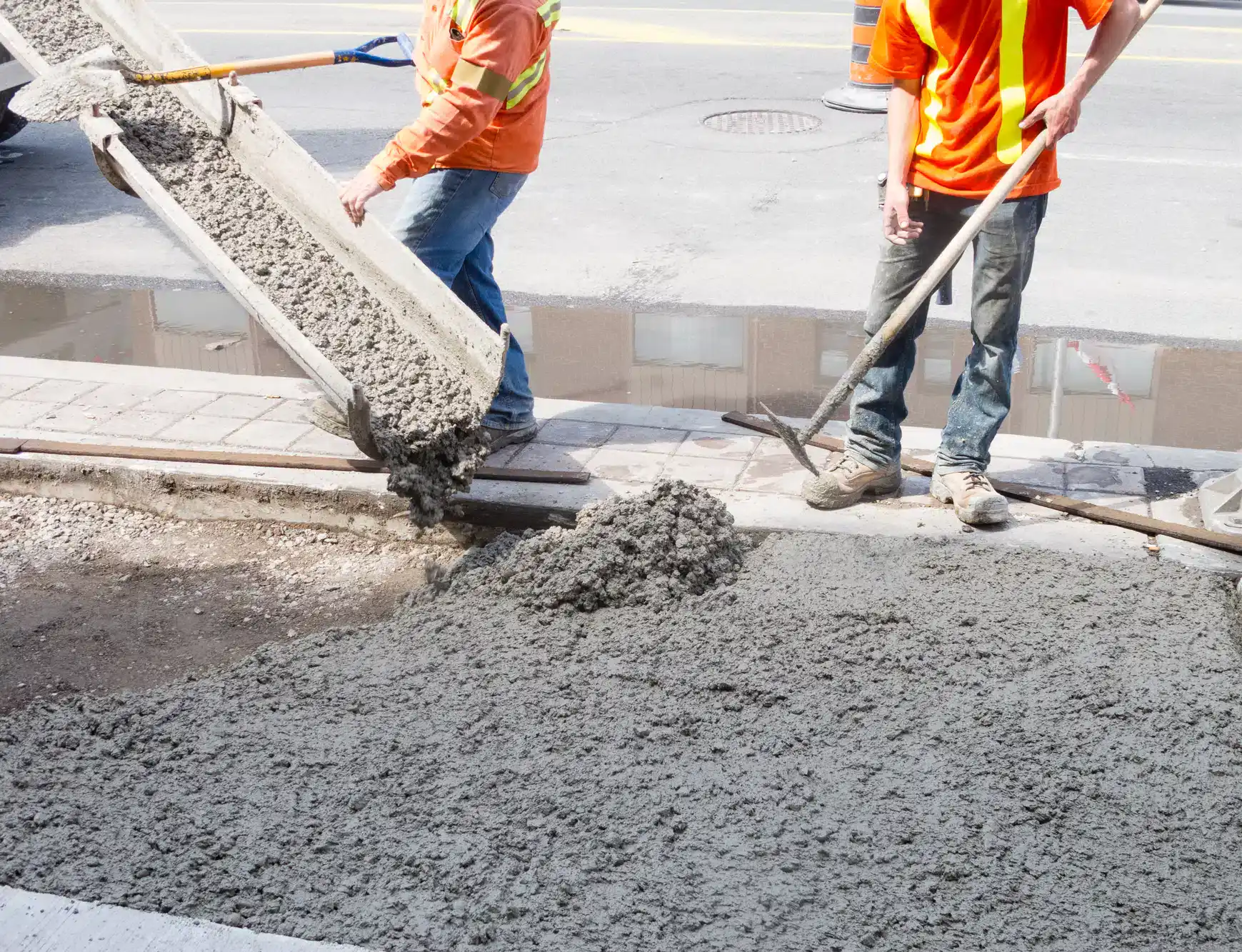
Central Florida Blacktop Paving professionals pouring asphalt and paving a sidewalk.

Hear from Our Customers

Crushed gravel material used for asphalt paving in Central Florida blacktop paving projects.

Professional Site Grading Crystal Lake

What Proper Grading Actually Gets You

You get a site that drains properly, foundations that stay level, and construction that starts on time. No more dealing with standing water after storms or uneven surfaces that create safety hazards.

Proper grading means your driveway won’t develop potholes, your building won’t settle unevenly, and rainwater flows exactly where it should. You avoid the headaches of fixing drainage problems later, which always costs more than doing it right the first time.

When we grade your site correctly, you’re investing in fewer problems down the road. Your property value stays protected, your insurance company stays happy, and you can focus on your project instead of worrying about the foundation underneath it.

Crystal Lake Grading Contractors

We Know Crystal Lake Ground Conditions

Central Florida Blacktop Paving Inc. has been handling site preparation and grading projects throughout Crystal Lake and surrounding areas for years. We understand how Florida’s sandy soil behaves, how summer storms affect drainage, and what it takes to create stable foundations that last.

Our team knows the local regulations, works with the right permits, and uses professional-grade equipment to get your grading done efficiently. We’ve seen what happens when sites aren’t prepared properly, and we make sure that doesn’t happen to your project.
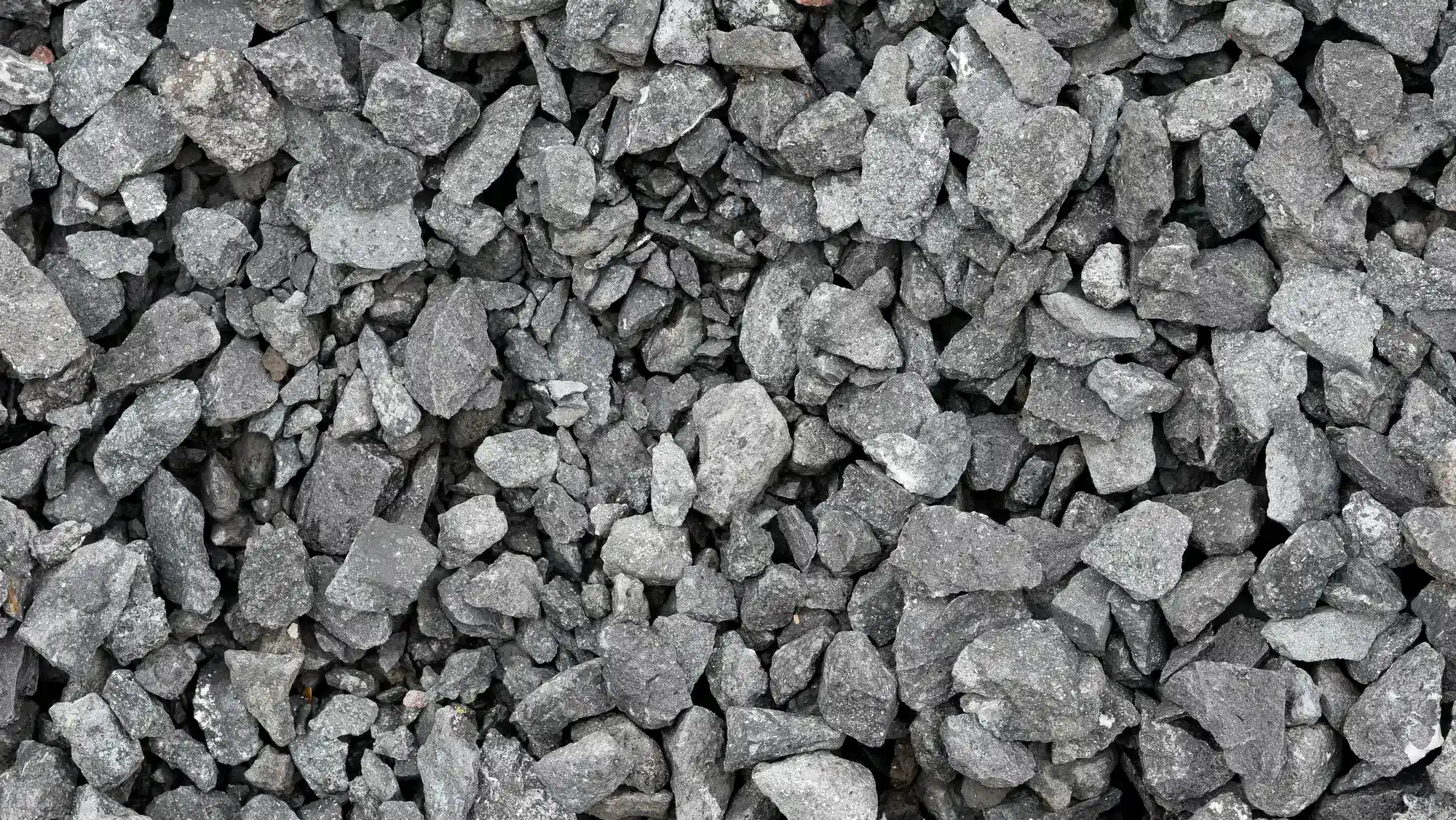
Crushed gray stone used for asphalt paving and driveway installation

Grading Process Crystal Lake FL

Here's How We Handle Your Grading

First, we survey your site to understand the existing conditions, drainage patterns, and what needs to be accomplished. We identify any problem areas and plan the proper slope and drainage solutions.

Next, we bring in the right equipment and start the grading work. We remove excess material where needed, add gravel base where required, and create the proper slope for drainage. Everything gets compacted to ensure stability.

Finally, we fine-tune the grade to meet your project specifications. We make sure water flows away from structures, the surface is level where it needs to be, and everything meets local building requirements. You get a site that’s ready for the next phase of your project.
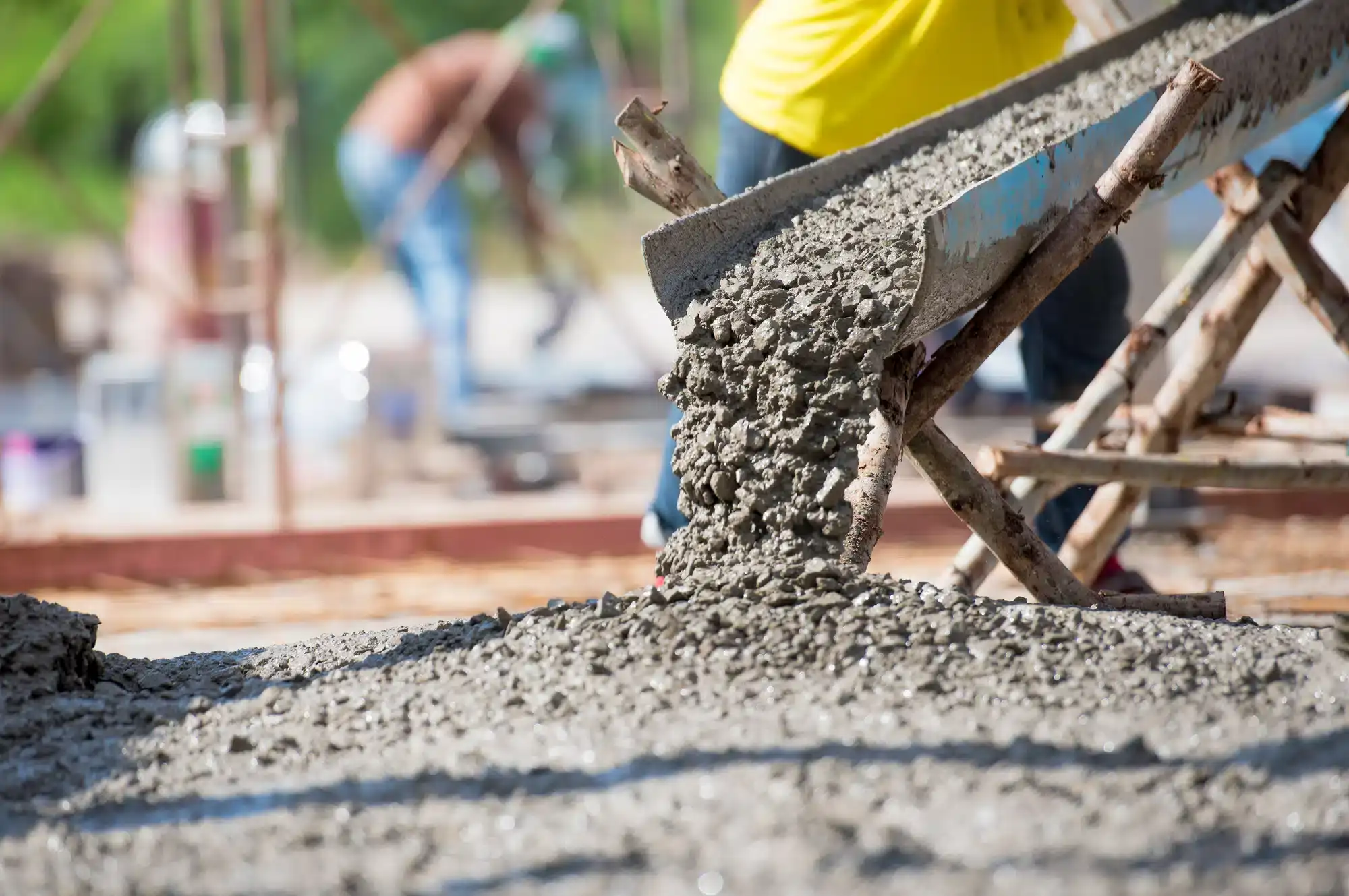
Concrete being poured as part of asphalt paving project in Central Florida.

Ready to get started?

Explore More Services

About Central Florida Blacktop Paving

Get a Free Consultation

Residential Commercial Grading Services

What's Included in Our Grading Service

Our gravel and grading service covers everything from initial site assessment to final grade preparation. We handle excavation, gravel base installation, proper drainage setup, and surface grading to meet your project specifications.

For residential projects in Crystal Lake, we focus on proper drainage around homes, driveway preparation, and foundation grading that prevents water problems. Commercial projects get the same attention to detail, plus we understand the requirements for parking lots, building pads, and site access.

We work with different types of gravel depending on your needs – from base rock for foundations to finish gravel for driveways. Every project gets the right materials and proper compaction to ensure long-term stability and performance.
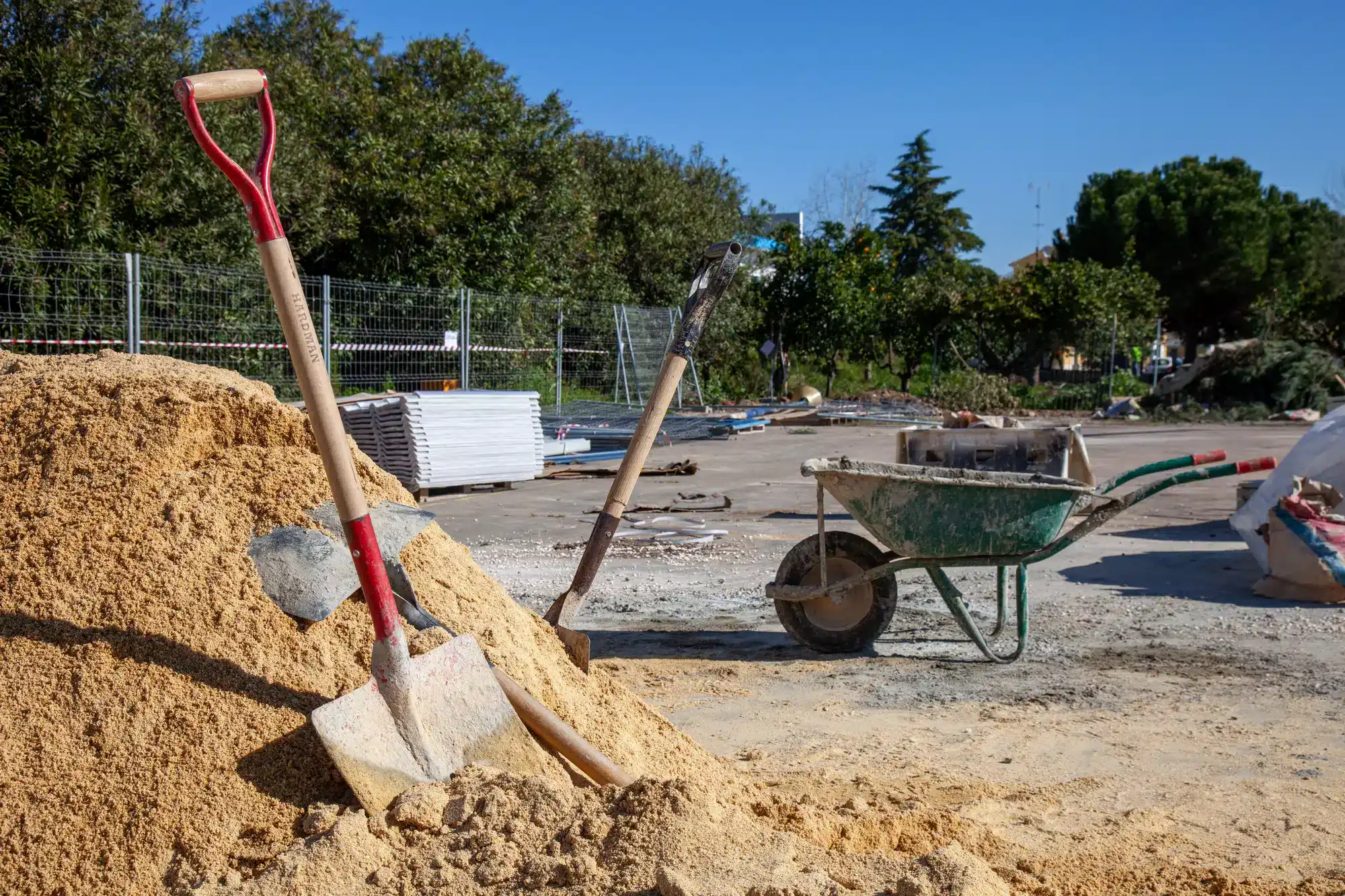
Fine yellow sand and construction tools on an asphalt paving site in Central Florida.

How deep should gravel be for a driveway in Crystal Lake?

For most driveways in Crystal Lake, we recommend at least 4-6 inches of compacted gravel base, depending on your soil conditions and expected traffic. Sandy soil that doesn’t drain well needs deeper gravel – sometimes up to 8 inches.The depth also depends on what type of vehicles will use the driveway. Regular cars and light trucks do fine with 4-6 inches, but if you have delivery trucks or heavy equipment, you’ll want to go deeper. We test your soil conditions during the site visit to determine exactly what your property needs.Deeper gravel costs more upfront, but it prevents the driveway from developing ruts, potholes, or soft spots that need constant maintenance. It’s better to invest in the right depth from the beginning than to keep adding gravel every few months.
Grading is about shaping and smoothing the existing ground to create proper drainage and level surfaces. We’re working with the soil that’s already there, moving it around to create the right slopes and elevations for your project.Excavation involves actually digging and removing soil – like when we need to dig out for foundations, create retention ponds, or remove unsuitable material. It’s more intensive work that requires hauling away dirt and sometimes bringing in new material.Most projects need both services. We might excavate to remove poor soil or create drainage features, then grade the remaining area to get the proper slope and finish. The key is having the right equipment and experience to know when each approach is needed for your specific site conditions.
Proper drainage starts with understanding how water naturally wants to flow across your property. We survey the site to identify high and low points, then create grades that direct water away from buildings and toward appropriate drainage areas.The general rule is a minimum 2% slope away from structures, but Florida’s flat terrain sometimes requires more creative solutions. We might need to create swales, install drainage pipes, or build up certain areas to ensure water has somewhere to go during heavy rains.We also consider your neighbors’ properties and local drainage patterns. Water that runs off your site needs to go somewhere appropriate – not into someone else’s yard or toward the road. Our grading work follows local regulations and creates drainage that works with the existing neighborhood flow patterns.
Most residential grading projects take 1-3 days, depending on the size of the area and complexity of the work. A simple driveway grade might be done in a day, while a full lot preparation for new construction could take several days.Commercial projects vary more widely based on the scope of work. A small parking lot might take 2-3 days, while a large commercial site could take weeks. Weather is always a factor in Florida – we can’t grade effectively in muddy conditions, so heavy rains can cause delays.We give you realistic timelines during the estimate process and keep you updated if conditions change. The key is not rushing the work – proper compaction and drainage setup take time to do right. It’s better to spend an extra day getting it perfect than to have problems later that require redoing the work.
Most grading projects require some type of permit, especially if you’re changing drainage patterns or doing extensive earthwork. The requirements depend on the size of your project, how much material you’re moving, and whether you’re affecting stormwater flow.For residential projects, you typically need permits if you’re grading more than a certain square footage or if the work affects drainage onto neighboring properties. Commercial projects almost always require permits, plus you may need engineering plans and inspections.We help guide you through the permit process and can recommend engineers when needed. It’s always better to get the proper permits upfront than to deal with code enforcement issues later. The permit process also ensures the work meets local standards for drainage and environmental protection.
For Florida’s sandy soil conditions, we typically use limestone base rock or shell base for the foundation layer. These materials compact well and provide good drainage while creating a stable base that won’t shift over time.For finish surfaces, the choice depends on your specific needs. Crusher run works well for driveways because it compacts tight and creates a smooth surface. For areas that need more drainage, we might use larger gravel that allows water to flow through more easily.The key is matching the gravel type to your soil conditions and intended use. Sandy soil needs different treatment than clay soil, and areas with heavy traffic need different materials than decorative pathways. We test your soil during the site visit and recommend the best gravel types for your specific situation and budget.

Other Services we provide in Crystal Lake