Asphalt Maintenance in Cypress Gardens

Your Asphalt Deserves Better Than Band-Aid Fixes

Real maintenance that actually extends your pavement’s life and saves you money in the long run.
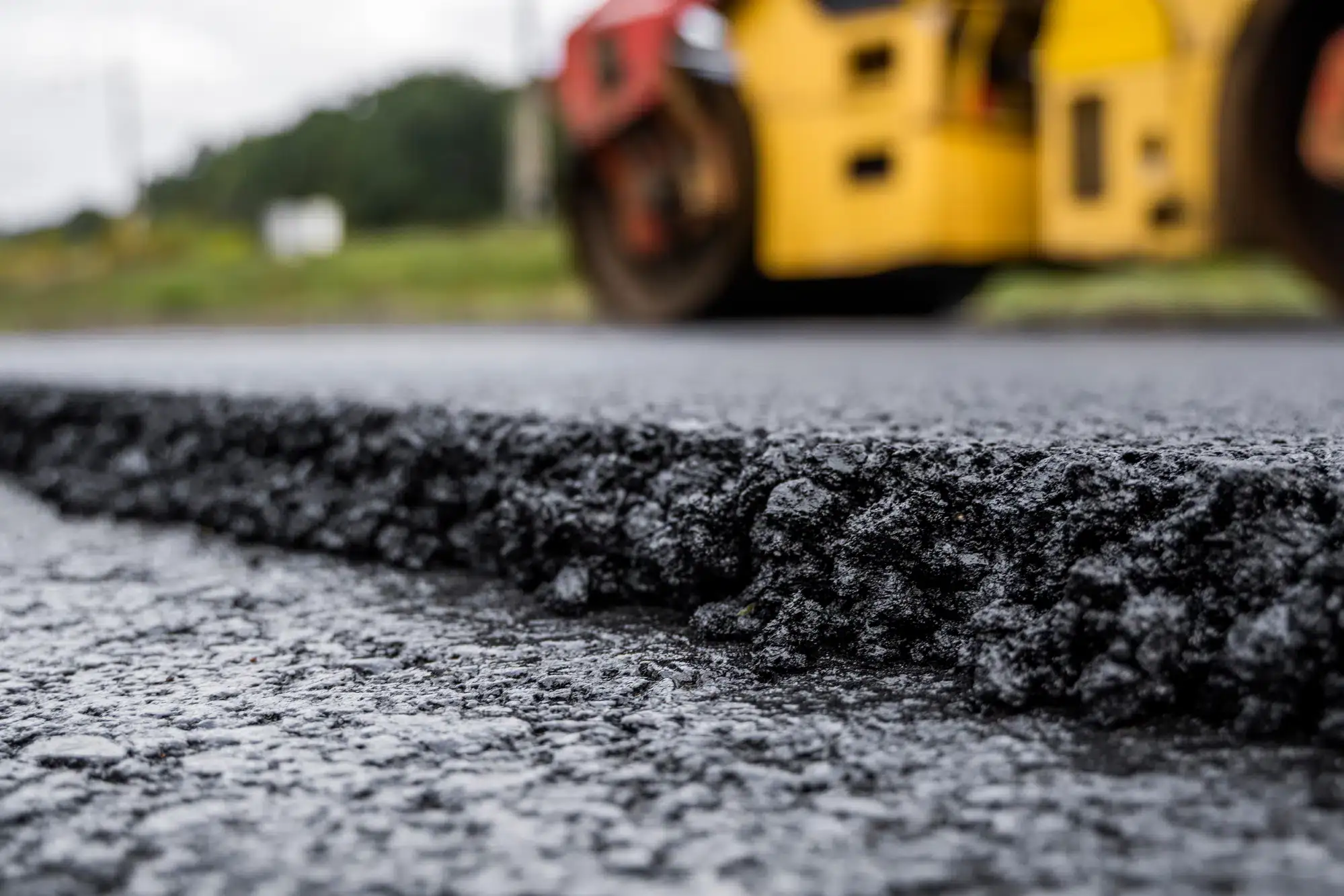
Close-up of freshly laid asphalt with construction equipment in the background.

Hear from Our Customers

Asphalt paving worker spreading fresh asphalt on a road during construction.

Professional Asphalt Care Cypress Gardens

What Proper Maintenance Actually Gets You

Your asphalt isn’t just holding up—it’s performing. No more embarrassing cracks greeting your customers. No more liability headaches from potholes that seem to appear overnight. No more watching your property value take a hit because your pavement looks neglected.

When your asphalt gets the maintenance it actually needs, you get surfaces that last 25-30 years instead of needing replacement every few years. You get the peace of mind that comes from knowing your driveway or parking lot can handle Florida’s brutal sun, humidity, and those sudden downpours without falling apart.

Most importantly, you get to stop throwing money at emergency repairs and start investing in real protection that pays for itself.

Cypress Gardens Asphalt Maintenance Experts

We Actually Understand Florida's Climate Challenges

Central Florida Blacktop Paving Inc. has been solving asphalt problems in Cypress Gardens and surrounding areas for years. We’re not the guys who show up, slap some patch on your cracks, and disappear. We’re the team that understands why your asphalt fails in the first place.

Florida’s intense UV rays, crushing humidity, and torrential rains create a perfect storm for asphalt damage. While other contractors might treat these like standard jobs, we know the specific challenges that Cypress Gardens properties face. From the historic areas near the old botanical gardens to the newer developments around Legoland, we’ve seen how this climate affects different types of asphalt installations.

That local knowledge means we don’t just fix problems—we prevent them from happening again.
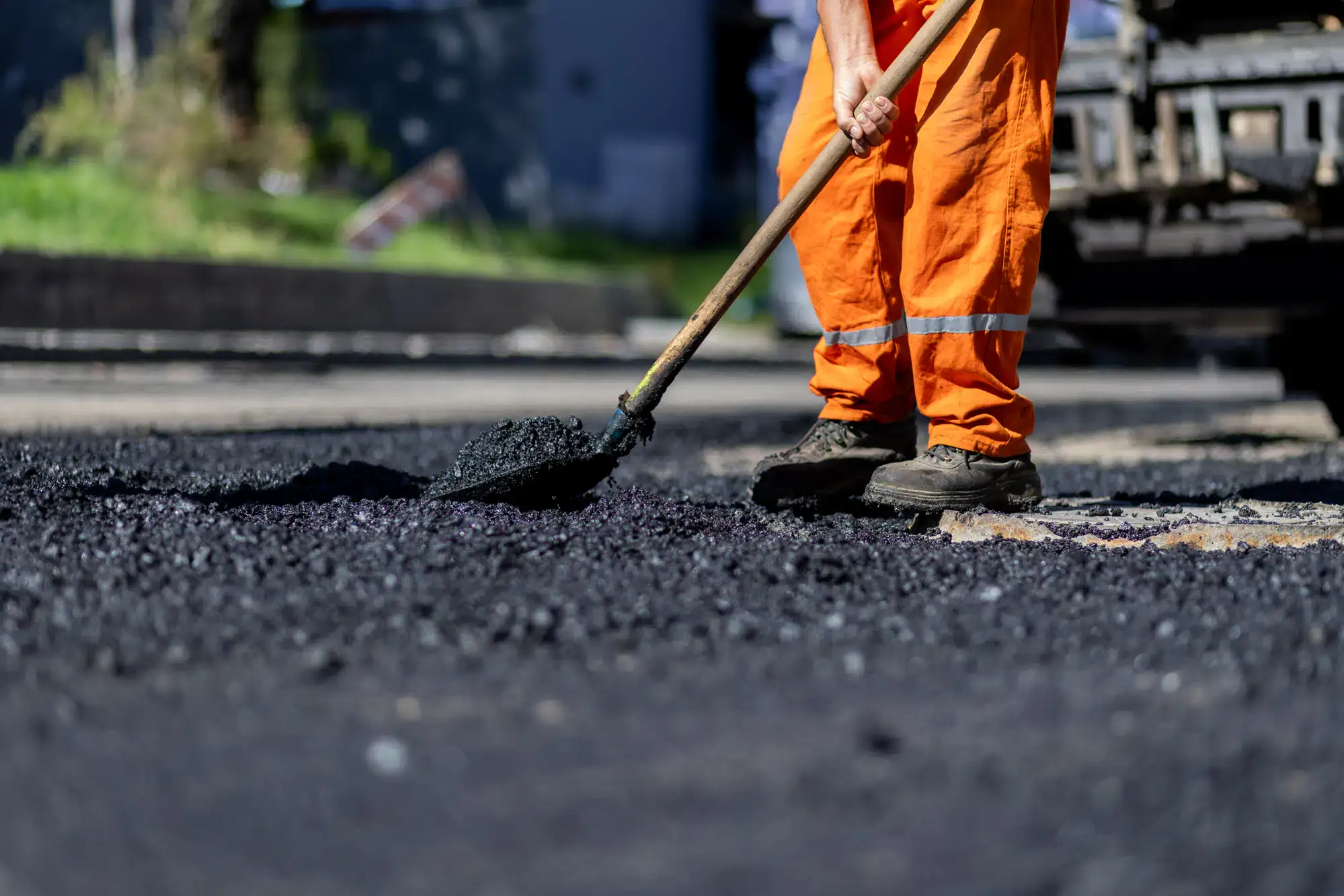
Asphalt paving worker laying fresh asphalt for a driveway or road construction project.

Asphalt Maintenance Process Cypress Gardens

Here's Exactly What Happens With Your Project

First, we actually look at your asphalt. Not a quick glance—a real assessment of what’s causing your problems and what’s likely to cause problems down the road. We check for drainage issues, look at crack patterns, and assess how well your current surface is holding up to Florida’s climate.

Then we explain what you’re dealing with in plain terms. No technical jargon about aggregate compositions or bitumen oxidation rates. Just clear information about what needs attention now, what can wait, and what you can expect if you don’t address certain issues.

When we do the work, we use materials and techniques that are specifically chosen for Central Florida’s climate. That means sealcoats with UV protection, crack sealants that can handle our temperature swings, and application methods that account for our humidity levels. You’ll know exactly when we’re coming, how long it’ll take, and what to expect during the curing process.
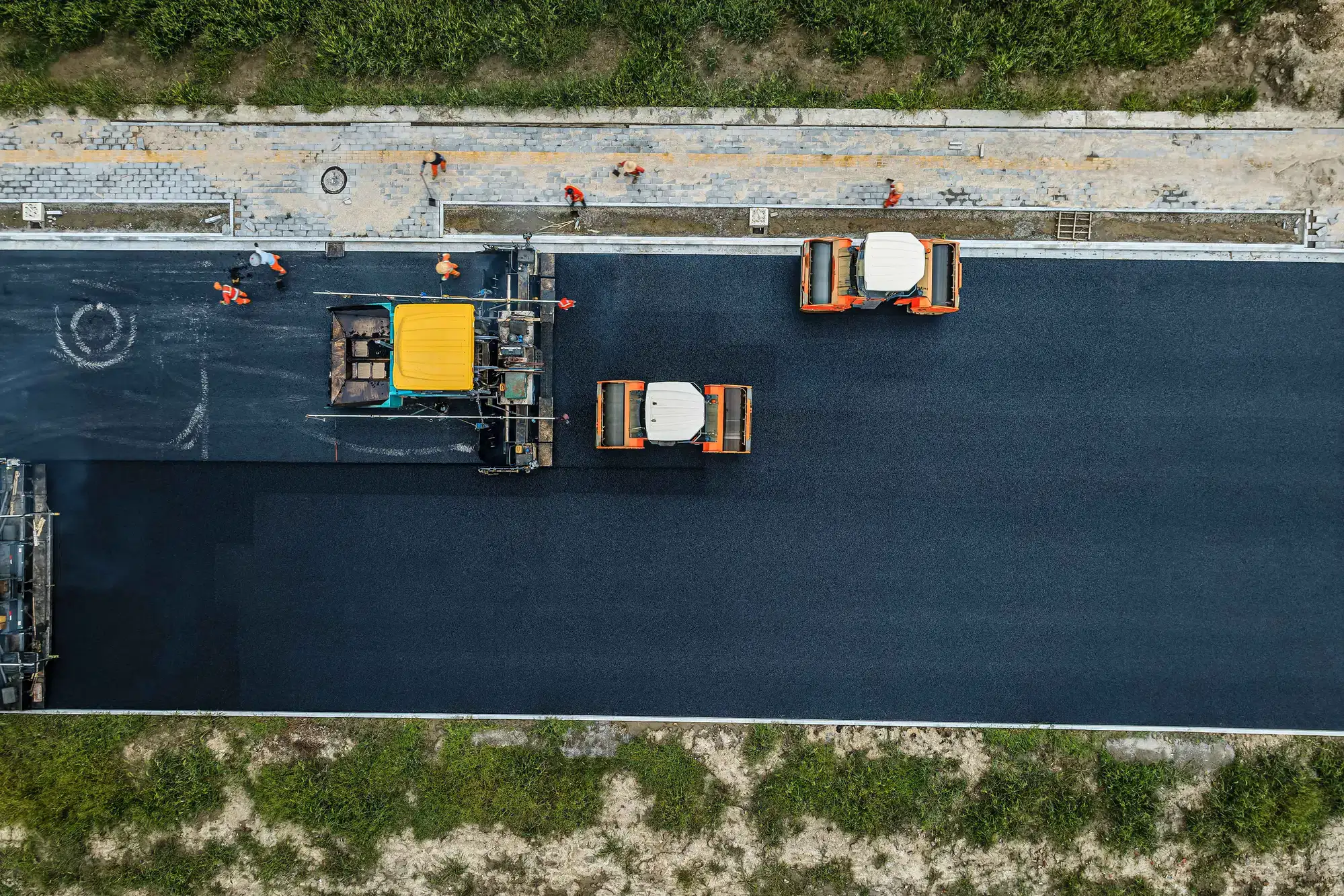
Asphalt paving process on street in Central Florida, paving contractors installing fresh blacktop.

Ready to get started?

Explore More Services

About Central Florida Blacktop Paving

Get a Free Consultation

Comprehensive Asphalt Services Cypress Gardens

Everything Your Asphalt Actually Needs

Real asphalt maintenance isn’t just one thing. It’s a combination of services that work together to protect your investment. We handle crack sealing before small problems become big ones. Our sealcoating creates a barrier against UV rays and moisture—the two biggest threats to asphalt in Cypress Gardens.

When you need resurfacing, we don’t just lay new asphalt over old problems. We address the underlying issues that caused the damage in the first place. For parking lots, that includes proper striping and ADA compliance. For driveways, it means ensuring proper drainage and edge support.

In Cypress Gardens specifically, we see a lot of damage from the area’s unique combination of tourist traffic, seasonal weather patterns, and the fact that many properties sit in areas with challenging drainage. Whether you’re dealing with a residential driveway that’s showing its age or a commercial parking lot that needs to handle heavy use, we tailor our approach to what actually works in this specific location and climate.
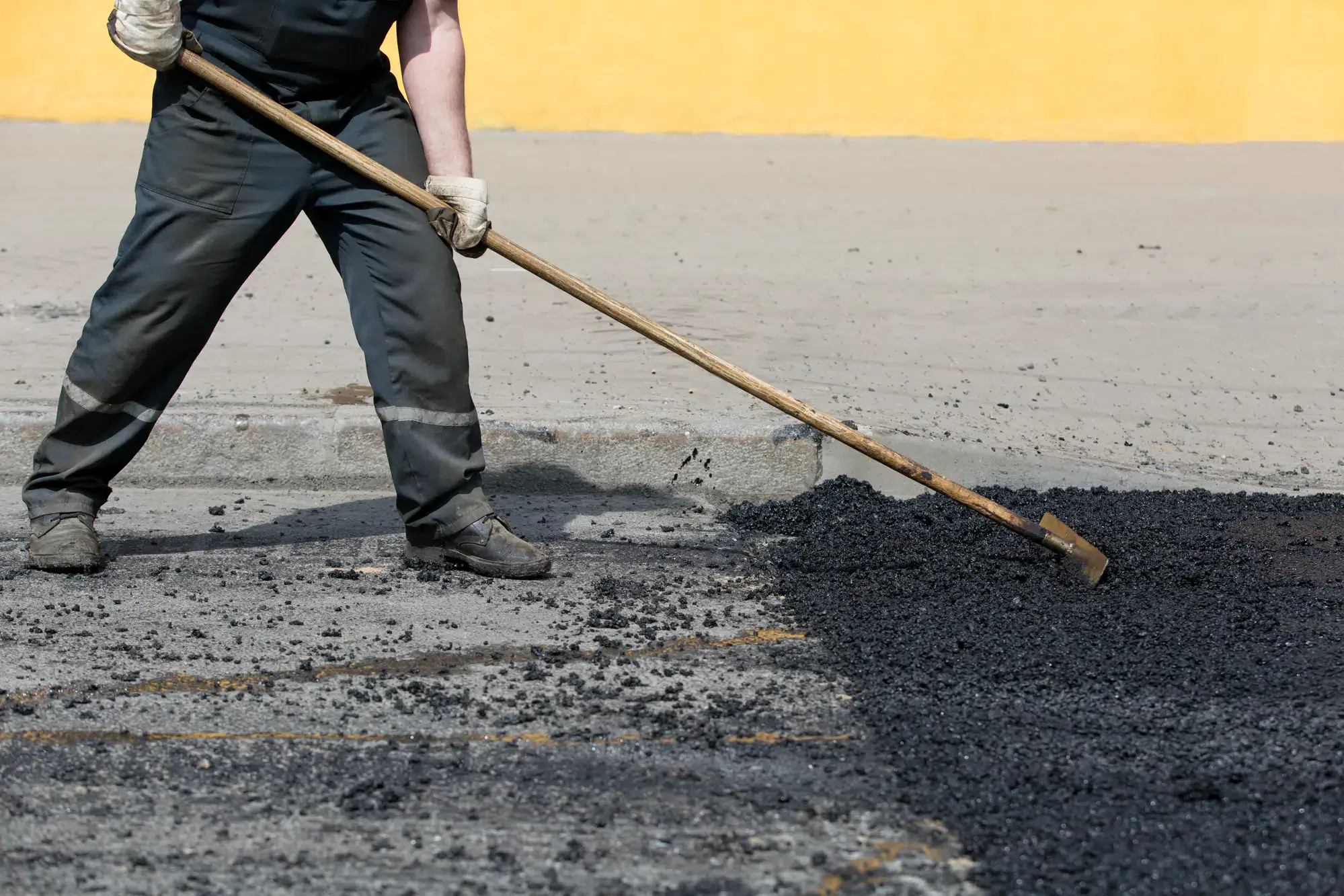
Asphalt paving worker spreading fresh asphalt on a road.

How often does asphalt need maintenance in Florida's climate?

In Florida, your asphalt faces year-round stress from UV rays, humidity, and temperature fluctuations that don’t exist in cooler climates. Most asphalt surfaces in Cypress Gardens need sealcoating every 2-3 years to maintain protection against these elements.Crack sealing should happen as soon as you notice cracks forming—don’t wait for your annual maintenance schedule. Florida’s rainy season can turn small cracks into major problems in just one storm cycle. We recommend visual inspections twice a year: once before the heavy summer rains and once after hurricane season ends.The key is understanding that “maintenance” here isn’t the same as up north. Our climate accelerates wear, but it also means we can work on your asphalt year-round when repairs are needed.
Crack filling is a temporary fix—basically putting a band-aid over the problem. It might look better for a few months, but it doesn’t address why the crack formed or prevent it from coming back worse than before.Crack sealing uses hot rubberized sealant that actually bonds with your asphalt and flexes with temperature changes. In Cypress Gardens, where we get 90-degree days followed by sudden thunderstorms, that flexibility is crucial. The sealant moves with your asphalt instead of cracking apart when the pavement expands and contracts.Proper crack sealing also involves cleaning out the crack first, removing any debris or vegetation, and preparing the surface so the sealant actually adheres. It costs more upfront than filling, but it’s the difference between fixing the problem once and having to redo it every year.
Florida’s combination of intense UV radiation and high humidity creates a perfect storm for asphalt damage. The UV rays break down the oils in your asphalt binder, making it brittle. Then our humidity and frequent rain cycles cause the pavement to expand and contract more dramatically than in drier climates.In Cypress Gardens specifically, we also deal with soil conditions that can shift with heavy rains, putting additional stress on asphalt surfaces. The area’s history as wetlands means drainage is always a consideration—water that can’t drain properly will find ways to get under your asphalt and cause problems from below.Add in the fact that asphalt surfaces here can reach 140 degrees on a summer afternoon, and you’re dealing with stresses that simply don’t exist in cooler parts of the country. That’s why Florida asphalt needs specialized maintenance approaches, not just the standard procedures used elsewhere.
It depends on what “old” means and what condition it’s actually in. Asphalt that’s structurally sound but showing surface wear can often be maintained cost-effectively for years. But asphalt that’s failing at the base level—where you’re seeing potholes, major settling, or widespread alligator cracking—usually needs replacement.Here’s the real test: if your asphalt problems are mostly surface-level (fading, minor cracks, some rough spots), maintenance makes sense. If you’re dealing with drainage issues, major structural cracks, or areas where the base is failing, you’re probably looking at replacement or major reconstruction.In Cypress Gardens, we see a lot of asphalt that was installed without proper consideration for our climate and drainage conditions. Sometimes the most cost-effective approach is replacement with proper preparation, rather than trying to maintain something that was doomed from the start. We’ll give you an honest assessment of which situation you’re dealing with.
For sealcoating, you’re typically looking at 24-48 hours before you can walk on it, and 48-72 hours before vehicle traffic, depending on weather conditions. Florida’s humidity can extend these times, especially during summer months when the combination of heat and moisture slows the curing process.For crack sealing, you can usually resume normal traffic within a few hours, but we recommend avoiding heavy loads or sharp turns for at least 24 hours. The sealant needs time to fully bond with your existing asphalt.Weather plays a huge role in curing times here. If we’re dealing with high humidity, afternoon thunderstorms, or extreme heat, we’ll adjust our timeline and let you know exactly what to expect. We don’t rush the process just to get you back on your asphalt sooner—proper curing is what makes the difference between maintenance that lasts and maintenance that fails within the first year.
First, make sure they understand Florida’s specific climate challenges. A company that treats asphalt maintenance here the same way they would in Georgia or North Carolina doesn’t understand what you’re dealing with. Ask about their experience with UV-resistant sealcoats, humidity-adjusted application methods, and drainage considerations.Look for clear communication about what they’re actually going to do and why. If they can’t explain the difference between their approach and a basic patch job, or if they’re pushing unnecessary services, that’s a red flag. You want someone who can assess your specific situation and recommend the right level of intervention.Check their local reputation, especially with properties similar to yours. A company that does great work on residential driveways might not be the right fit for a large commercial parking lot, and vice versa. In Cypress Gardens, you want someone who’s familiar with the area’s soil conditions, drainage patterns, and the specific challenges that come with our location and climate.

Other Services we provide in Cypress Gardens