Hear from Our Customers
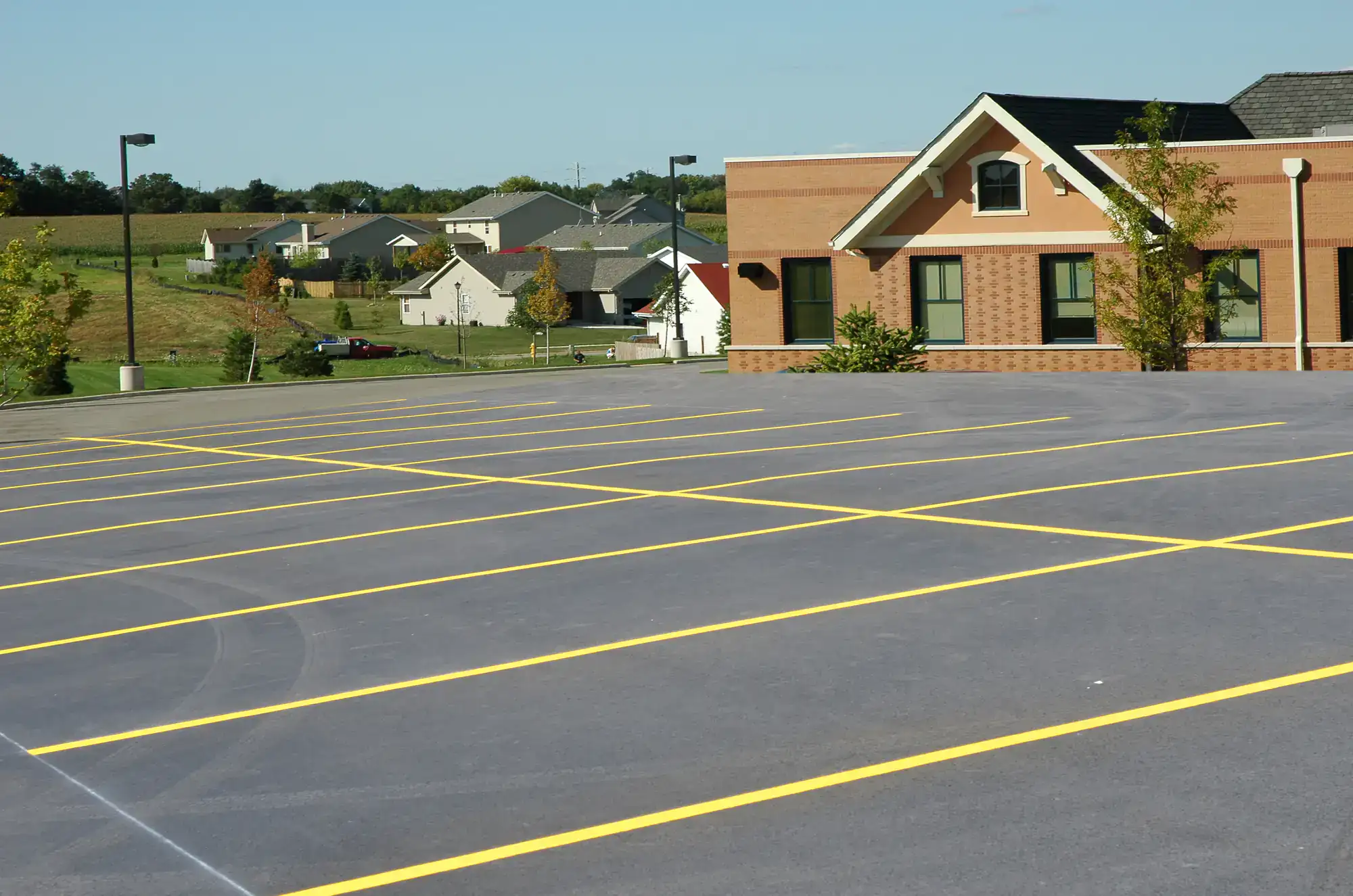
Your parking lot isn’t just pavement. It’s the first thing customers see when they pull up, and the last thing they remember when they leave. Cracks, potholes, and faded lines send a message you probably don’t want to send.
A properly paved commercial parking lot gives your customers a smooth, safe place to park. It keeps water from pooling after those heavy Florida afternoon storms. It holds up under delivery trucks, employee vehicles, and daily wear without crumbling into a maintenance nightmare.
When your asphalt is installed correctly—with proper base prep, drainage planning, and quality materials—you’re looking at decades of performance instead of constant repairs. You’re also avoiding liability issues from trip hazards and creating a professional appearance that makes your business look like it has its act together.
Central Florida Blacktop Paving Inc. is based in Winter Garden and we’ve been handling commercial paving projects across Central Florida for years. We understand what happens to asphalt in this climate—the way the sun bakes it, how summer humidity cycles stress it, and why drainage matters more here than almost anywhere else.
We focus on commercial parking lots and know what it takes to keep businesses running while work gets done. Clear timelines, transparent pricing, and no surprises halfway through the job. We finish projects on schedule, and the work holds up because it’s done right from the base layer up.
Poinciana’s growth means more retail centers, office buildings, and industrial properties need parking surfaces that can handle the load. We bring the equipment, the crew, and the experience to deliver asphalt that works for the long haul.
It starts with a site evaluation. We come out to look at what you’re working with—existing pavement condition, drainage patterns, traffic flow, access points. This isn’t a five-minute walkthrough. It’s about understanding what your property needs so the work gets planned correctly.
Next comes the plan itself. You’ll get a clear breakdown of what’s happening, when it’s happening, and what it costs. If your business needs to stay open during the work, we phase the project to keep things accessible. Traffic control, work zones, and scheduling all get mapped out before anyone shows up with equipment.
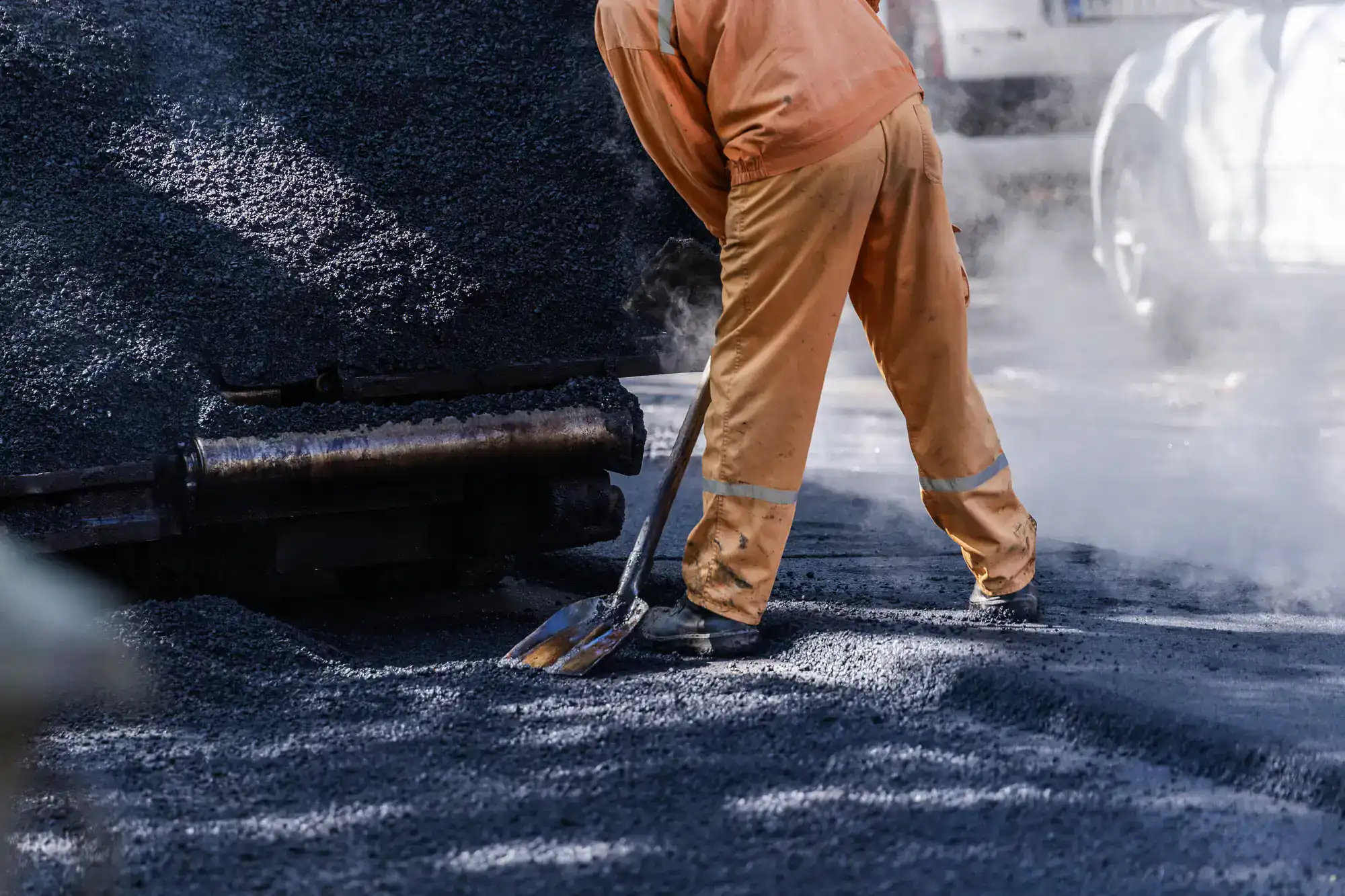
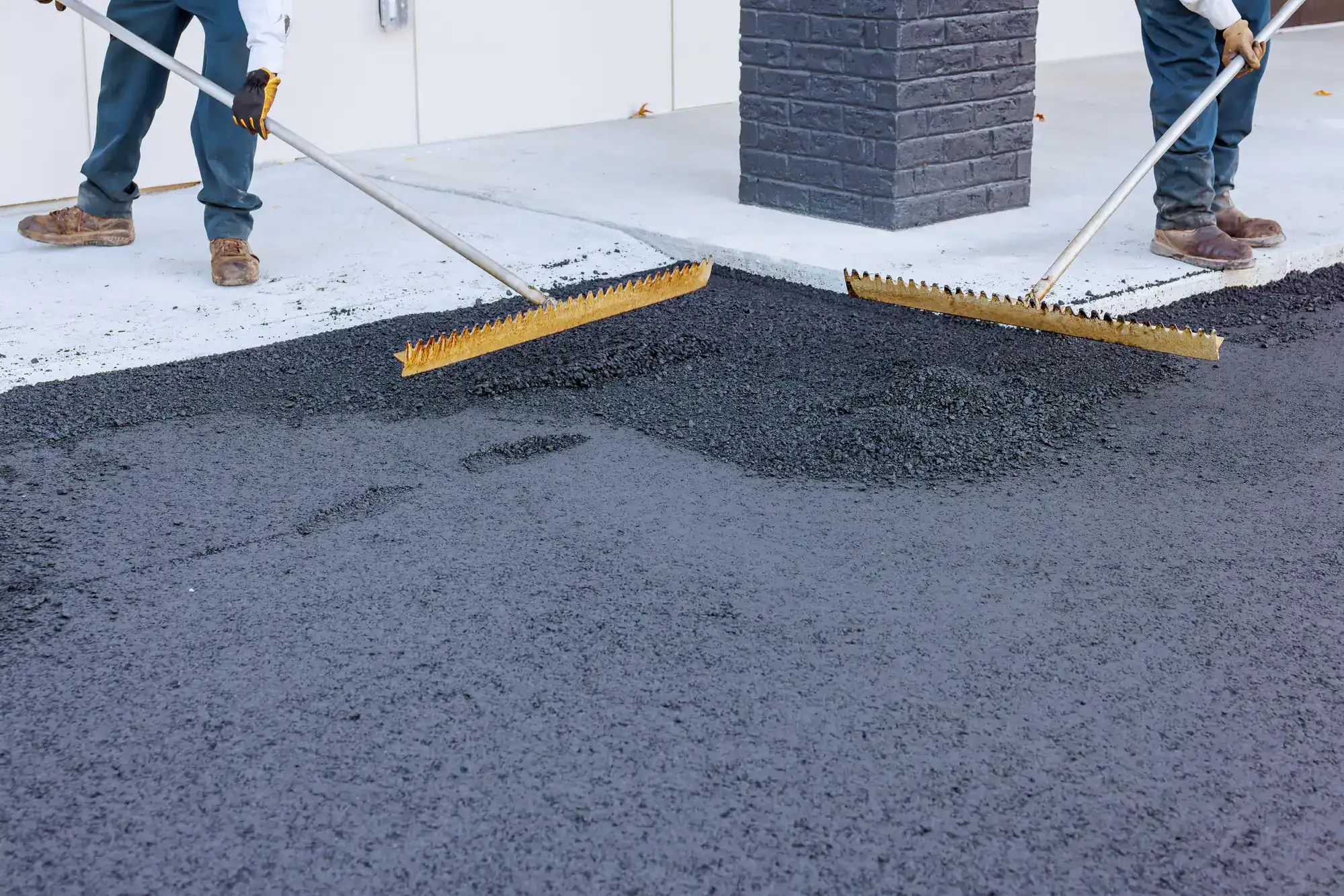
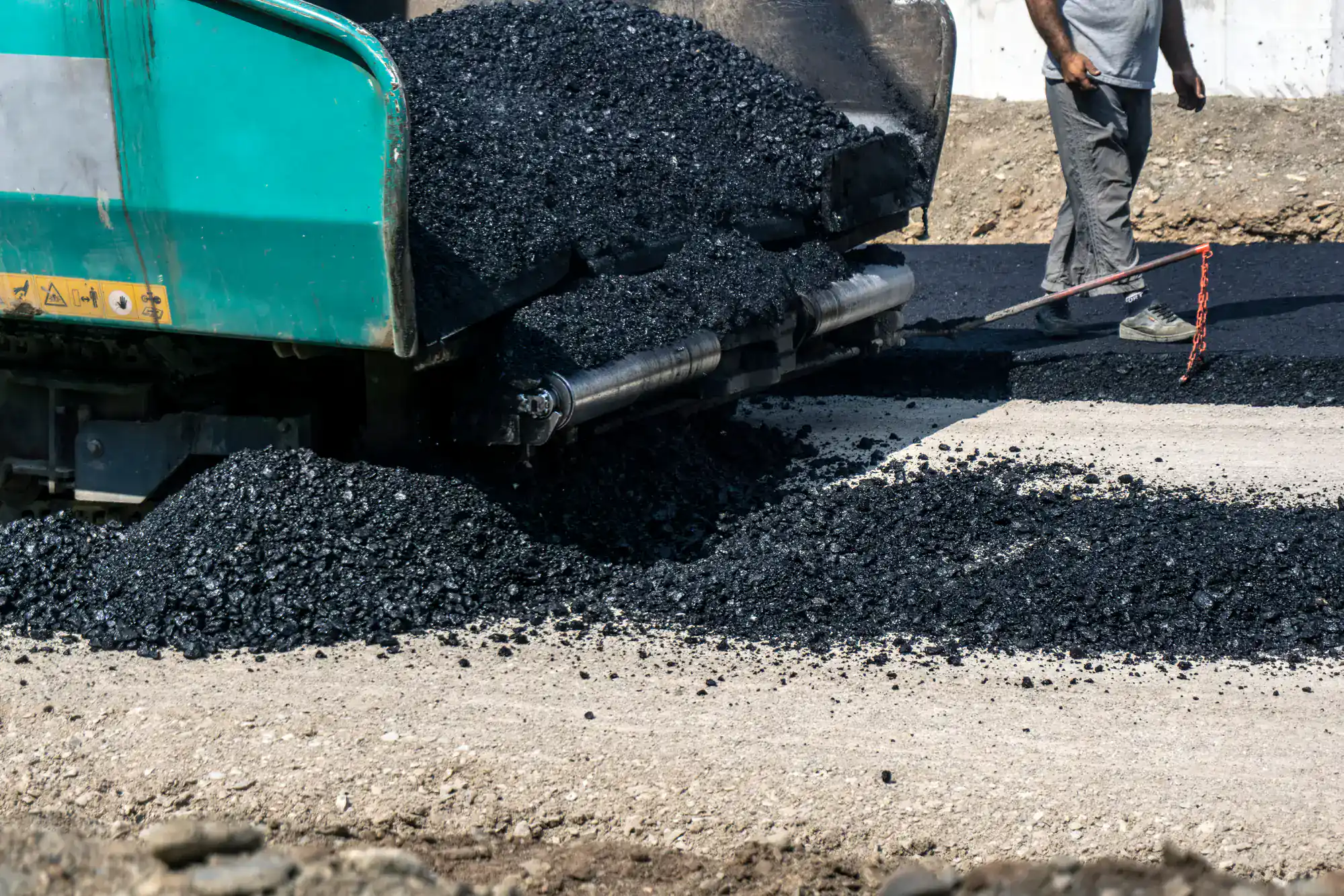
Then the actual paving begins. If it’s new construction, that means proper base preparation—the foundation that determines whether your parking lot lasts five years or twenty-five. Grading, compaction, and drainage all get handled before any asphalt goes down. For resurfacing or repairs, damaged sections get milled out and prepped so the new surface bonds correctly.
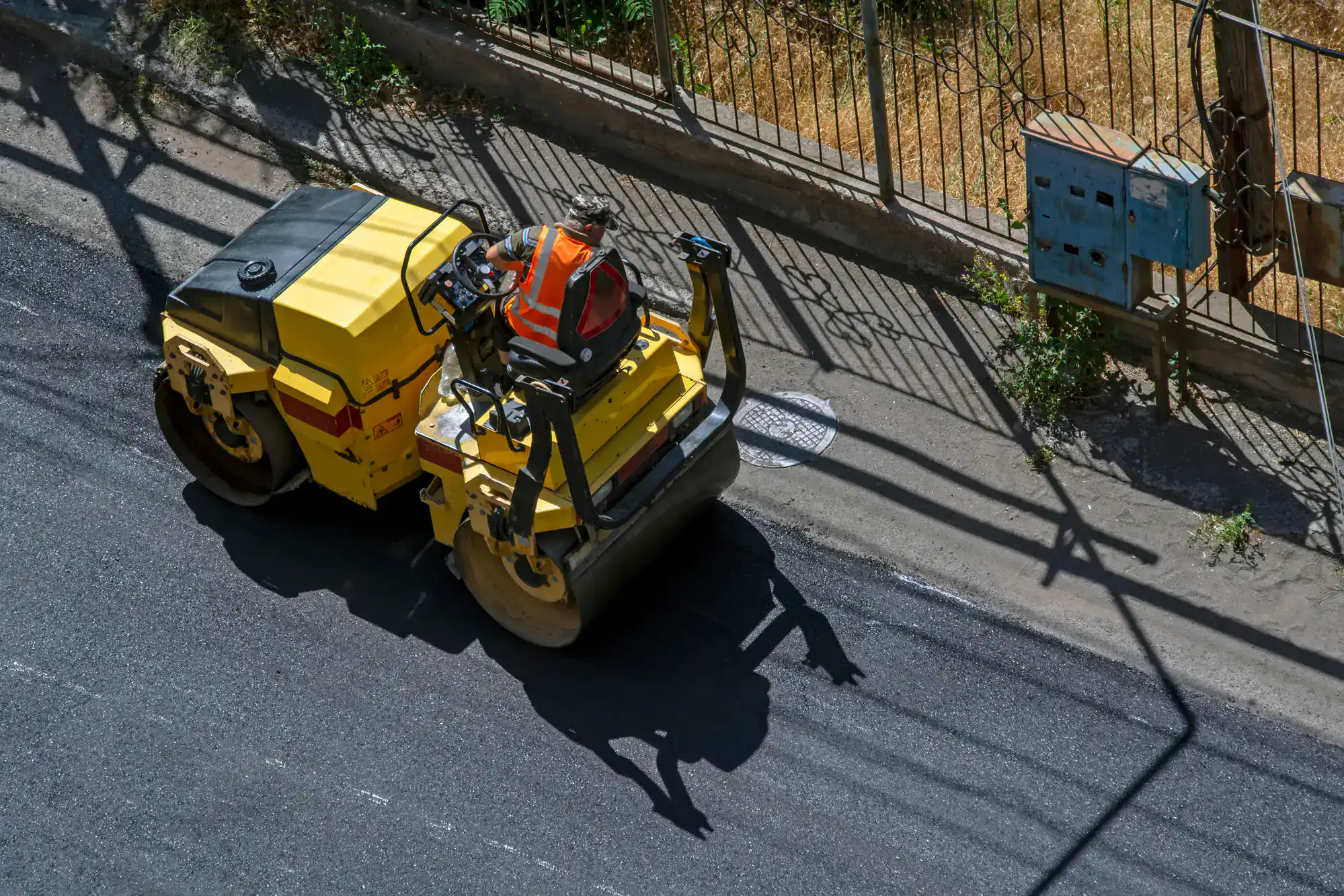
Once the asphalt is laid, it’s graded smooth and compacted to the right density. After it cures, striping goes in—parking spaces, handicap zones, fire lanes, directional arrows. Everything gets done to code, and you end up with a parking lot that’s ready for business.
Ready to get started?
Commercial paving in Poinciana means dealing with specific challenges. The area sits in Osceola and Polk Counties where summer heat pushes asphalt to its limits. Intense UV exposure accelerates oxidation. Afternoon thunderstorms dump water fast, and if your drainage isn’t dialed in, that water sits and eats away at the base layer.
Our commercial paving services cover new parking lot installation, asphalt resurfacing for worn surfaces, and repairs for potholes, cracks, and failing sections. The work includes base preparation, proper grading for drainage, asphalt installation using modern paving equipment, and finishing touches like curbing and ADA-compliant striping.
Poinciana’s recent commercial growth—like the Poinciana Lakes Plaza development with over 1,100 parking spaces—shows the demand for quality commercial asphalt work. Retail centers, office parks, apartment complexes, and industrial facilities all need parking surfaces that hold up to daily traffic while looking professional.
Maintenance services matter too. Sealcoating every few years protects against sun damage and moisture penetration. Crack filling stops small issues before they become expensive problems. Line striping keeps everything clear and compliant. Regular maintenance extends your pavement’s lifespan and keeps your property looking sharp.
With proper installation and regular maintenance, you’re looking at 20 to 25 years of solid performance. That timeline depends heavily on how the parking lot was built in the first place and how well it’s maintained over time.
Florida’s climate is tough on asphalt. The intense sun exposure accelerates oxidation, which breaks down the binders that hold everything together. Heavy rainfall and humidity create moisture issues if drainage isn’t handled correctly. Without proper base preparation and drainage design, you’ll see premature failure—cracking, rutting, and base erosion that cuts the lifespan way down.
Regular maintenance makes a huge difference. Sealcoating every three to five years creates a protective barrier against UV damage and moisture. Filling cracks before they spread prevents water from getting underneath and destroying the base layer. Addressing drainage issues and repairing damaged sections quickly keeps small problems from becoming parking lot replacements. The parking lots that last are the ones that get attention before things fall apart.
Water is the biggest culprit. When drainage isn’t designed and installed correctly, water pools on the surface or seeps into the base layer. In Poinciana’s climate, you get intense afternoon storms that dump water fast, followed by scorching heat that bakes everything dry. That cycle of saturation and drying stresses the pavement structure and breaks it down.
Poor base preparation is the other major issue. If the subgrade isn’t properly compacted or if the base layer is too thin, the parking lot can’t support the weight of traffic. You’ll see rutting where trucks and heavy vehicles compress the asphalt, and cracking where the base shifts underneath. Once the base fails, resurfacing won’t fix it—you’re looking at a full reconstruction.
Sun exposure accelerates asphalt oxidation, especially in areas without tree cover. The UV rays break down the asphalt binder, causing the surface to become brittle and crack. This happens faster in Florida than in cooler climates. Sealcoating helps, but it needs to be applied regularly. Parking lots that don’t get sealed end up with spiderweb cracking and surface deterioration within just a few years.
That depends on the size of your project and whether your business needs to stay operational during the work. For many parking lot projects, the actual paving can be completed in one to three days. Prep work and striping add time, but most commercial jobs are finished within a week.
If keeping your business open is critical, we phase the project. Sections of the parking lot are blocked off and paved while other areas remain accessible for customers and employees. We work around your schedule—early mornings, evenings, or weekends if that’s what minimizes impact. Traffic control measures keep things safe and direct people to open areas.
Communication is key to minimizing disruption. You’ll know exactly when work is happening, which areas will be blocked off, and when those areas will reopen. For resurfacing projects, the old asphalt gets milled out, the new surface goes down, and once it cures enough for traffic, that section reopens. For new installations, the timeline is longer because base preparation and grading take more time. Either way, you get a clear schedule upfront so you can plan accordingly and keep your customers informed.
Resurfacing means milling off the top layer of damaged asphalt and installing a new surface layer over the existing base. It works when the base is still solid and the damage is only surface-level—things like cracking, rutting, or weathering. Resurfacing is faster and less expensive than full replacement because you’re not tearing everything out and starting over.
Full replacement is necessary when the base layer has failed. If you’re seeing major potholes, severe cracking, standing water that won’t drain, or sections that have sunk significantly, the problem is underneath the surface. No amount of new asphalt on top will fix a failed base. In those cases, everything gets removed down to the subgrade, drainage issues get corrected, a new base layer goes in, and then fresh asphalt gets installed.
The decision comes down to what’s happening below the surface. A site evaluation tells you which approach makes sense. Sometimes one section needs full replacement while other areas just need resurfacing. The goal is to get you a parking lot that performs correctly without spending money on work you don’t need. If the base is solid, resurfacing gives you a like-new surface at a fraction of the cost. If the base is compromised, replacement is the only option that actually solves the problem.
Yes, most commercial paving projects require permits from Osceola County or Polk County, depending on where your property sits. Poinciana straddles both counties, so the specific requirements depend on your exact location. Permits ensure the work meets local codes for things like drainage, ADA compliance, and stormwater management.
The permit process covers site plans, drainage calculations, and sometimes environmental considerations. For new parking lot construction, you’ll need approval showing that stormwater runoff is properly managed and that the design meets county standards. For resurfacing or repairs, the requirements may be less extensive, but permits are still typically required for any substantial work.
We handle the permit process as part of the project. We know what the local jurisdictions require, submit the necessary documentation, and make sure inspections happen at the right stages. Trying to skip permits creates problems down the line—potential fines, issues when you sell the property, and liability if something goes wrong. Getting the permits handled correctly from the start keeps everything legal and protects your investment.
Start by looking at what’s actually failing. Surface-level issues like minor cracking, fading, or small potholes usually mean repairs or resurfacing will handle it. If you’re seeing widespread alligator cracking, large sections with potholes, areas that have sunk or heaved significantly, or persistent drainage problems, you’re likely dealing with base failure that requires replacement.
Water pooling is a major red flag. If water sits on your parking lot after rain instead of draining properly, that indicates either poor grading or base deterioration. Over time, that standing water seeps down and destroys the foundation. You might also notice that patching potholes doesn’t last—they keep coming back in the same spots. That’s a sign the base underneath is compromised and can’t support the surface anymore.
The best approach is to get a professional evaluation. We can assess the condition of both the surface and the base layer, identify drainage issues, and tell you honestly what needs to happen. Sometimes strategic repairs and maintenance buy you several more years. Other times, continuing to patch a failing parking lot just wastes money, and replacement is the smarter investment. A thorough assessment gives you the information you need to make the right call for your property and your budget.
Other Services we provide in Poinciana