Hear from Our Customers
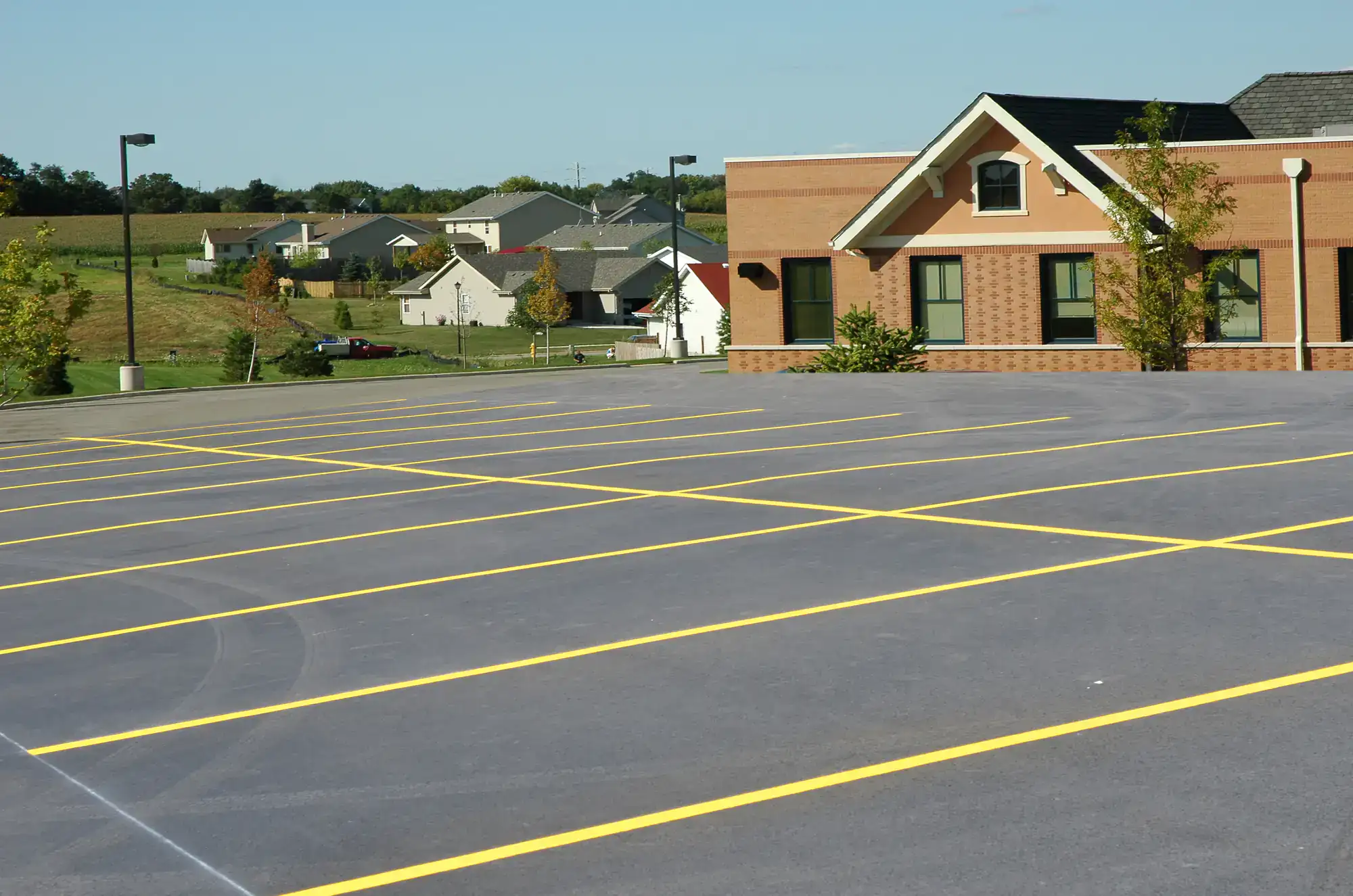
A cracked, faded parking lot doesn’t just look bad. It tells customers you’re cutting corners. It creates liability risks. And it costs you more in constant repairs than doing it right the first time would have.
When your commercial paving is done correctly, you stop worrying about potholes showing up after every storm. You’re not patching cracks every few months. Your lot handles Central Florida’s brutal heat and afternoon downpours without breaking down.
The difference comes down to preparation. Proper base work. Materials designed for Florida’s climate. And a team that knows the shortcuts other contractors take—and refuses to take them.
You get a parking lot that lasts 15 to 25 years with basic maintenance instead of needing major work in five. That’s the outcome that matters.
Central Florida Blacktop Paving Inc. operates out of Winter Garden and serves commercial property owners throughout Oak Terrace and the surrounding Central Florida region. We handle everything from small business parking lots to large commercial installations.
What sets us apart is straightforward: we use modern equipment, proper techniques, and don’t rush the process. Every project gets the same attention to detail whether it’s a 10-space lot or a 100-space facility.
We offer free consultations and transparent pricing upfront. You know what you’re paying for before work starts. Projects stay on schedule and within budget because they’re planned correctly from the beginning.
Commercial paving isn’t just laying asphalt on dirt. The work happens in layers, and each one matters.
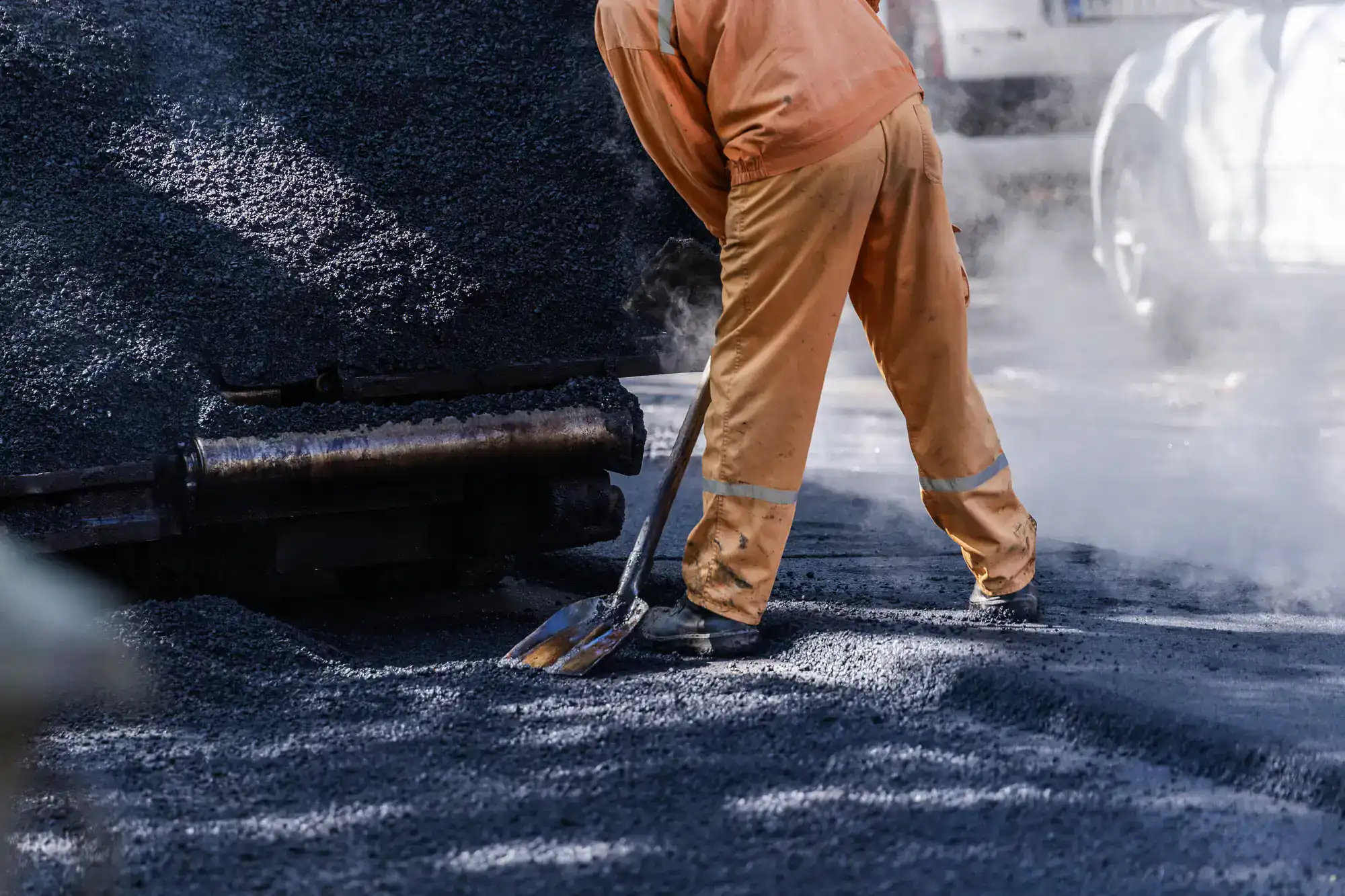
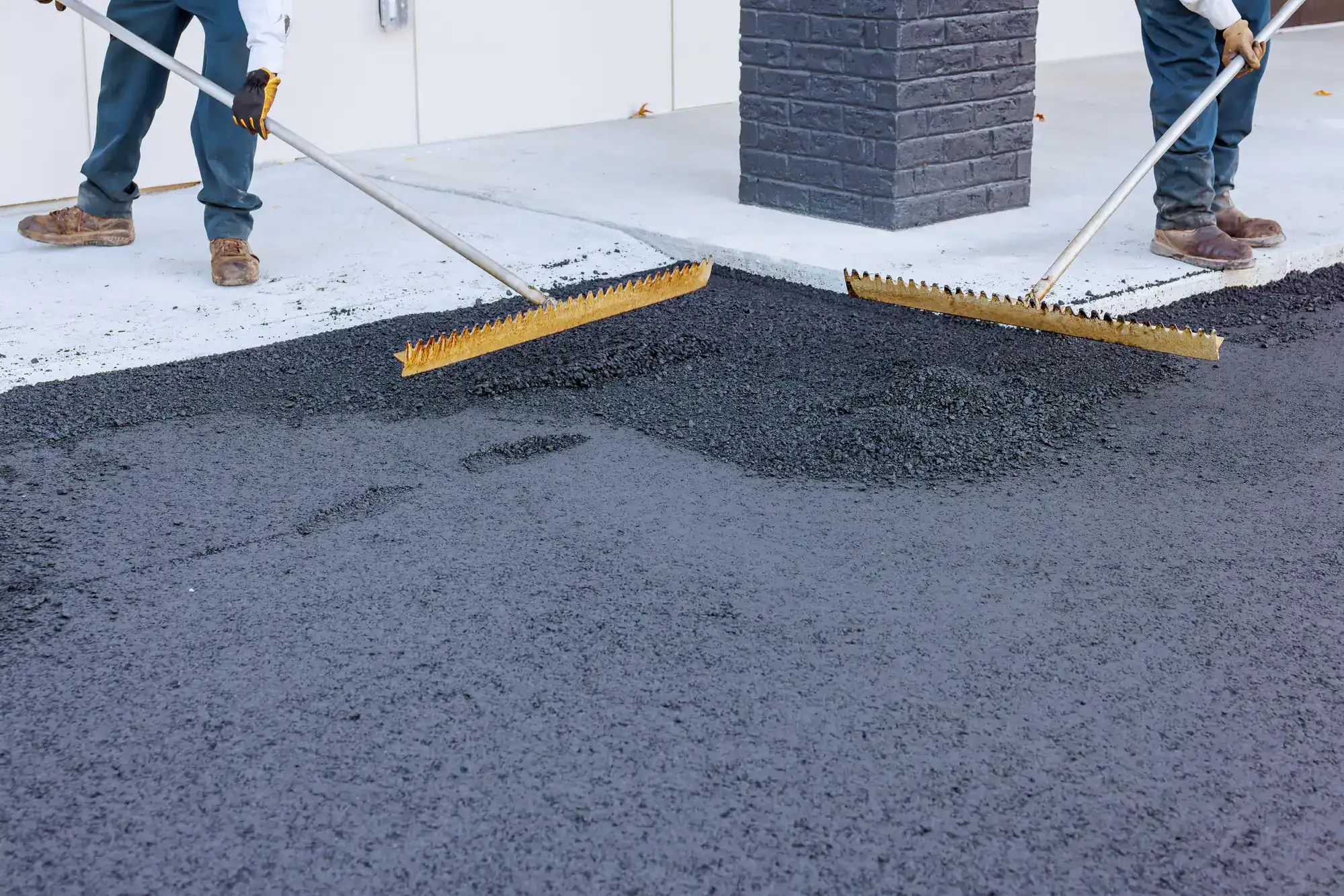
First, the existing surface gets removed if there is one. Then the site is graded for proper drainage—this step prevents water from pooling and destroying your pavement later. The sub-base comes next, built with compacted aggregate that creates a stable foundation. We proof roll this base with heavy equipment to find any weak spots before moving forward.
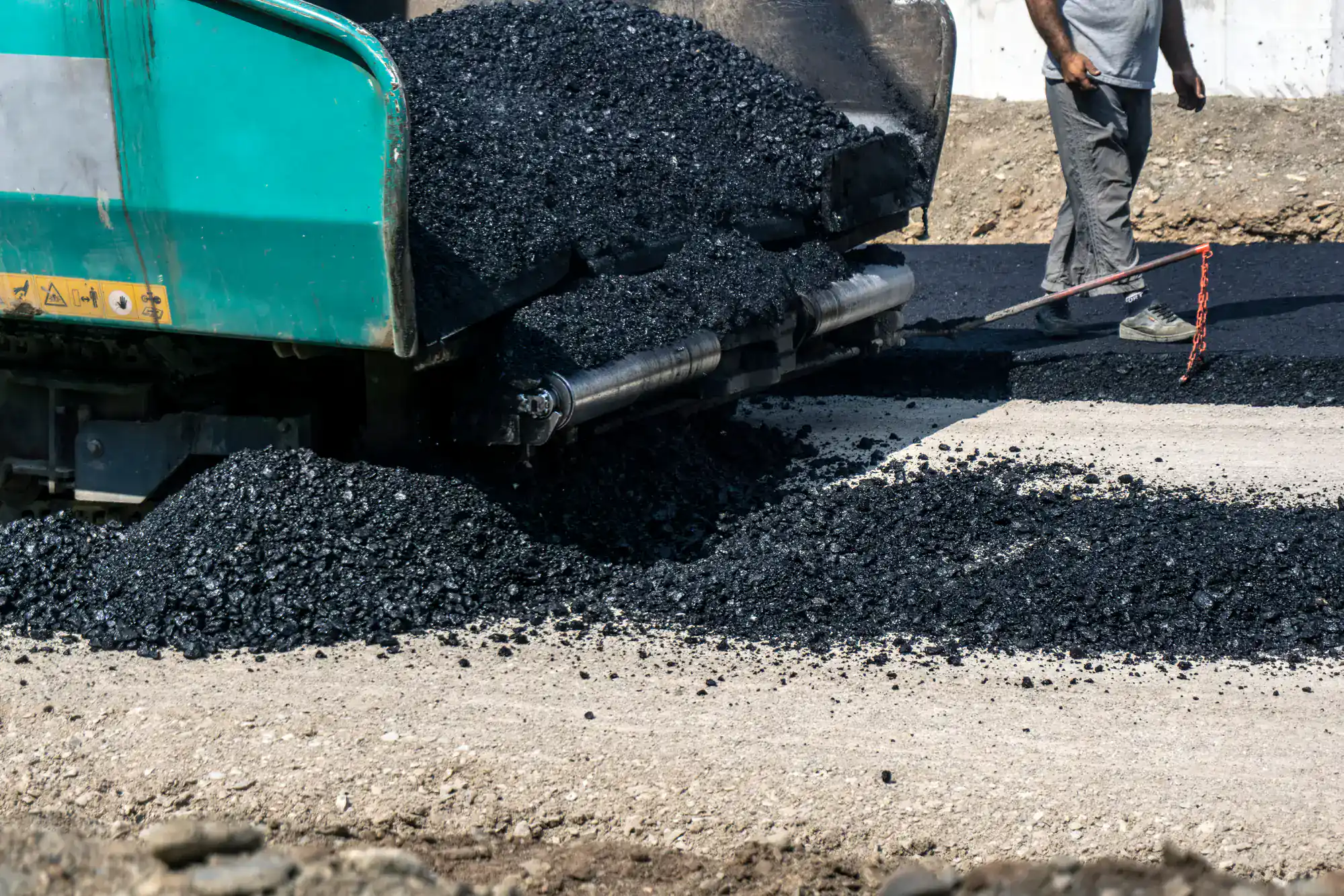
Once the base passes inspection, a binder layer goes down for commercial projects. This is the strong adhesive layer between your base and the surface asphalt. The final asphalt layer is delivered hot—around 250 to 300 degrees—and needs to be spread and compacted while it’s still workable.
Heavy rollers make multiple passes to eliminate air pockets and create that smooth, tight finish. The lot can handle light traffic within a couple days, but full curing takes longer. Sealcoating happens about six months after installation to lock in protection against UV damage and water infiltration.
Ready to get started?
Every commercial paving project in Oak Terrace needs to account for Florida-specific challenges. Central Florida’s heat pushes asphalt surface temperatures above 130 degrees in summer. Humidity sits between 70 and 90 percent most of the year. Afternoon thunderstorms from June through September dump heavy rain that tests your drainage.
We use asphalt mixes formulated for high-heat conditions. These materials won’t soften or bleed when temperatures spike. Proper grading ensures water flows off your lot instead of sitting in low spots where it causes damage.
For commercial properties, ADA compliance isn’t optional. Your parking lot needs proper stall widths, accessible ramps, and compliant signage. We handle these requirements as part of the installation, not an afterthought.
Striping, marking, and signage get added once the asphalt cures. You also get recommendations for maintenance schedules—crack sealing, sealcoating, and minor repairs that extend your pavement’s life and protect your investment.
Oak Terrace business owners deal with the same climate issues as the rest of Central Florida. The solutions that work here are the ones designed specifically for this environment, not generic approaches that fail when the weather turns.
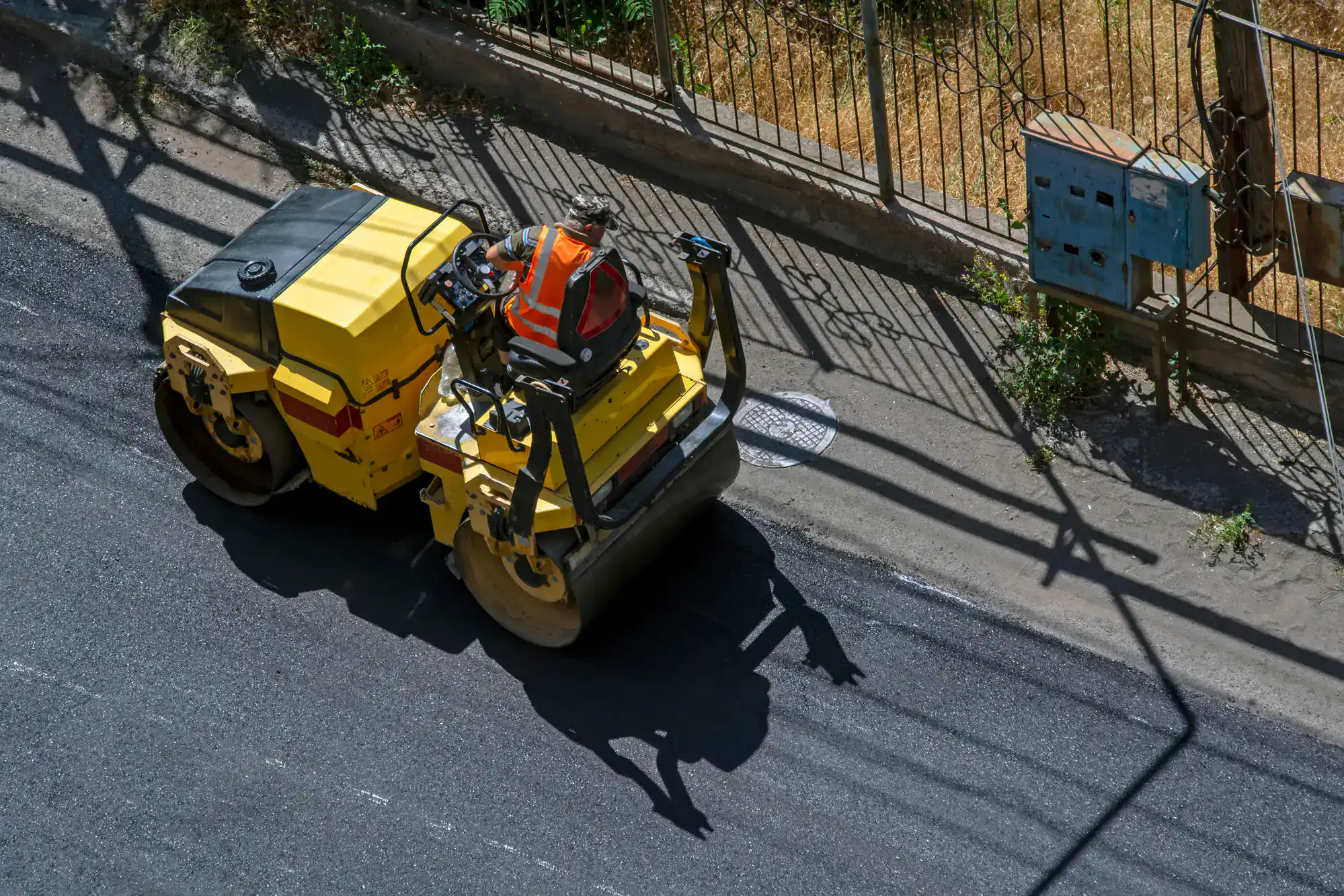
Most commercial parking lot projects take anywhere from a few days to two weeks depending on the size and complexity. A small business lot with 15 to 20 spaces might be done in two to three days if weather cooperates. Larger facilities with 50 or more spaces typically need a week or longer.
The timeline includes site prep, base work, asphalt installation, and curing time. Weather plays a role—you can’t pour asphalt in the rain, and extreme heat requires adjustments to the process. We schedule projects during optimal conditions and plan around your business operations to minimize disruption.
If you need phased work to keep part of your lot accessible during installation, that’s an option. It extends the timeline slightly but lets you stay open for customers. You’ll get a realistic schedule during your free consultation based on your specific property and needs.
Three things destroy commercial asphalt faster than anything else in Florida: poor drainage, inadequate base preparation, and using materials not designed for the climate.
When water can’t drain properly, it sits on or under your pavement. That water seeps into cracks, weakens the base, and creates potholes. Florida’s heavy rainfall makes drainage even more critical here than in other regions. If the site isn’t graded correctly from the start, you’re looking at problems within a few years.
The sub-base is your pavement’s foundation. If it’s not thick enough or properly compacted, the asphalt above it will crack and shift as the base fails. Skipping the proof roll test—where heavy equipment checks for weak spots—means those problems don’t get caught until after your parking lot is already failing.
Florida’s heat and UV exposure also break down asphalt that isn’t formulated for these conditions. Standard mixes can soften in extreme heat or oxidize quickly under constant sun. Using the right materials for Central Florida’s climate is the difference between pavement that lasts 20 years and pavement that needs major work in seven.
Commercial parking lots typically need three to four inches of asphalt over a properly prepared base. That’s thicker than residential driveways because commercial lots handle heavier traffic loads and need to meet higher durability standards.
The installation usually includes a binder layer and a surface layer. The binder layer uses larger aggregate and provides structural strength. The surface layer has smaller aggregate for a smooth finish and better appearance. Together, these layers create a parking lot that can handle daily traffic without rutting or breaking down.
If your lot will see heavy truck traffic—delivery vehicles, moving trucks, or commercial equipment—you might need four inches or more. We evaluate your specific traffic patterns during the consultation and recommend the appropriate thickness for your situation.
The base underneath matters just as much as the asphalt thickness. A strong, compacted aggregate base provides the support your pavement needs. Cutting corners on base preparation to save money upfront just means you’ll pay more in repairs later.
Asphalt costs less upfront—typically two to four dollars per square foot compared to four to seven dollars for concrete. It’s also faster to install and can be used within a few days. Concrete takes longer to cure and requires at least a week before you can open it to traffic.
For repairs, asphalt is easier and less expensive to fix. You can patch potholes or resurface sections without it being obvious. Concrete repairs are more visible and complicated. However, concrete lasts longer between major maintenance—30 to 40 years compared to 15 to 25 for asphalt.
In Florida’s climate, both materials face challenges. Asphalt can soften in extreme heat if not properly formulated. Concrete shows oil stains more easily and requires regular cleaning to maintain appearance. Asphalt needs sealcoating every two to four years, while concrete needs resealing every three to five years.
Most commercial property owners in Central Florida choose asphalt because of the lower initial cost, faster installation, and easier repairs. The key is using quality materials designed for Florida’s heat and having it installed correctly. That’s where the real difference shows up—not in the material choice, but in how the work gets done.
Commercial parking lot paving in Oak Terrace typically runs between two-fifty and seven dollars per square foot depending on site conditions, lot size, and project complexity. A small commercial lot with 20 spaces might cost $25,000 to $50,000. Larger facilities with 100 spaces can range from $100,000 to $200,000 or more.
Several factors affect the final price. Site preparation costs increase if you need extensive grading, drainage work, or removal of existing pavement. Poor soil conditions require additional base work. Adding features like curbing, signage, and striping adds to the total.
The thickness of asphalt you need matters too. Standard commercial installations use three to four inches, but heavy-duty applications require more. ADA-compliant accessible spaces, ramps, and proper signage are required by law and factor into the cost.
We provide free consultations and transparent estimates before work begins. You’ll know exactly what you’re paying for and why. The goal isn’t to be the cheapest option—it’s to give you a parking lot that doesn’t need major repairs in five years because corners were cut during installation.
Fall through early spring—roughly October through April—offers the most consistent weather for commercial paving in Central Florida. You avoid the peak heat of summer and the heavy afternoon thunderstorms that dominate June through September.
Asphalt needs dry conditions for installation. Rain delays projects and can compromise the work if it happens at the wrong time. Florida’s rainy season makes scheduling trickier from June onward. While paving can happen year-round, the drier months give you more predictable timelines and fewer weather delays.
Temperature matters too, but in a different way than northern states. Asphalt is laid hot—around 250 to 300 degrees—and needs time to cool and compact properly. Florida’s heat actually helps keep the asphalt workable longer during installation, which is beneficial. But extreme summer heat can make the curing process more challenging.
For your business, timing also depends on your operational needs. Many commercial property owners schedule paving during slower business periods to minimize customer impact. We can work with your schedule and recommend the best timing based on weather patterns and your specific situation. The free consultation covers all of this so you can plan accordingly.
Other Services we provide in Oak Terrace