Hear from Our Customers
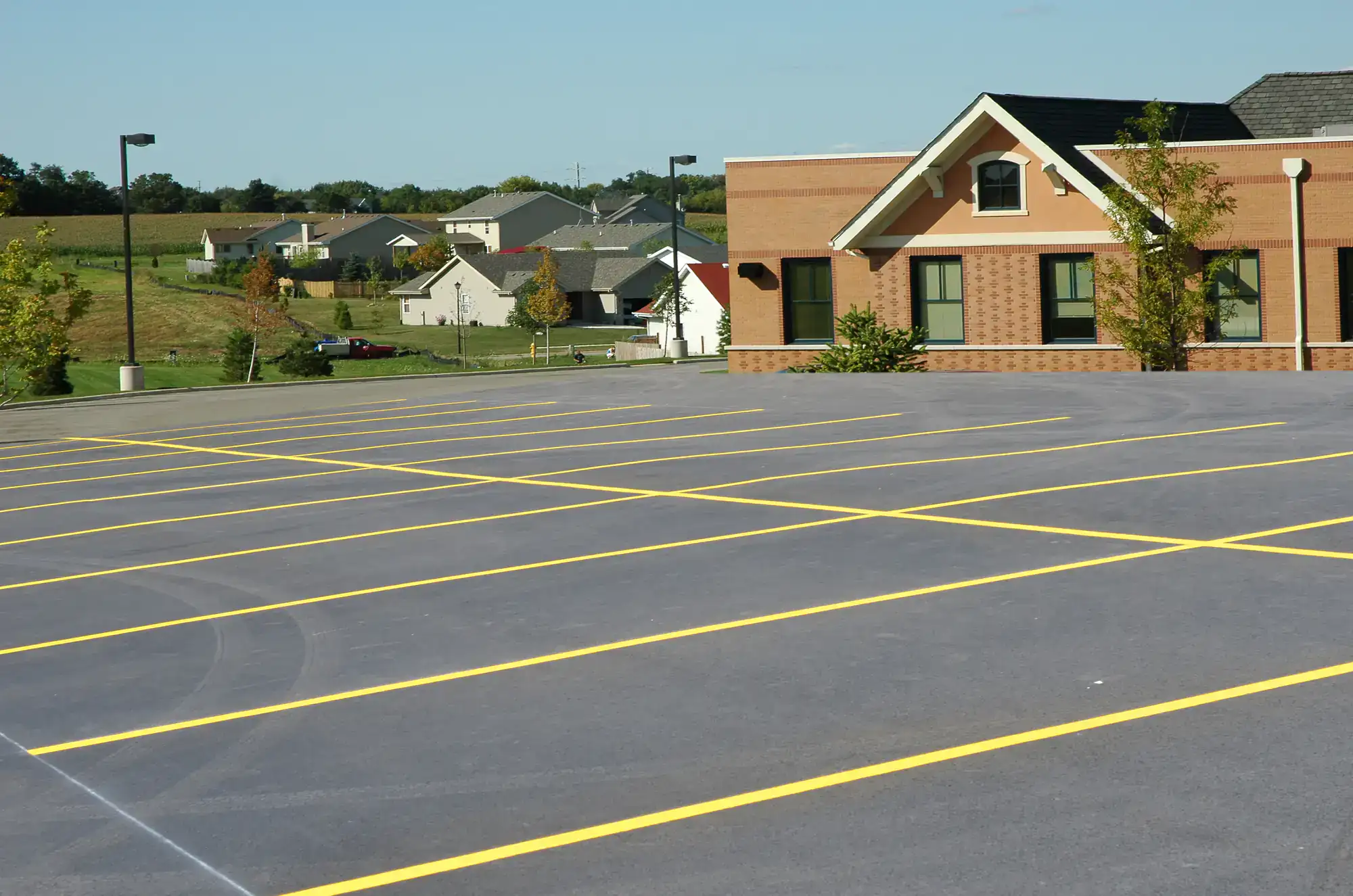
A parking lot that holds up means fewer repairs, lower costs, and one less thing to worry about. When the asphalt is installed correctly from the start, you’re not dealing with standing water after every storm or watching cracks spread across the surface by year two.
Florida’s heat is relentless. Surface temperatures hit 140°F in summer, and that softens poorly installed asphalt fast. Add in Mulberry’s afternoon downpours and the constant stream of delivery trucks, and you’ve got a recipe for expensive problems if the foundation isn’t right.
The difference is in the prep work, the materials, and the crew doing the install. When those three things line up, your parking lot becomes an asset instead of a liability. Customers pull in and see a clean, smooth surface. You’re not scheduling emergency repairs or dealing with complaints about potholes.
We operate out of Winter Garden and have been handling commercial paving across Central Florida for years. As a commercial paving company serving Mulberry and Polk County, we know what the local soil does to a base layer and how the weather tests every parking lot.
We’re not the cheapest option, and we’ll tell you that upfront. What you get is a crew that shows up when we say we will, uses equipment that’s maintained properly, and doesn’t cut corners on the parts you can’t see. The work gets done on schedule, the site stays clean, and the final result matches what was promised during the consultation.
Mulberry’s growing logistics sector means more commercial traffic, heavier loads, and higher expectations. A sloppy paving job shows immediately, and it costs more to fix than it would’ve cost to do right the first time.
It starts with a site visit. We come out, look at your property, ask about drainage issues or problem areas, and measure everything. You’ll get a written estimate that breaks down what’s included and how long it’ll take.
Once you approve it, we schedule the work around your business hours when possible. The first step is prepping the base—grading it properly so water flows away from the building, compacting the soil, and making sure the foundation is stable. This part matters more than most people realize because it’s what keeps your parking lot from sinking or cracking later.
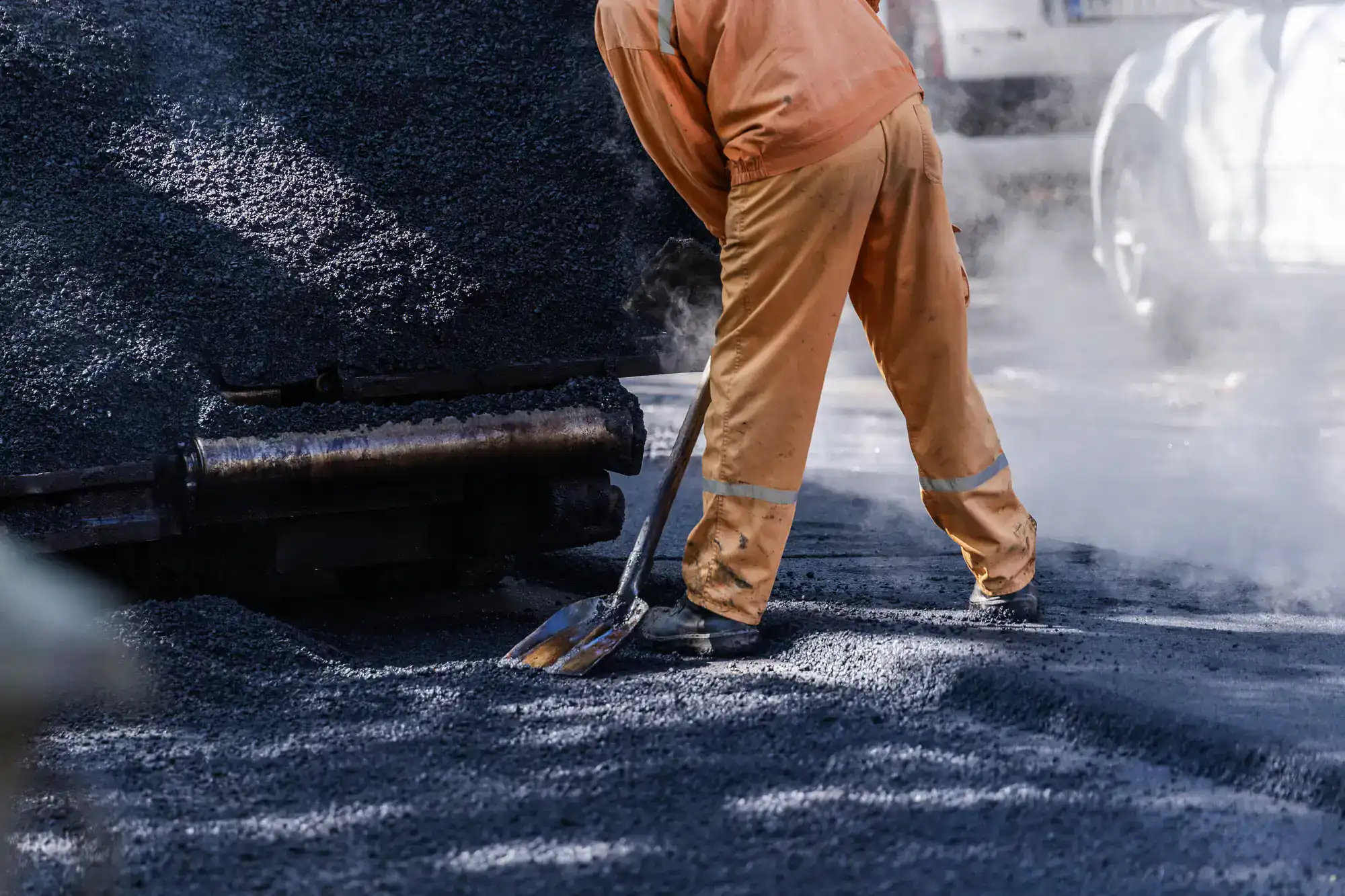
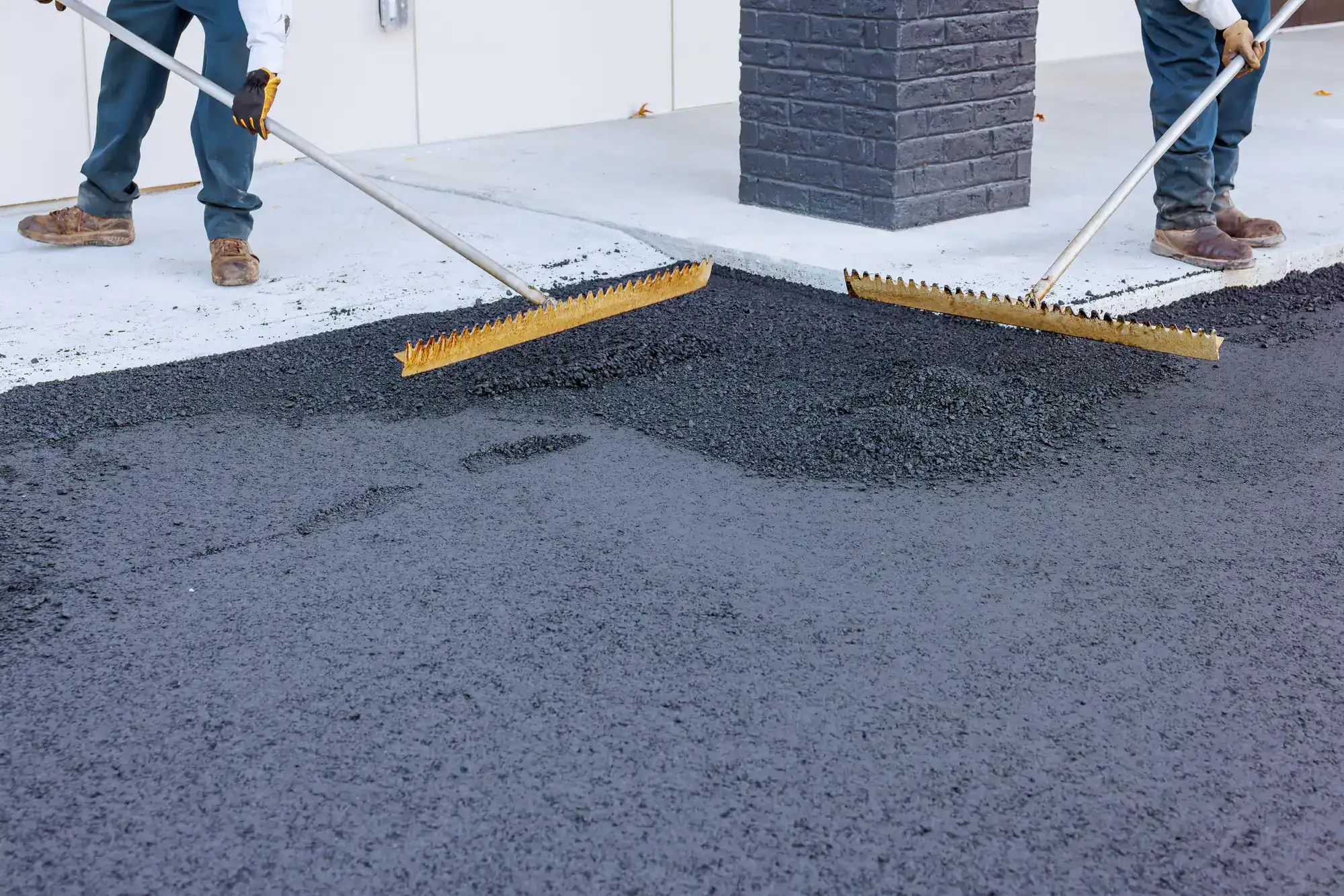
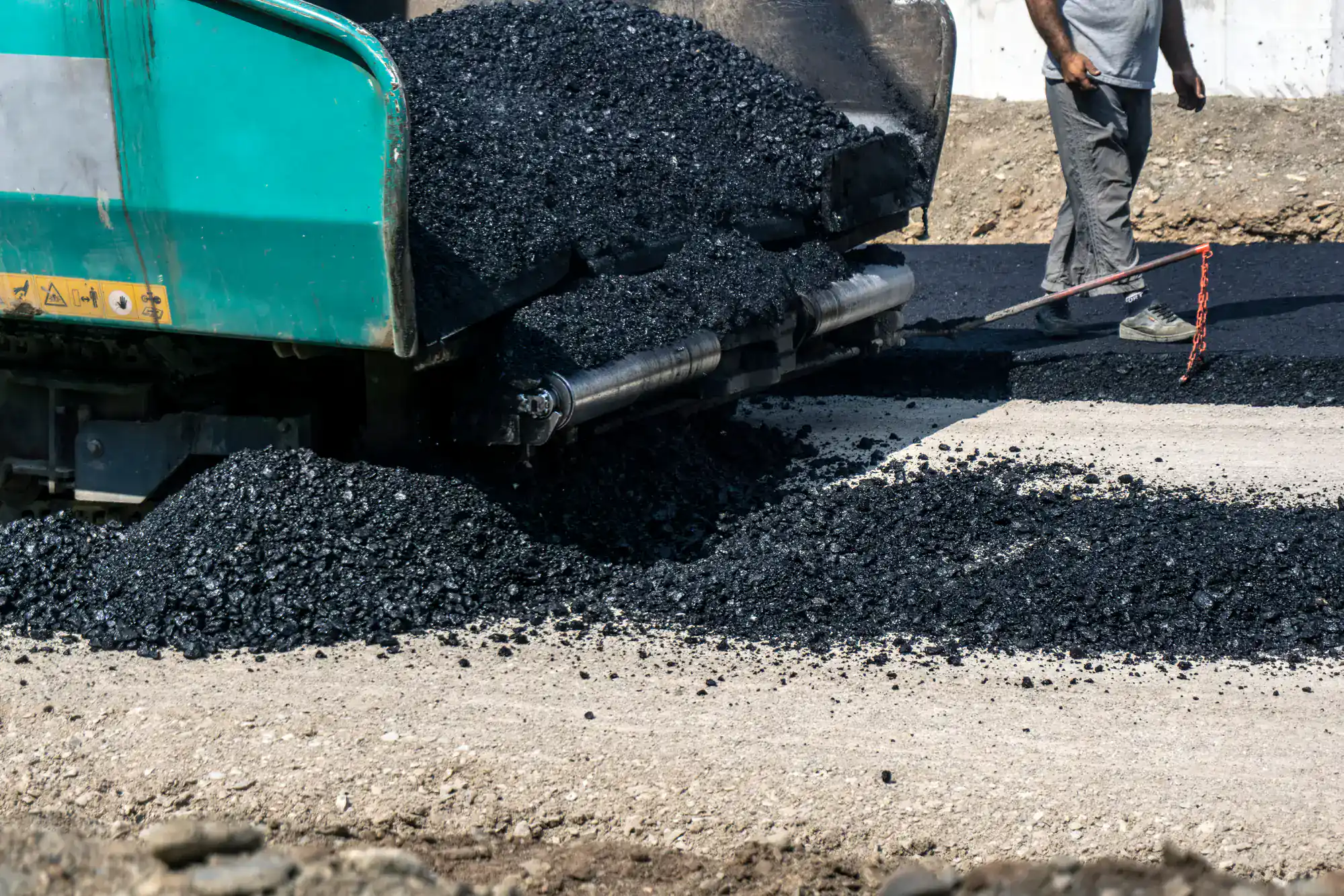
Then comes the asphalt. The mix is designed for Florida’s climate, meaning it won’t soften as easily in the heat or break down as fast under UV exposure. We lay it in layers, compact it correctly, and make sure the thickness matches what your traffic load requires. Light car traffic needs less asphalt than a lot handling delivery trucks daily.
After the asphalt cures, we handle striping if that’s part of the scope. The whole process typically wraps up in a few days for most commercial lots, and you’re back to normal operations without a drawn-out disruption.
Ready to get started?
Mulberry sits in the middle of Polk County’s industrial growth. You’ve got phosphate industry traffic, logistics operations near State Road 60, and local businesses that depend on functional parking areas. That means your lot isn’t just handling customer cars—it’s dealing with heavy commercial vehicles, frequent use, and Florida’s weather extremes.
Drainage is critical here. Central Florida gets 50+ inches of rain annually, and most of it falls between June and September. If your parking lot doesn’t shed water properly, you’ll have standing pools, accelerated deterioration, and eventually structural failure. Proper grading and a solid base prevent that.
The asphalt mix matters too. Standard mixes soften when temperatures spike above 140°F, which happens regularly in summer. Commercial-grade asphalt designed for Florida’s heat stays firm under heavy loads and resists rutting from trucks making tight turns. It costs slightly more upfront but saves you from resurfacing years earlier than necessary.
Mulberry’s location also means you’re not dealing with freeze-thaw cycles like northern states, which is good. But the trade-off is constant UV exposure and humidity that accelerates oxidation. Sealcoating every few years protects the surface and extends the life of your investment. Most commercial lots here need attention every 3 to 5 years depending on traffic volume.
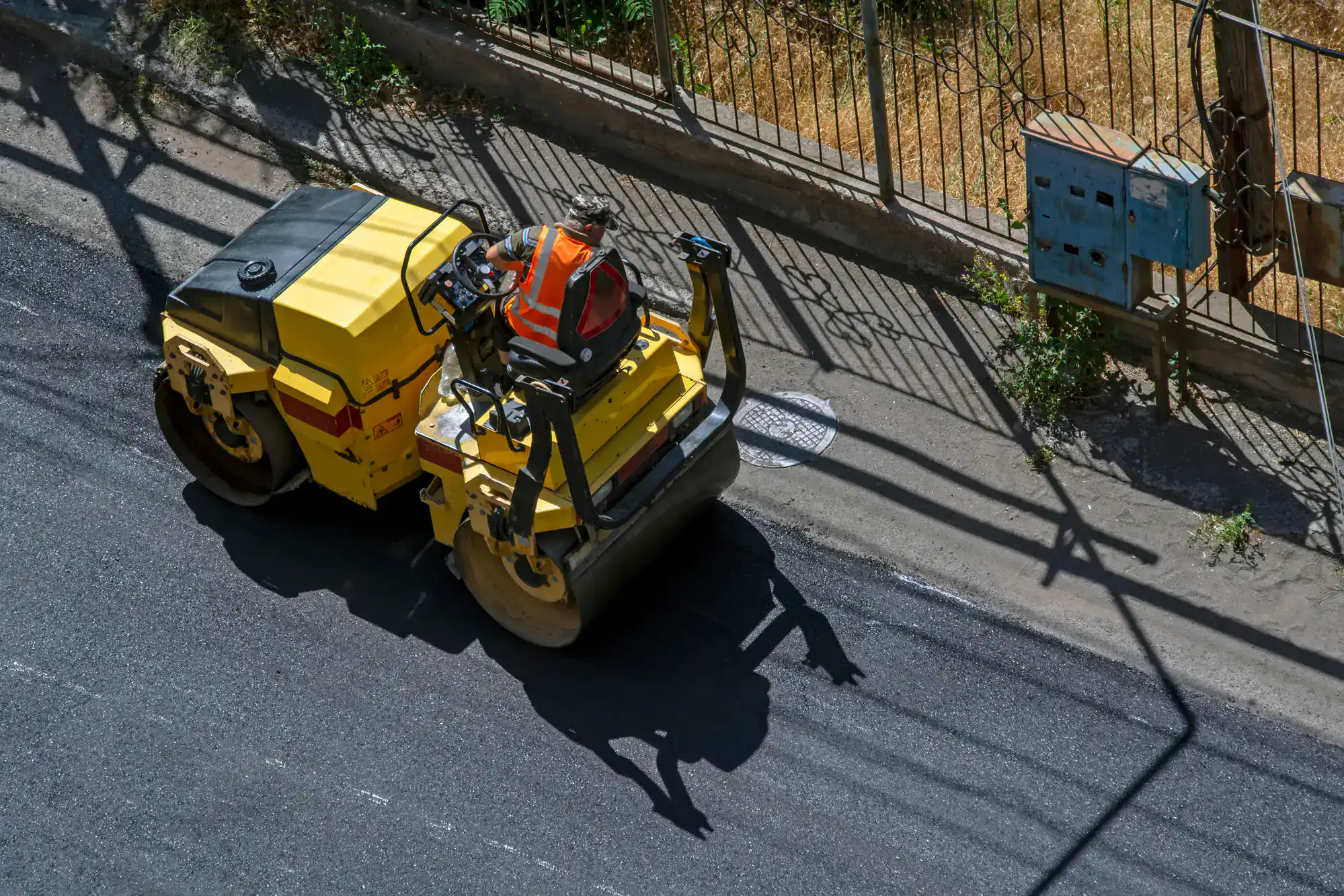
A properly installed commercial parking lot in Central Florida typically lasts 20 to 25 years with regular maintenance. Without maintenance, you’re looking at 7 to 10 years before you need major reconstruction.
The difference comes down to sealcoating, crack filling, and addressing drainage issues before they become structural problems. Florida’s climate is tough on asphalt—UV rays break down the binders, heat softens the surface, and heavy rain infiltrates any weak points. Regular upkeep counters those factors and protects your initial investment.
If you’re seeing widespread cracking, rutting from heavy vehicles, or areas where water pools after rain, those are signs the lot is nearing the end of its lifespan. Catching issues early means you can resurface instead of replacing the entire thing, which costs significantly less.
Asphalt costs less upfront, installs faster, and handles Florida’s heat better than concrete. It’s also easier to repair when damage does occur. Concrete lasts longer—30 to 40 years—but costs nearly double and takes longer to cure before you can use it.
For most Mulberry businesses, asphalt makes more sense. It’s ready for traffic within a day or two, and repairs are straightforward. Concrete cracks too, but fixing it requires cutting out sections and pouring new concrete, which is more disruptive and expensive.
Asphalt’s dark color also hides tire marks and stains better, and it provides better traction in wet conditions. The main trade-off is maintenance—asphalt needs sealcoating every few years, while concrete requires less frequent attention. But when you factor in the lower installation cost and faster turnaround, asphalt wins for most commercial applications in Central Florida.
Most commercial paving in Florida runs between $2.50 and $7 per square foot, depending on the lot size, base condition, and asphalt thickness you need. A 10,000-square-foot lot typically costs $25,000 to $70,000 when you factor in site prep, materials, labor, and striping.
Larger lots benefit from economies of scale, so your per-square-foot cost drops as the project size increases. If your existing base is in good shape and just needs resurfacing, you’re looking at $1 to $3 per square foot instead of a full replacement.
The cheapest bid isn’t always the best value. A contractor who skips proper base prep or uses thinner asphalt will come in lower, but you’ll pay for it later when the lot fails prematurely. Get detailed quotes that break down what’s included, and ask about the asphalt thickness and base preparation—those details tell you whether you’re comparing apples to apples.
Yes, but it requires flexibility. Asphalt needs dry conditions to install properly, so paving during summer means working around afternoon thunderstorms. Most contractors in Central Florida schedule morning installations during rainy season and have contingency plans if weather doesn’t cooperate.
Rain delays aren’t ideal, but they’re better than paving in wet conditions. If asphalt is laid on damp ground or gets rained on before it cures, you’ll have bonding issues and premature failure. A good contractor won’t rush it just to meet a deadline if conditions aren’t right.
Fall and spring offer more predictable weather windows, but Florida’s mild winters mean you can pave year-round if needed. The key is working with a crew that monitors conditions and adjusts the schedule rather than pushing through when it’s not safe to do so.
Plan on sealcoating every 2 to 3 years, crack filling as needed, and restriping when lines fade. Sealcoating protects against UV damage and water infiltration, which are the two biggest threats to asphalt in Florida’s climate.
Cracks should be filled as soon as you notice them. Small cracks let water seep into the base, and once that happens, you’re dealing with structural damage instead of surface wear. Catching them early is cheap—ignoring them leads to expensive repairs.
You should also inspect drainage regularly, especially after heavy storms. If water isn’t flowing off the lot properly, you’ll develop soft spots and accelerated deterioration. Keeping the surface clean helps too—oil, fuel, and other chemicals break down asphalt faster, so addressing spills promptly extends the life of your lot.
Start by asking how long they’ve been working in Central Florida and whether they carry proper licensing and insurance. Experience with Florida’s climate matters because the installation techniques that work up north don’t always translate here.
Get multiple quotes, but compare what’s actually included—not just the bottom-line number. Ask about base preparation, asphalt thickness, compaction methods, and warranty terms. A detailed proposal tells you the contractor knows what they’re doing.
Check references from other commercial projects in the area. Talk to property managers or business owners who’ve used commercial paving contractors and ask whether the work was completed on schedule, whether the crew was professional, and how the lot has held up. A contractor’s reputation in the local market is usually a reliable indicator of what you can expect.
Other Services we provide in Mulberry