Hear from Our Customers
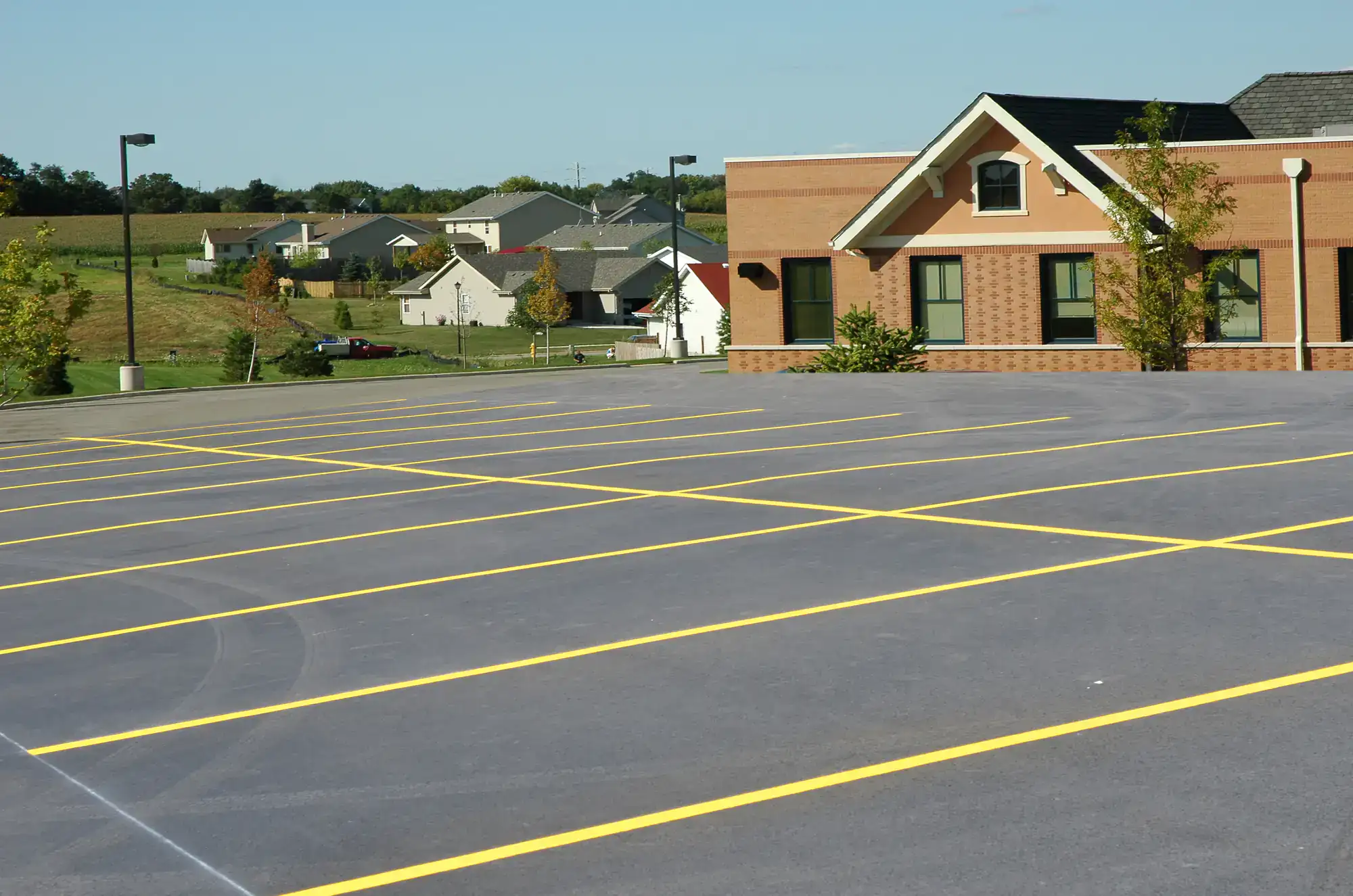
A well-paved parking lot does more than fill space. It keeps water from pooling near your building, gives customers a smooth surface that doesn’t damage their vehicles, and creates a professional first impression before anyone walks through your door.
When the base is prepared correctly and drainage is planned right, you’re not dealing with cracks and potholes every few years. You’re not patching sections that should’ve been solid from the start. The asphalt holds up under Florida’s heat without softening or rutting where traffic is heaviest.
That means fewer repair calls, lower long-term costs, and a property that looks like you actually care about it. Your parking lot becomes one less thing you have to think about.
We operate out of Winter Garden and serve commercial properties throughout Grenelefe and the surrounding Central Florida region. We’ve seen what happens when contractors cut corners on base prep or use materials that can’t handle the climate here.
We focus on commercial parking lots and asphalt surfaces that need to withstand heavy use and intense weather conditions. Our approach is straightforward – proper planning, quality materials, modern equipment, and clear communication from consultation to completion. We give you transparent pricing upfront so you can make decisions without surprises halfway through the project.
Grenelefe’s commercial properties need paving work that accounts for drainage, traffic patterns, and Florida’s unique combination of heat and rain. That’s what we build.
We start with a site visit to assess your property’s current condition, drainage situation, and any access concerns. This isn’t a quick walk-around – we’re looking at base stability, traffic flow, and potential issues that could cause problems down the road.
Once we understand what you’re working with, we provide a detailed estimate that breaks down the work and timeline. No vague language or surprise add-ons later. If your property needs to stay operational during construction, we plan phases that keep access open and minimize disruption to your business.
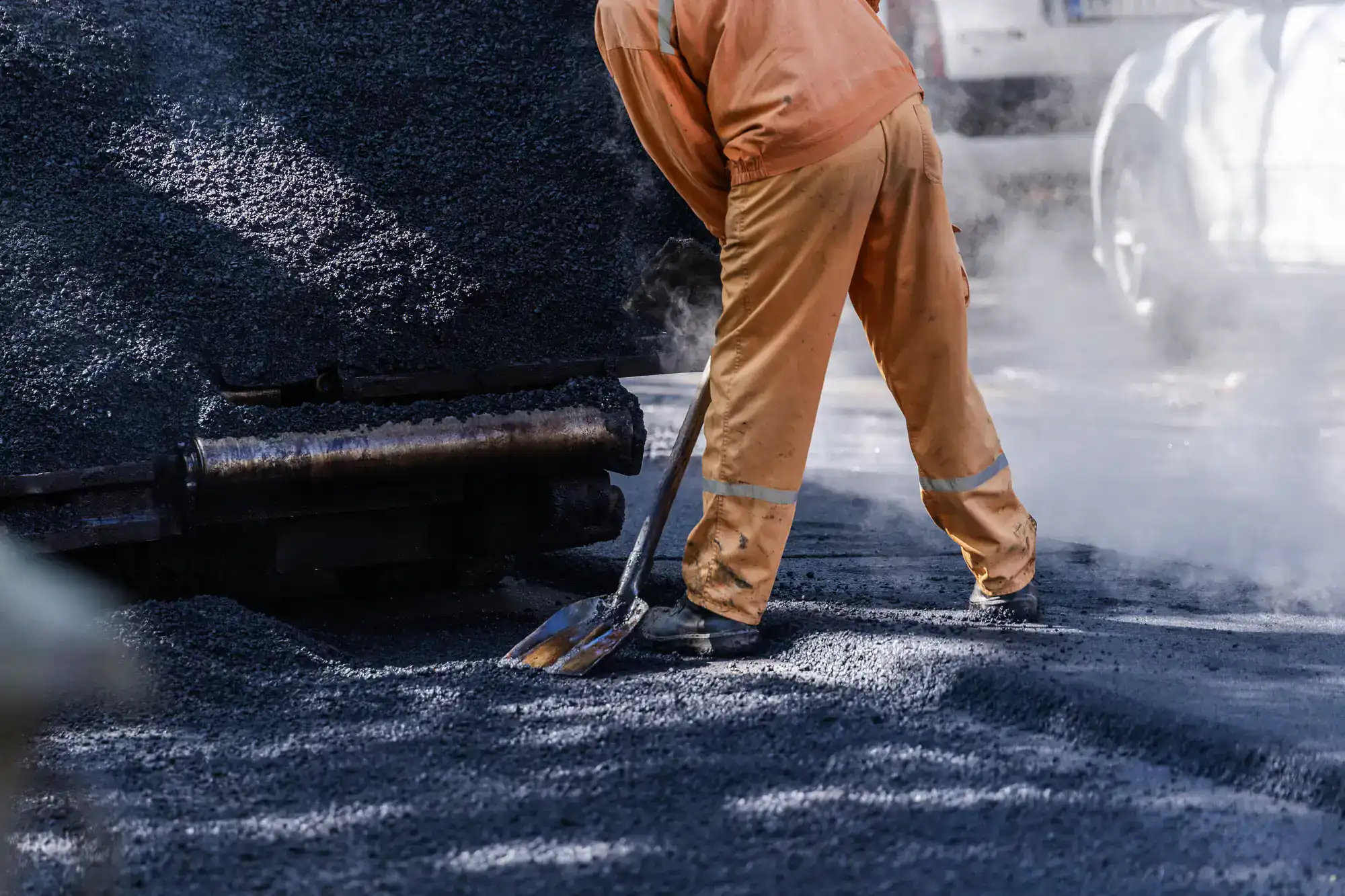
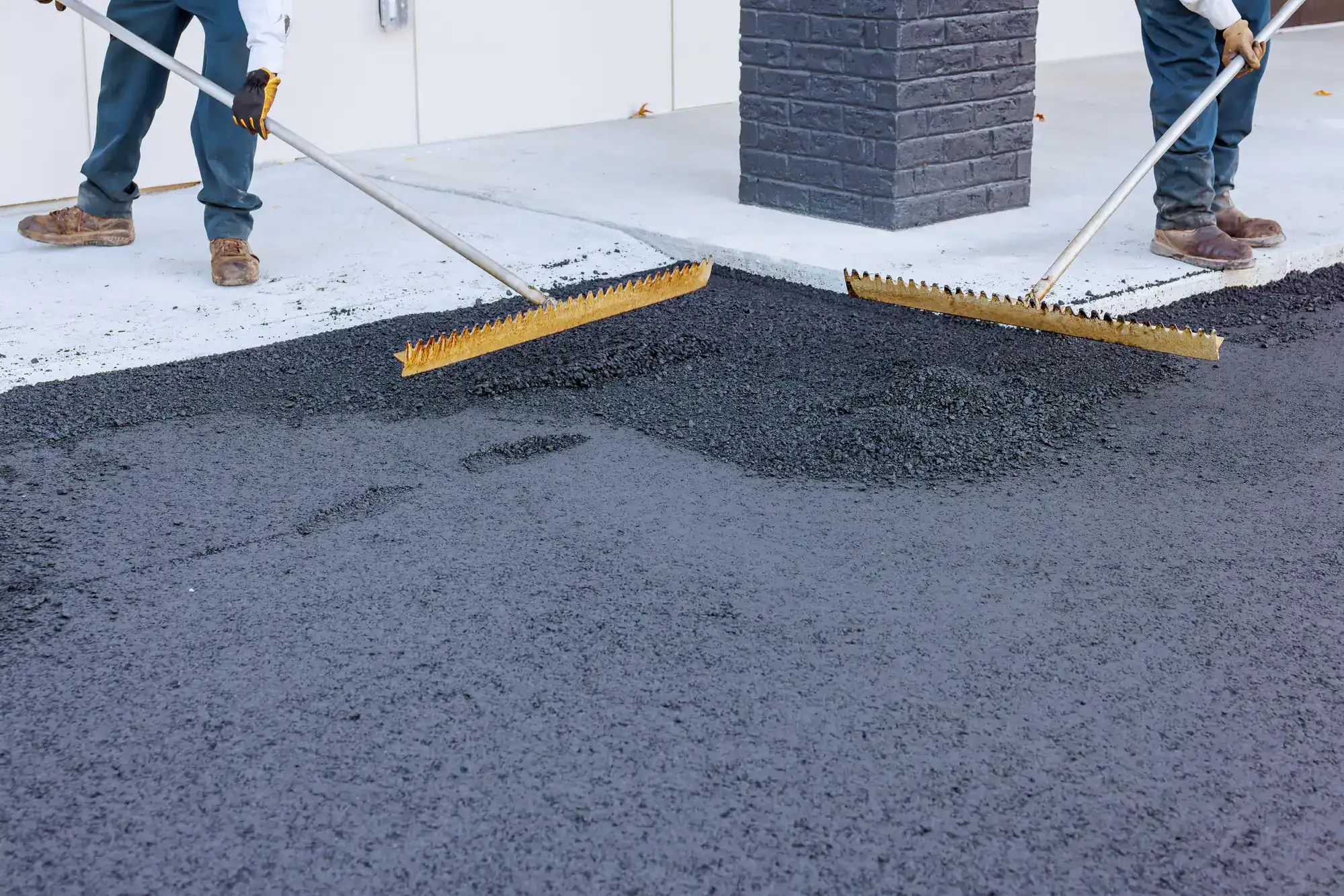
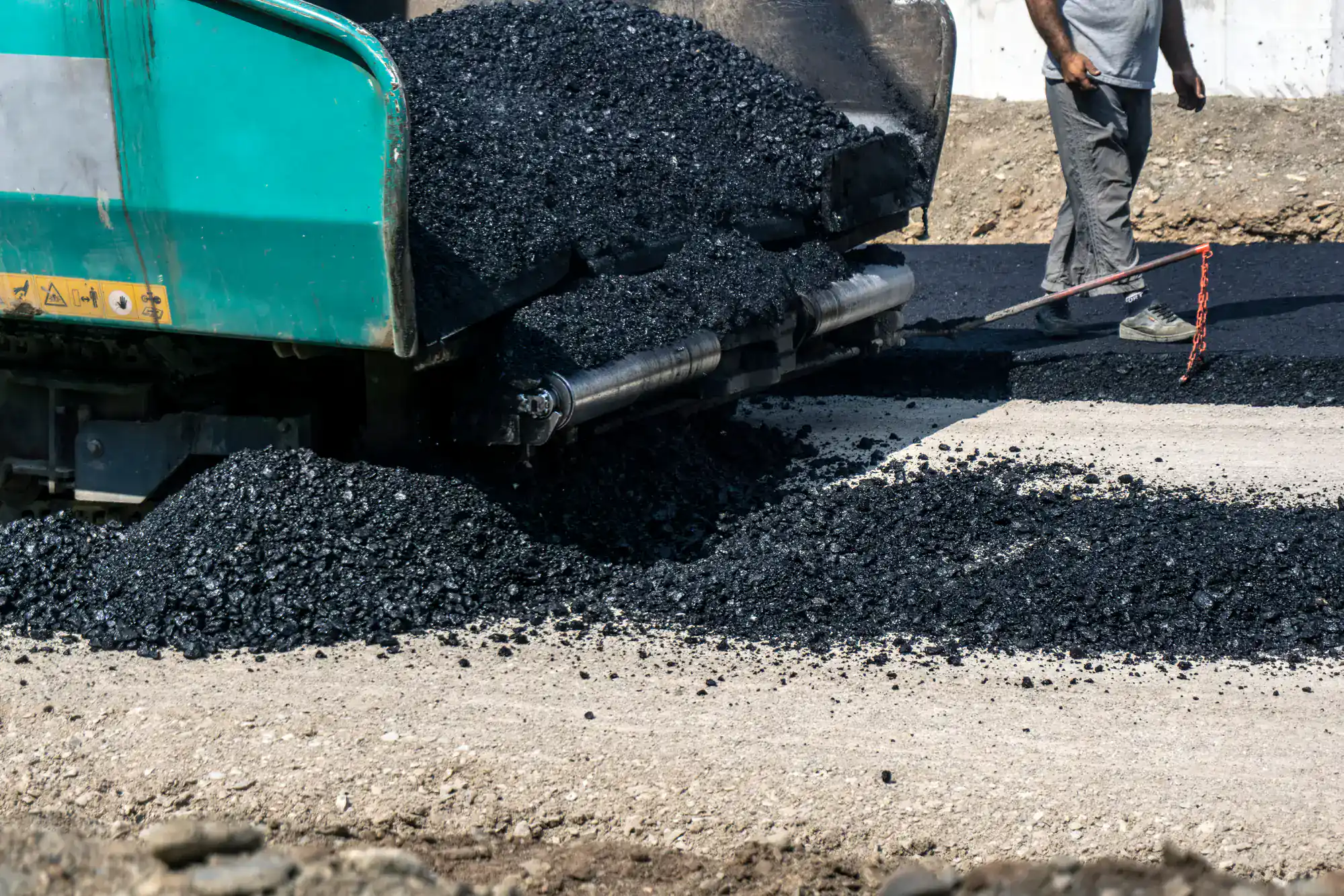
The actual paving process starts with proper base preparation. This is where most problems get prevented or created. We grade for drainage, compact the base, and make sure the foundation can handle your traffic load. Then we install the asphalt using equipment that delivers consistent thickness and proper compaction.
After paving, we handle striping, marking, and any final details that make your parking lot functional and compliant. You get a clear timeline upfront, and we stick to it.
Ready to get started?
Commercial paving projects in Grenelefe need to account for specific local factors. The area’s commercial properties – from retail centers to office complexes – deal with Florida’s intense UV exposure, afternoon thunderstorms, and the reality that water doesn’t drain well in many parts of Central Florida without proper planning.
Our commercial asphalt paving includes site evaluation, base preparation, proper grading for drainage, asphalt installation, and final striping. We handle new parking lot construction, full replacements, and expansions. The work also covers repairs, resurfacing, and maintenance for existing commercial asphalt surfaces that need attention before small problems become expensive failures.
For Grenelefe businesses, we coordinate construction timing around your operational needs. If you can’t shut down your parking lot completely, we phase the work to maintain access. We also handle permitting requirements and ensure the finished surface meets ADA compliance and local codes.
The goal is a parking lot that performs well in Central Florida’s climate, handles your traffic volume, and doesn’t need constant attention. That requires understanding what materials work here, how to build proper drainage into the design, and what thickness and base specs actually hold up long-term.
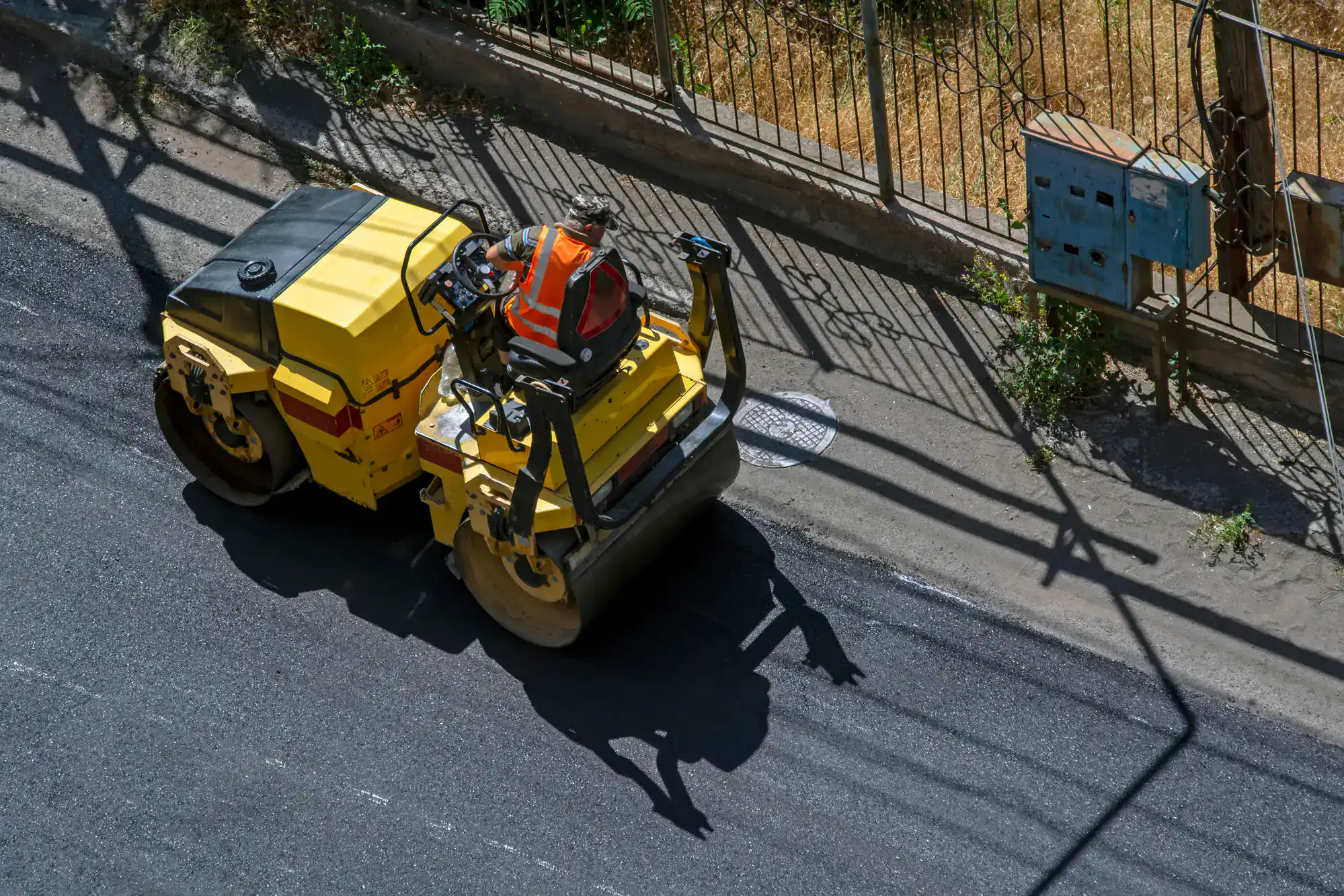
A properly installed commercial parking lot in Florida typically lasts 15 to 20 years, but that timeline depends entirely on the quality of installation and ongoing maintenance. Florida’s climate is tough on asphalt – the constant heat, UV exposure, and heavy rain accelerate wear faster than in cooler, drier regions.
The biggest factor is base preparation and drainage. If water sits on the surface or seeps into the base, you’ll see premature cracking and deterioration within just a few years. Proper compaction, adequate thickness for your traffic load, and grading that moves water away from the pavement all extend lifespan significantly.
Regular maintenance like sealcoating every few years and addressing small cracks before they spread also makes a major difference. A parking lot that’s neglected will need replacement in 10 years or less, while one that’s properly maintained can push past 20 years before requiring full reconstruction.
The most common cause is poor drainage planning. Central Florida gets significant rainfall, and if water pools on the surface or penetrates into the base layer, it weakens the entire structure. You’ll see alligator cracking, potholes, and sections that start to sink or shift.
Inadequate base preparation is the second major issue. If the subgrade isn’t properly compacted or if the base material is insufficient for the traffic load, the asphalt will crack and fail quickly under stress. Contractors who rush this step to save time create problems that show up within the first few years.
Using asphalt mix that’s not appropriate for Florida’s heat is another factor. The pavement needs to withstand high temperatures without becoming soft or rutting in areas where vehicles turn or brake frequently. Cheap materials or incorrect specifications lead to surfaces that don’t hold up to normal commercial use.
Finally, skipping routine maintenance accelerates decline. Small cracks that aren’t sealed allow water infiltration, and oxidation from UV exposure breaks down the binder in the asphalt. What could’ve been a simple repair becomes a major reconstruction project.
We phase the work to keep portions of your parking lot accessible while we’re paving other sections. This means your customers and tenants can still access the property, even if they’re using temporary routes or reduced parking areas.
Before work starts, we walk through the site with you to identify critical access points, peak business hours, and any areas that absolutely cannot be blocked. Then we create a construction schedule that works around those constraints. For some properties, that means working during off-hours or weekends. For others, it means dividing the lot into sections and completing one area before moving to the next.
We also coordinate communication. If you need to notify tenants or customers about temporary changes, we provide clear timelines and updates so everyone knows what to expect. Traffic control measures, signage, and barriers keep people safe and direct them to open areas.
The goal is to complete quality work without shutting down your business. It requires more planning and coordination, but it’s standard practice for commercial properties that can’t afford to close during construction.
Resurfacing means removing the top layer of asphalt and applying a new surface over the existing base. It’s appropriate when the base is still stable and the damage is limited to the surface layer – things like minor cracking, oxidation, or surface wear from traffic.
Full replacement involves removing all the asphalt down to the base, addressing any issues with the subgrade or base material, and then rebuilding the entire pavement structure. You need full replacement when the base has failed, when there’s significant structural damage like deep potholes or alligator cracking, or when drainage problems have compromised the foundation.
Resurfacing costs significantly less and takes less time, but it only works if the underlying structure is sound. If you resurface over a failing base, you’re just covering up problems that will reappear quickly. We assess the condition during the site visit to determine which approach actually makes sense for your property.
In many cases, portions of a parking lot might need full replacement while other areas can be resurfaced. It depends on traffic patterns, drainage issues, and how the pavement has held up over time. The honest answer requires looking at what’s actually happening below the surface.
Yes, ADA compliance is part of every commercial paving project we complete. This includes proper placement and sizing of accessible parking spaces, appropriate striping and signage, correct slopes and cross-slopes for accessibility, and compliant curb ramps where needed.
The requirements are specific – accessible spaces must be a certain width, located on the shortest accessible route to the building entrance, and marked with proper signage that meets height and visibility standards. Van-accessible spaces have additional width requirements. Getting this wrong creates liability issues and can result in complaints or legal problems.
We handle all the striping work after paving is complete, including standard parking space lines, directional arrows, stop bars, crosswalks, and fire lane markings. The striping uses durable paint or thermoplastic material that holds up to Florida weather and traffic wear.
If your property needs re-striping on existing pavement, we can handle that separately from paving work. We’ll assess your current layout, identify any compliance gaps, and ensure the finished striping meets current ADA standards and local requirements. It’s a detail that matters more than most property owners realize until there’s a problem.
Project start times depend on our current schedule, the scope of your work, and any permitting requirements. For straightforward projects, we can often begin within a few weeks of finalizing the contract. Larger or more complex jobs that require permits or extensive coordination may need additional lead time.
We schedule a site visit first to assess the property and provide an accurate estimate. Once you approve the proposal, we coordinate timing that works for your business operations. If you have specific deadlines – like needing work completed before a busy season or before a property inspection – let us know upfront so we can plan accordingly.
Weather is always a factor in Florida. We can’t pave in rain or when temperatures are outside the acceptable range for proper asphalt curing. We build some buffer into schedules to account for weather delays, but summer afternoon thunderstorms can impact timelines.
The best approach is to contact us as soon as you know you need paving work. We’ll give you a realistic timeline based on your specific project and our availability, and we’ll communicate clearly if anything changes. Commercial projects require planning, and starting the conversation early gives you more flexibility with scheduling.
Other Services we provide in Grenelefe